
Antique X Back Chairs
Antique x back chairs span centuries of domestic seating, offering solid timbers and sturdy frames suited to daily dining or fireside repose.
Antique X Back Chairs
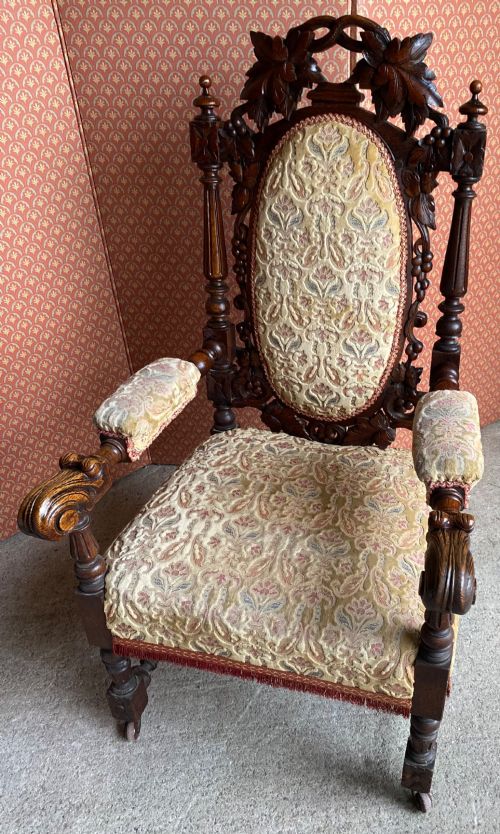
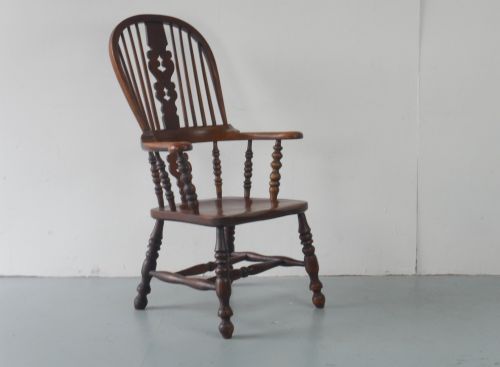
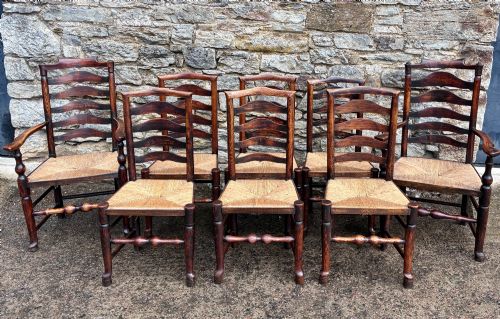
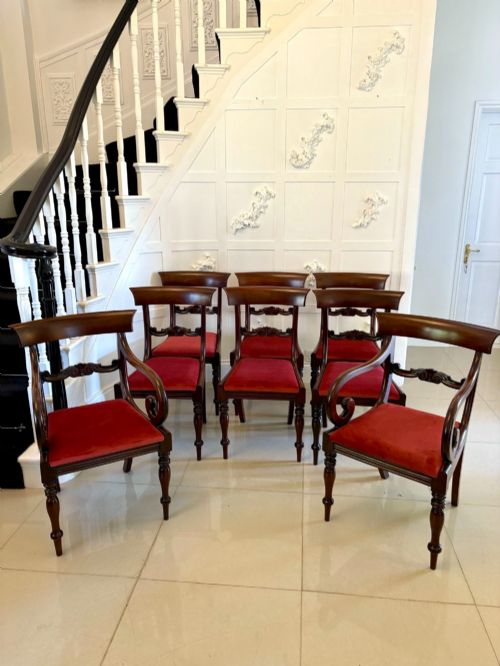
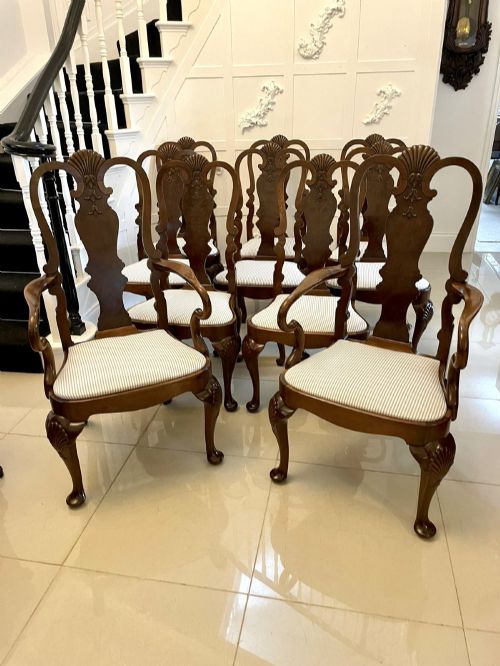
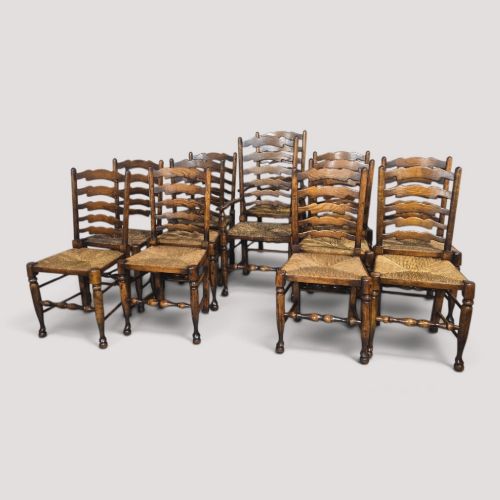
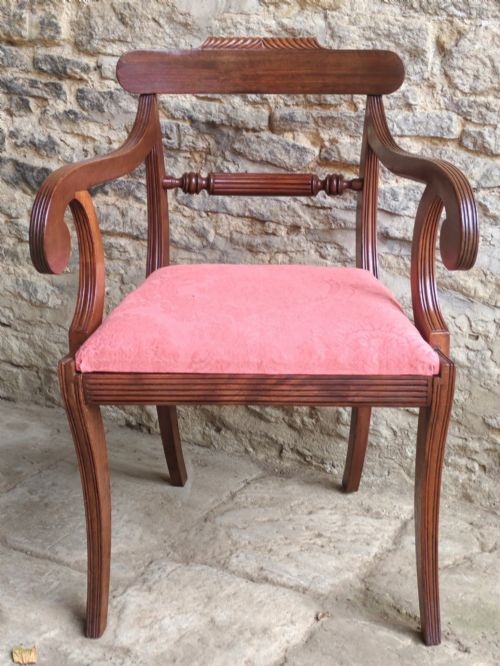
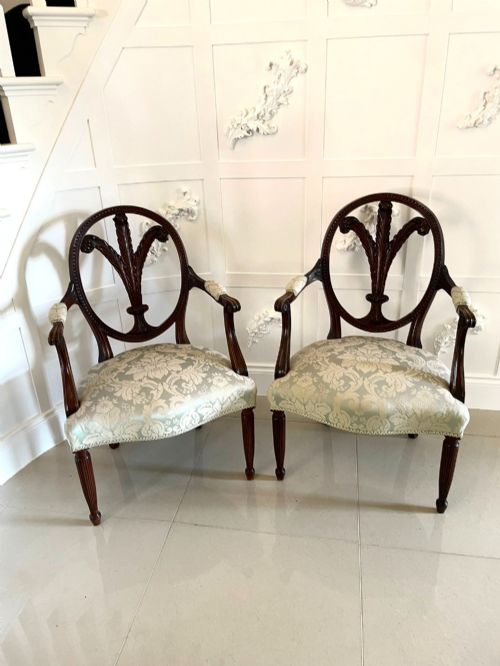
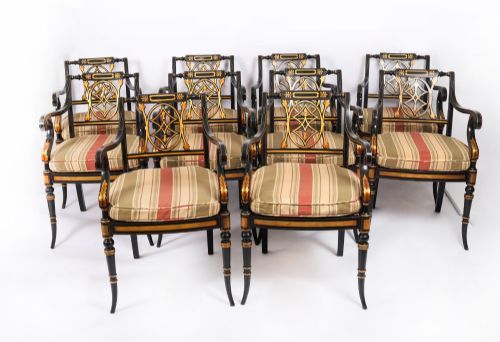
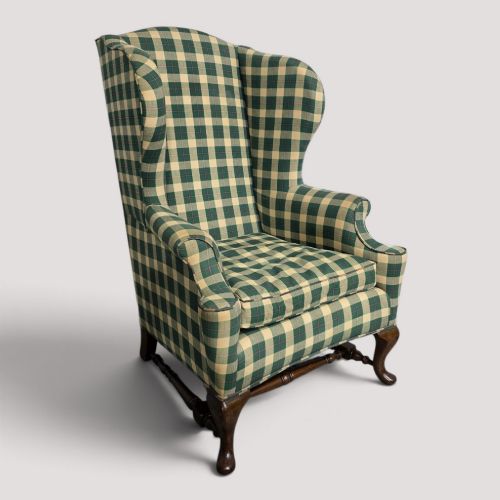
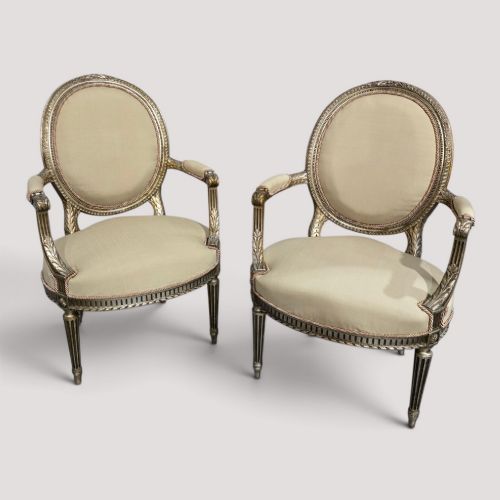
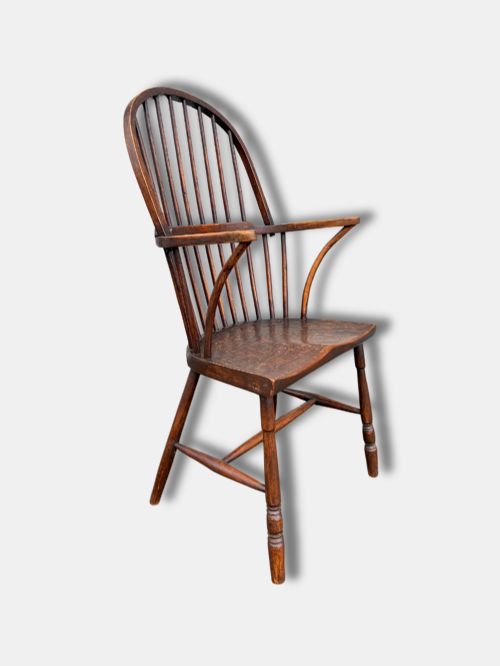
When exploring antique x back chairs, buyers encounter a diverse selection of seating ranging from formal dining sets to rustic country armchairs. These pieces derive their designation from the characteristic intersecting cross shape incorporated into the splat or backrest, appearing across various European and English traditions.
The inventory accommodates multiple configurations including matching sets for dining tables, singular carvers for desk use, and relaxed kitchen models. Construction dates stretch from the eighteenth century through the Victorian era and into early twentieth-century revivals, utilising timber frameworks adapted to domestic life.
Formal variations often display refined mahogany or walnut construction intended for parlours and dining rooms, while provincial examples utilise ash, elm, and beech. Buyers find both individual statement chairs and assembled harlequin sets gathered from country houses and urban residences alike.
How They Were Made
Cabinetmakers and rural joiners constructed these frames using traditional timber combinations, frequently pairing dense hardwoods like oak, mahogany, or walnut with flexible woods such as elm, ash, and beech for turned spindles and bent components. Steam bending allowed makers to shape continuous rails for Windsor frameworks and curved crestings.
Joinery relied upon mortise and tenon joints secured with pegs or dowels, supplemented by hand carving for decorative details on formal dining models. Upholstered variants incorporated webbing, horsehair stuffing, and heavy textiles like leather, hessian, or fabric secured with brass tacks.
Available chair forms include dining sets, revolving desk chairs, low country armchairs, and child-sized seating.
What Varies in Quality
The tier of a piece depends heavily on the selection of timber, where tightly figured grains, matched veneers, and uncompromised structural density separate bespoke commission work from mass-produced utilitarian seating. Superior examples retain original finish surfaces and hand-carved detailing executed with crisp depth rather than shallow machine profiling.
Rigidity of the frame and historical joinery integrity dictate overall standard, as untouched joints and matching components maintain the structural balance intended by the maker. Sets displaying uniform patina and consistent timber selection command greater attention than assembled groups mismatched over time.
Waugh & Son·Heals
The Antique X Back Chairs Glossary
- Splater
- The vertical central member of a chair back connecting the seat to the top rail, often shaped into pierced designs or intersecting crosses.
- Carver
- An armchair, typically designed with elbows to match a set of smaller side chairs intended for the ends of a dining table.
- Harlequin set
- A collection of dining chairs assembled to match in general style and era while exhibiting subtle variations in individual turning or dimensions.
- Rush seat
- A bottom woven from dried marsh grass or rushes, providing a resilient and traditional surface found on provincial ladder back seating.
- Patina
- The surface sheen and mellow tone developed on timber through decades of handling, light exposure, and polishing.
Antique X Back Chairs: Frequently Asked Questions
Can antique x back chairs be used for daily dining?
Most sturdy wood-framed models function well for everyday dining provided the joints remain tight and stable. Chairs featuring delicate pierced splats or antique upholstery benefit from moderate use and careful weight distribution.
Routine inspection of the leg junctions and seat blocks ensures the timber withstands regular domestic placement around a modern table.
What is the difference between a side chair and a carver?
Side chairs are built without armrests to allow multiple seats to tuck closely together along the sides of a dining table. Carver chairs incorporate integrated elbows, making them wider and suited for placement at the head of the table or as occasional fireside seating.
Traditional dining sets often combined a matched pair of carvers with several side chairs to accommodate a household.
How should I care for the wood finish?
Preserving the surface requires maintaining stable indoor humidity away from direct heat sources and harsh sunlight that dries out antique timber. Occasional application of quality beeswax feeds the grain without building up heavy chemical layers.
Soft dusting with a dry cloth prevents abrasive particles from dulling the historic patina accumulated over generations.