
Antique Wrought Iron
Antique wrought iron delivers robust structural integrity and enduring utility, spanning utilitarian garden benches to ornate chandeliers forged by hand.
Antique Wrought Iron
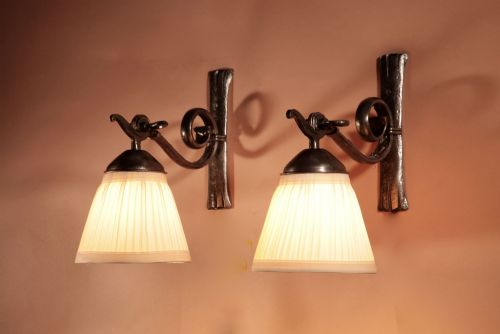
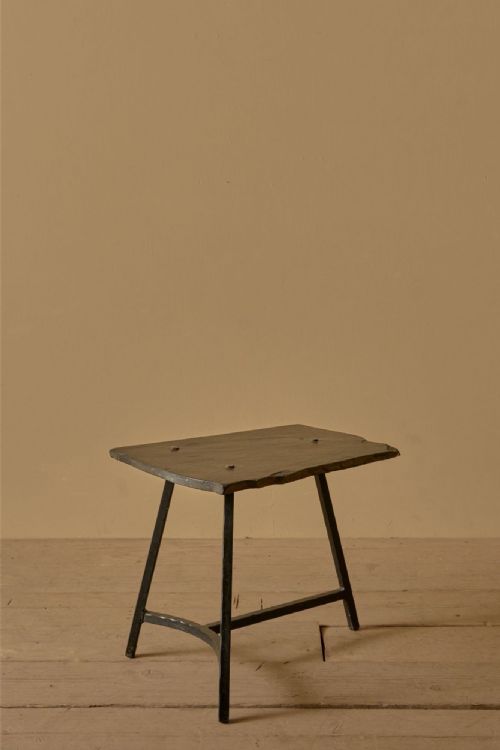
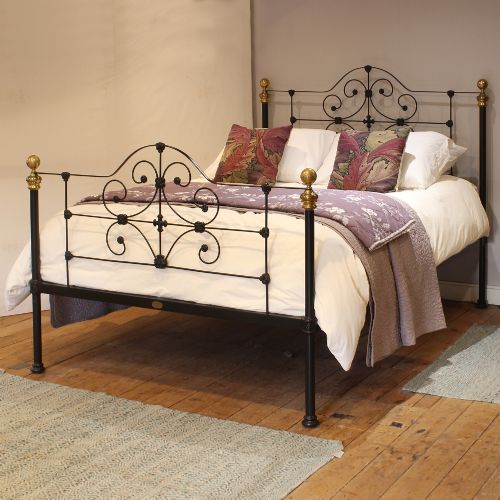
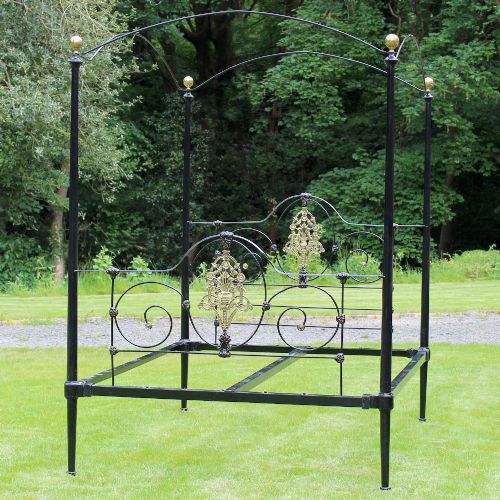
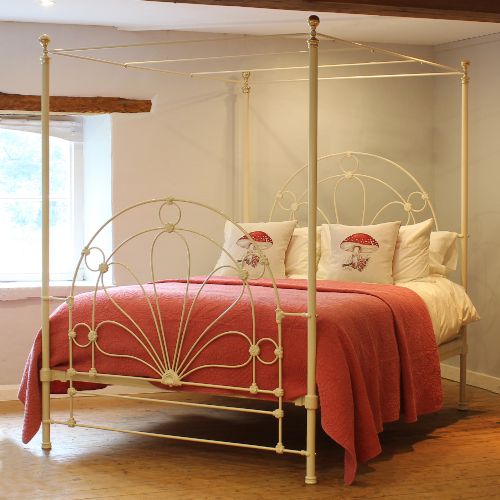
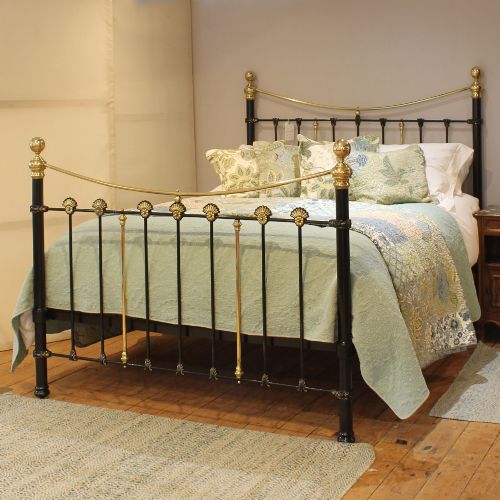
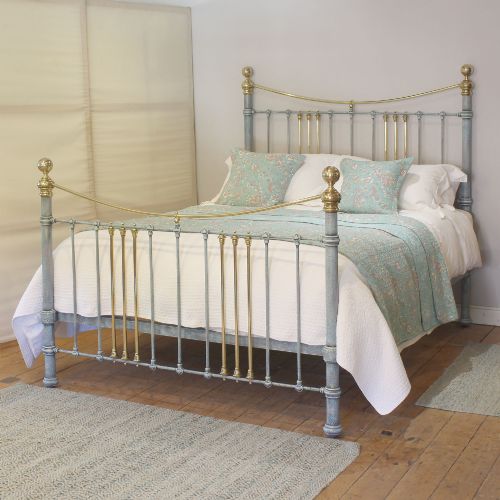
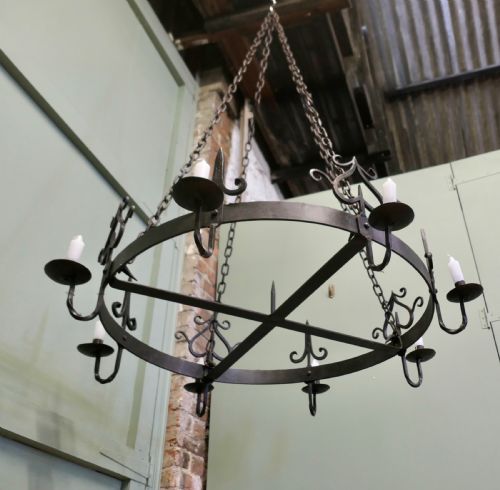
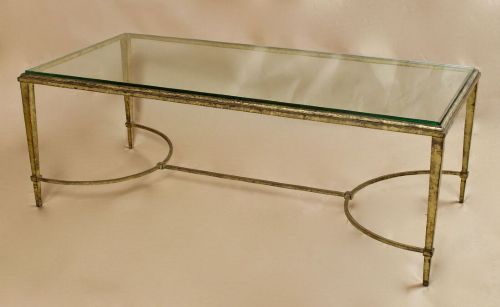
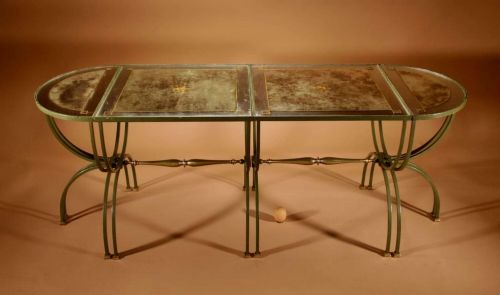
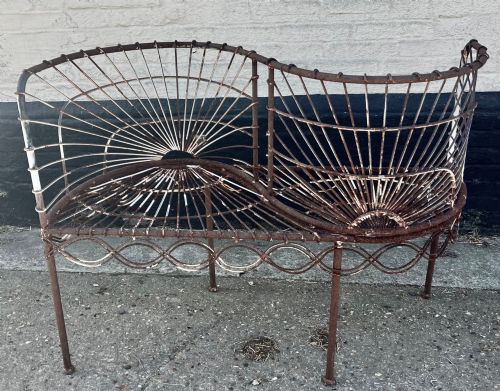
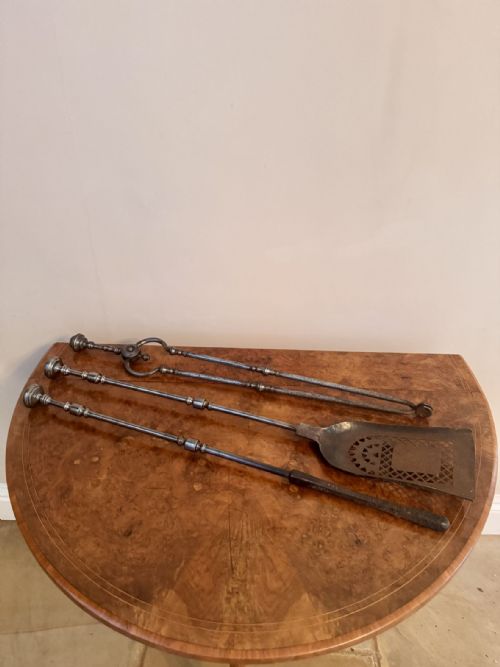
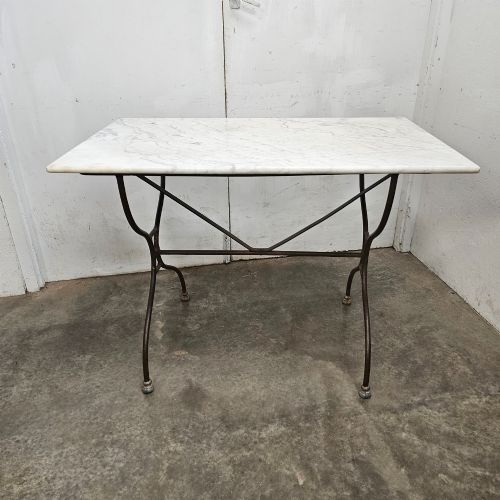
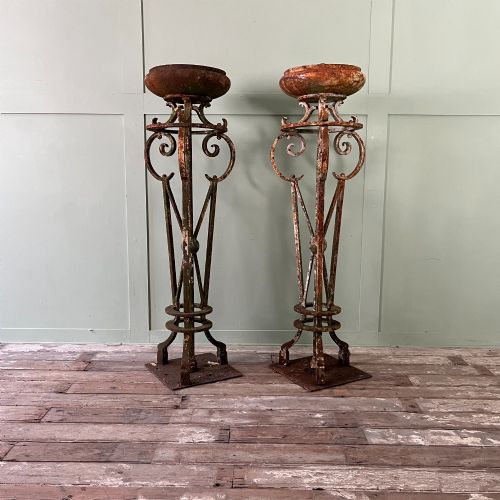
When searching for antique wrought iron, buyers encounter a diverse selection of domestic furnishings and structural hardware originating from the eighteenth century through to the interwar period. The inventory includes heavy furniture pieces such as beds, daybeds, and coffee tables, alongside architectural items like plant stands, gates, and lampposts.
Materials and Techniques
Makers utilised pure wrought iron and steel, often combining them with brass, cast iron, and marble inserts to achieve contrasting textures and structural support. Blacksmiths manipulated hot metal over an anvil using hammers and tongs, relying on traditional joinery techniques such as riveting and collar joints rather than modern welding.
Surface finishes applied to the metal include black paint, blue verdigris, and silvered gilding, which protected the underlying iron from oxidation while enhancing the decorative aesthetic of the piece. Subsidiary materials such as original glass, copper, and fabric appear on specific lighting and furniture components.
Listings feature items from the eighteenth, nineteenth, and twentieth centuries, incorporating materials like marble, brass, and painted wrought iron.
Craftsmanship and Proportion
Superior examples display the fluid hammer marks and subtle irregularities characteristic of individual blacksmith production, whereas mass-produced industrial items from later decades exhibit uniform machine stamping. The finesse of scrollwork, the balance of proportions, and the clean execution of joints distinguish masterwork items from standard utilitarian hardware.
The degree of original surface preservation significantly influences the standing of a piece, with intact patination and original decorative mounts holding greater historical integrity than heavily stripped or repainted surfaces.
Dubois of Lyon·Christopher Dresser·Winfield
The Antique Wrought Iron Glossary
- Wrought iron
- A tough, malleable form of iron containing a low carbon content that can be heated and repeatedly hammered into decorative shapes.
- Andirons
- Horizontal metal supports placed in a fireplace to hold logs above the hearth for improved air circulation.
- Verdigris
- A green patina formed naturally on copper, brass, or iron surfaces through atmospheric exposure and oxidation over long periods.
- Jardiniere
- An ornamental stand or receptacle specifically designed to hold indoor plants and floral arrangements.
- Gothic Revival
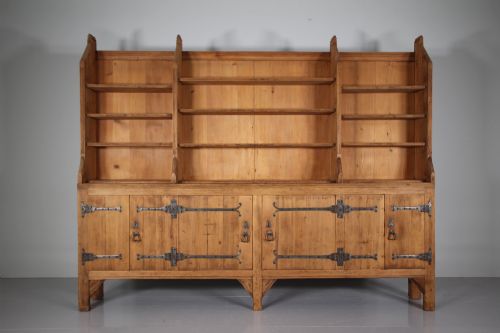
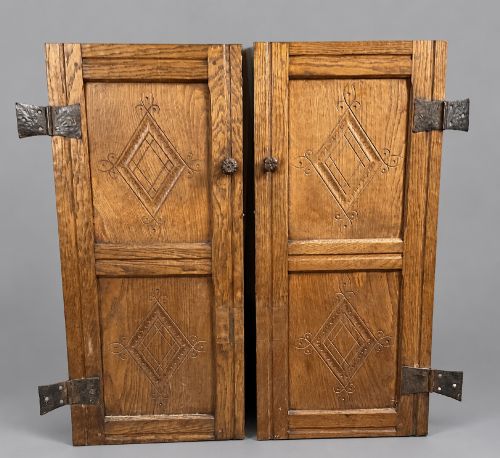
- An architectural and decorative style drawing inspiration from medieval forms, featuring pointed arches and quatrefoil motifs.
Antique Wrought Iron: Frequently Asked Questions
How do I clean antique wrought iron?
Remove surface dust using a dry microfibre cloth and address minor oxidation with light mineral oil applied on a soft brush. Avoid harsh chemical solvents or abrasive scouring pads that strip the original historic patina.
Dry the metal thoroughly after cleaning to prevent further moisture retention. Periodic application of microcrystalline wax provides a protective barrier against humidity in domestic environments.
Are these iron beds standard sizes?
Historic bed frames frequently predate modern mattress standardisation, meaning older single and king configurations vary by a few centimetres in length and width. Checking the internal dimensions between the side rails ensures contemporary mattresses fit correctly.
Many antique bedsteads utilise bolt-together iron rails that accommodate modern slatted wooden bases. Professional adaptation can adjust historical frames to hold standard contemporary mattress sizes safely.
Can wrought iron pieces go outdoors?
While garden benches and plant stands were built to withstand exterior conditions, prolonged exposure to moisture causes active corrosion on historical iron. Position outdoor items on well-drained stone rather than bare soil to reduce damp absorption.
Bring delicate lighting fixtures, indoor tables, and decorative accessories inside during harsh winter months. Applying a protective wax or rust-inhibiting coating helps preserve garden pieces left outside.
How do I date an iron piece?
Analysis of construction methods reveals the age of ironwork, as eighteenth and nineteenth-century items show hand-hammered surfaces and individual rivet placements. Machine-rolled sections and uniform welding indicate later nineteenth or twentieth-century industrial manufacture.
Stylistic cues such as Arts and Crafts simplicity or Gothic Revival motifs provide reliable chronological markers. Comparing decorative hardware details against documented regional blacksmithing traditions narrows the production period further.