

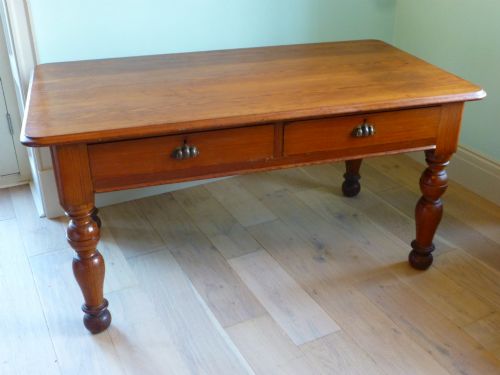
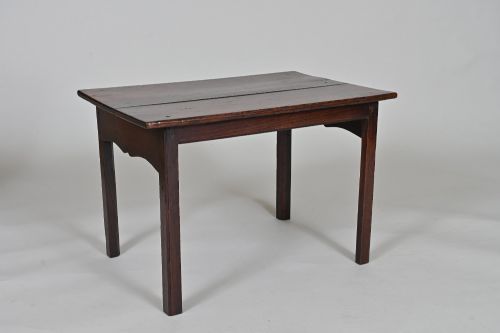
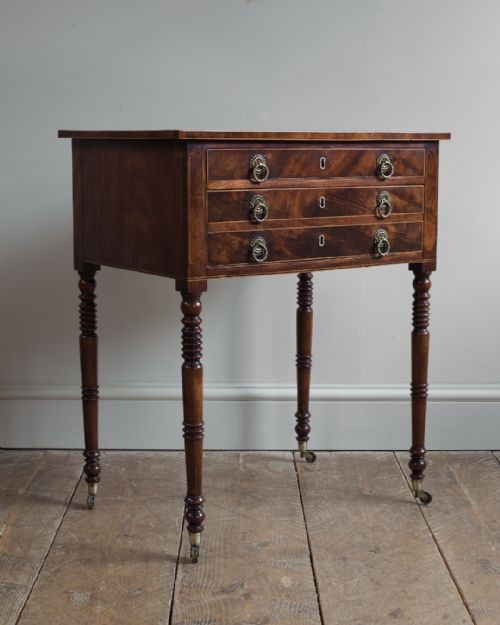
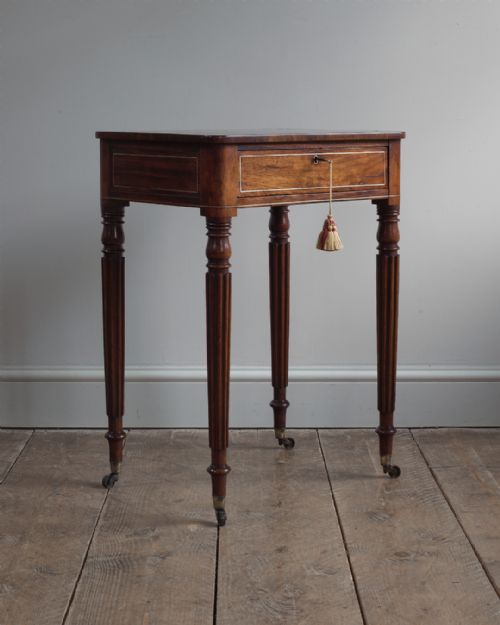
Antique Working Table
An antique working table serves domestic utility with craftsmanship, offering solid timber construction and functional compartments suited to daily tasks.
Antique Working Table
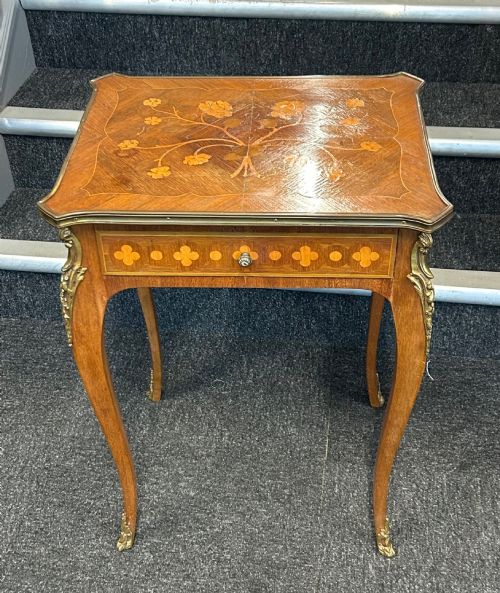
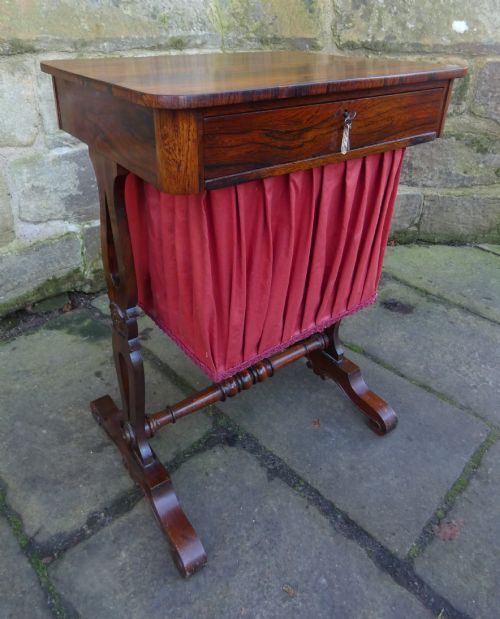
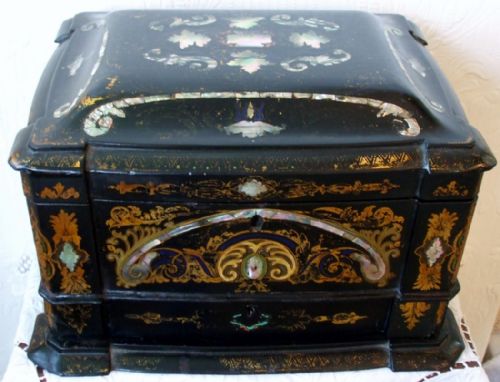
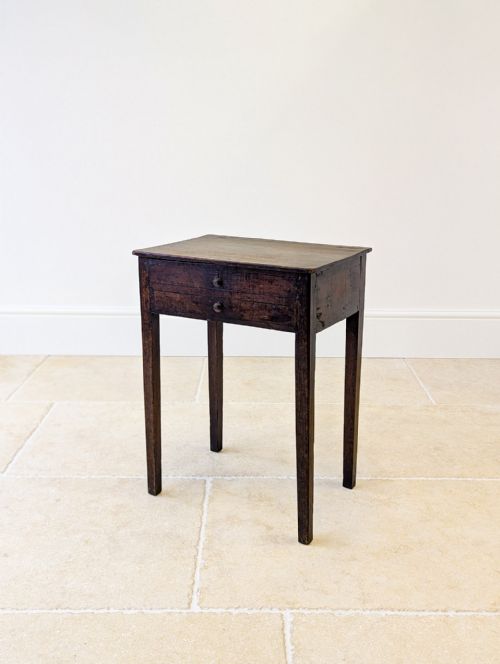
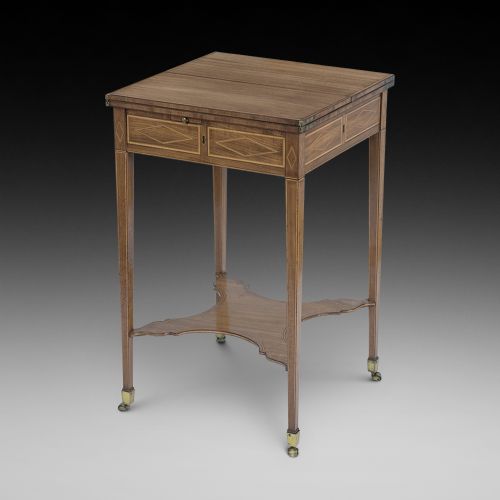
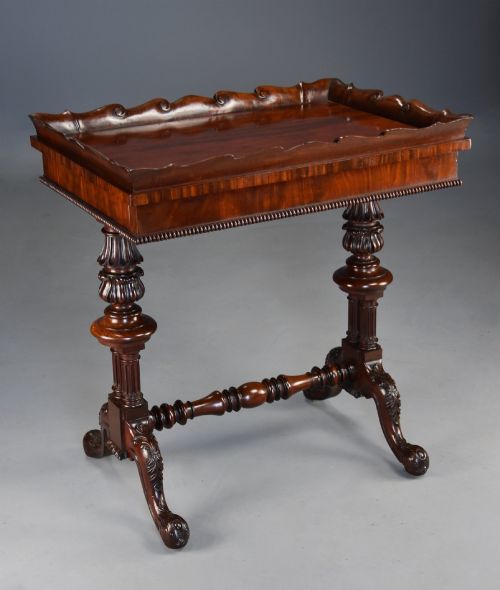
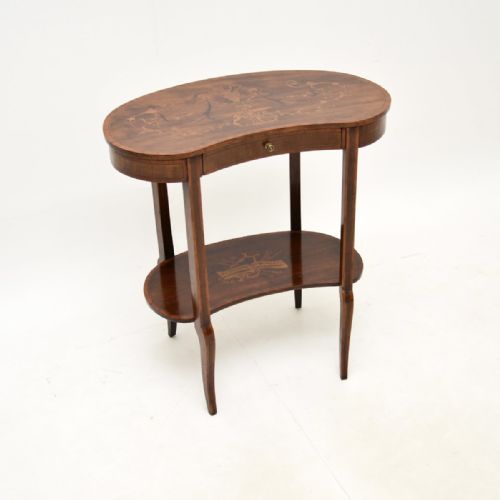
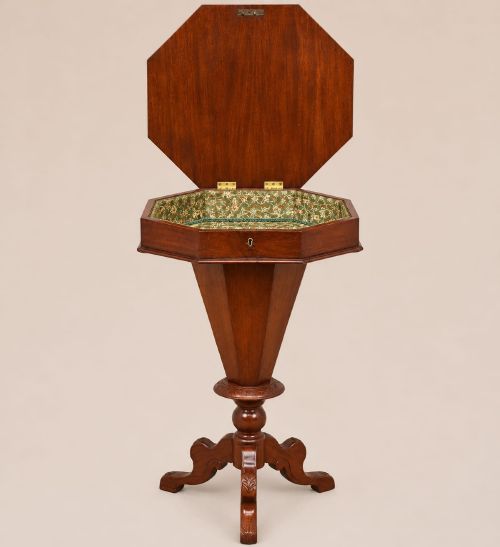
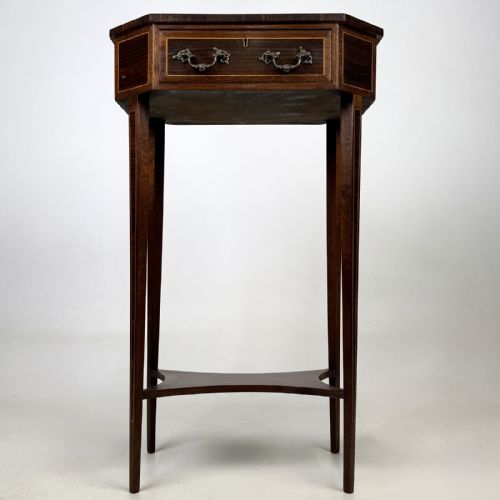
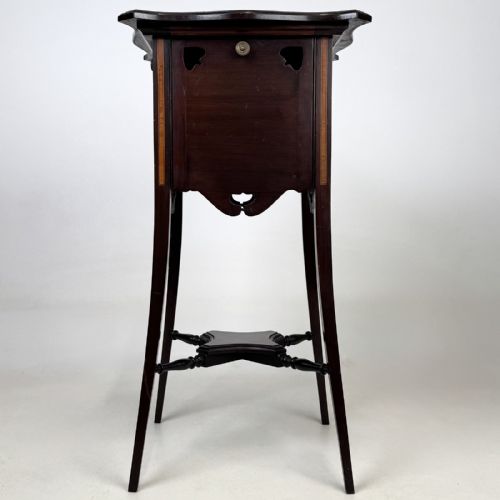
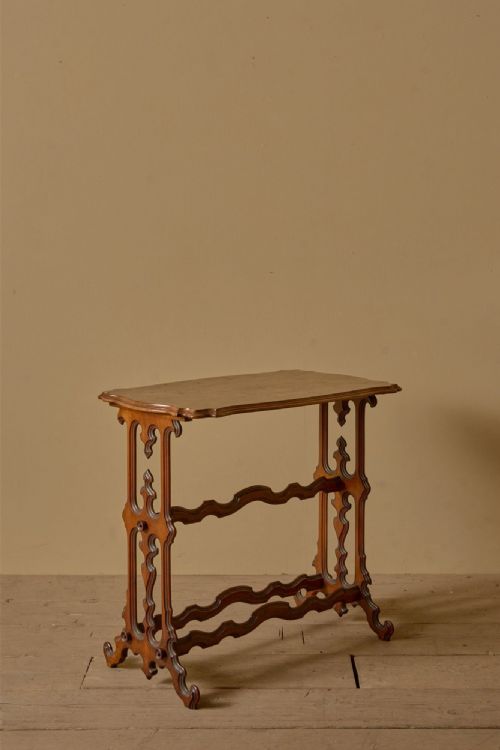
An antique working table represents a multi-purpose domestic surface designed for sewing, writing, or preparation, appearing frequently in Victorian, Regency, and Edwardian iterations. These pieces combine compact proportions with specialised storage, such as drawers, hidden compartments, or lift-top lids.
The selection ranges from French walnut and fruitwood examples to English mahogany and oak forms, often incorporating drop leaves or fitted interiors. Buyers encounter specialised variants including sewing tables, compendium tables, and kitchen prep surfaces spanning the Georgian to the early twentieth century.
Originating from diverse European and domestic workshops, these tables prioritize utility alongside decorative cabinetmaking. Walnut, mahogany, and oak dominate the forms, reflecting the functional requirements of domestic spaces across multiple historical periods.
How they were made
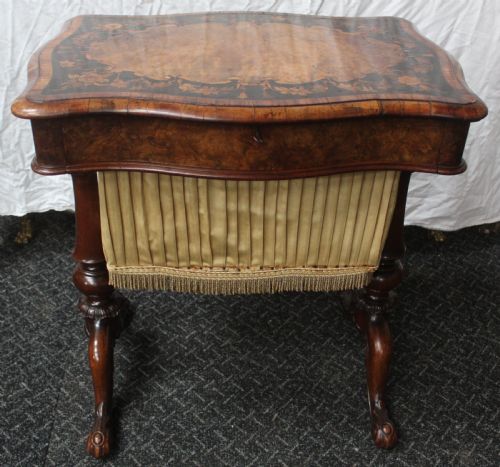
Cabinetmakers constructed these tables using dense hardwoods such as mahogany, walnut, oak, and rosewood, frequently applying burr walnut or satinwood veneers to prominent surfaces. Structural elements utilised solid timber framing, while decorative details relied on brass inlays, galleries, and hand-carved motifs.
Joinery techniques included dovetailed drawer construction and turned or reeded legs secured to sturdy frames. Secondary woods provided internal support for hidden compartments, drop-out bags, and folding mechanisms designed for domestic tasks.
Antique Working Table Retail Price Guide 2026
Typical asking prices for working table among the pieces listed under this phrase on Sellingantiques today, from the lower quarter to the upper quarter. They describe what is for sale here now, not the wider market.
Listings feature woods such as walnut, oak, mahogany, rosewood, burr walnut, fruitwood, satinwood, and brass across the 19th Century, Georgian, Regency, and Edwardian periods.
What varies in quality
The caliber of an antique working table depends on the selection of timber veneers, the precision of brass inlays, and the complexity of internal compartments. Superior examples feature figured burr walnut or rosewood combined with rigorous joinery and intact original hardware.
Proportion and execution distinguish finer items from standard utilitarian pieces. Refined turns on legs, balanced serpentine shapes, and integrated functional elements such as hidden writing slides or sewing wells indicate higher workshop standards.
The Antique Working Table Glossary
- Compendium table
- A multi-functional piece containing fitted compartments for writing, sewing, or games. These tables utilise internal trays and lift tops to organise small domestic accessories.
- Brass gallery
- A low pierced metal railing fitted around the perimeter of a tabletop. This feature prevents items from sliding off polished mahogany or walnut surfaces.
- Burr walnut
- Timber harvested from walnut tree growths that produces intricate, swirling grain patterns. Cabinetmakers sliced this wood into thin veneers for decorative table tops.
- Drop leaf
- A hinged flap on the side of a table that folds down to save space or lifts up to extend the surface. Support brackets swing out to hold the leaf in position.
- Reeded leg
- A column carved with parallel convex moulding running vertically down the wood. This classical detail appears frequently on Regency and Edwardian table supports.
Antique Working Table: Frequently Asked Questions
What is an antique working table used for?
These tables served specific domestic duties including needlework, writing, and food preparation. Interiors often contain fitted compartments, drawers, or silk bags designed to hold sewing implements and writing materials.
Today, buyers utilise them as versatile accent pieces or compact desks within modern rooms. Their historic functionality translates easily into contemporary living spaces requiring surface area and storage.
How do I identify a Regency working table?
Regency pieces typically feature dark exotic timbers such as rosewood or mahogany, often enhanced with contrasting brass inlay or brass stringing. They frequently display classical proportions influenced by archaeological discoveries of the period.
Support structures commonly include pillar and claw bases or reeded legs. Lift-top lids and refined turned details further characterise pieces from this era.
Are Edwardian working tables different from Victorian ones?
Edwardian examples generally exhibit lighter proportions and brighter woods, such as satinwood or paler mahogany and oak. Their designs lean toward delicate sewing and lamp tables intended for drawing rooms.
Victorian models tend to be heavier and constructed from dark walnut or mahogany with complex burr veneers. They often incorporate more robust storage compartments and intricate internal mechanisms.
How should I care for a wood table surface?
Maintain timber surfaces by dusting with a soft, dry cloth and avoiding direct sunlight or excessive heat. Natural waxes applied periodically preserve the patina of antique polishes.
Protect the wood from moisture by using coasters and mats. Gentle maintenance ensures the original finish remains stable over time.