
Antique Wooden Stick
An antique wooden stick brings tactile history into the room, spanning practical walking canes and fitted umbrella holders.
Antique Wooden Stick
The selection leans heavily toward Victorian and Edwardian examples, alongside earlier pieces originating in the eighteenth and nineteenth centuries. Materials stretch from native hardwoods like oak, elm, ash, and yew to exotic imported mahogany.
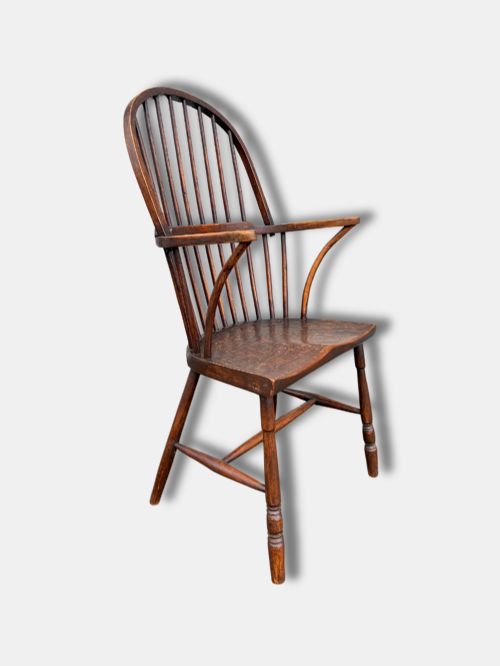
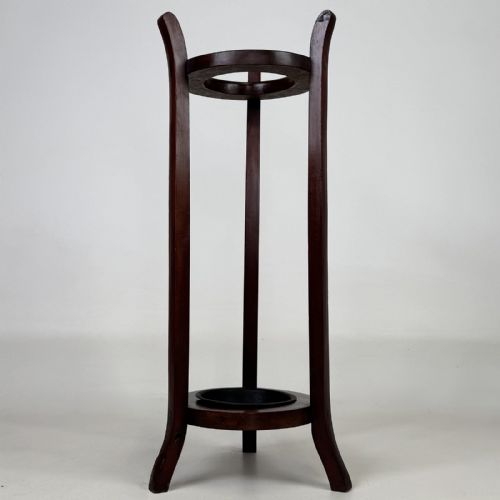
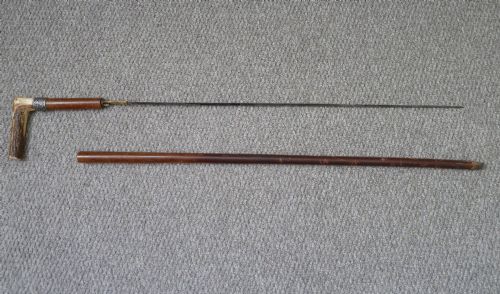
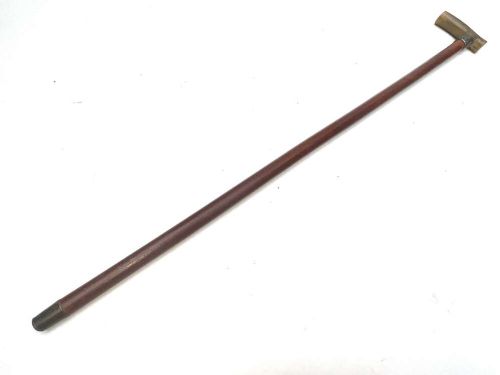
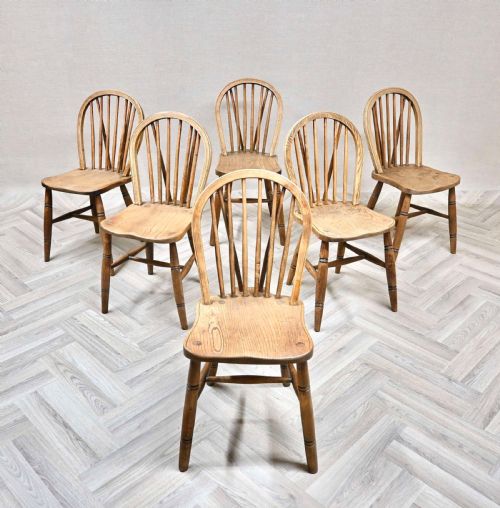
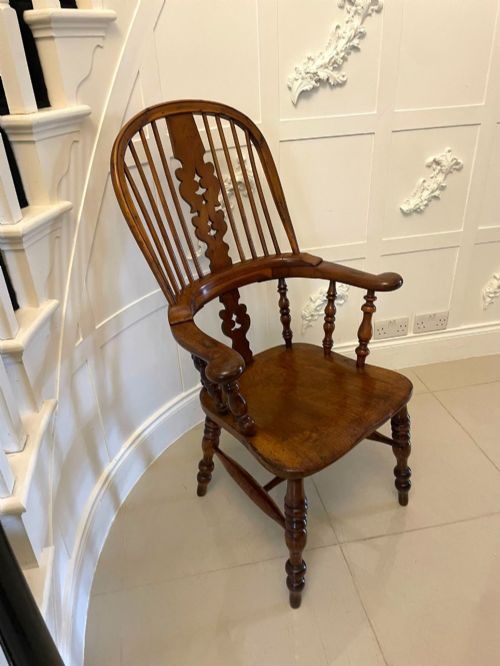
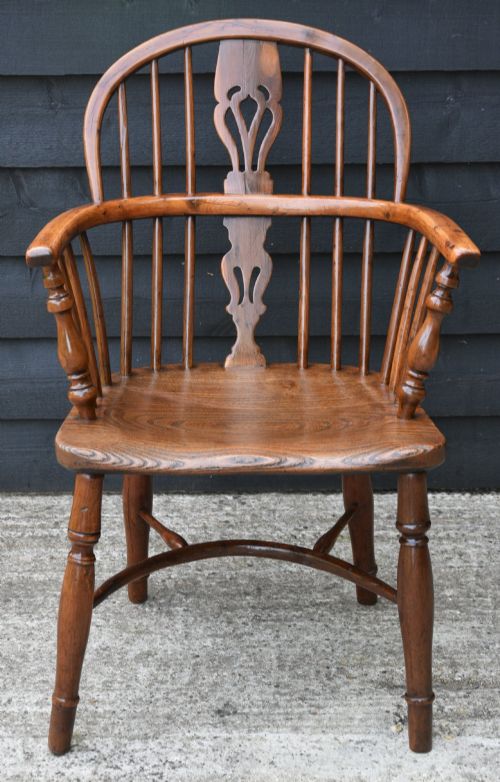
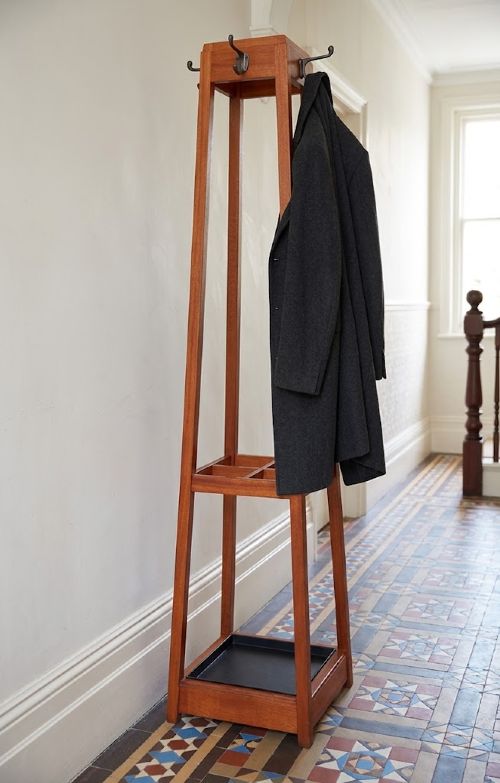
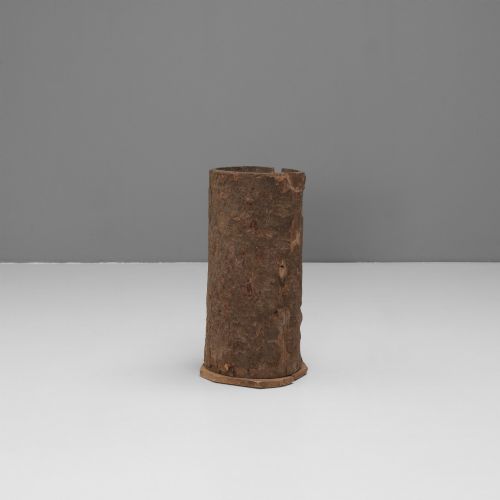
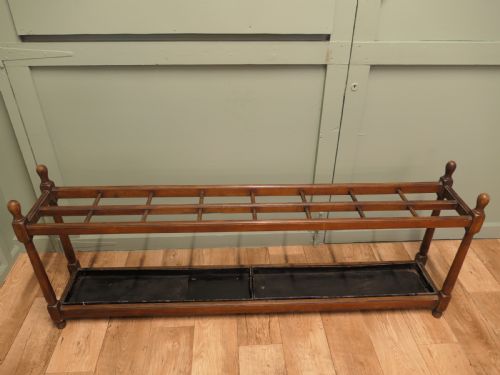
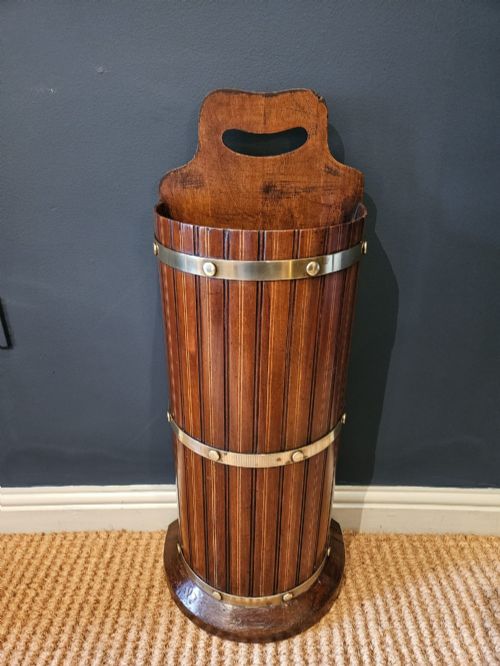
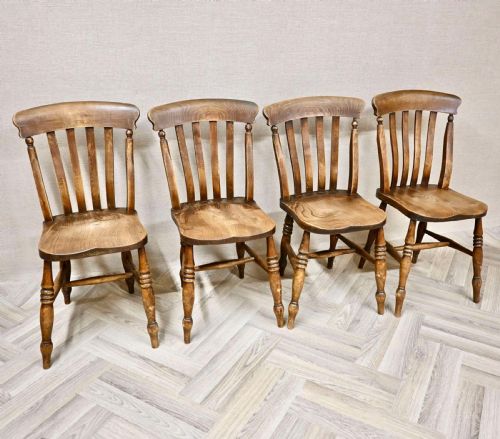
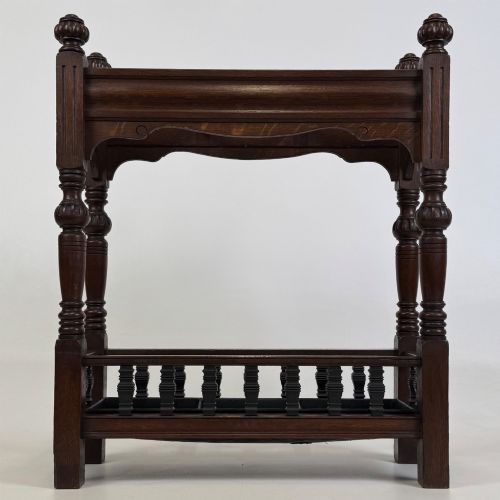
Functional items designed for storage, such as oak and mahogany umbrella stands, dominate alongside individual walking canes featuring gold or silver pommels. Seating options include primitive hoop back and lathbach armchairs built with distinct stick backs.
What varies in quality
Construction integrity dictates overall merit, separating robustly joined frames from those weakened by loose joints or excessive timber shrinkage. The selection of wood grain, such as figured yew or quarter-sawn oak, elevates the visual presence of seating and stands alike.
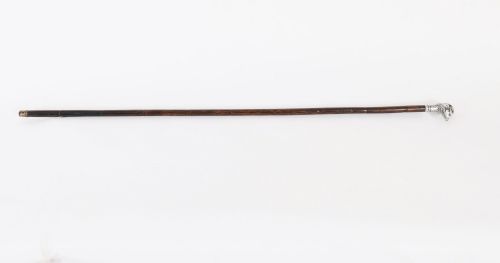
Original hardware, including cast brass banding on umbrella holders and hall stands, preserves historical authenticity. Detail work on carved handles or duck head motifs on walking canes demonstrates superior craftsmanship.
Listings feature items spanning the eighteenth, nineteenth, and twentieth centuries, incorporating materials like oak, mahogany, yew, elm, ash, brass, and horn.
Thomas Johnson·Liberty Design
The Antique Wooden Stick Glossary
- Windsor chair
- A wooden chair built with a solid saddle-shaped seat into which the back and legs are dowelled directly. These seating forms often utilise stick or hoop backs.
- Stick stand
- A piece of furniture designed to hold walking canes and umbrellas upright, frequently constructed from oak or mahogany with brass banding.
- Treen
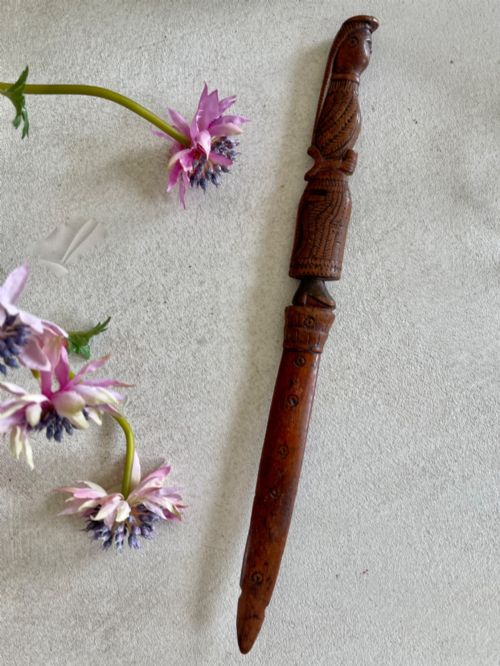
- Small handmade wooden objects for domestic use. Items in this category include carved knitting sheaths and small vessels.
- Pommel
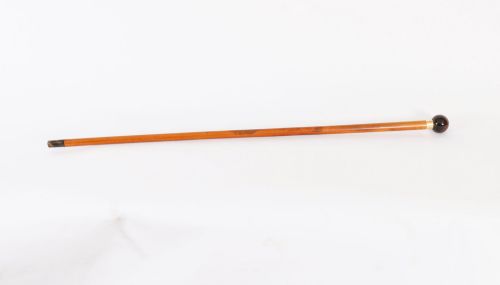
- The rounded handle or knob at the top of a walking stick or cane. These fixtures are frequently cast in gold, silver, or carved horn.
Antique Wooden Stick: Frequently Asked Questions
How do I maintain an antique wooden stick?
Keep wooden items away from direct heat sources and sudden humidity shifts to prevent timber splitting. Apply a suitable microcrystalline wax occasionally to nourish the surface.
Avoid harsh chemical cleaning agents on brass fittings and painted or polished timber surfaces. Gentle dusting with a soft cloth preserves the original patina.
What woods were commonly used?
Cabinet makers and rural craftsmen utilised native British timbers such as oak, elm, ash, and yew for structural stability and rich grain patterns. Mahogany also appears frequently in nineteenth-century hall furniture.
Seating often combined woods, utilising elm for seats and ash or yew for bent spindles. Hardwoods provided the necessary strength for daily use.
How do I date an umbrella stand?
Examine construction methods, fastener types, and prevailing decorative styles such as Arts and Crafts or Aesthetic Movement influences. Oak and mahogany stands with brass banding are typical of the Victorian and Edwardian eras.
Hardware components and secondary woods inside the base offer additional chronological clues. Patina and wear patterns help confirm age.