




Antique Wooden Diorama
An antique wooden diorama brings miniature three-dimensional scenes into domestic spaces through meticulous handcraft and glass protection.
Antique Wooden Diorama
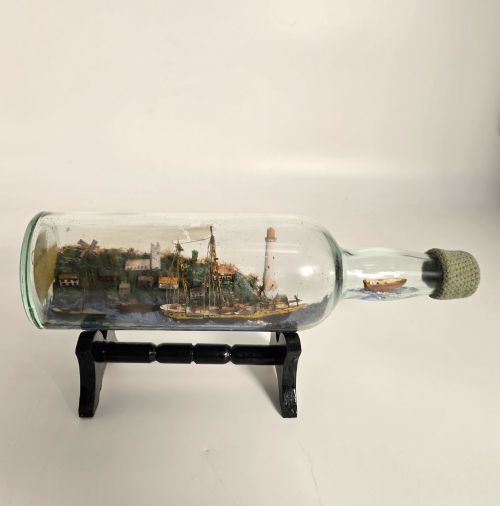
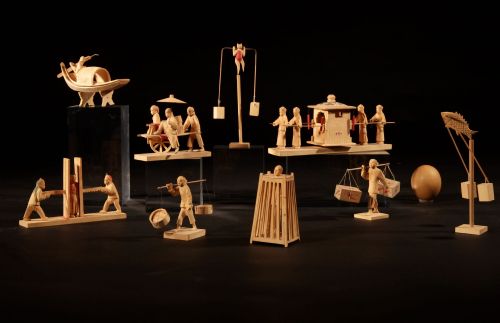
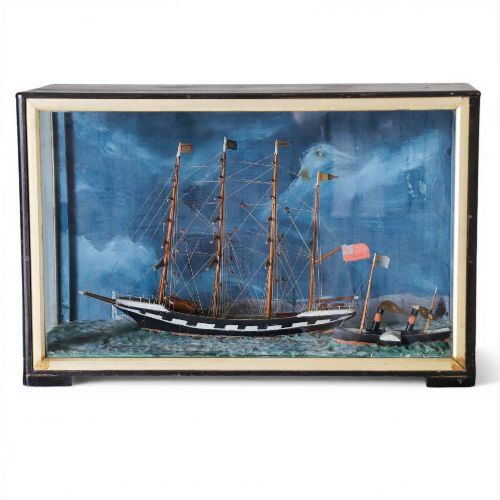
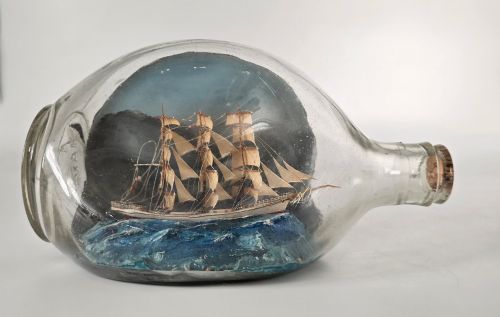
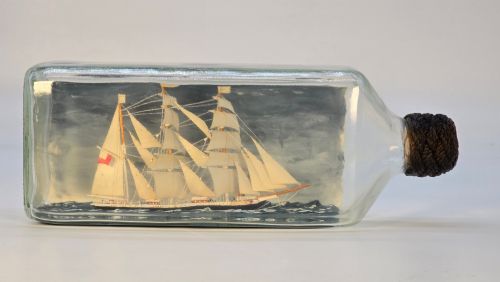
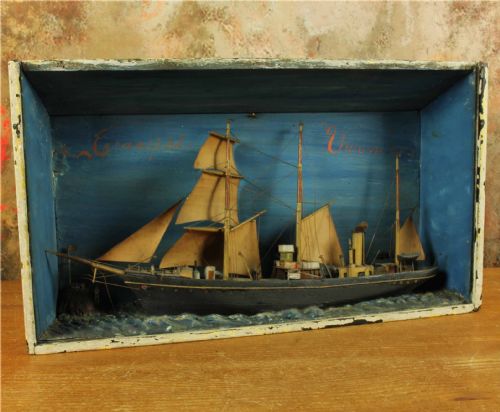
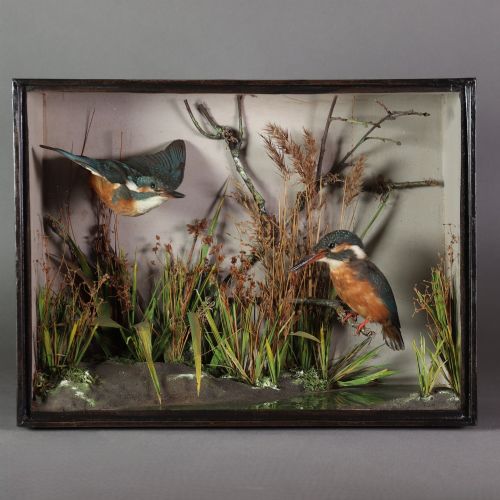
An antique wooden diorama presents a miniature scene enclosed in a box, bottle, or display case, capturing narrative moments from maritime voyages, domestic trades, and rural life. These pieces emerge predominantly from the nineteenth century and the Edwardian era, reflecting both Victorian maritime folk art and natural history display traditions.
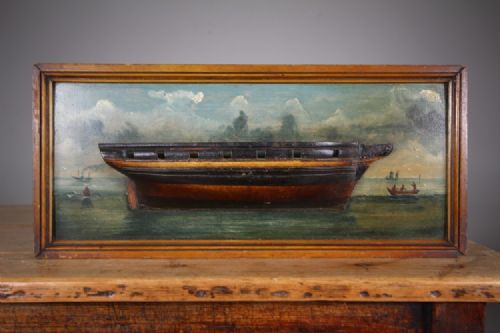
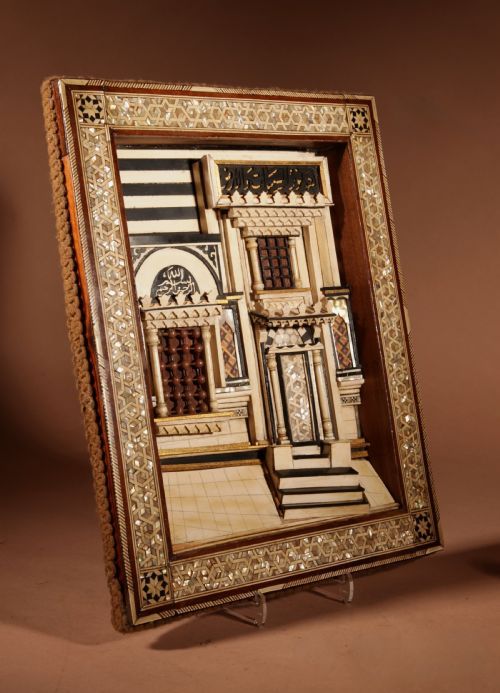
The format ranges from sailing ships navigating painted seas to detailed architectural models, taxidermy cases, and folk art streetscapes. Buyers encounter shadow boxes, wall art pieces, and bottle dioramas that use layered perspective to create depth within confined wooden boundaries.
How they were made
Makers constructed the primary structures from timber, often pairing wood with glass fronts to protect delicate internal components from dust and damage. Internal elements rely on carved wood, painted paper, plaster, cork, fabric, and metal to build up the topography of the scene.
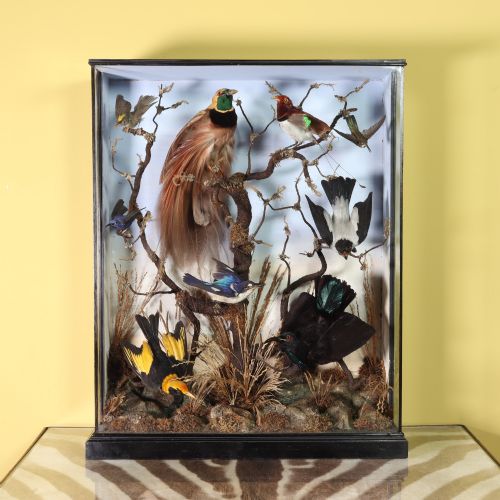
Many maritime and folk art examples incorporate found materials, including shells, straw work, and bottle glass, combined with hand-mixed paint to render skies, water, and architectural details. Taxidermy variants integrate preserved birds and animals within cased natural settings constructed from painted wood and plaster.
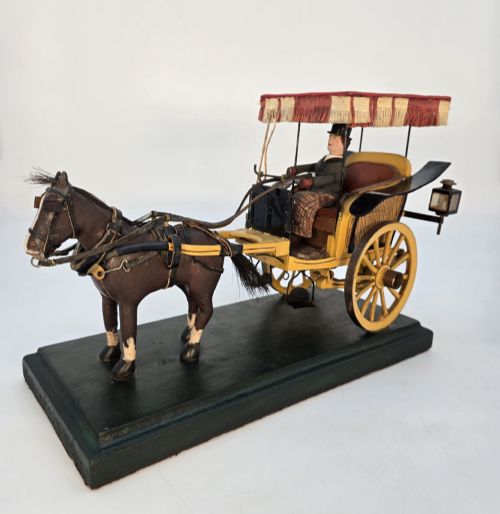
Makers packed entire horse-drawn carriages, snowy Eastern European towns, and miniature monkey saloon bars into surprisingly compact wooden boxes.
What varies in quality
The visual success of an antique wooden diorama depends upon the depth of perspective and the precision of the miniature carving. Superior pieces employ layered elements and painted backdrops that create convincing spatial illusion rather than flat, crowded arrangements.
Integrity of materials also separates examples, as original glass panels, undisturbed paint finishes, and secure internal mountings maintain the intended composition. The complexity of the subject matter, from multi-masted sailing ships to intricate architectural reliefs, dictates the maker's technical achievement.
J Griffiths of Burford·T. E. Gunn·H.S Andy Anderson
The Antique Wooden Diorama Glossary
- Shadow box
- A deep framed glass-fronted case designed to display and protect three-dimensional objects or miniature scenes on a wall. It provides the enclosing structure for many folk art and maritime presentations.
- Folk art
- Creative work produced by self-taught makers using traditional craft methods outside academic traditions. This category encompasses most vernacular ship models, bottle scenes, and architectural dioramas.
- Taxidermy display case
- A glass-fronted wooden enclosure built to house preserved specimens in simulated natural environments. These cases frequently incorporate painted backgrounds and botanical elements.
- Prisoner art
- Objects carved or assembled by detained individuals, often using scavenged materials such as bone, wood, and metal. Such pieces reflect intricate handwork executed during long periods of confinement.
- Straw work
- A decorative technique applying split straw to surfaces in geometric or pictorial patterns to create reflective, textured designs. It appears on specialised nineteenth-century ship models.
Antique Wooden Diorama: Frequently Asked Questions
What is an antique wooden diorama?
An antique wooden diorama is a cased three-dimensional model or scene built from wood, paper, fabric, and other media, designed to be viewed through glass.
These pieces capture historical vessels, natural history specimens, and architectural streetscapes within protective frames or bottles.
How were maritime dioramas displayed?
Maritime dioramas were typically mounted within ebonised or glazed wooden shadow boxes to protect the delicate rigging and painted seas from handling.
Sailors and folk artists constructed these to preserve specific vessels or notable marine races for domestic display.
What materials are found inside?
Makers utilised carved wood, painted paper, plaster, cork, metal, and fabric to construct the miniature elements of each scene.
Taxidermy examples combine preserved birds and mammals with natural or painted background foliage inside glass cases.
How do I date a diorama?
Dating relies on stylistic evidence, construction methods, framing materials, and occasionally signed inscriptions or dates left by the maker.
Nineteenth-century and Edwardian pieces often feature hand-painted backdrops and specific framing styles characteristic of their period.