

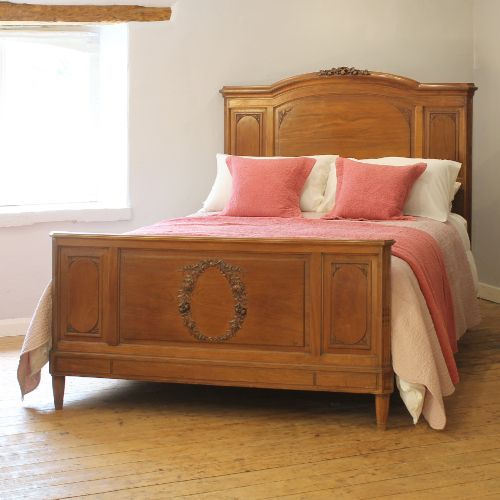
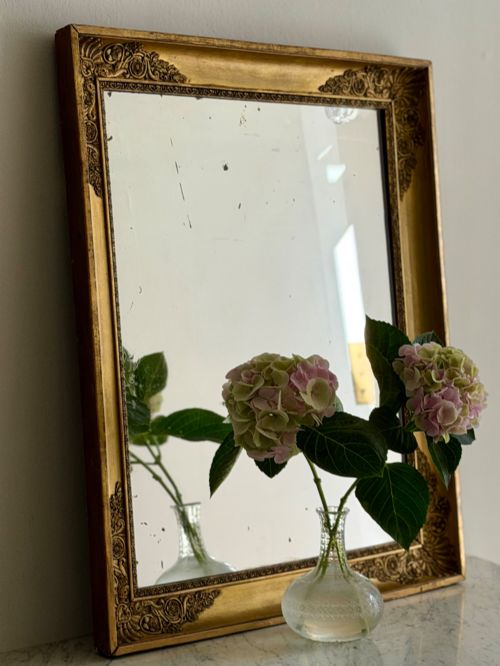
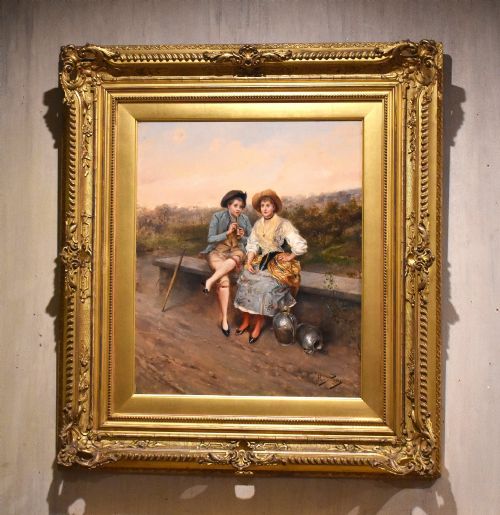
Antique Wood Frame
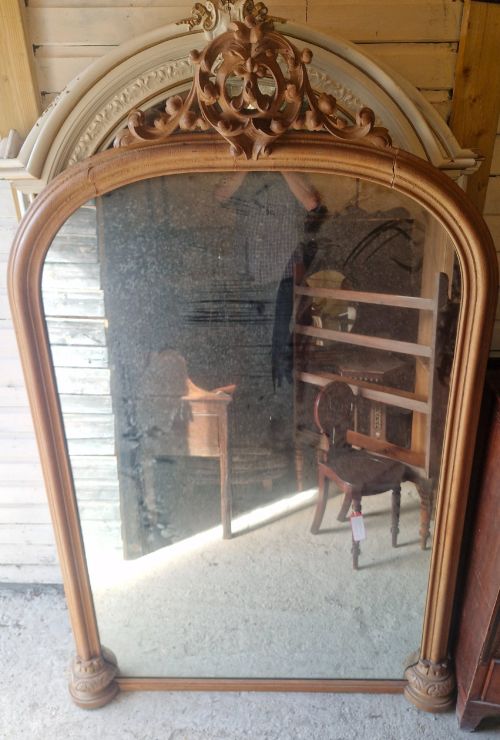
An antique wood frame holds centuries of craftsmanship, surrounding mirrors, oils and paper works with carved giltwood, mahogany or oak.
Antique Wood Frame
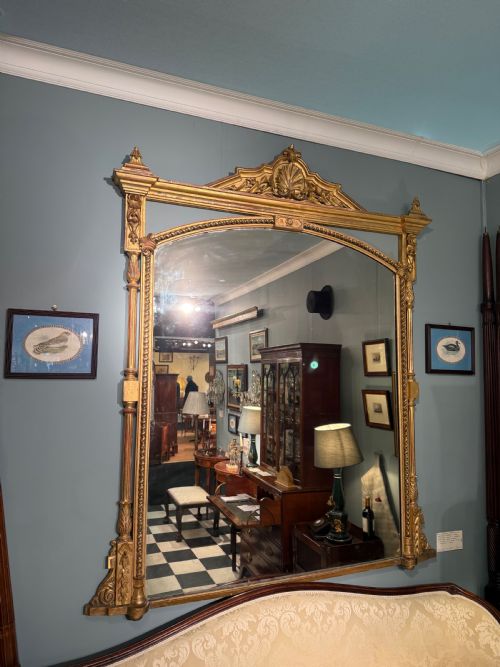
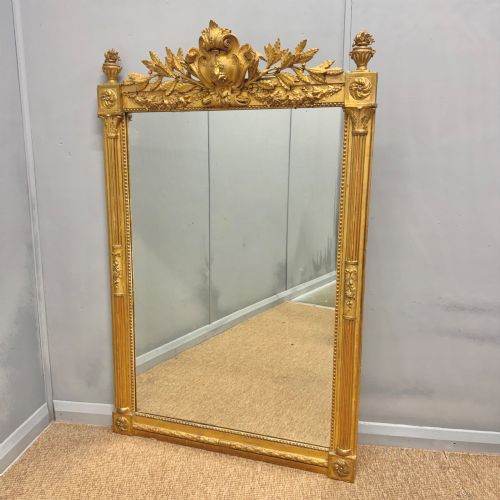
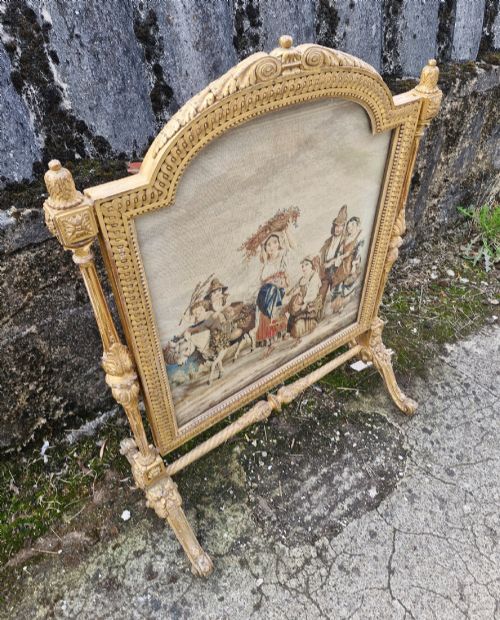
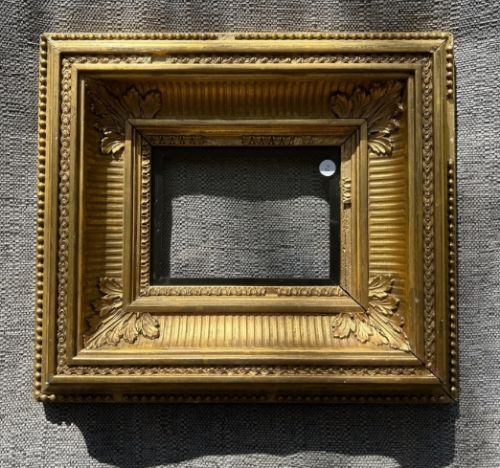
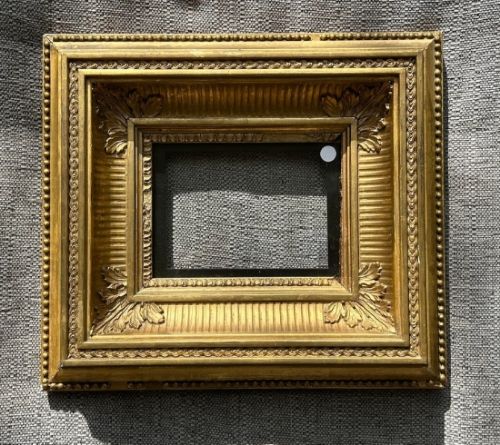
An antique wood frame encompasses a diverse group of objects spanning the seventeenth century to the twentieth century, appearing primarily as wall mirrors, overmantel mirrors, picture frames and housings for portraits and oil paintings.
The pieces on this page derive from periods including the Georgian era, Victorian period and Edwardian years, utilising timbers such as mahogany, oak, walnut and yew alongside gesso and gilt finishes.
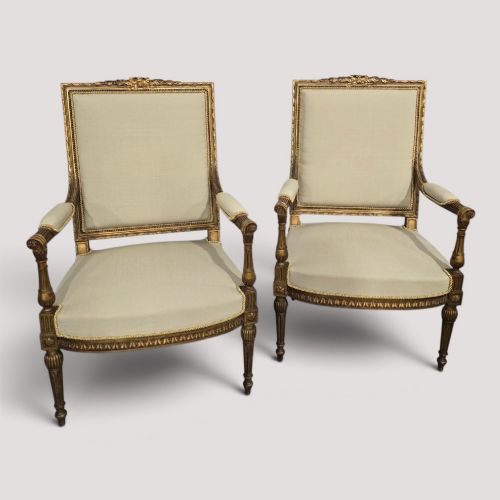
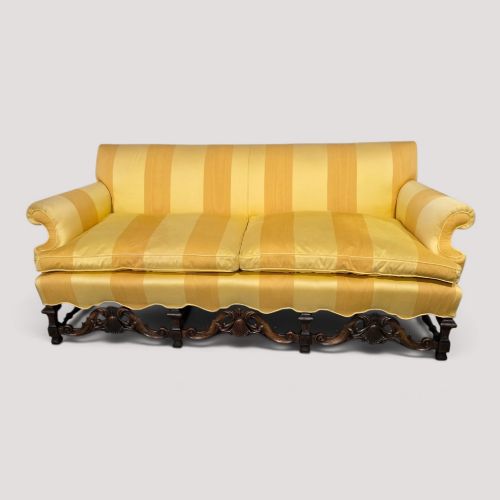
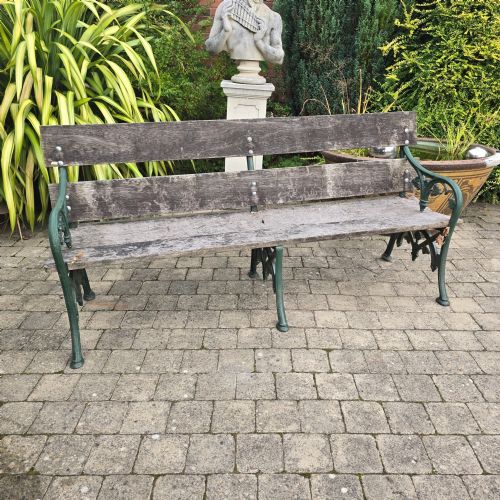
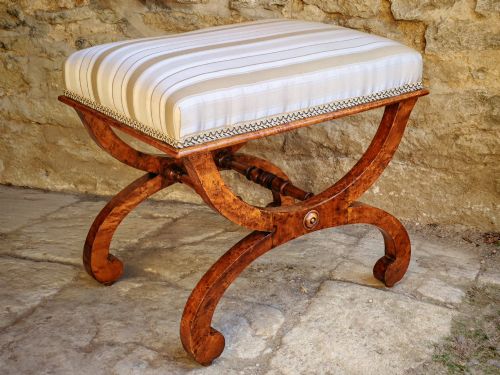
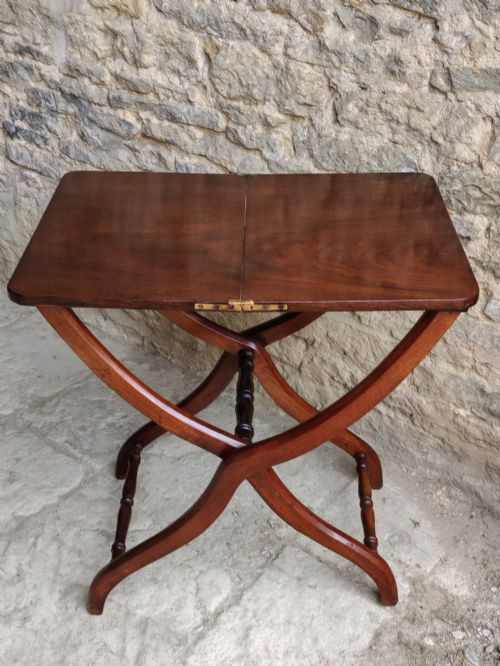
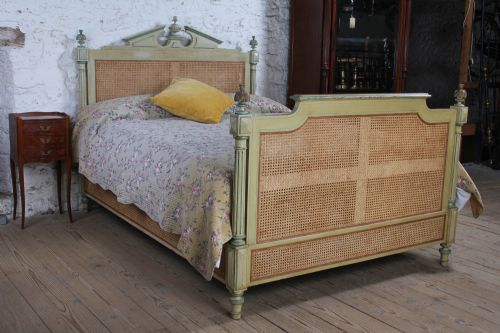
Beyond standalone picture mouldings and mirror surrounds, the selection includes larger domestic items constructed with timber frames, such as armchairs, chaise longues, beds and dining chairs.
How They Were Made
Makers shaped structural timber bases from solid hardwoods like mahogany and oak, employing hand carving to achieve intricate architectural mouldings, floral motifs and panel details.
Giltwood pieces received layers of gesso applied over the wood base, which artisans then smoothed, scored and coated with gold leaf or paint.
Joinery methods varied by period, utilising traditional pegged joints, rebated edges for glass plates, and carved applied ornament secured to simpler underlying frames.
The archive records specialised housing for botanical engravings, maps, maritime scenes, pastels and oil paintings alongside standalone mirrors.
What Varies in Quality
The standard of carving distinguishes routine production from superior work, separating crisp, deep hand-chiselled foliage and scrolls from shallow or cast composition substitutes.
Originality dictates standing, as pieces retaining their first gilding, historic glass plates, untouched painted surfaces or matching paired elements command greater respect than later adaptations.
The architectural harmony of the proportions and the weight of the timber ground influence the physical presence of the object within an interior.
Holland and Sons·Waring and Gillow·Chapman Brothers Chelsea·William Bird MD FLS
The Antique Wood Frame Glossary
- Giltwood
- Timber coated with gold leaf over a prepared gesso ground. This finish appears frequently on nineteenth-century overmantel mirrors and Italian Florentine frames.
- Gesso
- A plaster mixture applied to wood frames to provide a smooth surface for gilding or painting. It accepts fine detail work during carving.
- Overmantel mirror
- A large wall glass designed to hang above a fireplace mantel. These items often feature arched tops and elaborate carved wood and gesso frames.
- Rebated
- A recessed channel cut along the inner edge of a frame to hold glass, canvas or panels securely in place.
- Pier glass
- A tall mirror designed to hang on the narrow wall space between windows. They typically match the period style of accompanying console tables.
Antique Wood Frame: Frequently Asked Questions
How do I date an antique wood frame?
Dating relies on observing the timber species, joinery techniques, tool marks and the composition of the underlying gesso or primer layers.
Secondary indicators include the characteristics of the mirror plate, such as bevelling or foxing, and the fastening methods used at the reverse.
How should I clean an antique giltwood frame?
Maintenance requires dry dusting with a very soft brush, avoiding any moisture, commercial solvents or abrasive cloths that might lift the delicate gold leaf.
Water and liquid cleaners dissolve the historic water-gilding adhesive beneath the surface, causing irreversible loss.
Can I hang an overmantel mirror safely?
Hanging heavy overmantel mirrors requires securing weight-bearing brackets directly into wall studs or masonry rather than relying on standard picture wire.
The substantial timber frames and thick glass plates demand professional installation to support the load securely.