
Antique Wood Chest
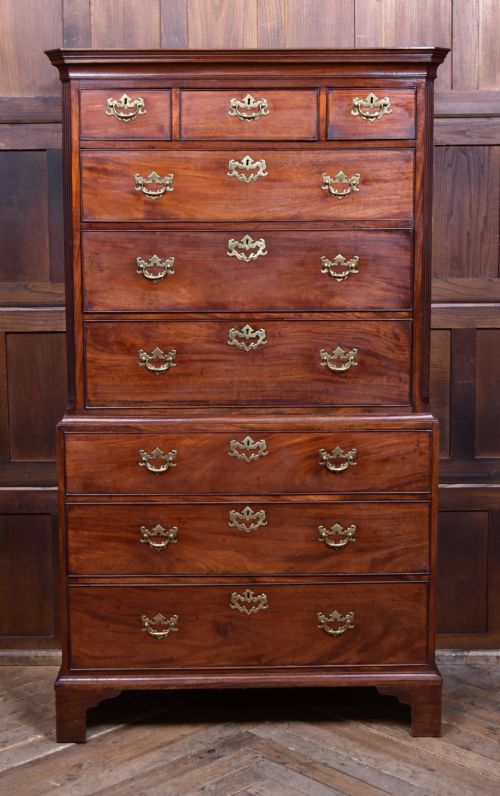
When you handle an antique wood chest, you touch centuries of domestic storage, from Georgian mahogany drawers to campaign camphorwood trunks.
Antique Wood Chest
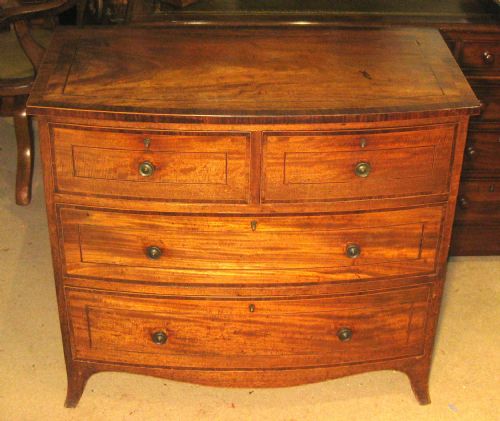
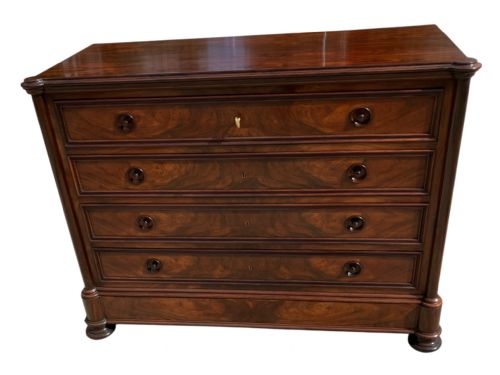
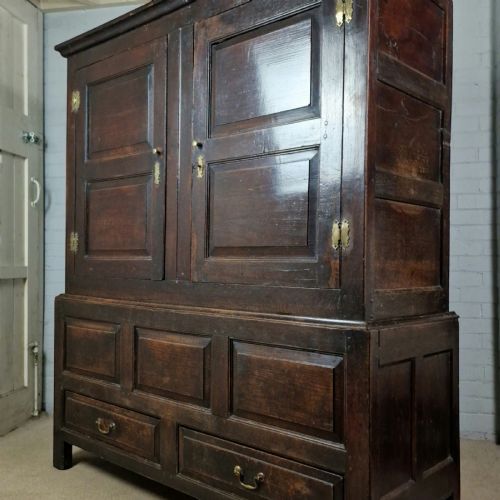
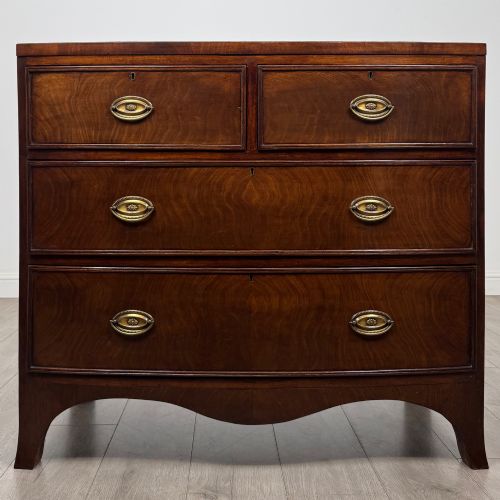
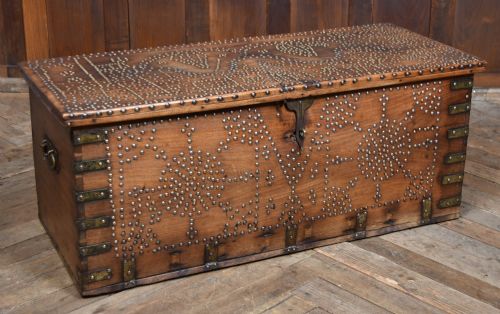
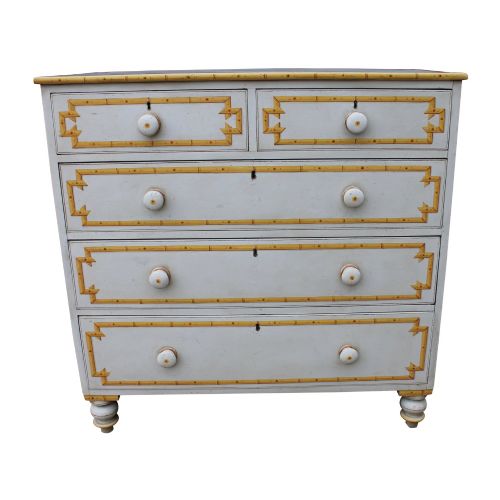
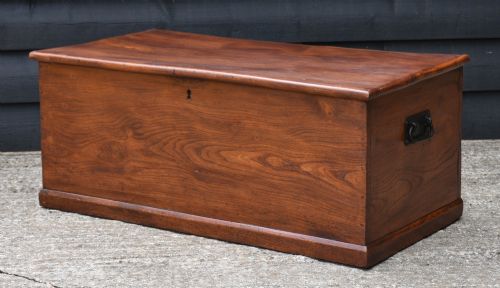
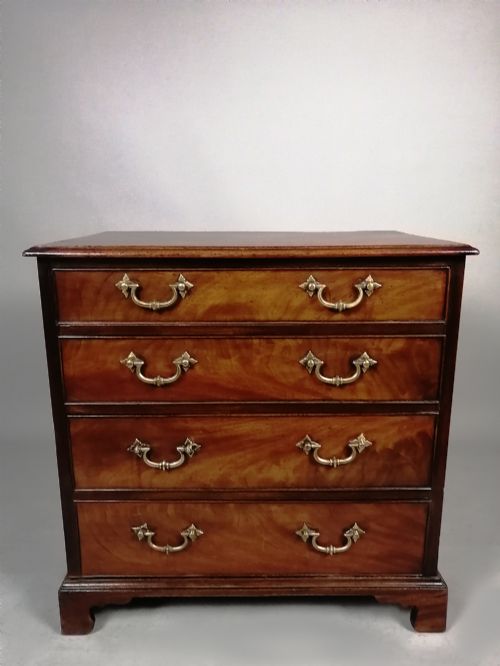
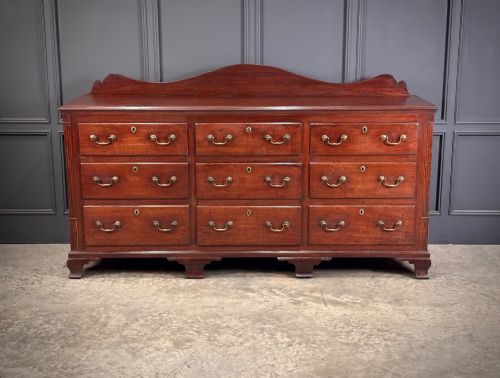
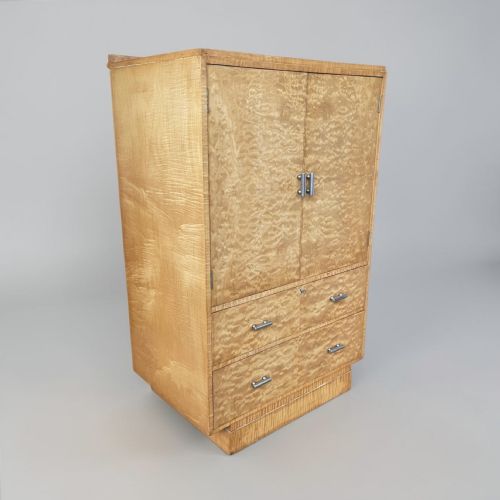
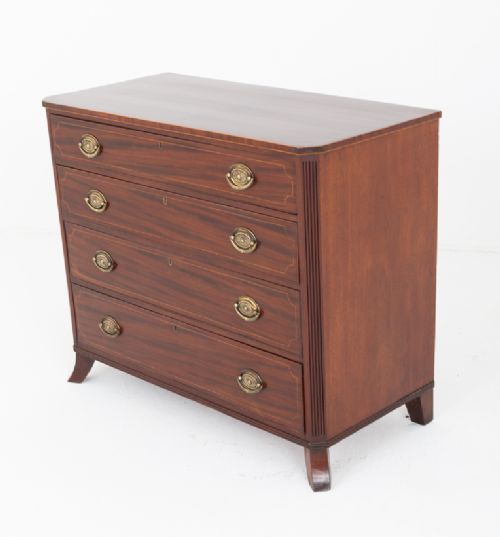
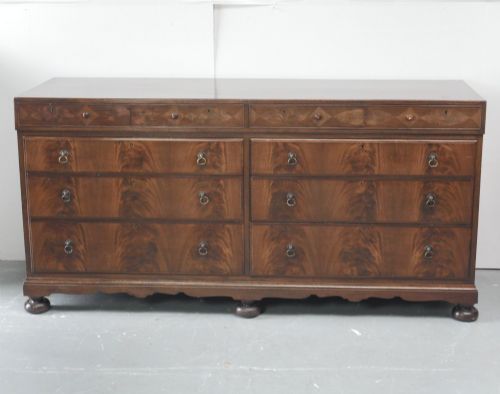
The term antique wood chest covers a diverse range of storage furniture spanning several centuries, including chests of drawers, blanket boxes, coffers, and campaign trunks. Buyers encounter pieces from the Georgian, Regency, and Victorian periods, alongside Edwardian and later examples made from durable timbers.
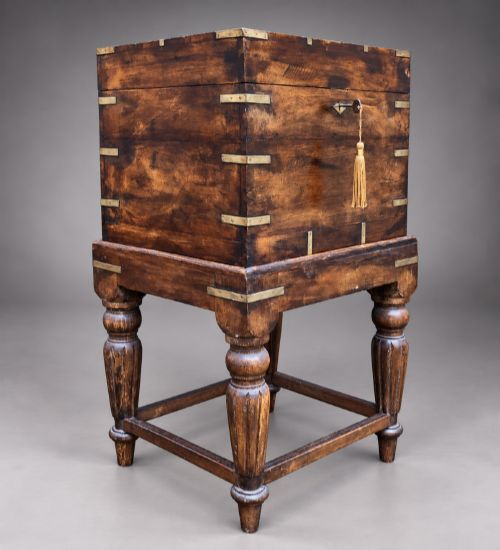
Regional variations and specialised types also appear frequently, such as Scottish chests, Anglo-Indian wine chests, and campaign trunks designed for travel. Each form reflects the specific domestic or logistical needs of its original period.
Materials and construction methods
Cabinet makers utilised primary structural timbers such as oak, mahogany, walnut, and elm, often pairing them with secondary woods for drawer linings and internal framing. Veneers in kingwood, satinwood, and yew were applied to primary surfaces to create decorative grain patterns.
Joinery techniques evolved from boarded and framed construction in earlier coffer styles to sophisticated dovetail joints for drawer construction. Brass handles, corner brackets, and escutcheons reinforced the structure and added functional ornament, particularly on campaign and military pieces.
Camphor wood chests carried the crisp scent of the East, keeping moths at bay while ferrying secrets across the waves.
Distinctions in construction and design
Quality in these storage pieces relies upon the selection of timber, such as figured mahogany or flame walnut, and the precision of the underlying joinery. Superior examples exhibit tight, hand-cut dovetails, original brass hardware, and well-balanced proportions that demonstrate the maker's skill.
The integrity of the surface finish and the retention of original structural elements dictate the standing of a piece within the range. Workshops that employed careful timber matching and refined inlay work produced case pieces that maintain structural stability and visual clarity over centuries.
Whytock and Reid·T and G Seddon·Bruneau
The Antique Wood Chest Glossary
- Chest on chest
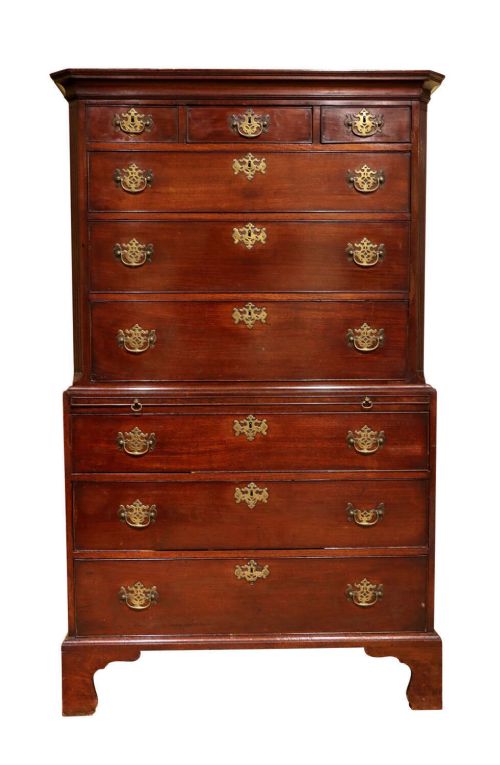
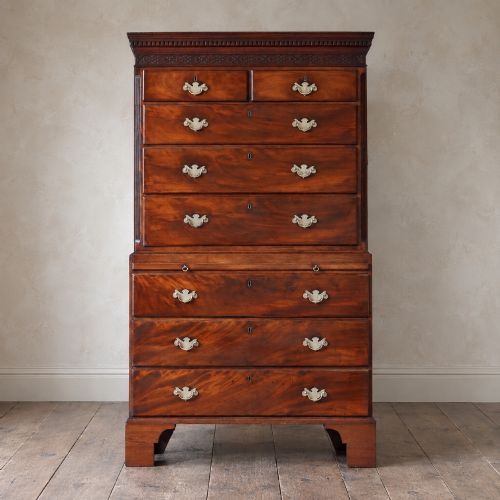
- A tall storage form comprising one chest of drawers stacked directly upon a larger base chest, popular during the eighteenth century. This stacked configuration maximised vertical storage capacity in the bedroom.
- Coffer
- A heavy, solid wood storage box with a hinged lid, often carved or panelled, used primarily for textiles and valuables. It represents one of the earliest forms of domestic furniture.
- Campaign trunk
- A portable storage chest constructed in sections with brass corners and recessed handles for military transport. These pieces utilised durable timbers like camphorwood to withstand overseas travel.
- Banding
- A narrow strip of contrasting veneer inlaid around the perimeter of drawer fronts or tabletops. This technique added decorative linear framing to mahogany and walnut surfaces.
- Brushing slide
- A pull-out shelf integrated into the upper section of a case piece above the drawers. It provided a temporary horizontal surface for grooming or sorting items without opening the main drawers.
Antique Wood Chest: Frequently Asked Questions
What is a blanket box?
A blanket box is a deep storage chest with a hinged top designed for holding linens, blankets, and household textiles.
These pieces were typically constructed from sturdy timbers like oak, elm, or camphorwood to protect contents from pests and dampness.
How do I date an old chest?
Dating relies on examining the timber species, construction joints, handle hardware, and overall stylistic proportions.
Earlier pieces often show hand-sawn board marks and pegged joinery, while later nineteenth-century examples incorporate machine-sawn components and standardised brass fittings.
Where were campaign chests used?
Campaign chests were utilised by British military officers and colonial administrators while on active service abroad.
Their modular design allowed them to separate into distinct sections for easier transport across difficult terrain.
How do I maintain a wood chest?
Maintenance involves placing the piece away from direct heat sources and sudden humidity changes to prevent timber splitting.
Periodic application of suitable furniture wax helps preserve the finish and nourish the grain of the wood.