
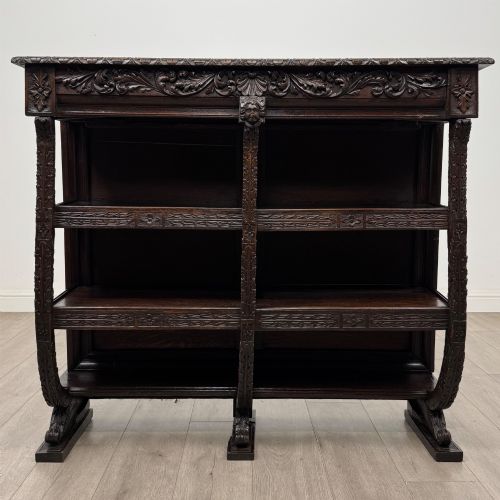
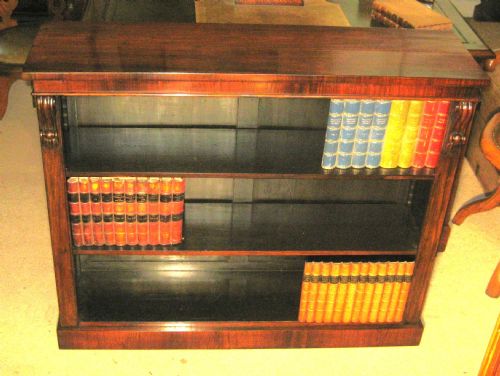
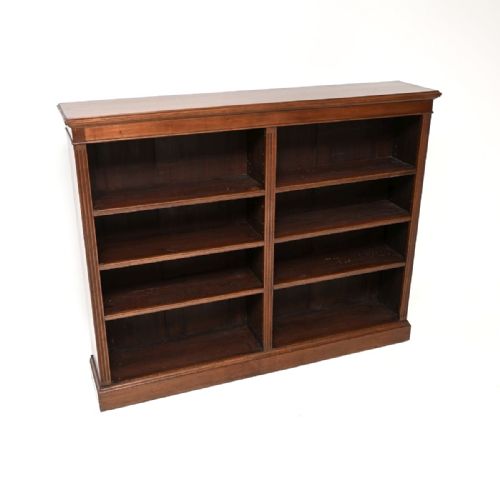
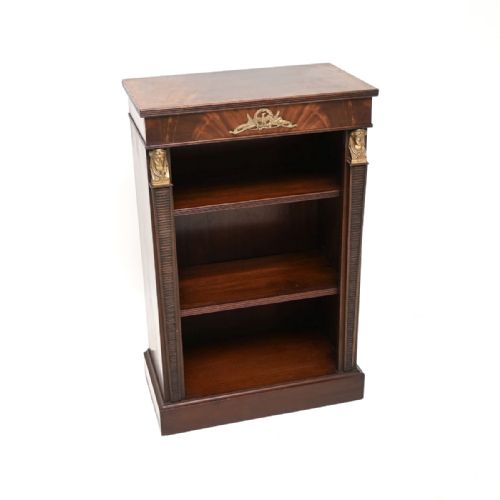
Antique Wood Bookshelves
These antique wood bookshelves bring warmth and structure to a room, offering sturdy open timber storage for a growing library.
Antique Wood Bookshelves
When you search for antique wood bookshelves, you encounter practical furniture designed to hold books and display small objects within domestic spaces. These pieces span distinct historical periods from the Regency era through to the early twentieth century, reflecting shifting domestic habits.
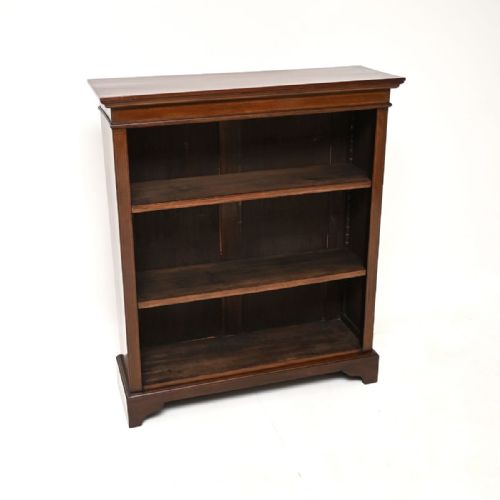
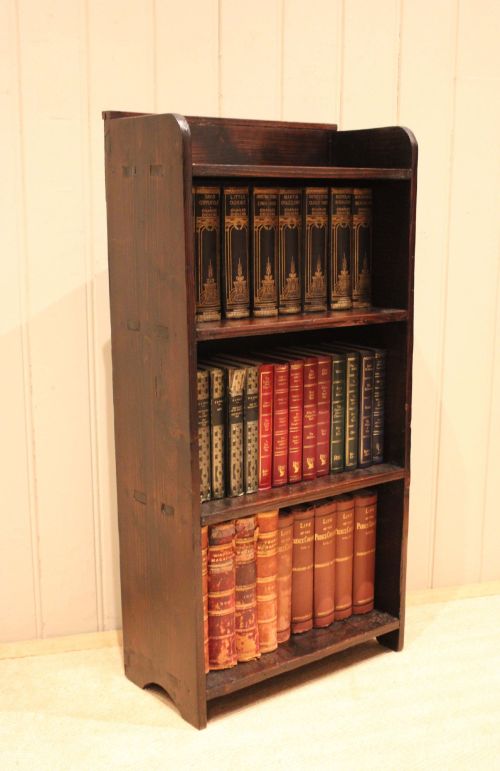
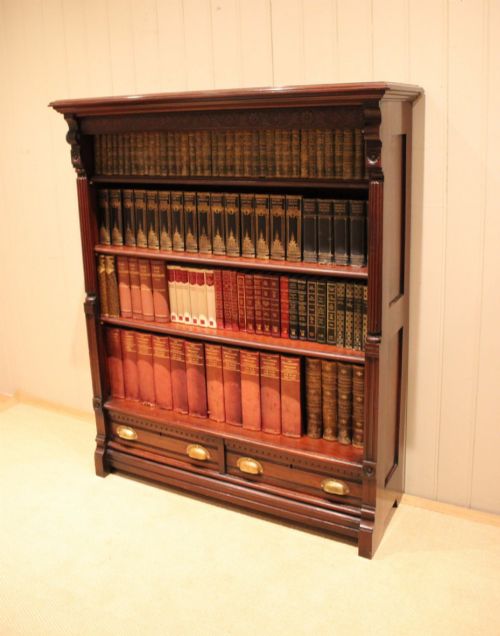
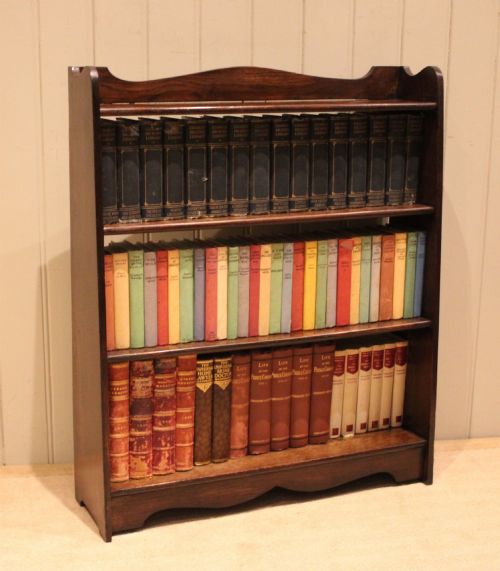
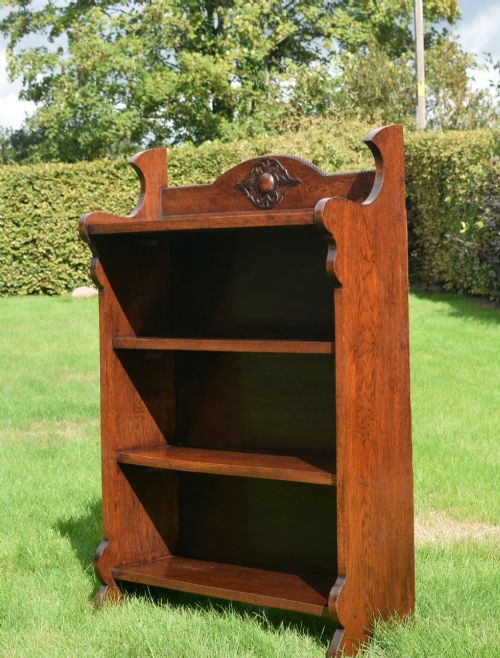
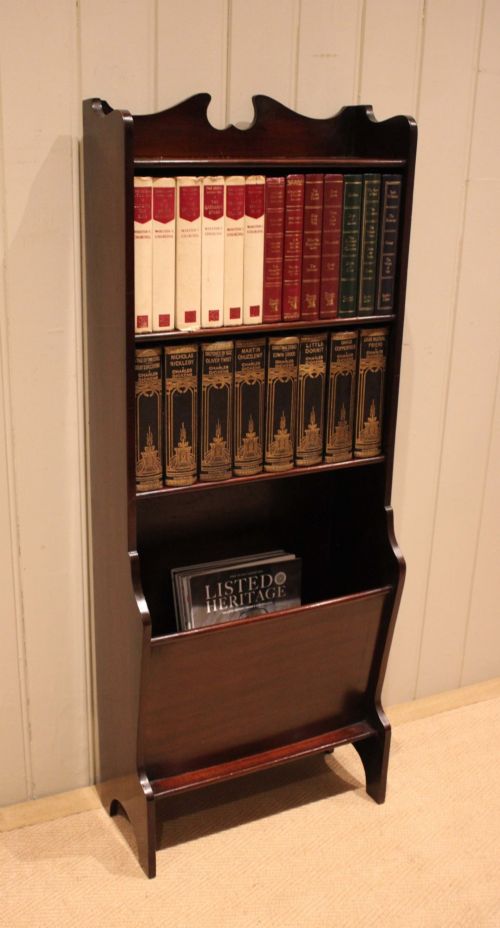
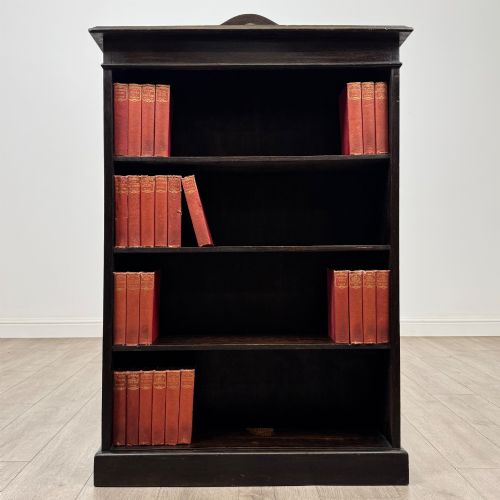
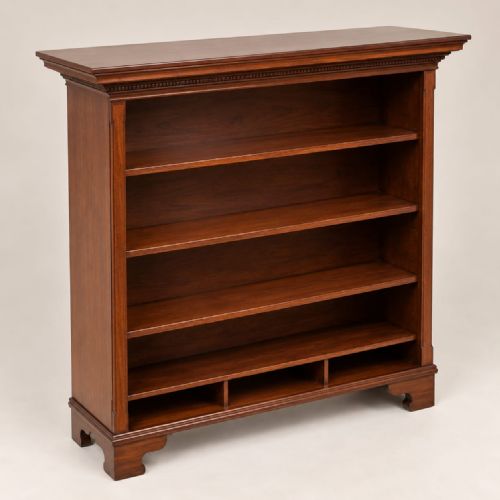
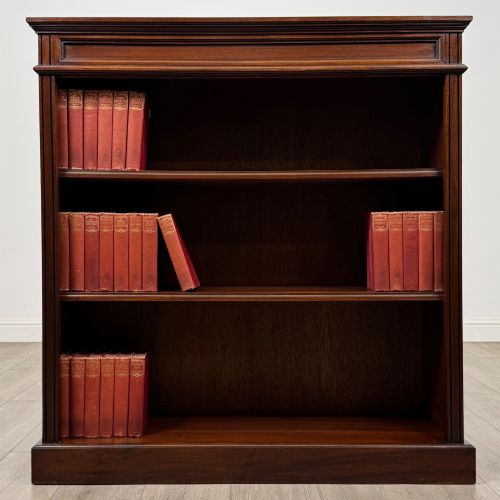
The version most commonly met on this page is the open bookcase, often constructed from mahogany or oak. These range from small rustic items and slim freestanding units to large library bookcases fitted with adjustable shelves.
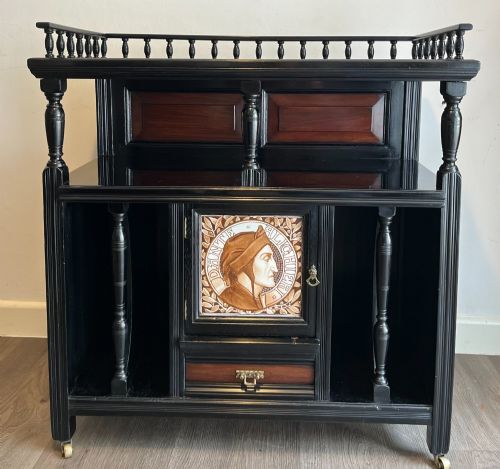
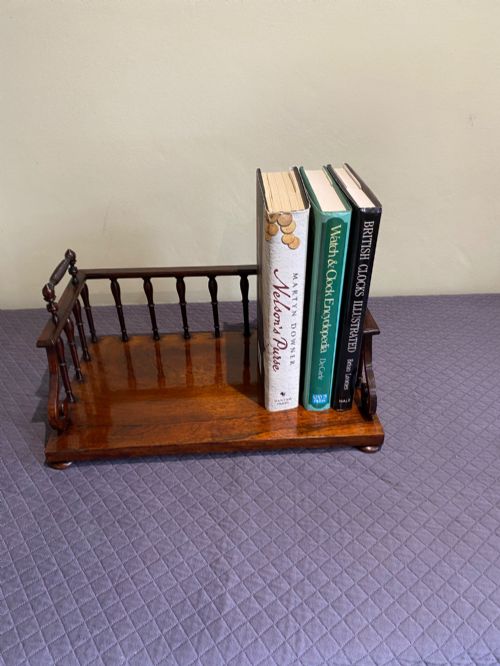
Beyond standard bookcases, the selection includes revolving models, wall shelves, hanging shelves, and dwarf cabinets. Each format provides a specific way to organise volumes while displaying the natural grain of the timber.
How they were made
Cabinetmakers constructed these bookshelves primarily using solid hardwoods and selected veneers, with mahogany, oak, walnut, and rosewood appearing frequently across the pieces. Secondary timbers such as pine often formed internal partitions and carcases.
Joinery techniques focused on durability, utilising traditional joints to support the heavy weight of bound volumes. Details such as adjustable shelf mechanisms, carved ornamentation, inlay work, and brass fittings demonstrate standard workshop practices of the nineteenth and early twentieth centuries.
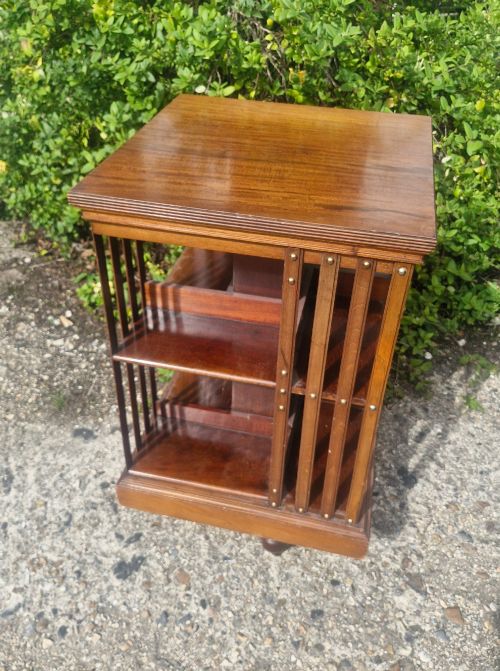
A revolving bookcase lets you spin your entire library with a gentle nudge while sitting in an armchair.
What varies in quality
Quality rests heavily on the selection of timber and the precision of the cabinetmaker's construction. Finer pieces display well-figured mahogany or rosewood grains, crisp carving, and robust structural joinery that prevents sagging under a heavy load of books.
Functional refinements such as smoothly operating adjustable shelving systems, neat inlay work, and intact original brass elements distinguish superior examples from standard utility furniture.
Gillows
The Antique Wood Bookshelves Glossary
- Open bookcase
- A piece of furniture designed for storing books without doors enclosing the front. This format allows immediate access to volumes.
- Waterfall bookcase
- A tiered set of open shelves where each successive shelf is set back from the one below it. This stepped arrangement creates a cascading profile.
- Revolving bookcase
- A compact shelving unit mounted on a rotating base. It allows books to be accessed easily from multiple angles in a confined space.
- Dwarf bookcase
- A low-standing piece of furniture intended to sit below window height. These items often feature adjustable internal shelving.
- Inlay
- A decorative technique where contrasting woods or materials are inserted into recessed cavities on the surface. This adds visual pattern to the timber.
Antique Wood Bookshelves: Frequently Asked Questions
How do I choose the right size?
Measure your available wall space and consider the height of your volumes before selecting a piece. Taller library units suit larger rooms, while slim or dwarf bookcases fit restricted spaces.
Check whether the shelves are adjustable so you can accommodate books of varying heights without awkward gaps.
Are these shelves suitable for heavy books?
Many of these pieces were built for substantial libraries using dense hardwoods like oak and mahogany. Solid construction and sturdy shelf supports allow them to hold heavy volumes securely.
Inspect the shelf boards and supports to ensure they remain flat and stable under weight.
How do I tell a Victorian bookcase from an Edwardian one?
Victorian pieces often feature darker timbers, heavier proportions, and more pronounced carved details. Edwardian examples tend to show lighter oak or mahogany construction with simpler lines.
Examine the overall weight, timber finish, and decorative motifs to determine the likely period of manufacture.
Can I adjust the shelf heights?
Several pieces include adjustable shelving systems using traditional wooden bearers or metal tracks. This allows you to customise the internal layout for different book sizes.
Look closely at the interior sides of the bookcase to identify shelf support mechanisms.