

Antique White Figurine
An antique white figurine brings sculptural presence to a room, ranging from porcelain pairs to marble figures across Georgian and Victorian periods.
Antique White Figurine
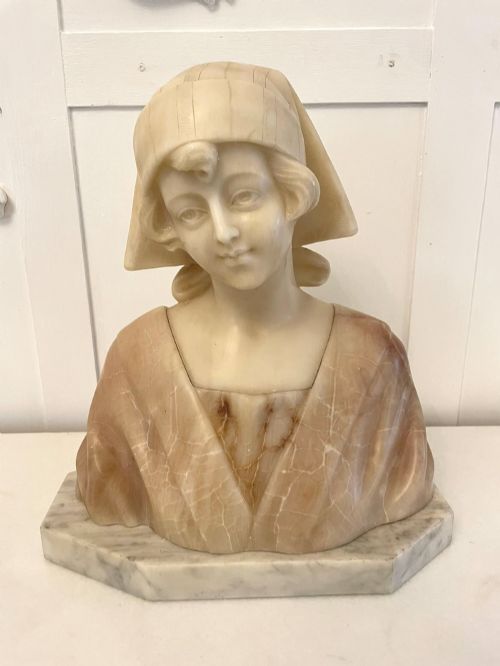
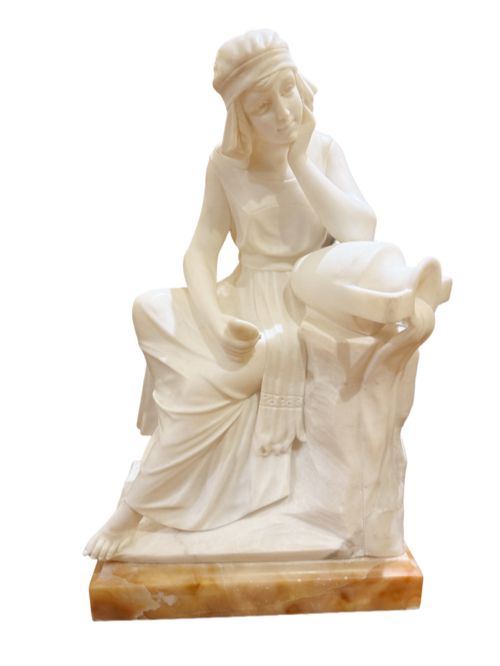
When you search for an antique white figurine, you encounter sculptural ceramics, hard-paste porcelain, earthenware, and carved marble. These pieces span the 18th century, the Georgian era, the Victorian period, and the Edwardian years.
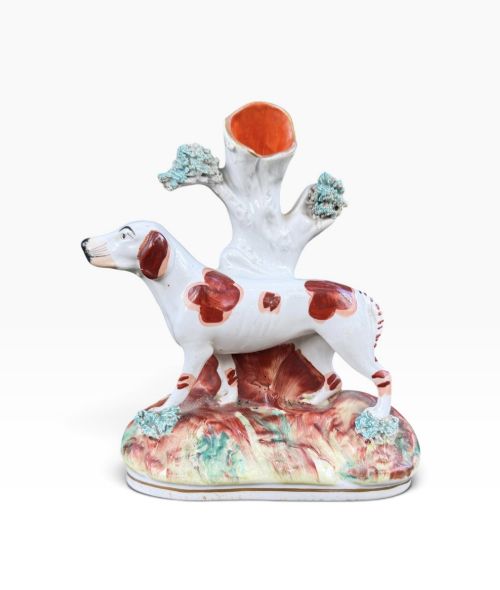
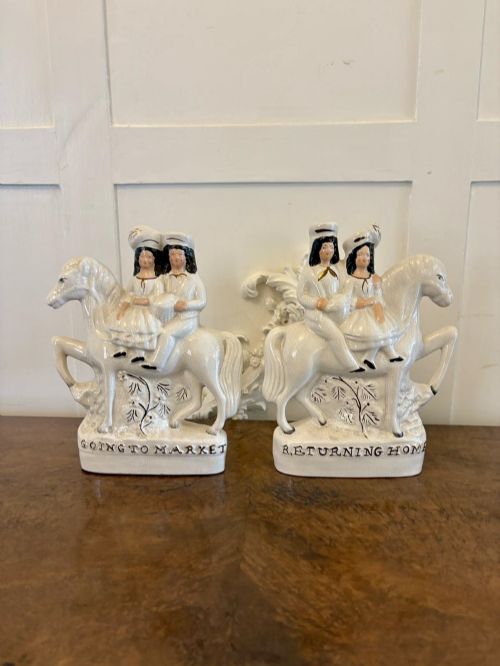
The most common examples on this page are Staffordshire pottery figures and pairs of porcelain animals or human forms. Makers and factories across England, Germany, France, and Italy produced these sculptural works for domestic display.
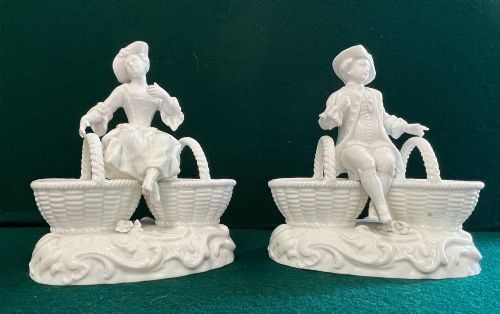
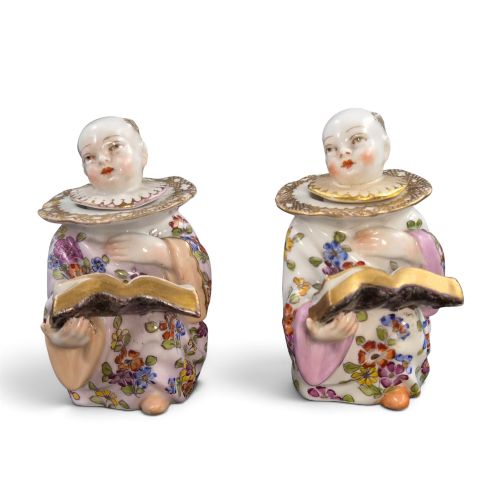
Forms include spill vases, figural inkwells, portrait figures, and allegorical groups modelled after classical and contemporary subjects. Their white or pale glaze surfaces define their shared visual identity on the marketplace.
How they were made
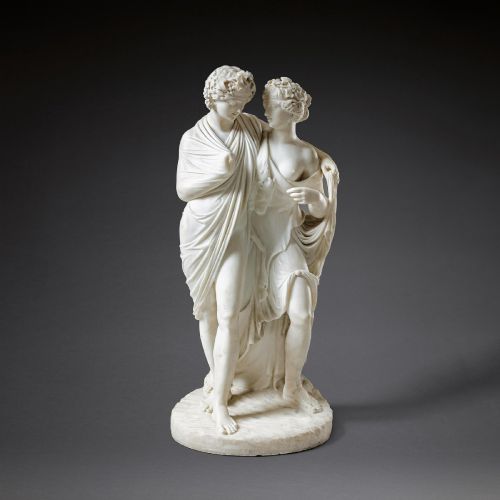
Potters and sculptors utilised earthenware, hard-paste porcelain, biscuit porcelain, parian, and marble to shape these objects. Figures were cast in moulds or hand-carved, then fired in kilns before receiving enamel, glaze, or gilt highlights.
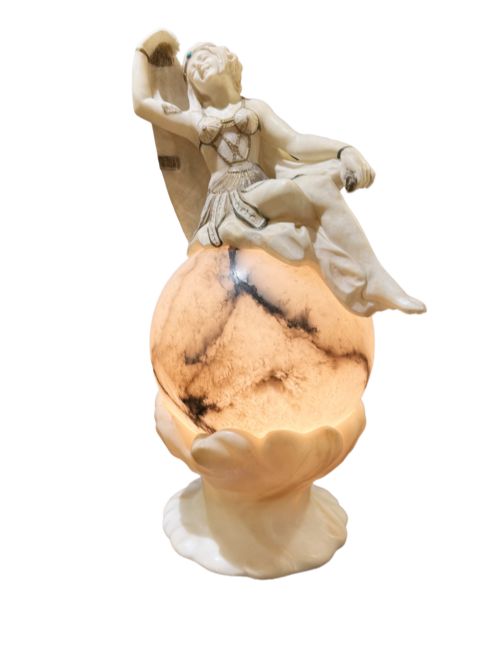
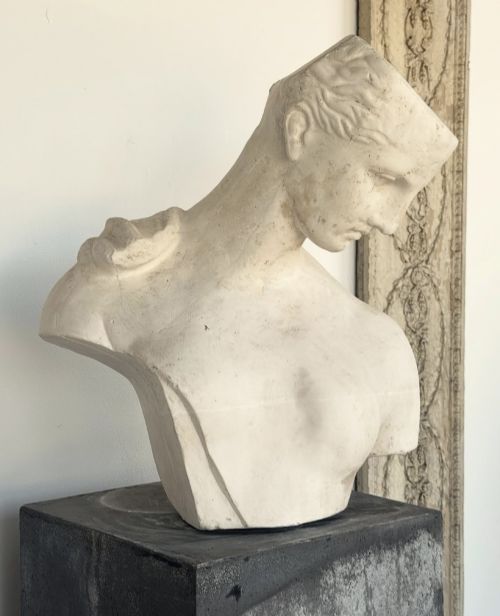
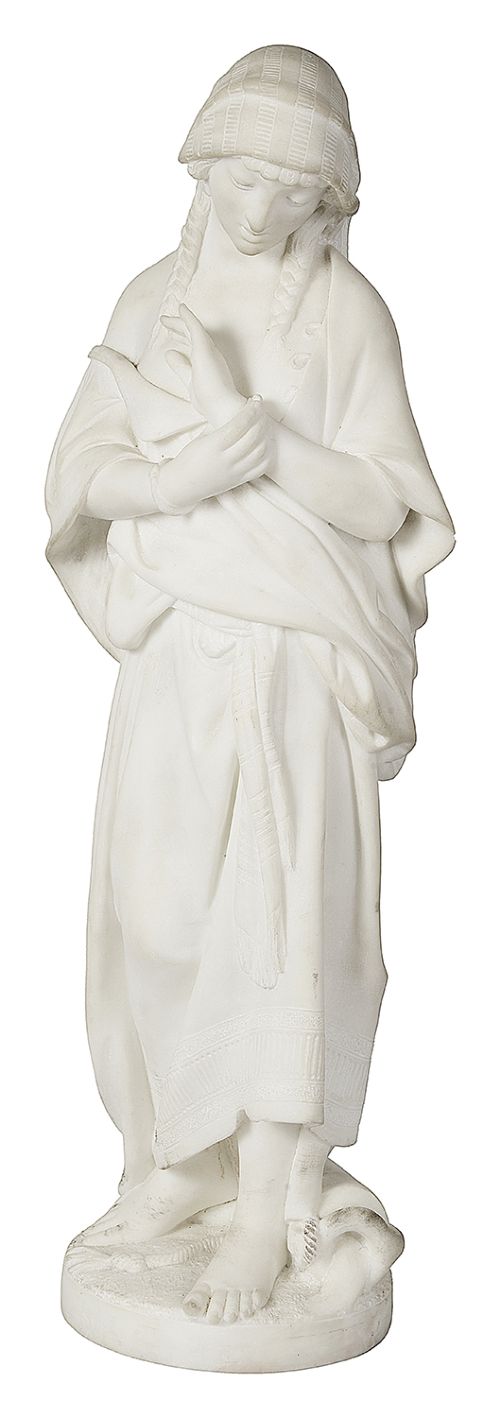
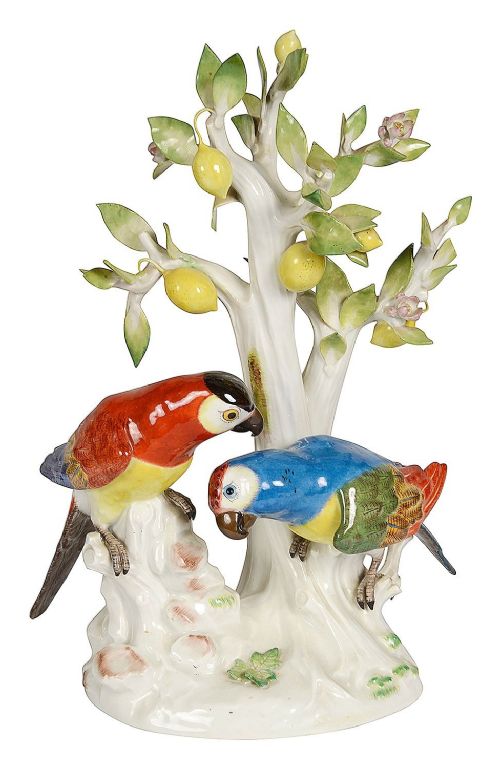
Factories such as Meissen, Derby, Bow, and various Staffordshire potteries employed slip-casting and modelling techniques. Marble and alabaster busts and groups required skilled masonry and polishing by hand after the antique.
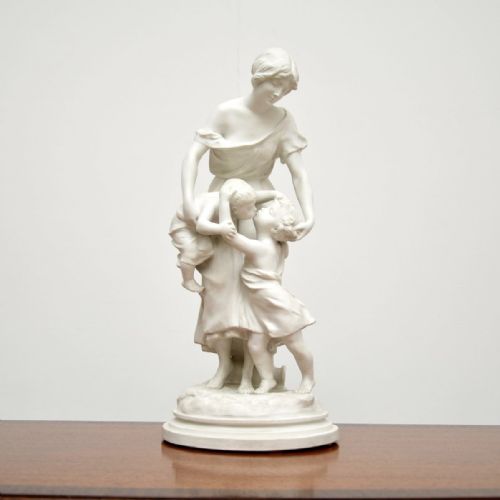
Surface treatments included cold-painted finishes on bronze, gold leaf application, and biscuit porcelain left unglazed to emphasise the matte texture of the material.
Listings feature porcelain, earthenware, and marble forms spanning the 18th century through the Edwardian era.
What varies in quality
The nuance of the modelling and the crispness of the detail distinguish finer pieces from standard production. Sculptural depth in drapery, facial expression, and anatomical accuracy separates works by named modellers or established factories from vernacular pottery.
Material choice dictates the baseline of refinement, moving from utilitarian earthenware to translucent hard-paste porcelain or carved marble. Preserved original surfaces, such as untouched glaze or unblemished biscuit porcelain, elevate the standing of a piece.
Carlo Albacini·Edmé Samson·Volkstedt Rudolstadt Factory·Auguste Henri Carli·James Hadley
The Antique White Figurine Glossary
- Biscuit porcelain
- Unglazed porcelain fired once to produce a matte, marble-like surface texture. This finish became popular for neoclassical figures and allegorical groups.
- Parian
- A fine white hard-paste porcelain resembling marble, developed in the 19th century for portrait busts and classical studies. It took its name from Paros marble.
- Flatback
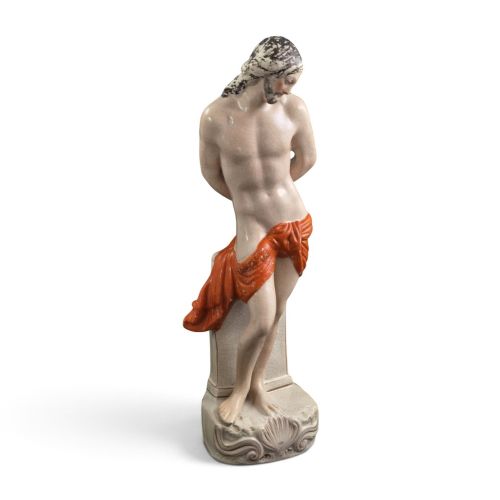
- A Staffordshire pottery figure moulded with a finished front and a flat, unpainted reverse intended for display against a wall on a mantelpiece.
- Spill vest
- A hollow ceramic vase or figure incorporating a cylindrical holder designed to store wooden spill matches for lighting fires or candles.
- Hard-paste porcelain
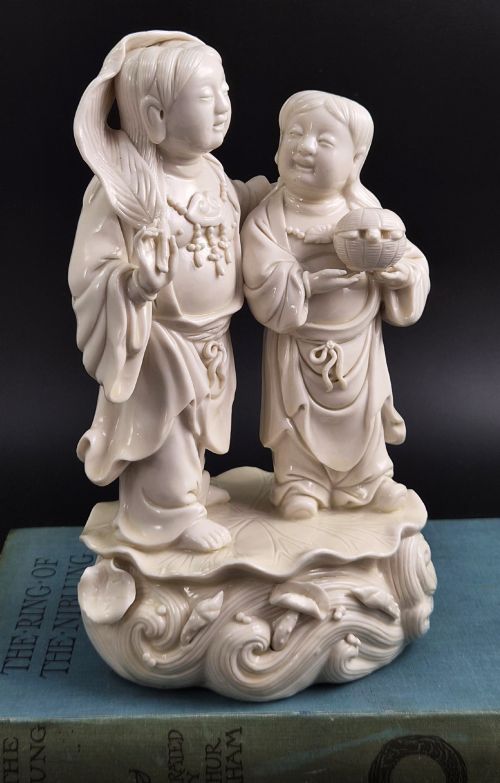
- A durable ceramic composition fired at very high temperatures using kaolin and petuntse. It yields a bright white body that resists scratching and acid.
Antique White Figurine: Frequently Asked Questions
What is the difference between earthenware and porcelain?
Earthenware is a porous, opaque pottery fired at lower temperatures, commonly seen in Staffordshire portrait figures and animals. It is thicker and heavier in the hand.
Porcelain is vitrified, denser, and often translucent, fired at high temperatures. Hard-paste porcelain and parian represent this more refined group.
Why are some Staffordshire dogs sold in pairs?
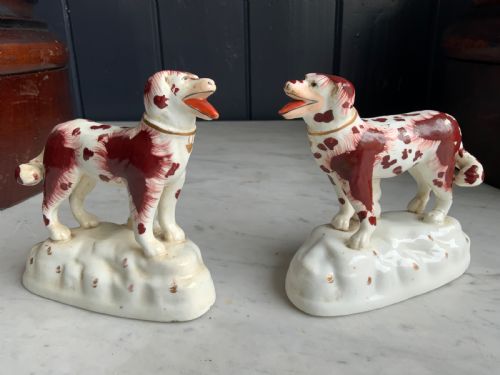
Staffordshire pottery spaniels and poodles were modelled as mirror-image pairs to sit at either end of a Victorian fireplace mantel. Facing inwards toward each other, they anchored the symmetrical display style of the period.
Single dogs do occur, but matched pairs represent the complete intended arrangement.
How can I tell a Georgian figure from a Victorian one?
Georgian figures, such as those from Derby or Bow, often feature rococo scroll bases, softer enamels, and lightweight porcelain bodies modelled on classical allegories. They date from the 18th century.
Victorian pieces lean toward earthenware bodies, portrait subjects from the 19th century, flatback construction, and more robust domestic scenes.