

Antique Two Over Two
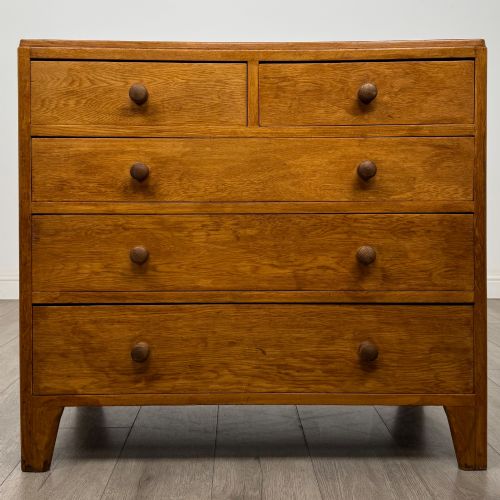
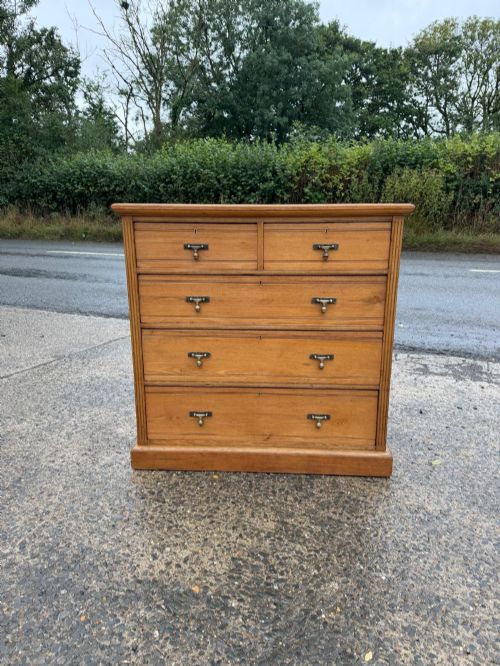
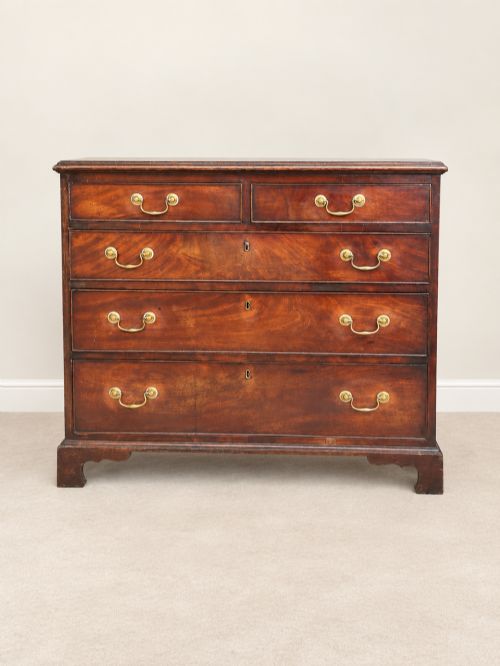
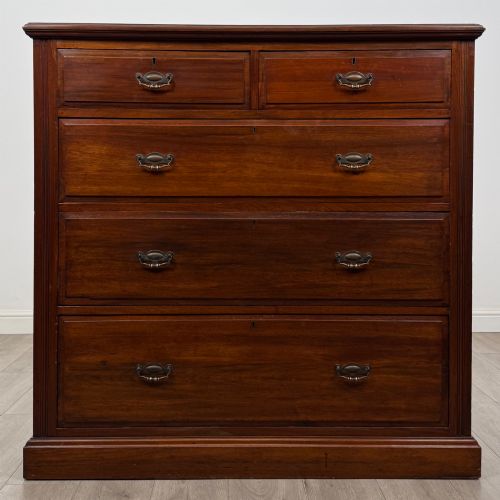
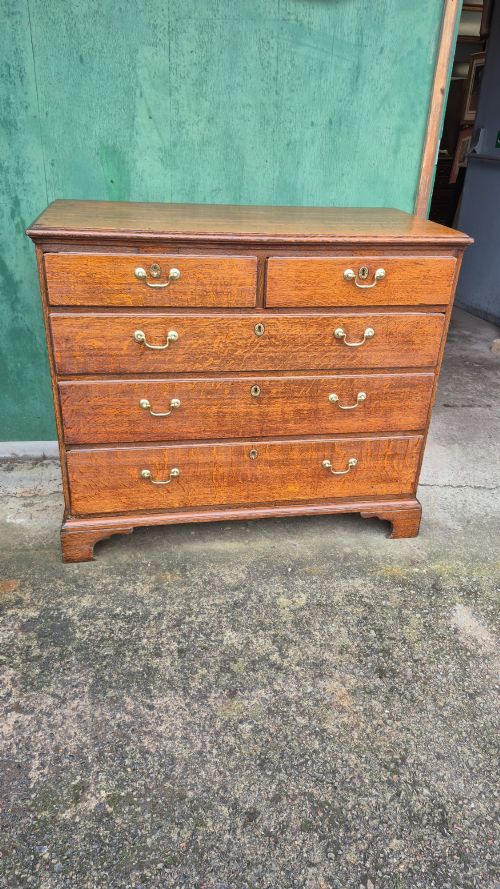
When searching for an antique two over two, you are looking at practical case furniture designed with two smaller drawers above two larger ones.
Antique Two Over Two
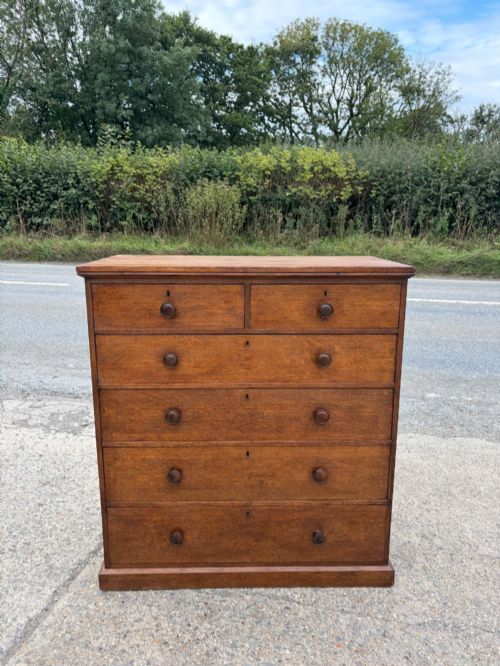
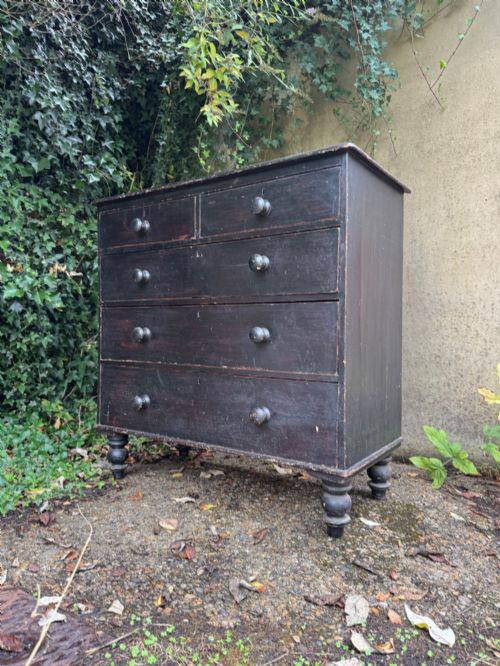
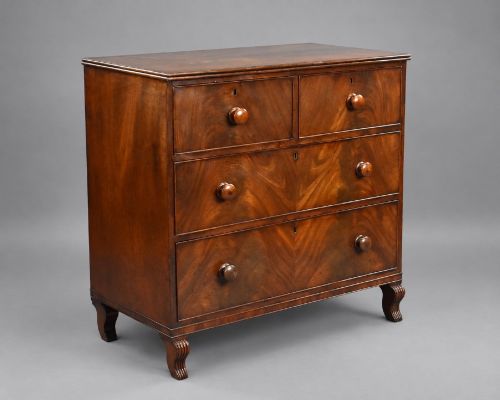
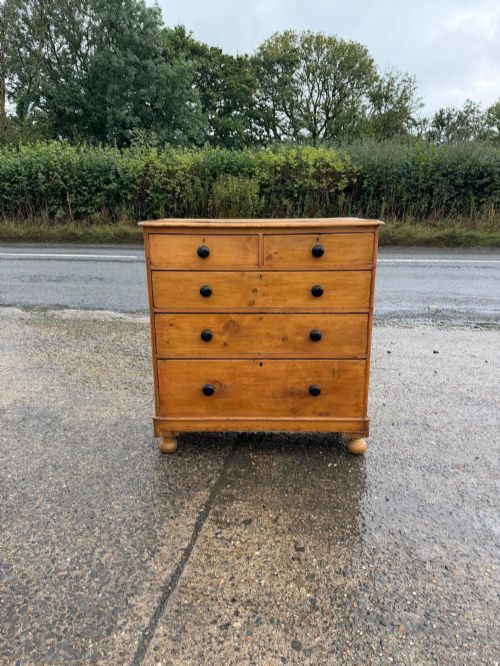
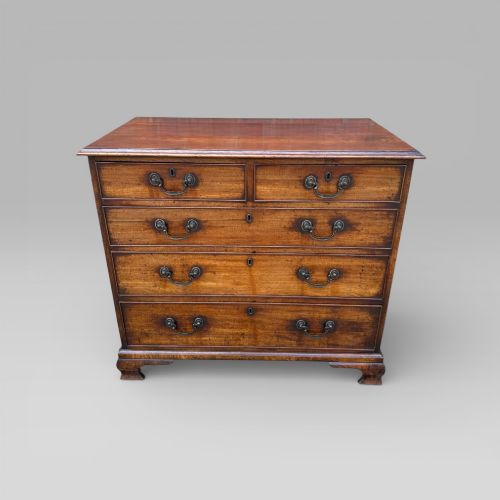
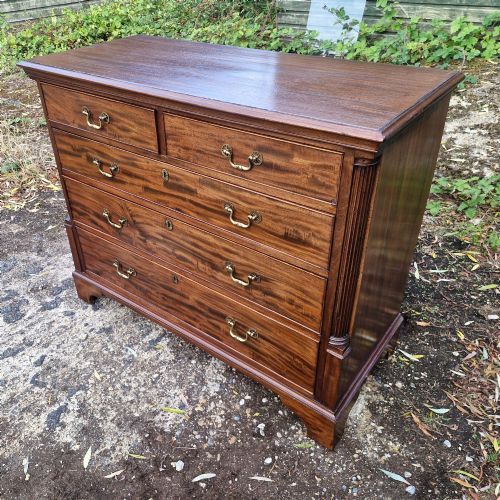
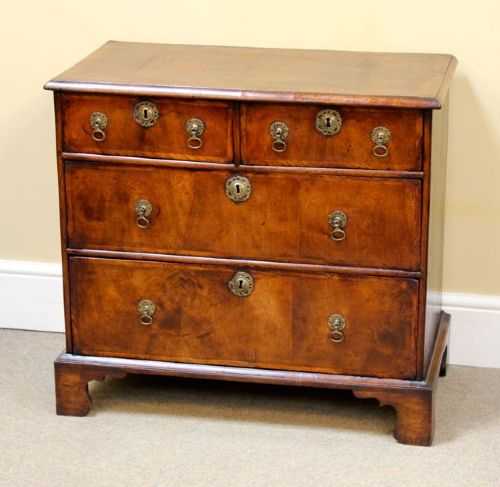
The phrase antique two over two refers to chests of drawers featuring a specific arrangement of two small drawers placed horizontally above two larger full-width drawers below. These pieces primarily date from the Georgian, Victorian, and Edwardian periods, constructed to provide domestic bedroom storage.
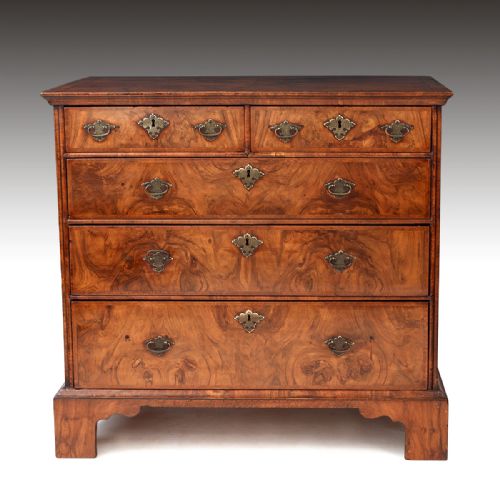
The form appears predominantly in mahogany, oak, and pine, reflecting the domestic utility of 18th, 19th, and early 20th century households. Walnut and flame mahogany veneer examples also occur, often displaying finer details suited to formal rooms rather than utilitarian spaces.
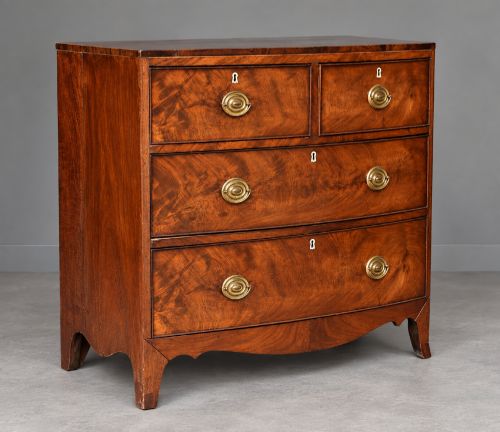
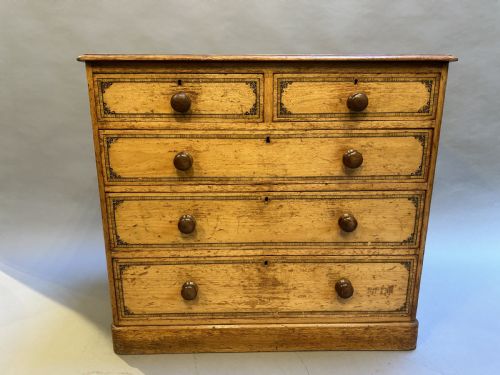
Buyers will encounter variations ranging from simple stencilled or scrubbed pine country pieces to finely proportioned bowfront chests in polished mahogany. Brass pulls, bun handles, and occasional crossbanding complete the characteristic appearance of these drawer configurations.
How they were made
Makers utilised solid timbers such as oak, mahogany, and pine for the primary carcase and structural framing, joined using traditional methods appropriate to the period. Drawer interiors typically feature secondary woods with hand-cut joints.
Surface finishes relied on timber selection, ranging from plain scrubbed pine to highly figured flame mahogany veneers. Cabinetmakers applied crossbanding in contrasting woods to frame drawer fronts, complemented by cast brass handles or turned wooden knobs.
Listings span from the late 17th century through the Georgian and Victorian eras, utilising mahogany, oak, pine, walnut, and brass.
What varies in quality
The choice of timber and veneer dictates the visual grade of the piece, moving from utilitarian pine used in country settings to carefully selected flame mahogany and walnut chosen for formal parlours. Figured grain patterns and balanced crossbanding indicate greater initial cost and workshop skill.
Proportion and scale separate standard storage items from finer examples, particularly where bowfronts or smaller overall dimensions require precise carpentry. The handling of secondary timbers inside the drawers and the integration of brass hardware reflect the standard of the cabinetmaker's workshop.
J Moorcroft·Heal & Son·Howard and Sons
The Antique Two Over Two Glossary
- Bowfront
- A curved cabinet front that swells outward in the centre, common in Regency and Victorian case furniture.
- Crossbanding
- A decorative border of veneer laid around the edges of a drawer front with the grain running perpendicular to the central panel.
- Flame mahogany
- A veneer cut from the fork of the mahogany tree, producing a distinctive wavy, flame-like pattern.
- Bun handle
- A rounded, protruding turned wooden knob used for pulling open drawers on country and period furniture.
- Pitch pine
- A resinous softwood utilised extensively during the Victorian era for domestic furniture and storage.
Antique Two Over Two: Frequently Asked Questions
What is a two over two chest?
It is a traditional chest of drawers featuring two smaller top drawers placed side by side above two wider full-width drawers.
This specific layout provided organised storage for smaller garments above deeper compartments for larger clothing items.
Which woods were used?
Makers constructed these pieces using mahogany, oak, walnut, and pine depending on the period and intended use.
Formal rooms typically received polished mahogany or walnut veneers, while bedrooms and utilitarian spaces utilised sturdy pine or oak.
How do I date the chest?
Dating relies on examining the timber species, construction joints, handle styles, and overall proportions of the piece.
Georgian examples often show fine mahogany and bracket feet, whereas Victorian pieces utilise heavier pine or distinctively turned bun handles.
Where should I place it?
These chests function well in bedrooms, hallways, or living spaces as functional storage units with a strong historical presence.
Their balanced proportions allow them to fit against walls without dominating smaller rooms.