





Antique Trade Display
An antique trade display brings commercial heritage indoors, offering bold painted signage and figures that once drew custom to Victorian and twentieth-century shops.
Antique Trade Display
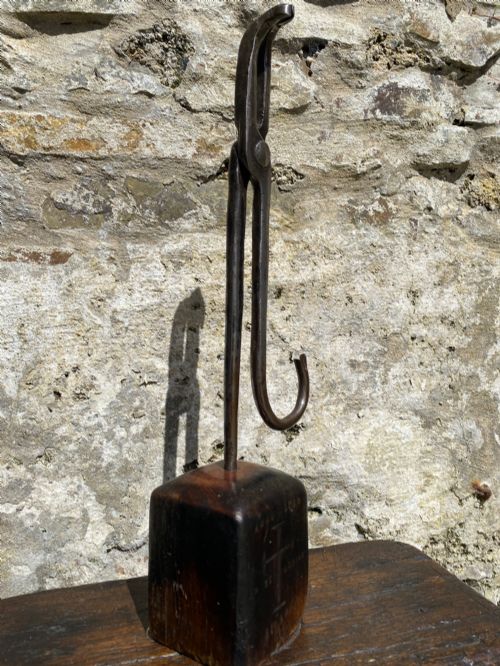
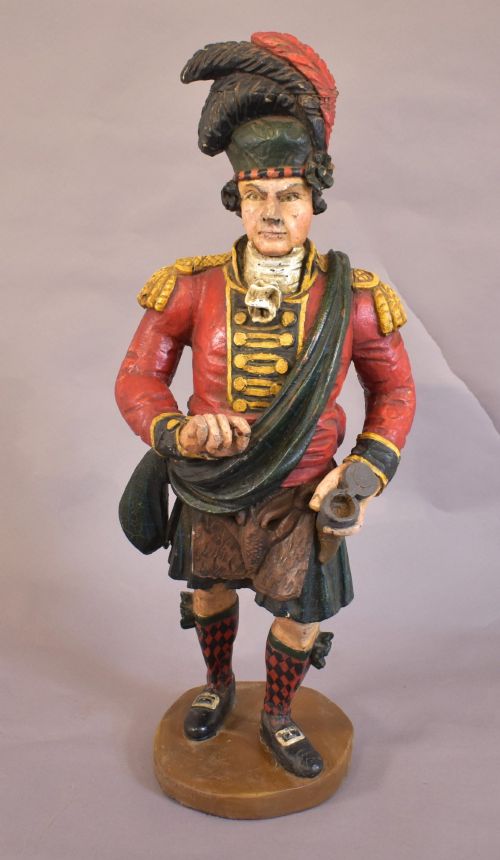
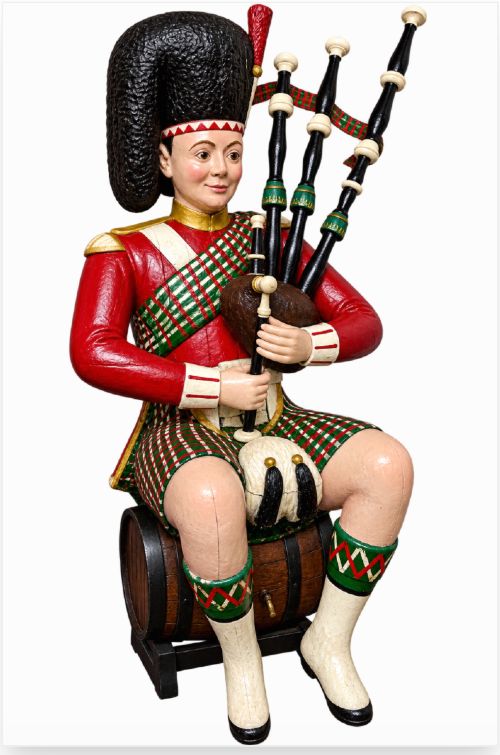
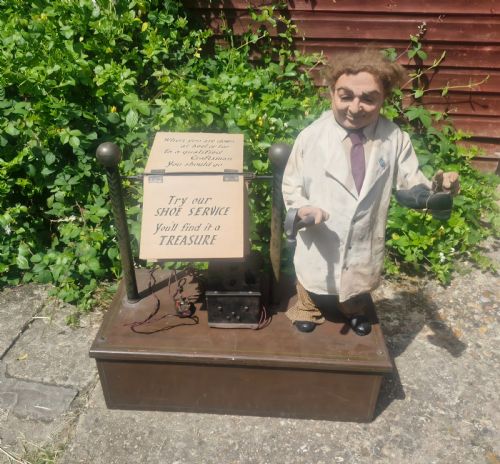
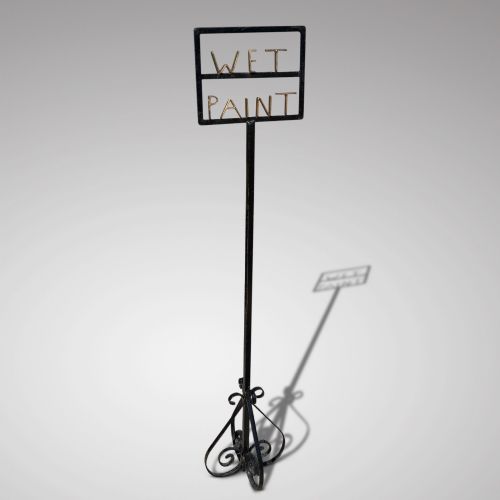
When you search for an antique trade display, you encounter a varied group of objects originally built for commerce, ranging from painted wooden shop signs and iron butcher window figures to haberdashery cases and glass advertisements. These survivals bridge the gap between practical retail history and folk art, carrying the literal names and services of past trades into domestic interiors.
The pieces appearing on this page stretch from the eighteenth century through the Victorian era and into the mid-twentieth century, with strong representation from early twentieth-century commercial items and Victorian industrial pieces. You will frequently find standing signs, wall art displays, shop display models, and medical or hardware sample boards.
Origins span English, French, and American workshops, encompassing everything from carved solid wood roosters and tobacco figures to precision beam scales and clock face displays. Each object served a distinct commercial purpose before finding a second life as a decorative focal point.
Materials and construction methods
Makers utilised durable materials suited to heavy commercial environments, relying heavily on solid wood, painted iron, cast iron, brass, and glass framed in timber. Paint was applied directly to wood, metal, or glass surfaces to create high-visibility lettering and pictorial advertisements that could withstand street or shop conditions.
Carpentry and metalworking techniques define the structural core of these items, seen in carved wooden figures, wrought iron brackets, and meticulously assembled hardware sample boards. Composition materials and painted finishes also appear on figures and clock faces designed to catch the eye of the passing public.
Antique Trade Display Retail Price Guide 2026
Typical asking prices for trade display among the pieces listed under this phrase on Sellingantiques today, from the lower quarter to the upper quarter. They describe what is for sale here now, not the wider market.
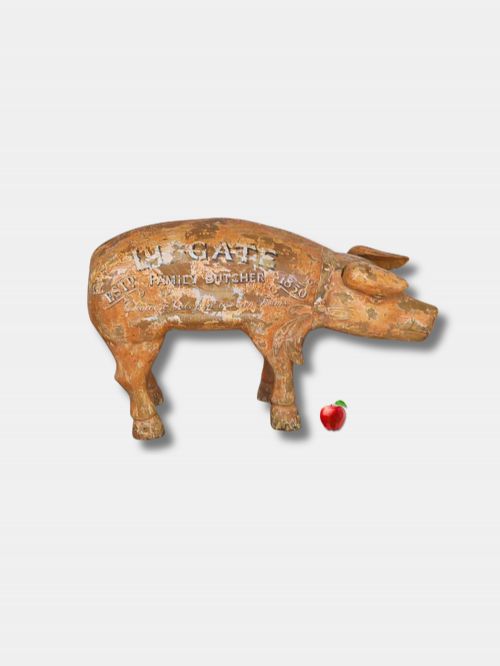
A sixteenth kilogram painted iron butcher's window pig from eighteen ninety stands ready to tempt hungry Victorian shoppers.
Factors of quality and execution
The standard of a trade display rests on the crispness of its hand-painted lettering, the skill of the carver in sculptural figures, and the survival of original pigmented surfaces. Pieces retaining their authentic painted finishes and unpainted structural integrity command greater interest than those subjected to modern overpainting.
Proportion and presence separate standard utility items from exceptional works of commercial folk art. The balance between functional commercial design and expressive sculptural form determines whether a sign or display model holds enduring visual weight.
Gerwin and Co Birmingham·Josef Herzog·De Grave Short and Co
The Antique Trade Display Glossary
- Trade sign
- A board or sculptural object hung outside or inside a shop to advertise goods or services. These items often feature bold painted lettering or symbolic representations of the trade.
- Salesman sample
- A smaller version of a product or a board displaying hardware samples, used by commercial travellers to demonstrate wares to prospective shopkeepers.
- Shop display model
- A three-dimensional representation of food, animals, or goods utilised in retail windows to attract customers. These figures were frequently carved from wood or cast in metal.
- Haberdashery case
- A specialised glass and wood cabinet or display unit designed to organise and present small sewing notions and textiles. They often bear maker names or brand typography.
- Folk art
- Utilitarian and decorative objects created by self-taught or non-professional makers, heavily represented in trade figures and rustic shop displays. This term describes items shaped by regional tradition rather than academic design.
Antique Trade Display: Frequently Asked Questions
What is an antique trade display?
An antique trade display is a surviving object created for commercial retail environments, such as a painted shop sign, a window figure, or a hardware sample board. These items were originally used to advertise businesses or display goods to the public.
Today, they function as decorative art objects that preserve the visual history of past trades, streets, and shops.
Where were these pieces used?
These items were utilised primarily inside or outside nineteenth and early twentieth-century shops, butchers, shoe stores, and chemist establishments. They hung on exterior walls, sat on counters, or filled shop windows to catch the attention of passersby.
Many were also carried on the road by commercial travellers to demonstrate factory wares to retailers.
How do I date a trade display?
Dating relies on material composition, typographic style, fastening methods, and documented maker names or addresses. Victorian and Edwardian pieces often display distinct lettering styles, hand-mixed paints, and heavy iron or timber construction.
Comparing the object's specific trade context with documented commercial history helps narrow its era of manufacture.
How should I display one at home?
These pieces suit interior settings where their strong graphic forms and painted surfaces can act as focal points. Large signs mount securely to walls, while figures and sample boards sit well on shelves, sideboards, or dedicated stands.
Stable indoor conditions away from direct sunlight protect the original painted finishes and delicate wooden structures.