

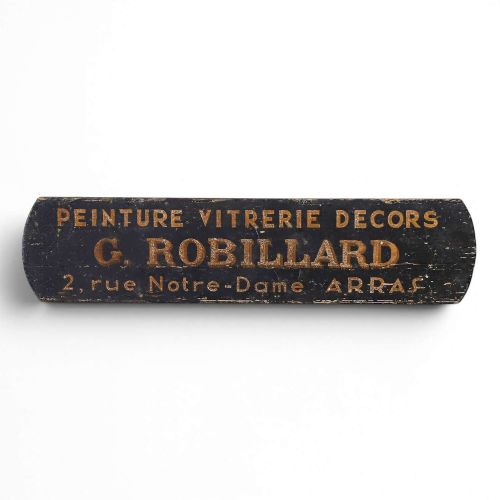
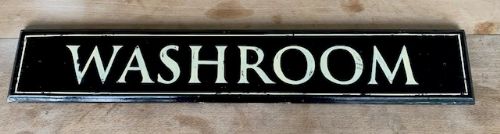


Antique Timber Sign
An antique timber sign brings the honest craft of historical commerce directly into a modern interior.
Antique Timber Sign
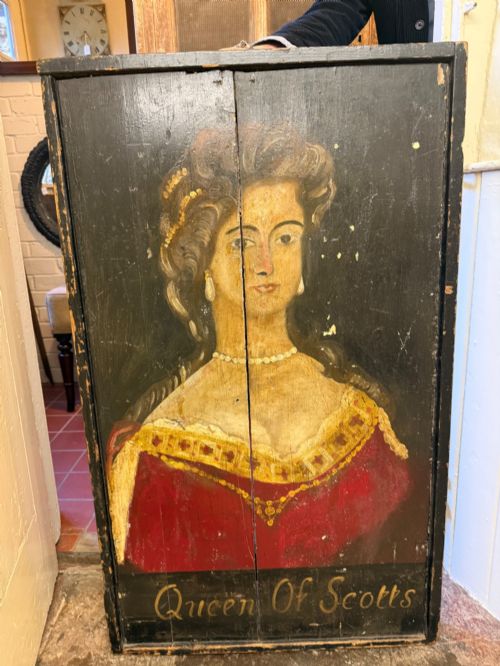
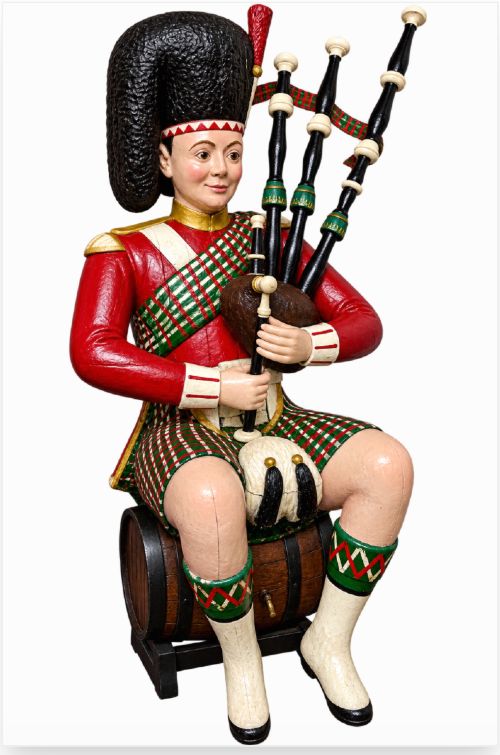
When you search for an antique timber sign, you encounter heavy wooden boards, carved figures, and glass panels once used to advertise trades or direct the public. These pieces span from the eighteenth century through to the interwar decades, taking forms that range from flat painted boards to carved commercial trade figures.
You are most likely to meet nineteenth-century and early twentieth-century examples on this page, including painted washroom boards, directional markers, and pictorial shop signs. Many retain their original framing and weathered surfaces, reflecting decades of exposure to the elements.
The selection also includes sculptural figures and painted panels originating from varied European and British workshops. Each object carries the specific marks of its working life, whether intended for a retail shop, a masonic hall, or a municipal street.
Materials and construction
Makers built these pieces primarily from solid timber and oak, shaping planks to withstand daily use in bustling streets. Surfaces were frequently layered with polychrome paint, oil colours, and gold leaf to ensure legibility from a distance.
Lettering and imagery were applied by hand using durable pigments, sometimes combined with glass reflectors or framed within sturdy wooden surrounds. The techniques prioritise visibility and resilience, utilising traditional carpentry joints and hand-carved detailing.
Antique Timber Sign Retail Price Guide 2026
Typical asking prices for timber sign among the pieces listed under this phrase on Sellingantiques today, from the lower quarter to the upper quarter. They describe what is for sale here now, not the wider market.
Some directional signs include glass reflectors designed to catch the hesitant glow of early motorcar headlamps on foggy country lanes.
Judging quality and character
The distinction between ordinary utility and superior quality rests in the competency of the hand-painting and the integrity of the original surface. Signs featuring crisp lettering, balanced composition, and untouched paint layers command greater appreciation than those with heavy modern repainting.
The depth of carving and the personality expressed in sculptural trade figures also determine distinction. Pieces retaining their honest patina and structural soundness demonstrate the maker's original skill without relying on excessive restoration.
C W Tuck·V Ramirez·Boudewijn Tuerlinckx·Herbert Royle·John Wylde·Christoffel Bisschop·Charles Edward Wilson
The Antique Timber Sign Glossary
- Polychrome paint
- Decoration executed in multiple colours. This technique defines the vibrant surfaces seen on traditional trade boards and fairground panels.
- Gold leaf
- Thinly hammered sheets of gold applied to surfaces for lettering and ornamentation. It catches natural light to ensure outdoor visibility.
- Trade sign
- A board or sculptural figure displayed outside a shop or business to indicate the occupation within. These objects formed the visual language of the nineteenth-century high street.
- Folk art
- Utilitarian items and decorative works created by self-taught or provincial makers. This style dominates many early wooden signs and carved figures.
- Glass reflector
- Small faceted glass inserts fitted into wooden boards to bounce headlight or streetlamp illumination. They appear on directional and roadside markers from the interwar period.
Antique Timber Sign: Frequently Asked Questions
How do I hang a heavy wooden sign?
Heavy boards require secure wall fixings anchored directly into structural studs or masonry. Distribute the weight evenly using robust brackets that match the scale of the timber.
Avoid relying solely on lightweight picture wire for substantial pieces. Professional installation ensures the safety of both the wall and the antique.
Can I display these signs outdoors?
Most antique signs were originally built for exterior use, but centuries of age make them vulnerable to modern weather extremes. Continuous dampness will degrade historic timber and accelerate paint flaking.
Sheltered outdoor locations or stable indoor environments preserve the remaining original finishes. Indoor placement offers the best protection against further degradation.
How should I clean painted wooden surfaces?
Dust the surface gently with a soft, dry cloth or a natural bristle brush. Avoid chemical cleaners, moisture, and abrasive cloths that can strip fragile historical paint.
Preserving the dry patina is essential for maintaining the character of the piece. Minimal intervention protects the integrity of the original layers.
What defines a trade figure?
Trade figures are carved wooden sculptures commissioned by merchants to advertise specific goods or services outside their premises. Common subjects included pipers, tobacco figures, and regional characters designed to attract passing custom.
These pieces combine folk art sculpture with commercial function. They served as three-dimensional landmarks in bustling nineteenth-century trading districts.