

Antique Tiered Light
An antique tiered light delivers cascading illumination, bringing multi-level brilliance and period character to high-ceilinged rooms.
Antique Tiered Light
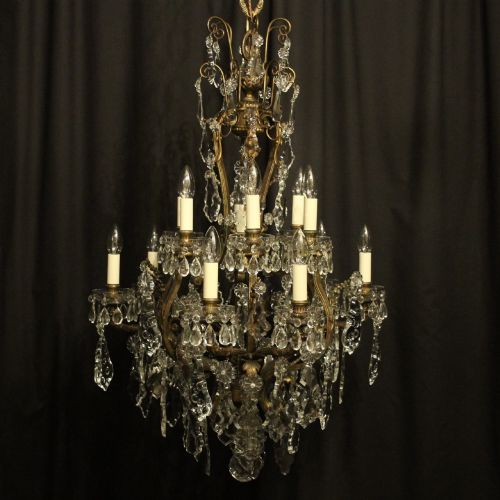
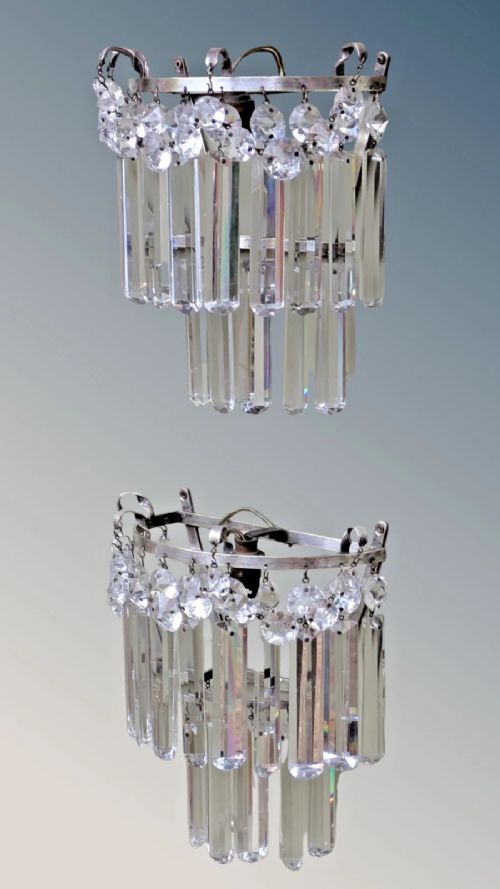
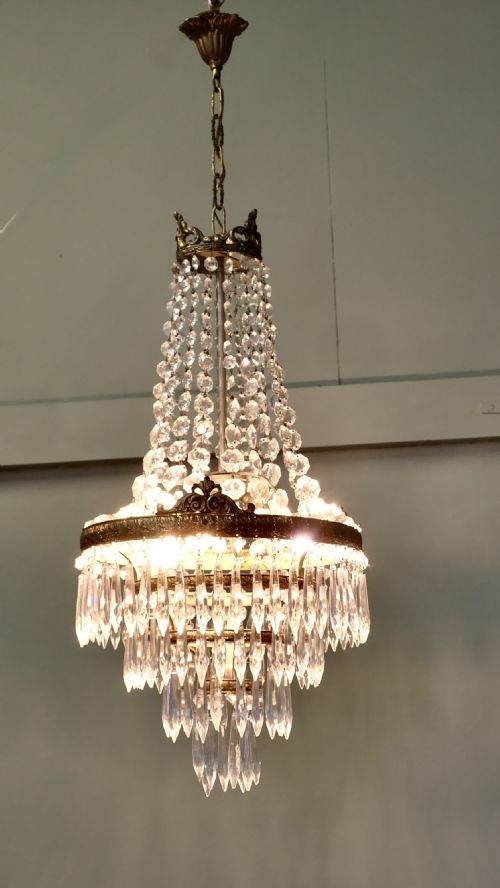
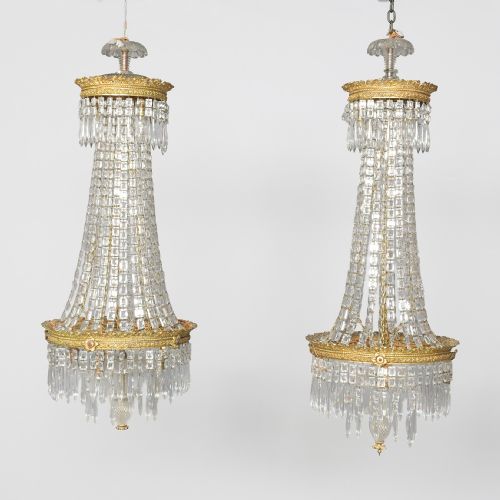
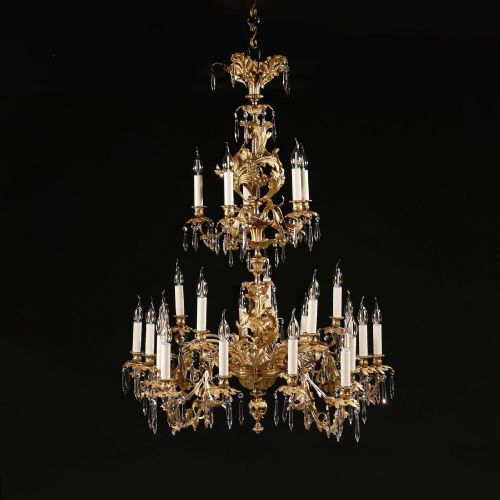
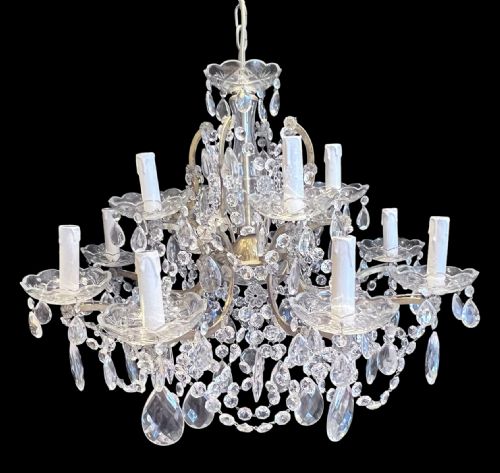
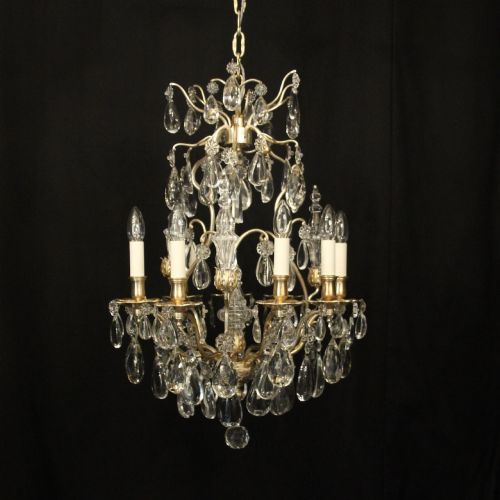
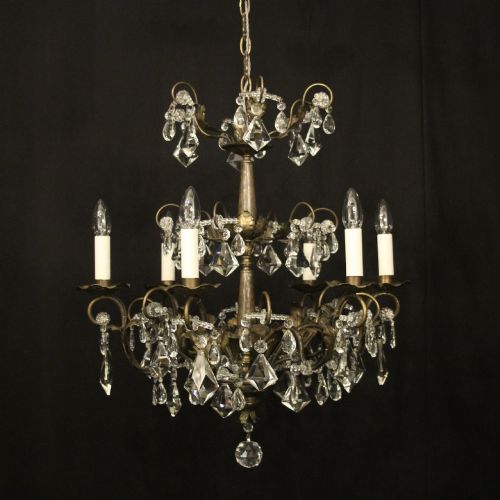
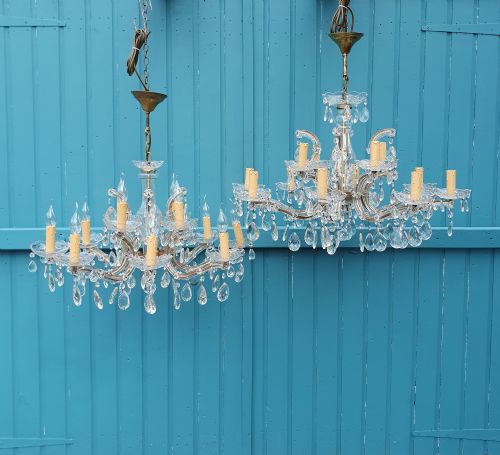
An antique tiered light primarily takes the form of a multi-branch chandelier arranged across vertical levels, designed to cast expansive illumination downward from ceiling heights. These multi-deck fixtures appear frequently with French and Italian origins, spanning styles from the 19th century through the 1930s.
The selections on this page centre on multi-tier chandeliers and smaller pendant variations, alongside complementary wall lights and lanterns. French gilded bronze and Italian gilt brass examples dominate the records, often incorporating substantial arm counts ranging from nine up to twenty-four lights.
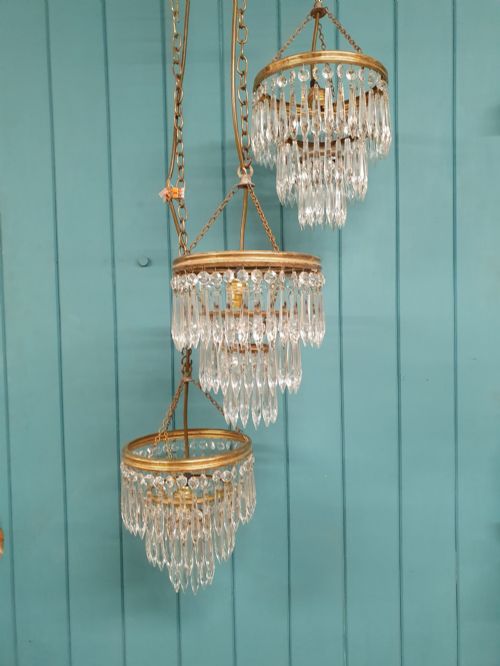
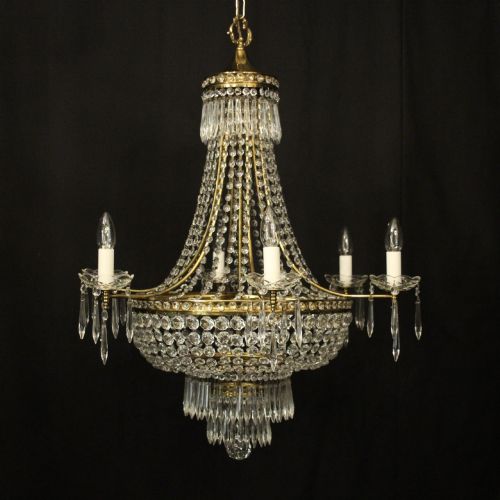
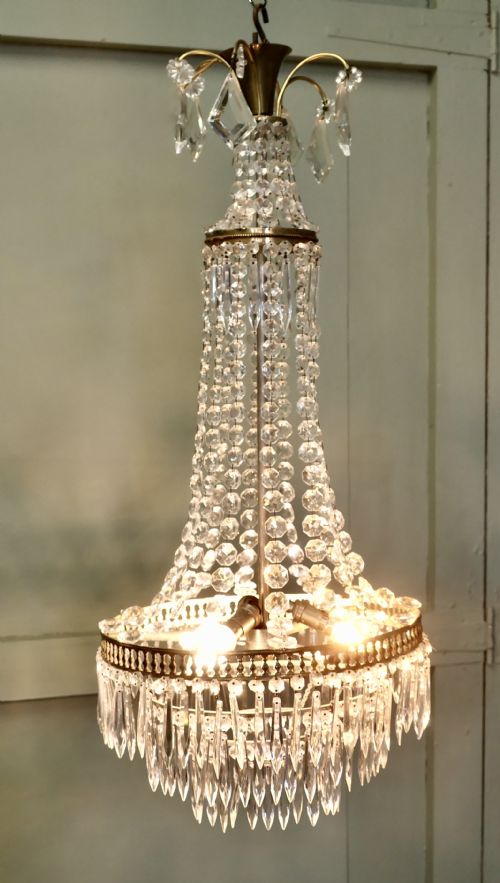
Buyers encounter forms structured in tents, waterfalls, and double tiers, where structural rings support graduated cascades of glass drops. These configurations draw the eye upward while distributing light across wider floor areas than single-tier counterparts.
How They Were Made
Craftsmen built the structural skeletons of these lights using cast bronze, brass, and iron, shaping metal arms to support multiple tiers of candle-holders or electric sockets. Gilded finishes, silver leaf, and polychrome paint were applied to the metalwork to enhance reflection from ambient sources.
Cut crystal and moulded glass elements, including pendeloques, beads, and central spires, were wired or pinned by hand to the metal frames. The integration of leaded crystal components maximised the refraction of light through precision cutting and polishing techniques.
Listings feature brass, bronze, and gilt metal structures paired with extensive cut crystal and glass components.
What Varies in Quality
The sophistication of the metal casting and the depth of the gilding set exemplary pieces apart from standard production, with chased bronze work demonstrating superior sculptural definition. Heavier gauge frames and robust structural tier rings ensure secure alignment across numerous light branches.
The purity and cut of the glass components dictate the brilliance of the fixture, where hand-cut crystal drops display sharper light refraction than moulded glass alternatives. Complete sets of matching prisms and original pinned drops indicate a higher degree of preservation.
Howard And Sons
The Antique Tiered Light Glossary
- Tent and waterfall
- A chandelier style where strings of crystal beads form an upper conical tent above a cascading vertical fall of drops. This arrangement softens the transition between the ceiling suspension and the main body of lights.
- Pendeloque
- A cut glass or crystal pendant hanging from a chandelier arm or tier. These elements catch and disperse light across the surrounding interior.
- Gilt bronze
- Bronze metal coated with a thin layer of gold or gold-coloured alloy. This technique provides a durable, lustrous surface finish that resists tarnish.
- Spike chandelier
- A fixture featuring a central vertical spike or spire decorated with glass rings and drops. The design creates a slender profile distinct from wide, spreading arm arrangements.
- Gasolier
- A light fixture originally designed to burn coal gas before being converted for electricity. These pieces often feature heavier metal tubing to accommodate internal gas channels.
Antique Tiered Light: Frequently Asked Questions
How do I hang a heavy tiered chandelier?
Installation requires anchoring directly into ceiling joists using a rated steel hook and junction box capable of supporting the combined weight of metal and crystal. Professional electricians should assess the ceiling structure and wire the fixture securely.
Because multi-tier fixtures often weigh considerable amounts, safety chains are typically integrated alongside the primary electrical cord to provide secondary mechanical support.
How many tiers do I need for my room?
Double-tiered and triple-tiered lights suit spaces with high ceilings, typically exceeding three metres, where vertical proportions balance the room. Single tiers or compact spike configurations work better in standard domestic ceiling heights.
Consider the floor area as well as ceiling height, ensuring the diameter of the fixture leaves adequate clearance around walkways and furniture below.
How do I clean an antique crystal chandelier?
Routine maintenance involves dusting the glass drops with a soft brush while the fixture hangs in place. For deeper cleaning, specialised non-drip glass cleaner can be applied directly to the crystals.
Many collectors prefer removing individual crystal strands for washing in warm, soapy water before reattaching them by hand to prevent damage to the delicate metal pins.
Were these lights converted from gas?
Many 19th-century and early 20th-century models originated during the transition between gas lighting and electricity, featuring adapted internal channels. These conversions are standard practice and allow historical fixtures to function safely today.
Evidence of historical conversion often appears in the wider central stems and modified arm junctions designed to house modern wiring.