
Antique Textile Hanging
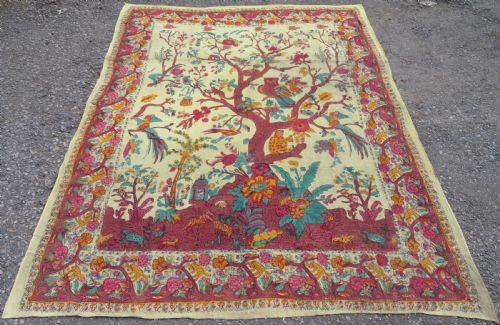
When you search for an antique textile hanging, you step into a world of woven wall art, tribal embroideries, and historic tapestries.
Antique Textile Hanging
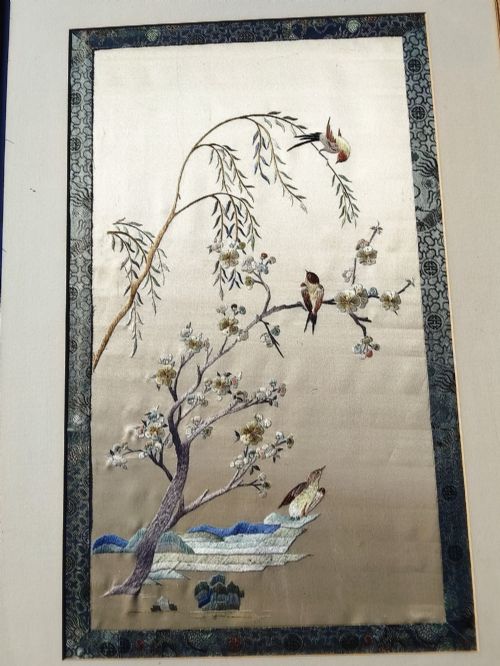
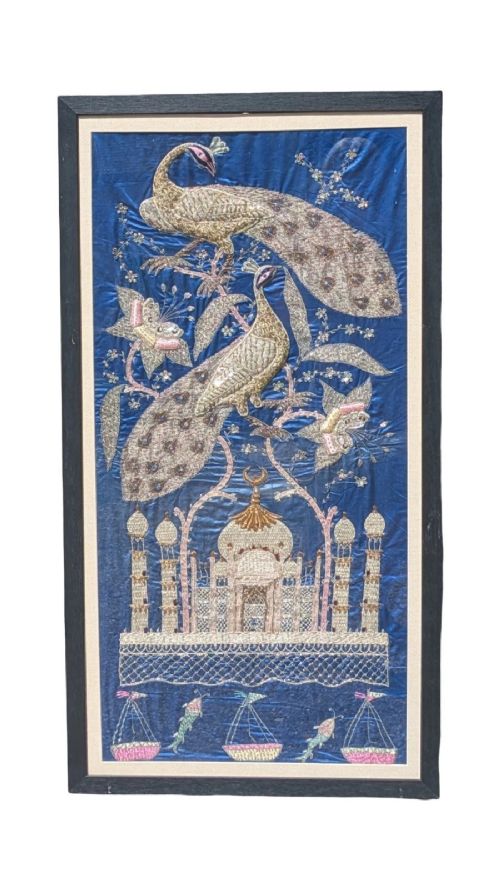
An antique textile hanging encompasses a diverse range of historic wall art, tribal embroideries, and woven panels sourced from various global traditions.
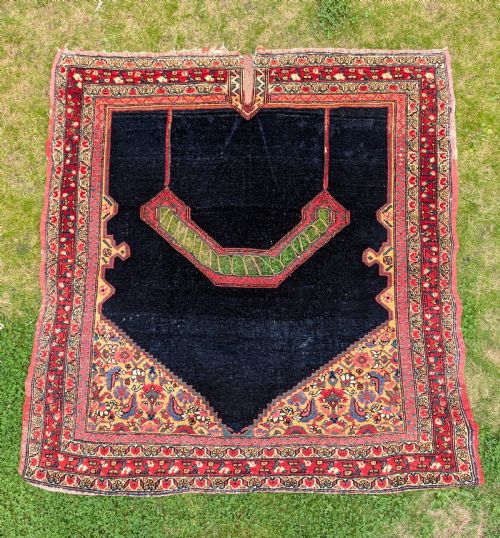
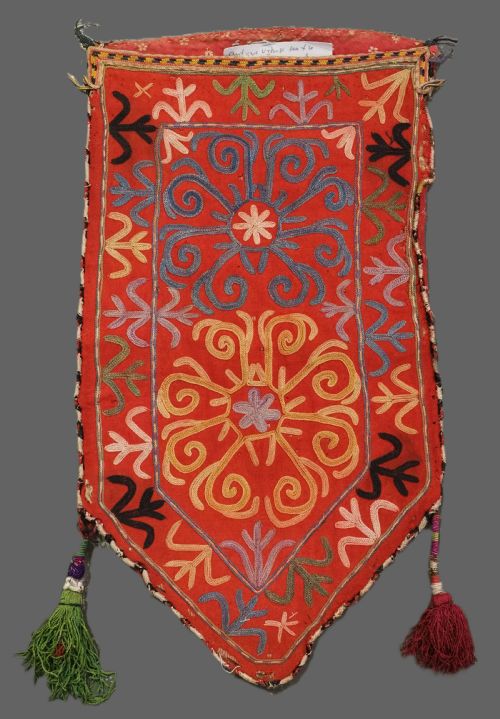
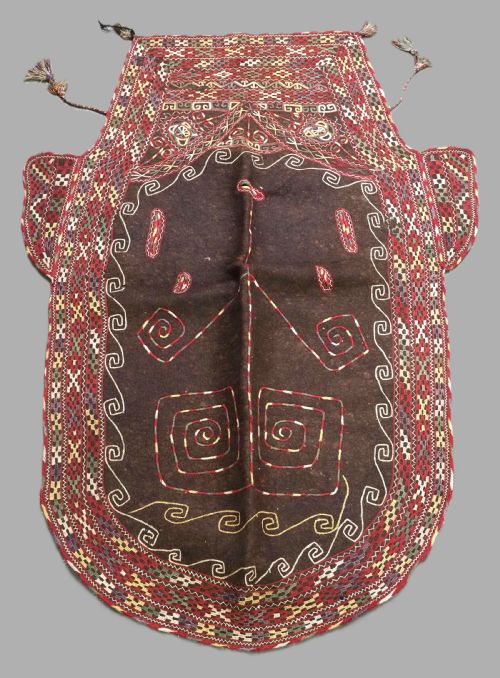
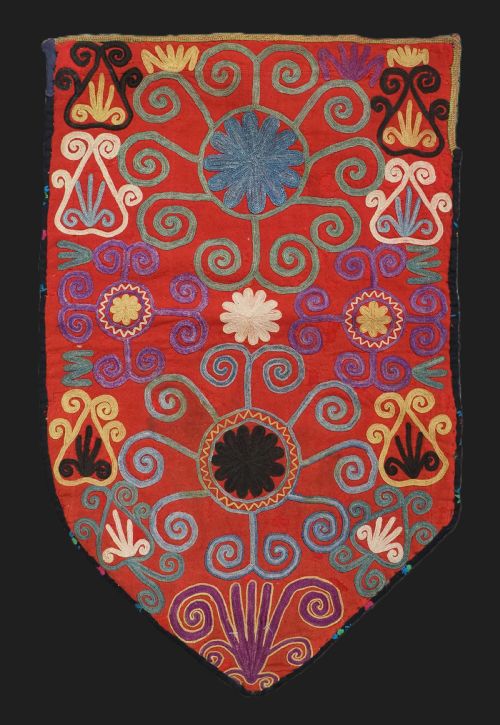
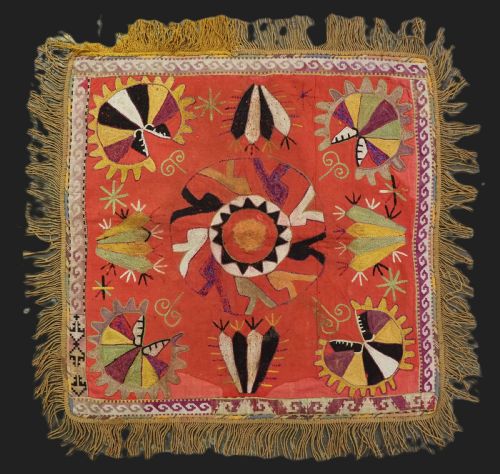
Buyers searching this phrase encounter numerous examples of Central Asian tribal work, including Uzbek Lakai ilgiches, Yomut Turkmen horse covers, and Persian bagfaces.
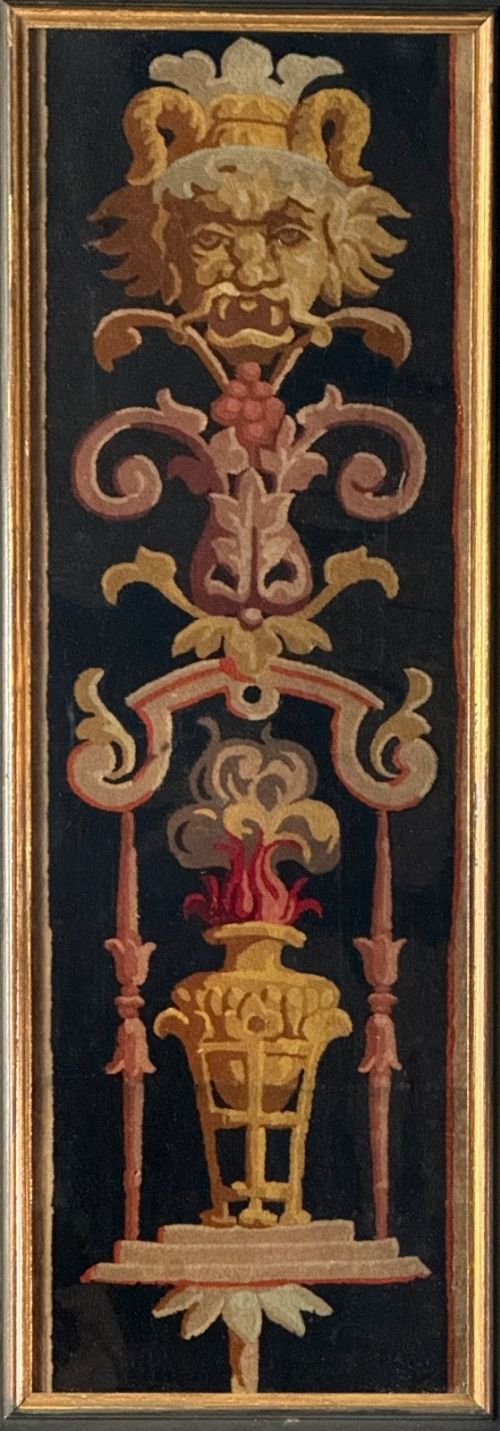
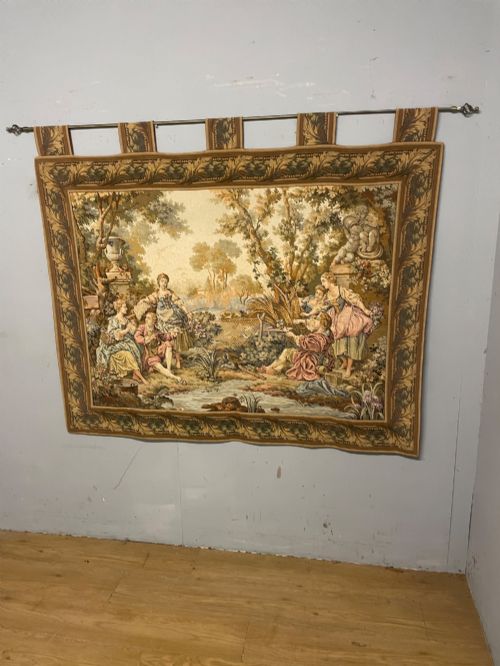
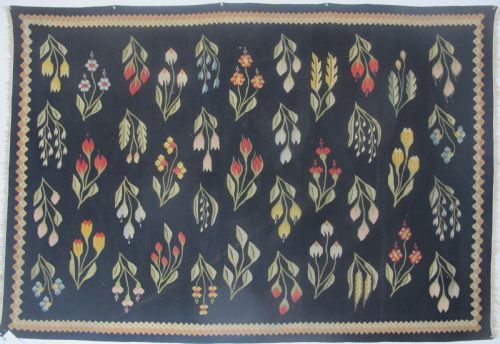
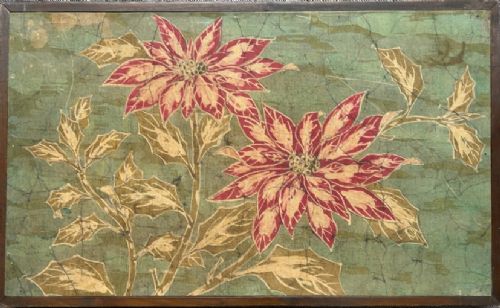
Other common forms on this page include European tapestries, English crewelwork panels from the seventeenth century, and Romanian floral wall hangings.
How they were made
These textiles rely on fundamental natural materials such as wool, cotton, silk, and linen, often coloured with natural dyes derived from plants and minerals.
The construction techniques span intricate needlework embroidery, plushwork, and traditional weaving methods employed by nomads and village craftspeople across Persia, Central Asia, and Europe.
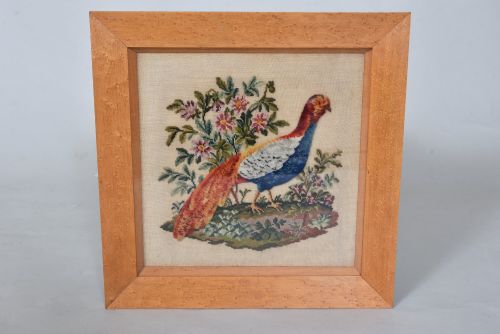
Among the animal trappings and dowry bags, Victorian plushwork brings a delightfully tactile pheasant into the textile menagerie.
What varies in quality
The standard of a piece depends on the fineness of the needlework, the complexity of the design, and the integrity of the natural materials used.
Condition and age also dictate distinction, where well-preserved seventeenth-century panels or finely detailed tribal dowry embroideries represent the higher end of the range.
The Antique Textile Hanging Glossary
- Ilgich
- An embroidered dowry hanging produced by the Lakai tribe in Central Asia, traditionally used for interior decoration.
- Suzani
- A large embroidered textile panel originating from Uzbekistan and surrounding regions, typically featuring bold floral or architectural motifs.
- Crewelwork
- A type of embroidery executed with wool yarn on a linen or cotton ground, prominent in historic English textile traditions.
- Asmalyk
- A ceremonial pentagonal trapping produced by Turkmen tribes, often associated with weddings and animal decorations.
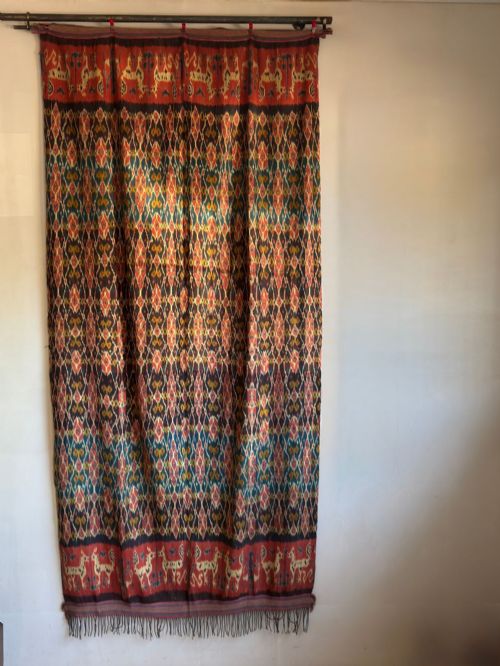
- Ikat
- A dyeing technique where yarn is resist-dyed prior to weaving, resulting in patterns with characteristic feathered edges.
Antique Textile Hanging: Frequently Asked Questions
How were textile hangings used historically?
Historic textile pieces served various domestic and ceremonial functions, ranging from interior wall decoration and dowry items to horse blankets and storage bags.
Nomadic and settled communities alike utilised these items to display status, beautify living spaces, and mark significant cultural events.
How do I care for an antique hanging?
Protect delicate historic textiles from direct sunlight to prevent natural dyes from fading over time.
Mount the piece carefully to distribute weight evenly across the fabric rather than suspending it from a single point of tension.
How can I tell tribal pieces apart?
Tribal origins are identified by distinct colour palettes, specific geometric or figurative motifs, and regional stitching techniques.
For instance, Lakai embroideries feature lively appliqué and chain stitch, while Yomut Turkmen works often display characteristic guls and felting.
What periods do these textiles cover?
The listings span multiple centuries, including seventeenth-century English crewelwork and continental panels alongside nineteenth-century Persian bagfaces.
Many examples date from the late nineteenth and early twentieth centuries, reflecting the peak periods of nomadic and traditional tribal production.