

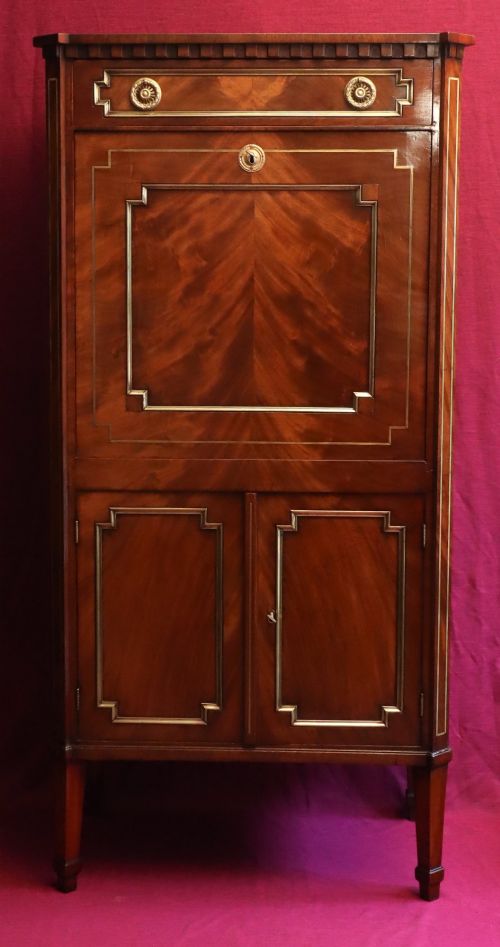
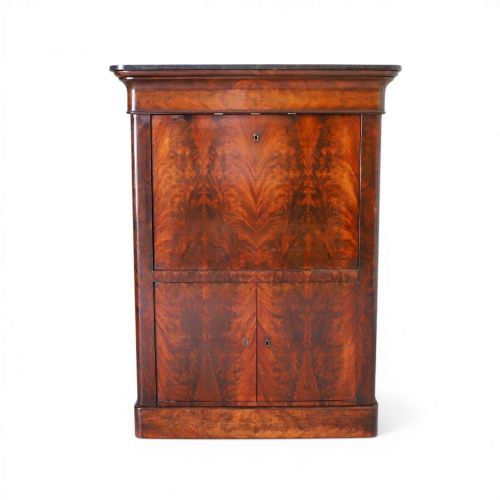
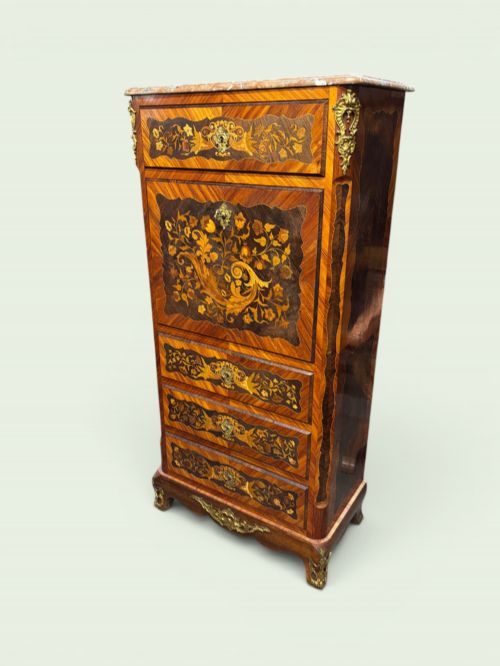
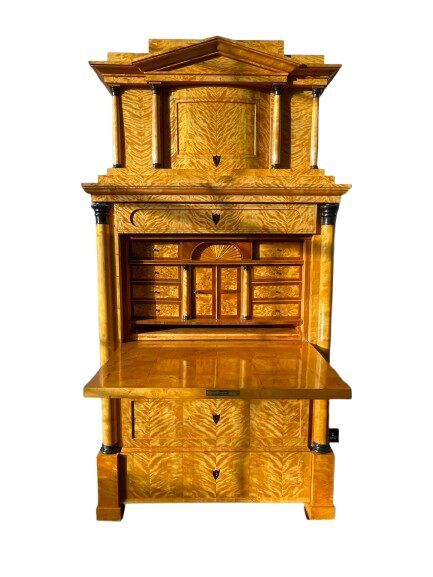
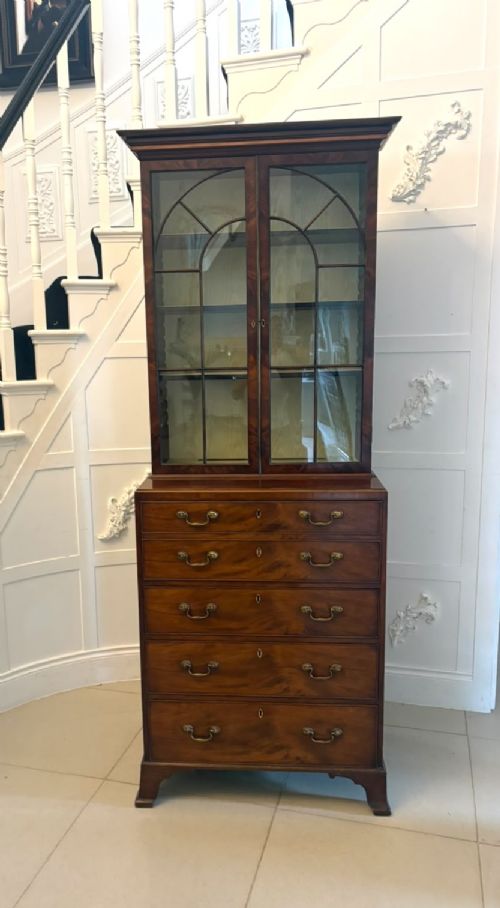
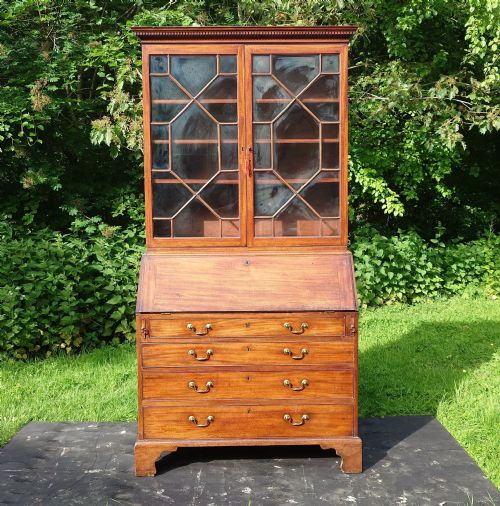
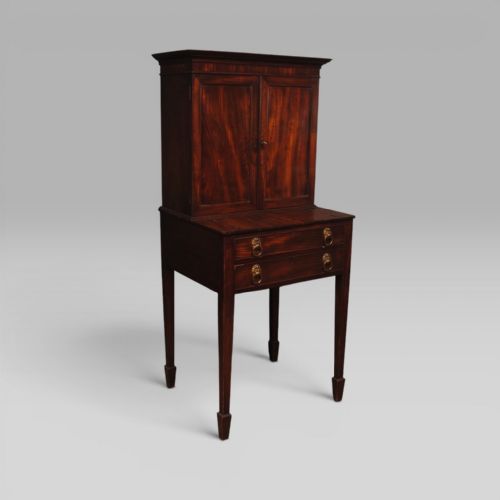
Antique Tall Writing Bureau
An antique tall writing bureau offers serious vertical presence combined with a practical drop-down writing surface, making it the definitive statement piece for a home study.
Antique Tall Writing Bureau
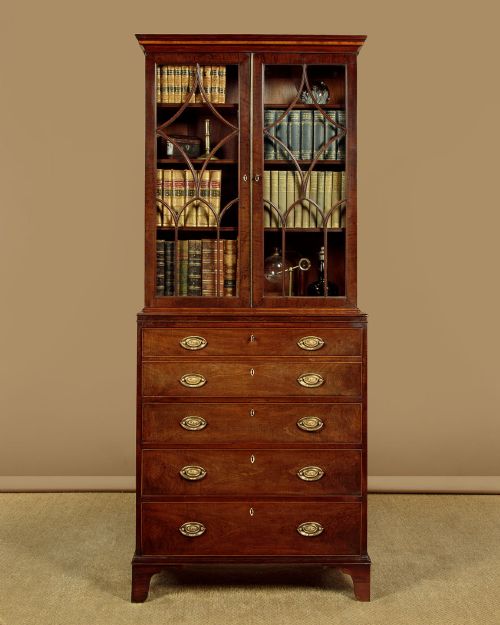
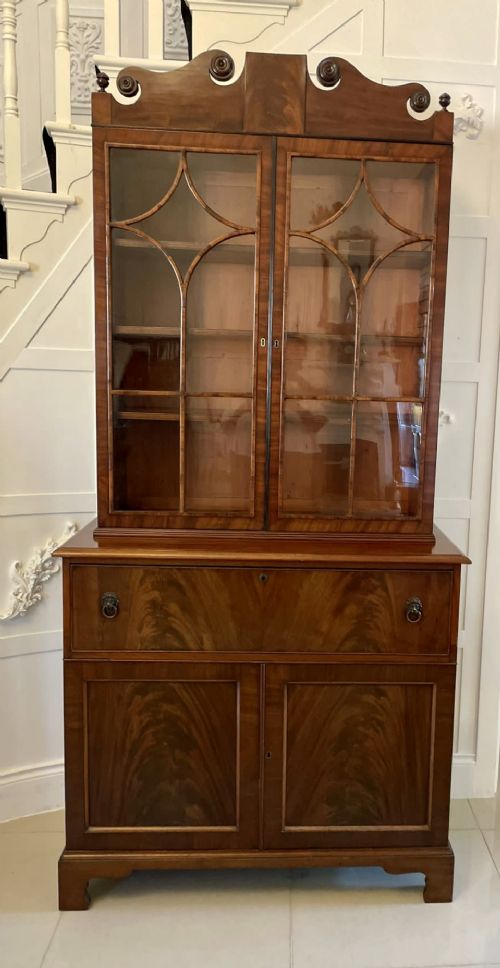
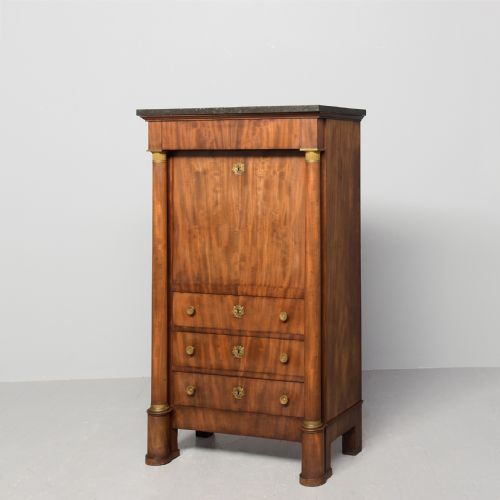
When you search for an antique tall writing bureau, you encounter tall architectural case furniture designed for correspondence and storage, spanning Georgian, Victorian, and Regency eras. The selection ranges from imposing bureau bookcases with glazed upper shelves to refined French secretaire abattants featuring drop-front writing slabs.
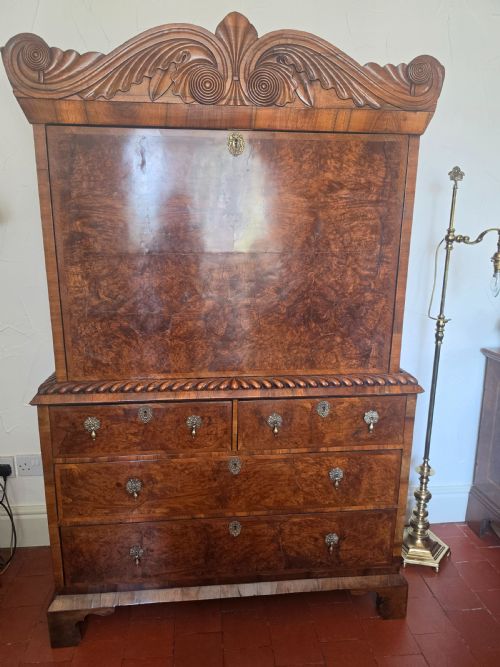
You meet pieces constructed in various tall formats, including walnut escritoires from the early eighteenth century, mahogany secretaire chest on chest configurations, and elm secretaire drawers. French examples often incorporate marble tops and intricate marquetry inlay, while English pieces emphasise disciplined proportion and fitted interior compartments.
The dominant forms rely on vertical stature to maximise storage while maintaining a compact floor footprint. Bureau bookcases and tall cupboards dominate the current selection, reflecting the historical demand for multifunctional household storage and writing facilities.
Materials and construction
Cabinetmakers constructed these tall desks using dense hardwood timbers such as mahogany, walnut, and oak, frequently applying flame mahogany or exotic wood veneers to the primary display surfaces. Workshops utilised secondary woods like pine for internal partitions and drawer linings.
Construction techniques involved precision dovetailing for drawers and mortise and tenon joints for the structural frames. Craftsmen integrated brass hardware, glass for bookcase doors, and occasionally marble tops or cast ormolu mounts on continental furniture.
Secret drawers hidden behind faux book spines or sliding panels reward the curious owner with miniature hiding spots for private notes.
Judging execution and finish
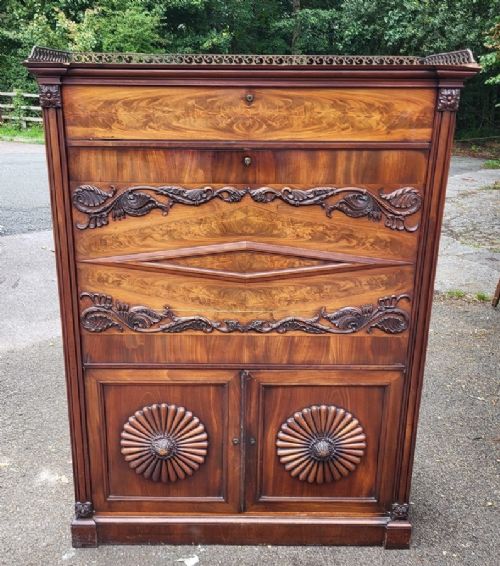
Quality reveals itself in the choice of timber figure, such as richly grained flame mahogany or burr walnut veneers selected for the fall front and drawer faces. Superior examples display continuous grain matching across adjacent drawers and meticulous hand-cut dovetailing.
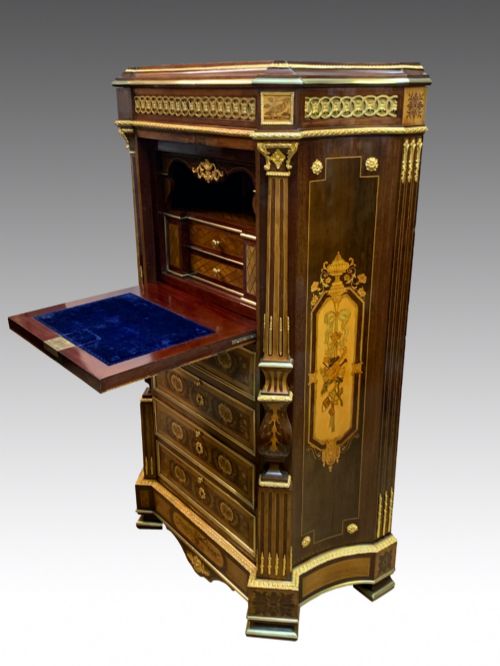
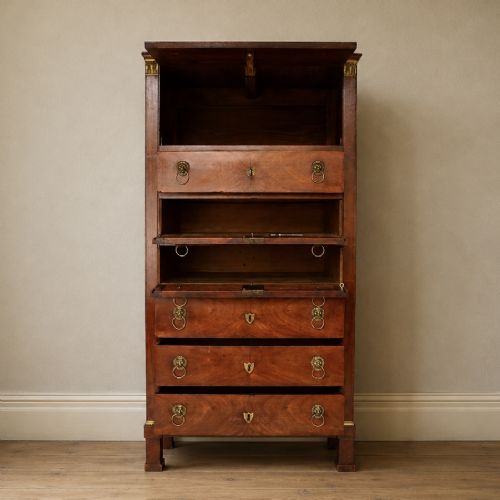
The interior fit-out dictates the tier of the piece, with better workshops incorporating numerous secret drawers, pigeonholes, and small cupboards surrounding the writing surface. The crispness of marquetry inlay and the retention of original brass handles further separate standard production from exceptional craftsmanship.
Maison Krieger·Gillows
The Antique Tall Writing Bureau Glossary
- Secretaire à abattant
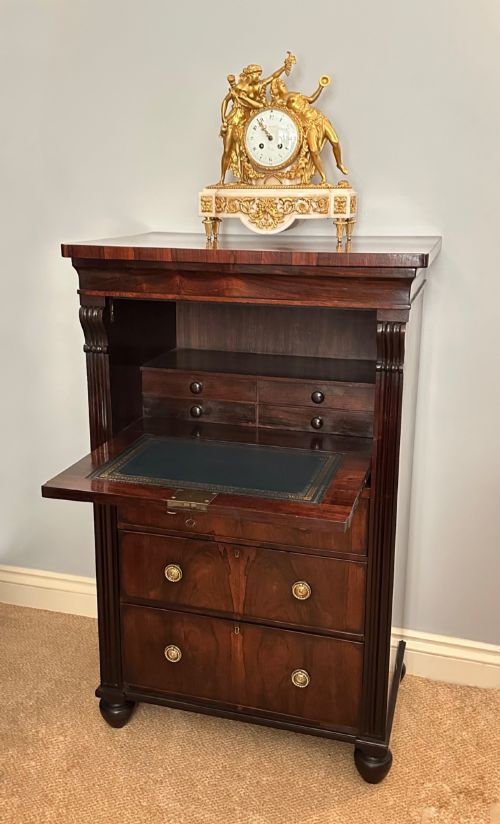
- A tall vertical cabinet with a hinged fall-front writing flap that conceals an interior fitted with small drawers and pigeonholes. This continental form presents a flat front when closed.
- Escritoire
- A historic term for a writing cabinet or desk, frequently applied to tall walnut or mahogany pieces dating from the early eighteenth century onwards.
- Bureau bookcase
- A dual-purpose piece comprising a sloping or drop-front desk base surmounted by a glazed or panelled bookcase cabinet. These tall structures require significant vertical clearance.
- Marquetry
- The art of applying decorative pieces of veneer to a structure to form intricate pictorial designs or geometric patterns. French and Dutch makers utilised this technique extensively.
- Ormolu
- Gilded bronze mounts applied as decorative ornaments to the corners and friezes of nineteenth-century furniture. This material signals high-status continental manufacturing.
Antique Tall Writing Bureau: Frequently Asked Questions
How do I use a tall writing bureau daily?
Drop the fall-front or writing flap to create a sturdy sloped or horizontal desktop for laptop work or correspondence. The surrounding pigeonholes and small drawers keep stationery organised while the lower cupboards store larger volumes.
Ensure you check the clearance and depth of the writing surface before committing the piece to daily office tasks. Many historical desks are shallower than modern equivalents.
Where should I place an antique tall bureau?
Position your tall bureau against a sturdy wall in a study, library, or drawing room where its vertical proportions can anchor the space. Because these cabinets reach significant heights, verify ceiling clearance and floor stability prior to placement.
Keep the timber away from direct heat sources and strong sunlight to prevent the mahogany or walnut veneers from drying out and lifting over time.
How do I tell an 18th-century bureau from a 19th-century one?
Examine the secondary woods, internal construction, and hardware fixings to determine the manufacturing era. Eighteenth-century pieces often feature solid walnut or oak carcass work with hand-cut dovetails and simpler internal configurations.
Nineteenth-century interpretations frequently employ richer flame mahogany veneers, machine-sawn elements in concealed areas, and more elaborate decorative marquetry or ormolu mounts.