
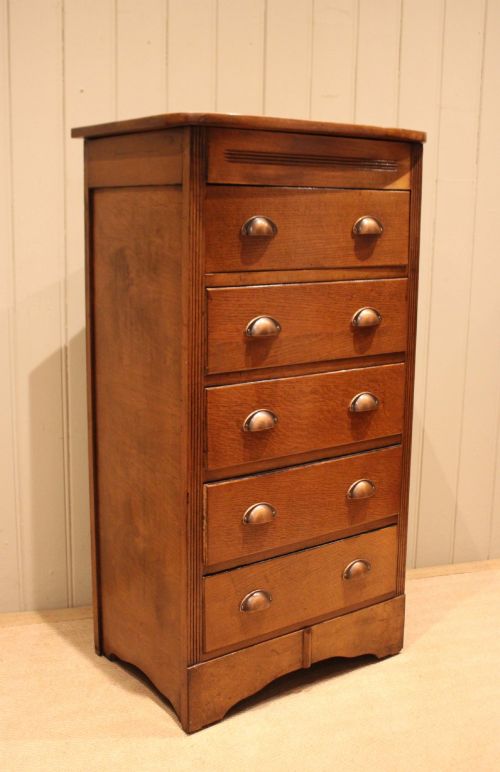
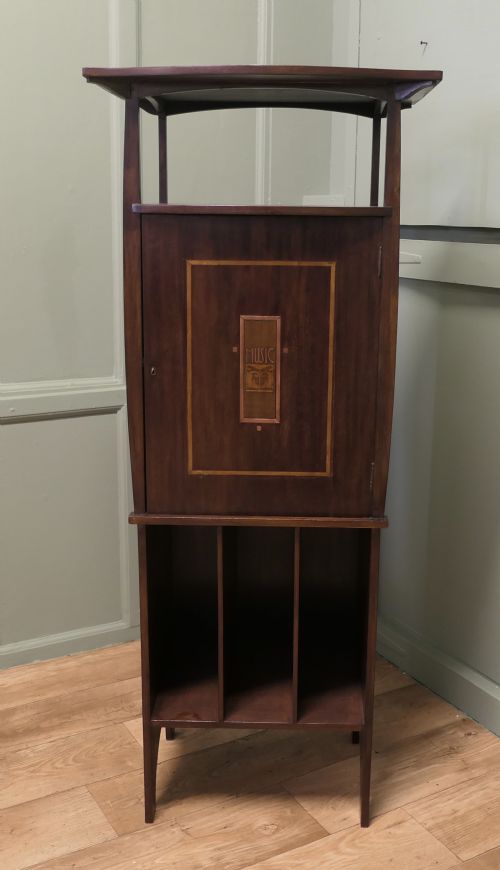


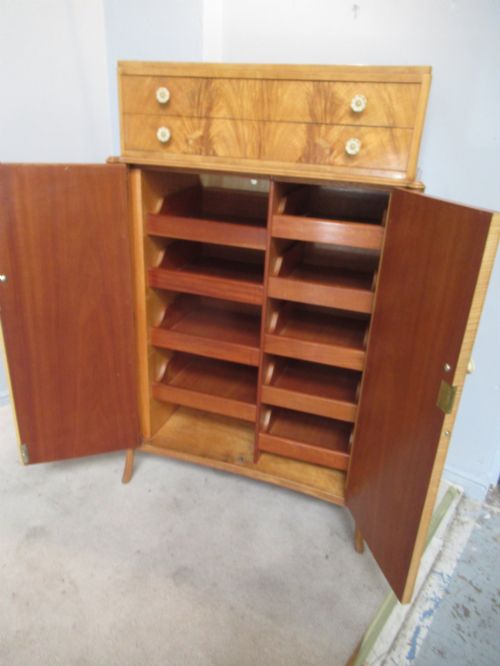
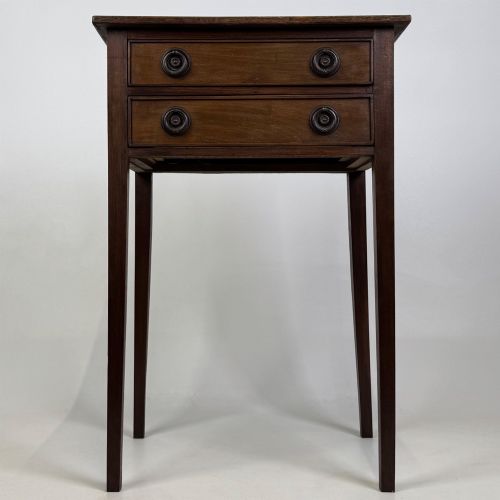
Antique Tall Wooden Cabinet
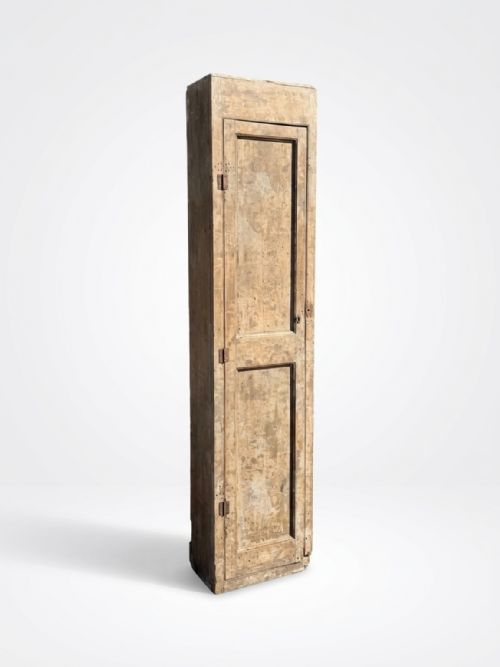
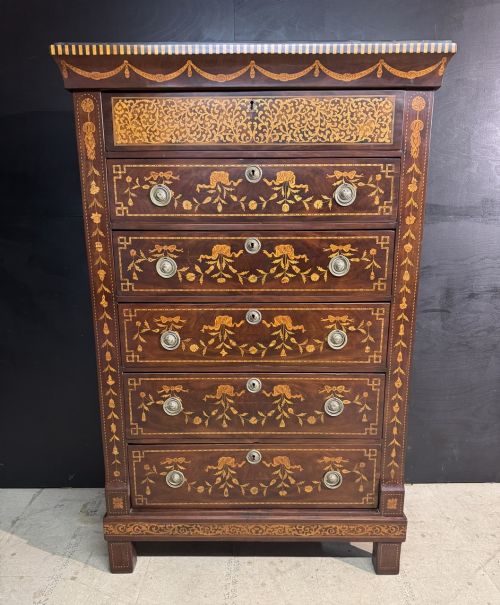
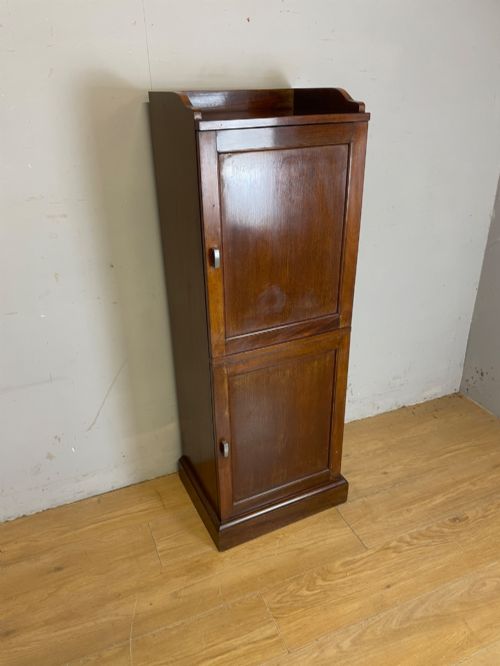
An antique tall wooden cabinet brings vertical presence and practical storage to a room, spanning periods from the eighteenth century onwards in oak and mahogany.
Antique Tall Wooden Cabinet
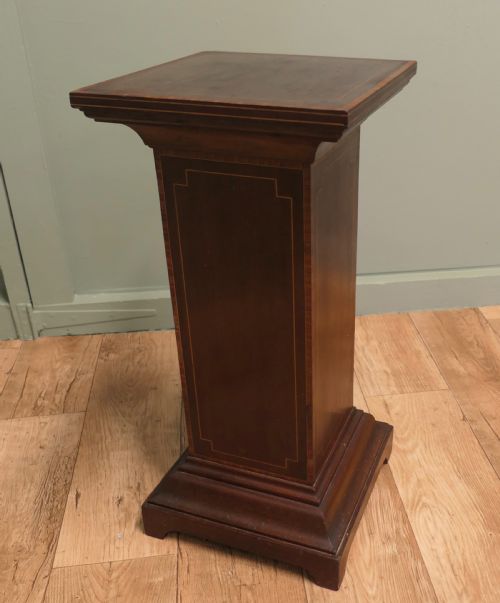
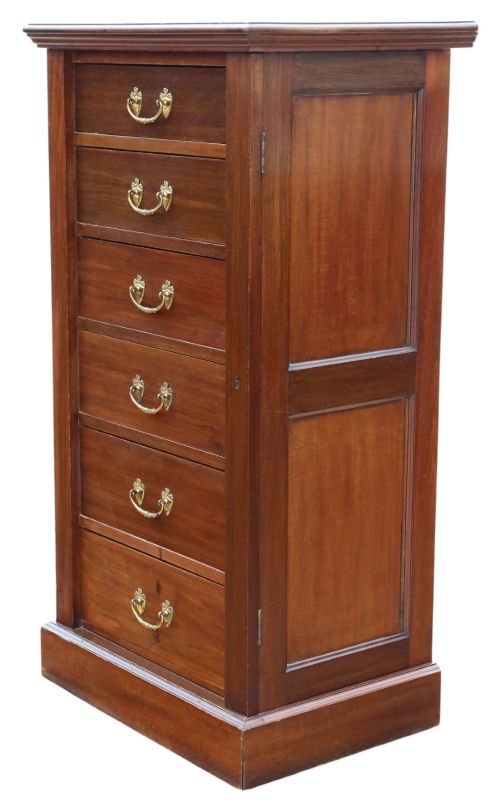
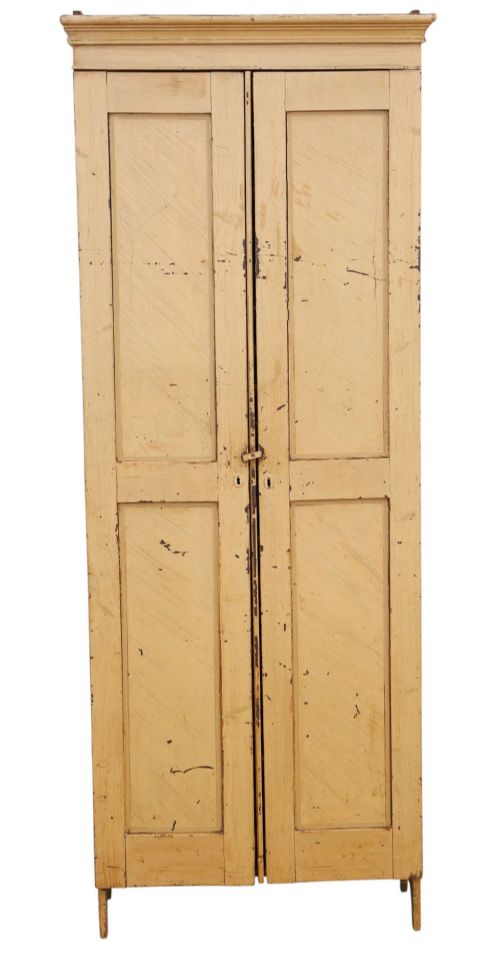
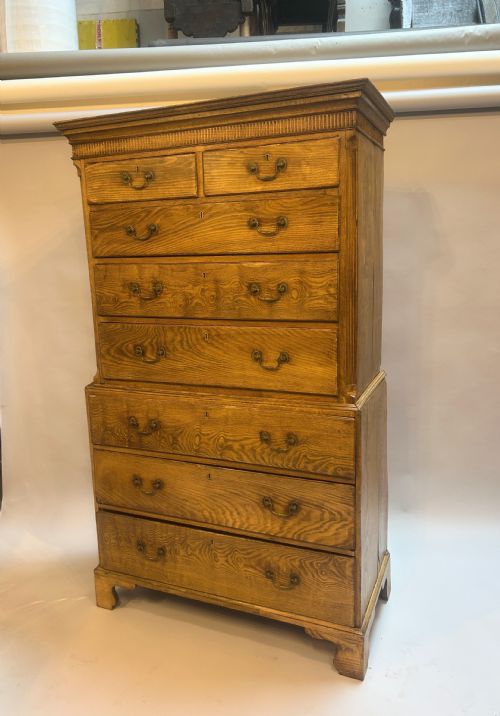
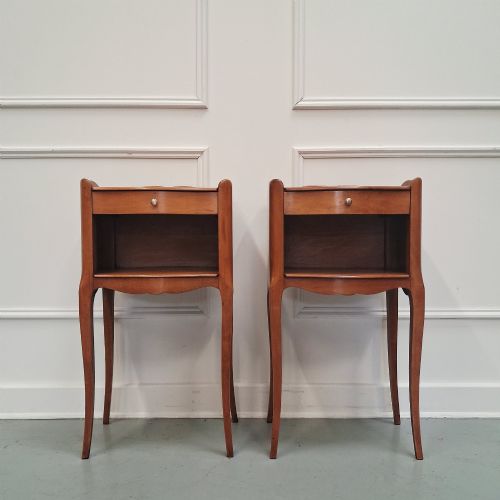
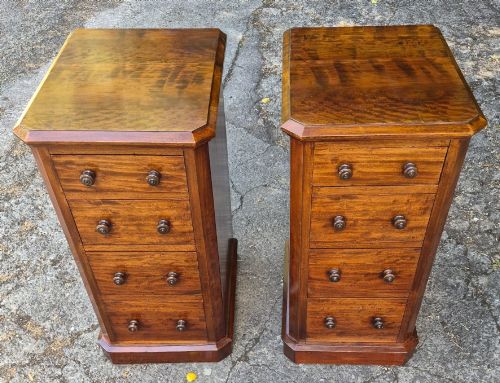
An antique tall wooden cabinet encompasses varied vertical forms including bookcases, chests of drawers, cupboards, and filing cabinets.
The nineteenth century and Edwardian periods provide numerous examples in mahogany and oak, alongside earlier eighteenth-century pieces.
Buyers encounter distinct regional types, such as Welsh elm food cupboards and Dutch marquetry chests, alongside French provincial designs.
Assessing craftsmanship
Superior examples demonstrate refined proportions and careful timber selection, whether in plain oak or figured mahogany.
The integration of functional elements, such as adjustable glass shelves or tambour mechanisms, distinguishes finer workshop production.
A Chinese red lacquered marriage cabinet brings centuries of vibrant wedding symbolism straight into a hallway.
GM Elwood for JS Henry
The Antique Tall Wooden Cabinet Glossary
- Tallboy
- A tall chest of drawers traditionally formed by stacking one chest upon another. Georgian examples often combine a lower drawer section with an upper cabinet.
- Tambour
- A flexible shutter door constructed from narrow vertical strips of wood glued to a canvas backing. This mechanism slides smoothly within tracks around cabinet curves.
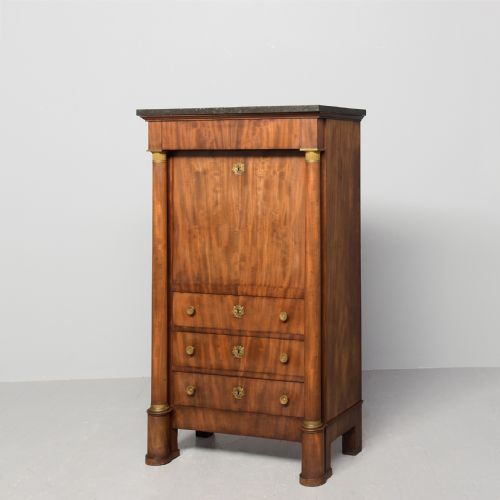
- Secretaire abattant
- A tall writing cabinet featuring a drop-down front panel that serves as a desk surface. Behind this flap lie pigeonholes and small internal drawers.
Antique Tall Wooden Cabinet: Frequently Asked Questions
How do I fit a tall cabinet into a modern room?
Measure your ceiling height and floor space carefully before selecting a tall vertical piece. These cabinets maximise storage by using vertical wall space rather than spreading wide across a room.
Position the cabinet away from direct heat sources to protect the aged timber and finish. Secure taller pieces to the wall for stability.
What is the difference between a bookcase and a display cabinet?
Bookcases feature open shelving designed for accessible book storage. They allow direct access to volumes.
Display cabinets incorporate glass doors or panels to protect contents while keeping them visible. Shop display variants often include adjustable glass shelves.
How do I identify a Victorian piece?
Victorian cabinets often utilise dense mahogany or walnut with substantial proportions. Details like bun feet and carved solid wood indicate nineteenth-century workshop methods.
Examine the secondary woods inside drawers and the backboards for period consistency. Machine-cut screws and modern adhesives suggest later alterations.
How should I clean wooden cabinet surfaces?
Dust surfaces regularly with a soft, dry cloth following the grain of the wood. Avoid silicone-based polishes that build up sticky residues over time.
Apply a traditional beeswax polish sparingly to nourish unsealed timber surfaces. Painted or lacquered finishes require only a damp microfiber cloth.