
Antique Table Light
When you search for an antique table light, you meet converted oil lamps, heavy brass columns, and detailed metal figures illuminating rooms from past centuries.
Antique Table Light
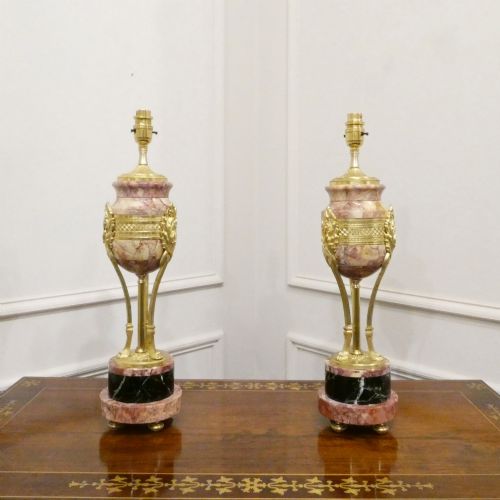
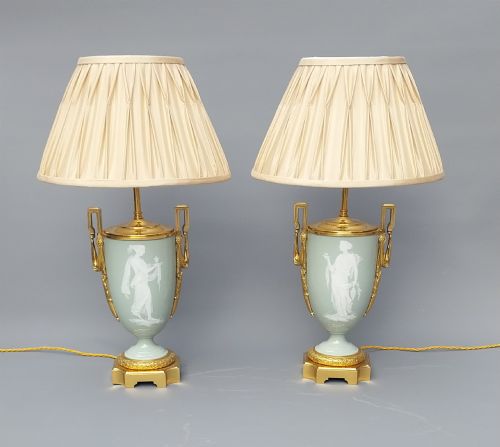
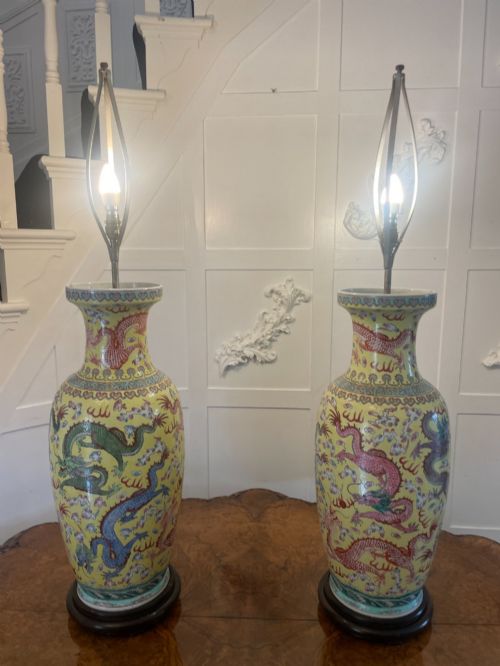
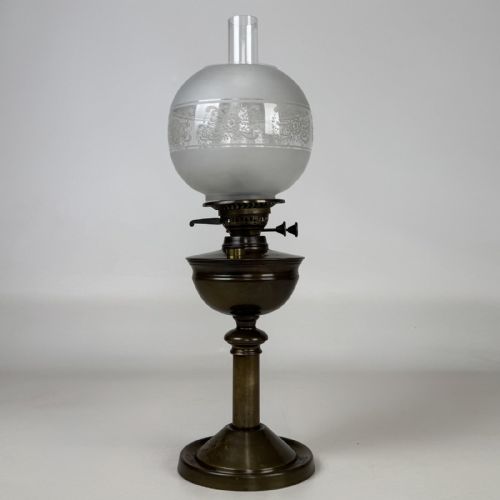
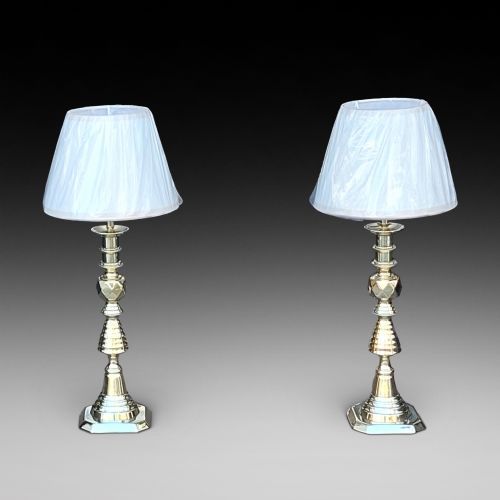
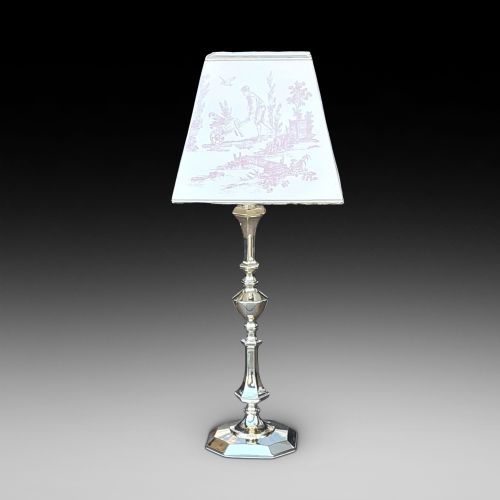
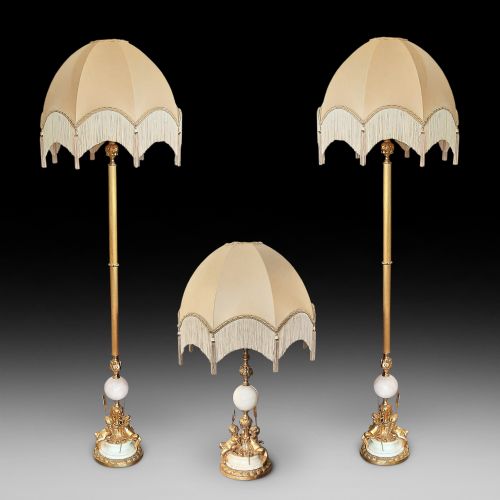
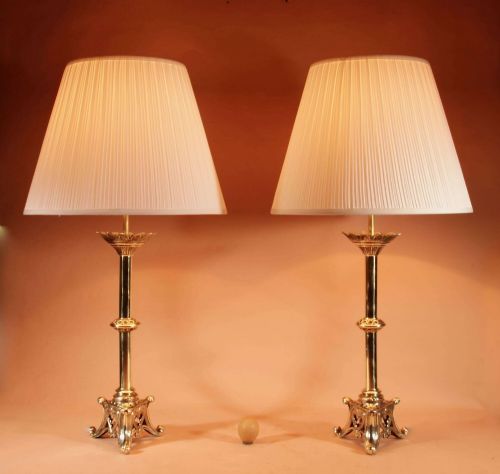
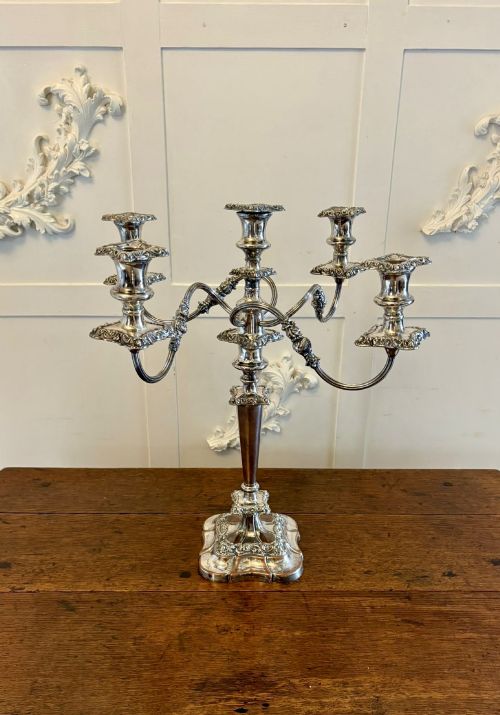
An antique table light encompasses a variety of illuminated objects designed for domestic use, ranging from converted Victorian oil lamps with cranberry shades to elaborate bronze candlesticks and candelabras.
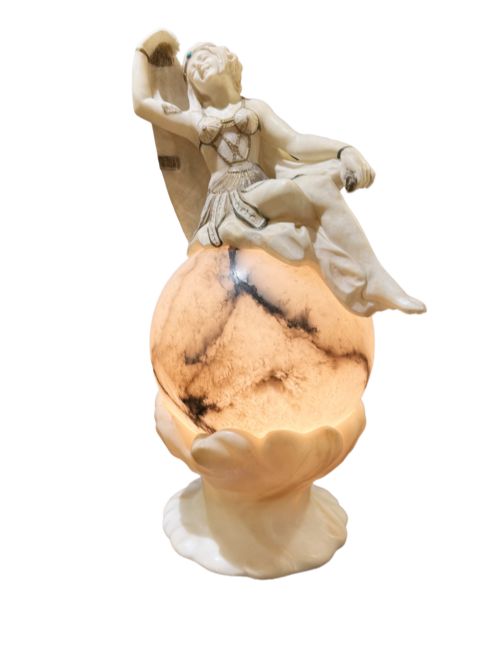
The selections on this page draw heavily from the nineteenth and early twentieth centuries, featuring styles from Victorian and Edwardian periods alongside Art Deco and Arts & Crafts designs.
Buyers will encounter lighting fixtures fashioned from materials such as brass, silver plate, bronze, carved wood, and glass, originating from diverse European and Japanese workshops.
How They Were Made
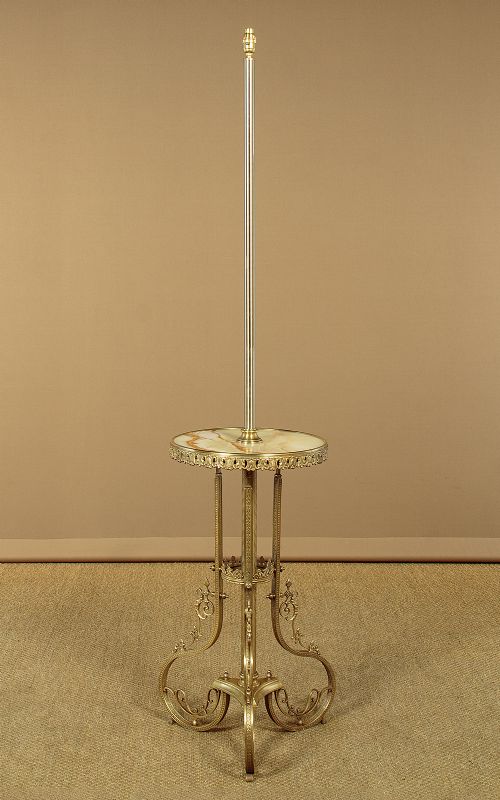
Craftsmen utilised cast and spun metals like brass and bronze, often combining them with decorative elements such as champlevé enamel or silver plating to create durable bases.
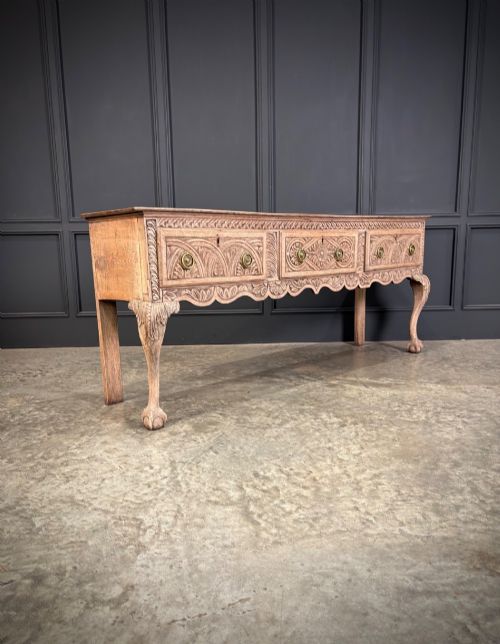
Wooden examples frequently employ carved oak, pine, or giltwood, displaying period joinery and hand-applied lacquered or waxed finishes.
Glass components, including shades and lamp bodies, were shaped using techniques like blown glass moulding and millefiori work.
The inventory includes numerous converted oil lamps paired with decorative glass shades and metal columns.
What Varies in Quality
The calibre of a piece depends largely on the crispness of its casting and the depth of hand-chasing on metal mounts, where sharper details indicate superior workmanship.
Material selection dictates the tier of the object, distinguishing solid bronze, sterling silver, and heavy hardwood from simpler plated metals and softer pines.
Mappin & Webb·Fratelli Toso·Gorham·Asprey
The Antique Table Light Glossary
- Candlestick
- A portable holder with a socket or spike for supporting a single candle. These often form the structural basis for later electrified table lights.
- Candelabra
- A large branched candlestick holding multiple lights. Examples in the collection feature up to four arms.
- Champlevé
- An enamelling technique where troughs are carved into a metal surface and filled with vitreous enamel before firing. This method appears frequently on Japanese and French bronze pieces from the late nineteenth century.
- Oil Lamp
- A domestic lamp designed to burn liquid fuel through a wick, commonly featuring a glass chimney and shade. Many surviving examples have been converted to electricity.
- Corinthian Column
- A classical architectural column style featuring ornate acanthus leaves on the capital. This design was widely adapted for heavy brass and silver-plated table lamps.
Antique Table Light: Frequently Asked Questions
How are antique table lights wired?
Many period pieces arrive with modern electrical wiring installed to meet contemporary safety standards. Dealers frequently update internal fittings while preserving the original exterior metal or wooden housing.
Buyers should check individual listings to confirm whether a piece has been recently rewired or requires professional electrical adaptation before use.
Can oil lamps be used safely?
Original oil lamps found on the market are typically converted into electric table lamps to allow everyday domestic use. This conversion preserves the decorative burner and collar mechanisms without retaining flammable fuel.
Some collectors choose to maintain or restore the original wick and reservoir systems for display purposes rather than functional lighting.
What materials are common?
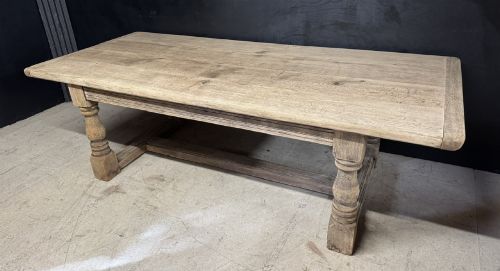
Metal is the predominant material, with brass, bronze, and silver plate appearing frequently across Victorian and Edwardian examples. Wood, including oak, pine, and fruitwood, supports various lamp bases and related table forms.
Glass elements, such as cranberry shades and murano millefiori components, provide colour and diffuse the light output.
How do I identify a Victorian lamp?
Victorian pieces often display characteristic heavy brass Corinthian columns, detailed ceramic bodies, or structural forms designed for oil burning. Design motifs lean towards classical revival and ornate floral or cherub ornamentation.
Consulting the listed period alongside style indicators helps distinguish mid-to-late nineteenth-century manufacturing traits from later Edwardian or Art Deco productions.