



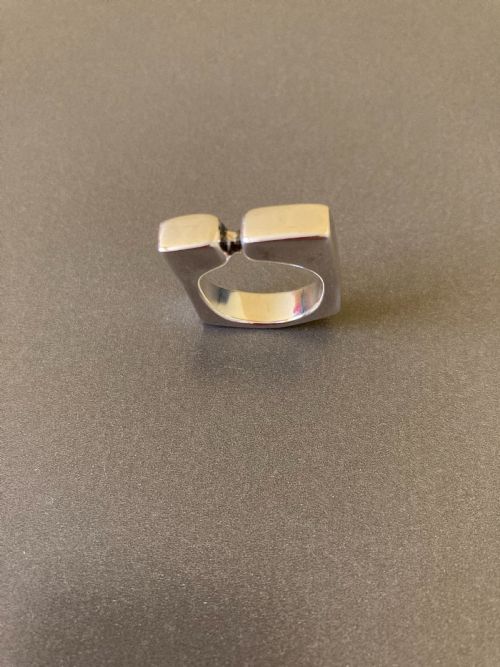

Antique Sterling Silver Band
These antique sterling silver band pieces span the Victorian, Edwardian, and Art Deco eras, offering solid craftsmanship and tactile daily utility.
Antique Sterling Silver Band
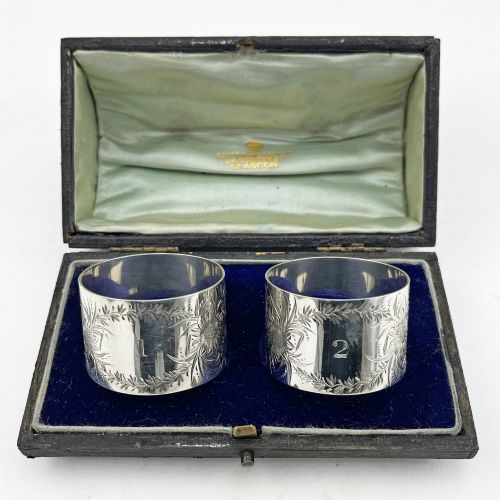
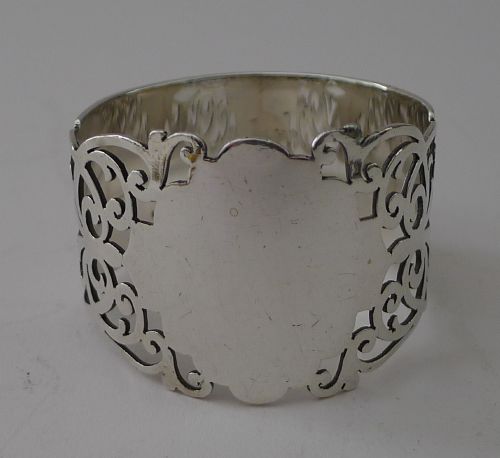
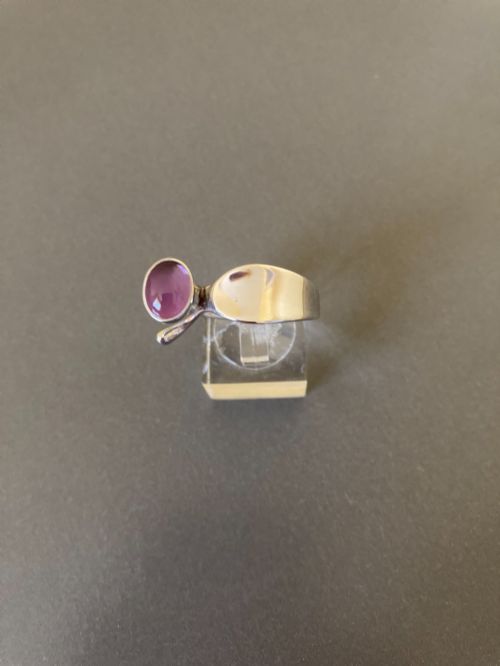
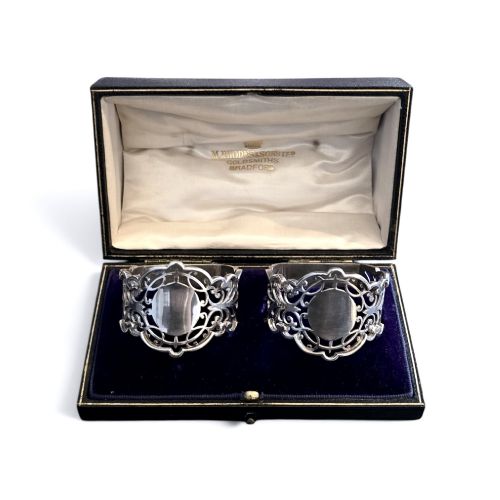
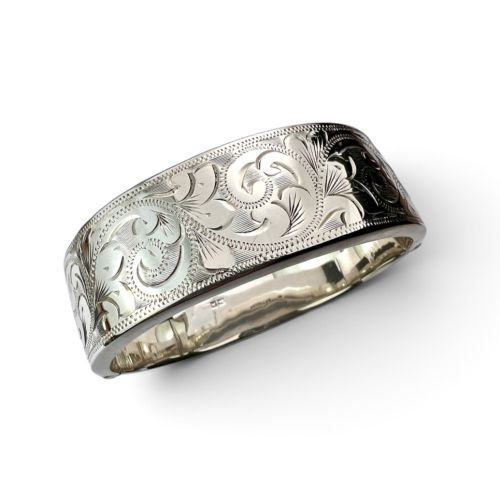
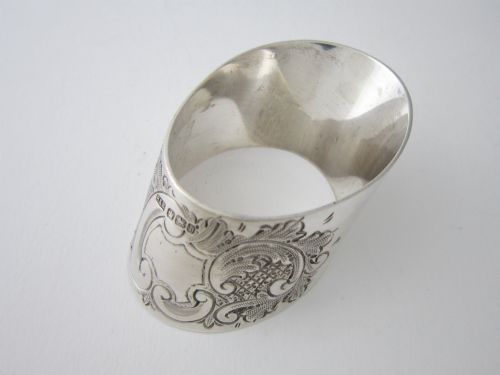
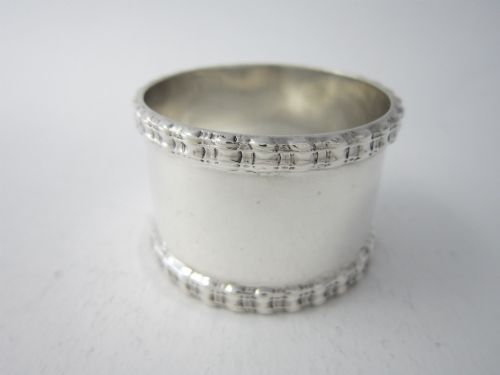
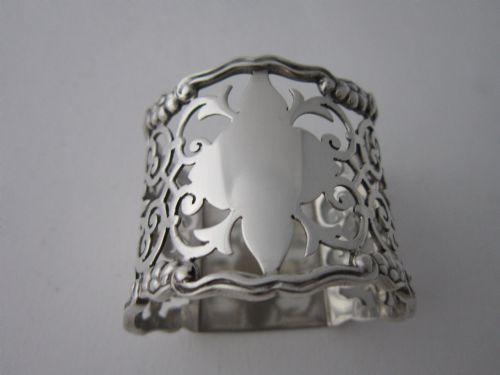
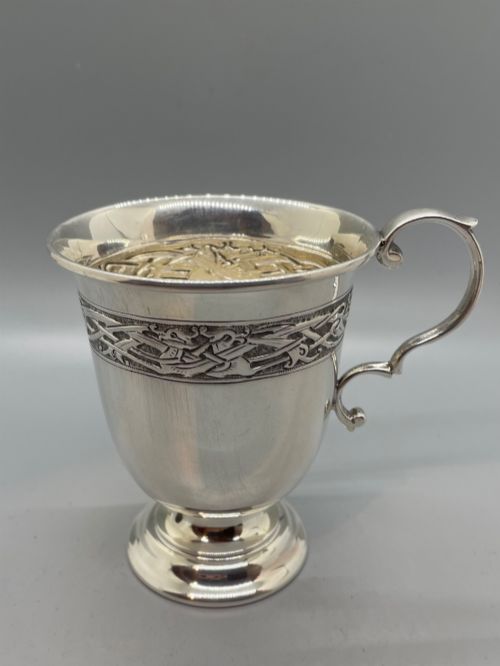
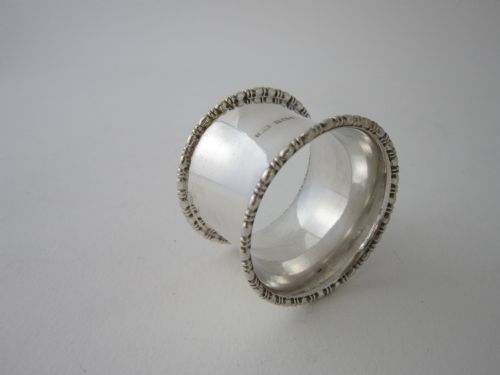
When you search for an antique sterling silver band, you encounter a surprisingly varied group of objects ranging from finger rings and eternity bands to decorative napkin rings, christening mugs, and fitted walking stick mounts. The most common forms on this page are sturdy napkin rings and finger rings made from solid sterling silver, often originating from the Victorian, Edwardian, and George V periods.
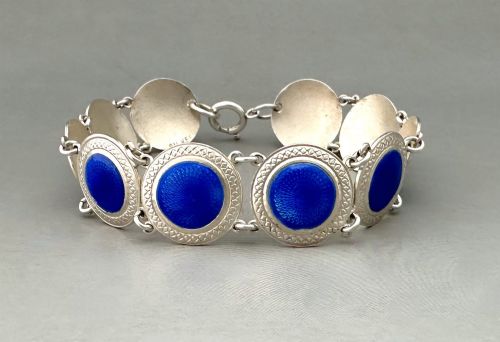
The selection also includes specialised items such as trowel bookmarks with banded agate, cigar cases with silver bands, and enamelled bracelets. These pieces combine practical everyday function with period design aesthetics from Arts and Crafts, Art Nouveau, and Art Deco movements.
How they were made
Makers utilised solid sterling silver, frequently shaping napkin rings and bands through traditional techniques such as hand hammering and embossing. Many pieces incorporate decorative accents of vitreous enamel, guilloche enamel, paste, coral, citrine, moonstone, and banded agate.
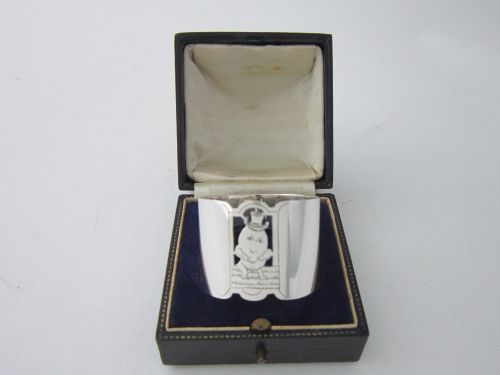
Presentation matters historically, with several items surviving in their original cases lined with silk, velvet, or leatherette. Metal components often bear hallmarks indicating assay offices like Birmingham and London alongside maker marks.
Antique Sterling Silver Band Retail Price Guide 2026
Typical asking prices for sterling silver band among the pieces listed under this phrase on Sellingantiques today, from the lower quarter to the upper quarter. They describe what is for sale here now, not the wider market.
Listings feature items incorporating silk, velvet, leatherette, citrine, moonstone, coral, and banded agate alongside sterling silver.
What varies in quality
Quality rests upon the crispness of the original chasing, the weight and gauge of the sterling silver used in the band, and the intact survival of applied decoration like enamel or gemstones. Pieces by notable makers or those retaining fitted original cases represent the higher tier of the range.
Design ambition also distinguishes standard utilitarian forms from artistic expressions, particularly in pieces featuring German Renaissance Revival details, intricate snake motifs, or specialised Guilloche work.
Albert Edward Jones·Crisford and Norris·Liberty and Co·Cartier·David Andersen
The Antique Sterling Silver Band Glossary
- Sterling silver
- An alloy consisting of 92.5 percent silver and 7.5 percent other metals, usually copper, chosen for structural durability in decorative and functional items.
- Hallmark
- A system of official marks stamped on precious metals showing the assay office, standard of purity, and year of manufacture.
- Guilloche enamel
- A decorative technique where a precise geometric pattern is engraved beneath a transparent layer of vitreous enamel.
- Cabochon
- A gem polished to a smooth convex surface rather than faceted, frequently seen on antique rings.
- Eternity band
- A ring featuring a continuous line of identical gemstones or metalwork symbolising endlessness.
Antique Sterling Silver Band: Frequently Asked Questions
How do I clean a silver band?
Use a soft microfiber cloth specifically designed for silver to gently remove tarnish without harming any inset stones or enamel.
Avoid abrasive dips or harsh scrubbing brushes that can wear away historic hallmarks and delicate surface detailing.
Are these napkin rings standard sizes?
Victorian and Edwardian napkin rings vary in diameter and width, reflecting individual commission and domestic dining customs of the period.
Most accommodate standard linen napkins comfortably while maintaining a substantial weight in the hand.
What periods do these bands date from?
The pieces span the nineteenth and twentieth centuries, encompassing Victorian, Edwardian, George V, and Art Deco eras.
Assay marks and stylistic indicators help narrow down the exact decade of production.
Can antique silver rings be resized?
Resizing depends entirely on the construction of the band and whether continuous patterns or stones encircle the entire hoop.
Plain bands allow straightforward adjustments by a skilled silversmith, while eternity styles require careful assessment.