





Antique Snuff Bottle
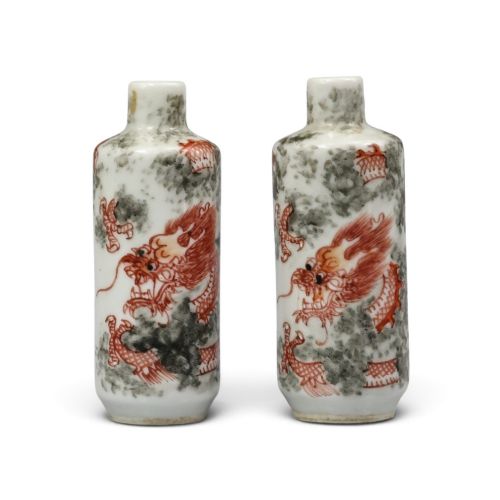
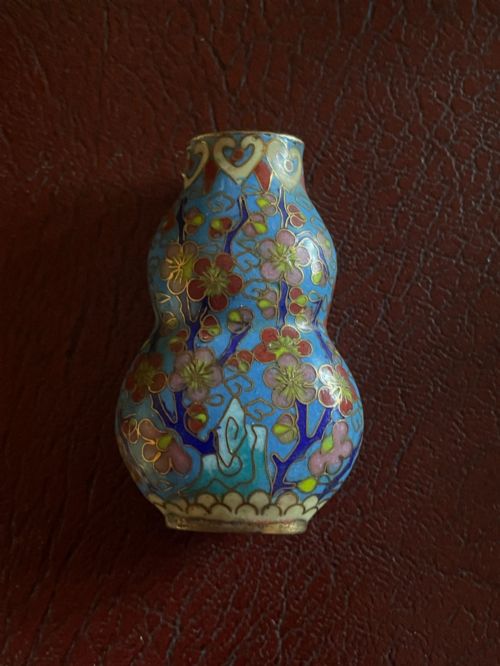
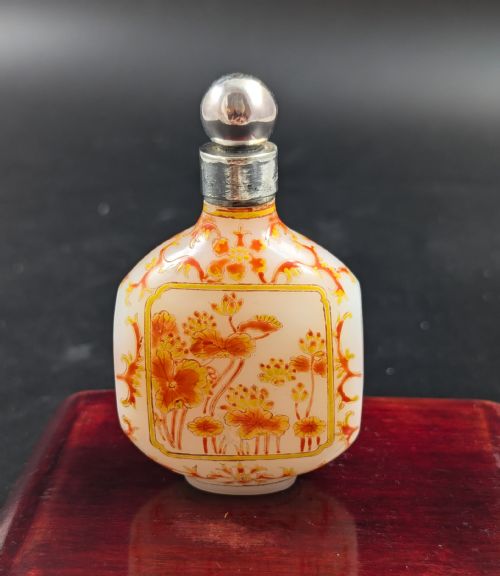
These antique snuff bottle examples are small vessels designed to hold powdered tobacco, offering intricate carving and painted detail.
Antique Snuff Bottle
An antique snuff bottle is a small, portable container created to hold pulverized tobacco during periods when inhaling snuff was fashionable. The versions most commonly encountered on this page originate from the Qing Dynasty and the wider nineteenth century, reflecting global trade and court taste.
Makers shaped these miniature vessels from a diverse array of materials, ranging from porcelain and jade to glass and hardstone. They served as personal accessories for the elite, often carried in pouches or displayed on desks as pocket-sized tokens of status.
The form encompasses standard single chambers alongside double bottles and lidded canisters with fitted stoppers. While many originate from Chinese workshops under Qing rule, European variations also appear in silver and glass.
Materials and construction methods
Carvers shaped hardstones like jade, agate, and rock crystal directly from rough boulders, utilising openwork techniques and natural material inclusions to create contrast. Other pieces rely on blown and overlaid Peking glass, where layers of contrasting colours are carved away to reveal low relief designs.
Ceramic examples employ porcelain bodies painted with famille rose enamels, iron-red pigments, or blue and white underglaze, often finished with a crackle glaze or clear coat before firing. Metalwork bottles incorporate sterling silver, brass, and cloisonné enamelling, sometimes housing internal stoppers of gilt metal.
Antique Snuff Bottle Retail Price Guide 2026
Typical asking prices for snuff bottle among the pieces listed under this phrase on Sellingantiques today, from the lower quarter to the upper quarter. They describe what is for sale here now, not the wider market.
The selection includes works from the Daoguang and Guangxu periods alongside European silver and Venetian glass.
Distinctions in craftsmanship
The division between standard output and the finest examples rests upon the ambition of the carving and the precision of the surface decoration. Master-carved openwork or delicate interior painting demonstrates a level of control that elevates a simple container into a miniature sculpture.
Material selection also dictates the hierarchy, as uniform translucent jade, vibrant rock crystal, or faultless enamel work command greater attention than opaque or heavily flawed mediums. The survival of the original matching stopper adds considerable weight to the integrity of the piece.
Cartier Paris
The Antique Snuff Bottle Glossary
- Famille rose
- A palette of opaque enamel colours dominated by pink or rose tones, introduced during the Qing Dynasty and widely utilised on porcelain vessels. This technique allows for subtle shading on figural scenes and floral motifs.
- Peking glass
- Chinese glass produced from the imperial workshops onwards, often layered in contrasting colours and carved in relief. The process mimics carved hardstone through layered fusion.
- Hardstone
- A general term for semi-precious stones such as jade, agate, and chalcedony used by lapidaries for carving small objects. These materials require abrasive cutting tools rather than simple chisels.
- Cloisonné
- Enamelling technique where thin metal wires are soldered to a metal base to create cells filled with vitreous paste and fired. The surface is then ground smooth and polished.
- Vinaigrette
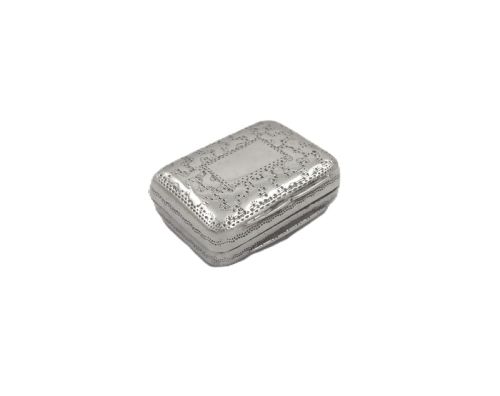
- A small metal box featuring a pierced inner grille, designed to hold a sponge soaked in aromatic vinegar. These Georgian accessories served to mask unpleasant odours.
Antique Snuff Bottle: Frequently Asked Questions
What were antique snuff bottles used for?
These vessels held finely ground tobacco intended for nasal consumption, a custom that spread through global trade courts during the Qing period and European eras.
Owners carried them daily in silk pouches or kept them in cabinets as tactile objects of status and personal reflection.
How do I identify a Qing Dynasty piece?
Look for specific decorative palettes such as famille rose enamels, imperial reign marks, and traditional motifs like dragons or figures from folklore.
The carving style and material choices, including spinach-green jade and crackle glazed porcelain, typically point toward nineteenth-century workshop practices.
Are the stoppers original?
Many surviving bottles retain their fitted stoppers, often fashioned from contrasting hardstone, coral, or gilt metal combined with tiny matching spoons.
Examining the fit and material consistency helps determine whether the stopper has stayed with the vessel since its creation.
How should I display them at home?
Because of their miniature scale, these bottles suit shallow cabinets or illuminated shelf displays where light can pass through translucent jade and glass.
Keeping them away from direct heat protects organic elements like coral and the delicate seals of older stoppers.