
Antique Small Table
An antique small table serves the room without crowding it, offering timber surfaces and sturdy legs from Georgian, Victorian, and Edwardian workshops.
Antique Small Table
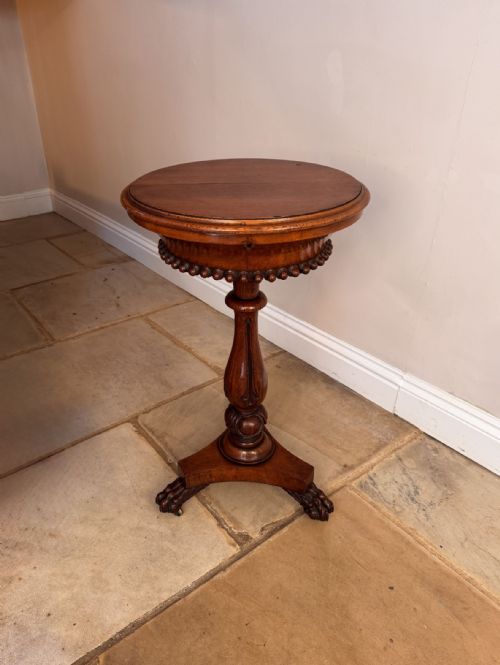
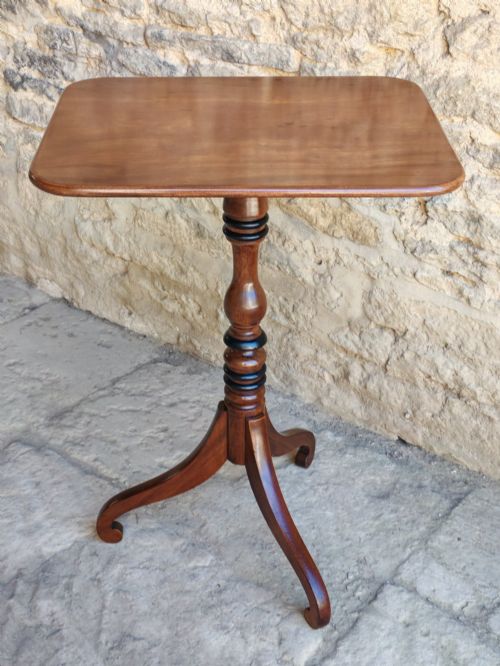
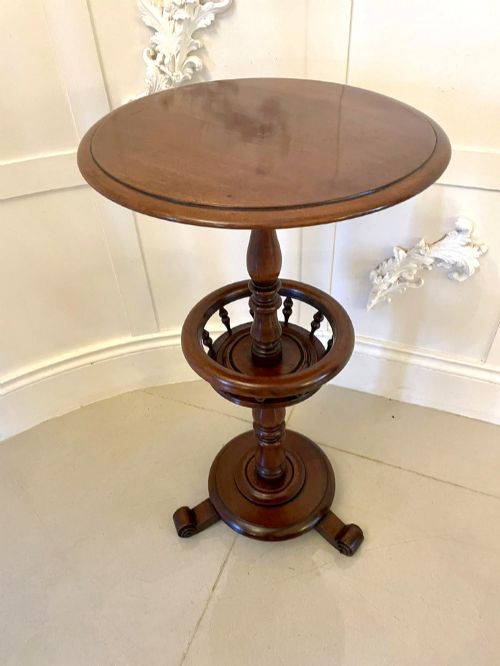
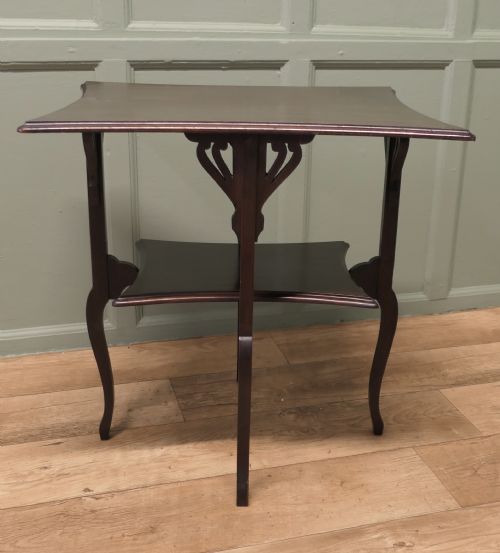
An antique small table encompasses a diverse array of compact furniture forms designed for specific domestic tasks in past centuries. When searching for this phrase, buyers encounter side tables, wine tables, occasional tables, and writing desks produced across the Georgian, Victorian, and Edwardian periods.
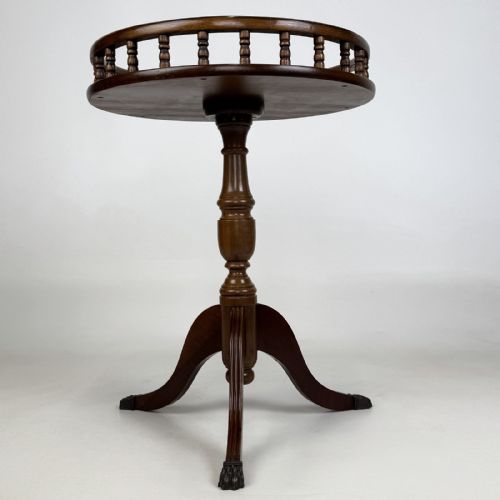
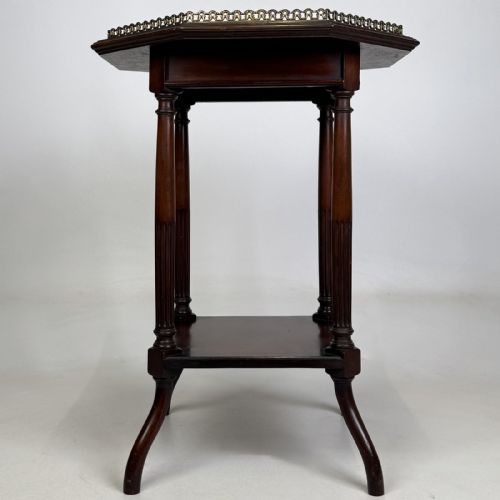
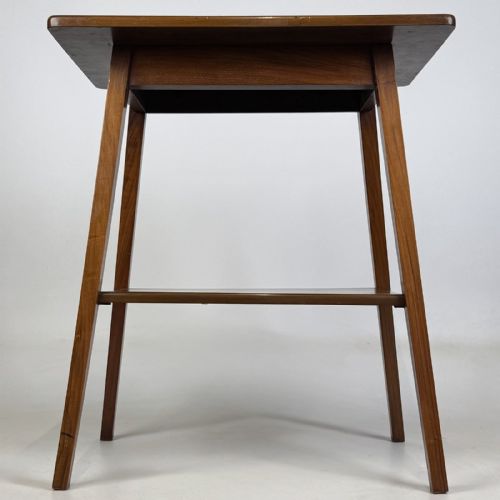
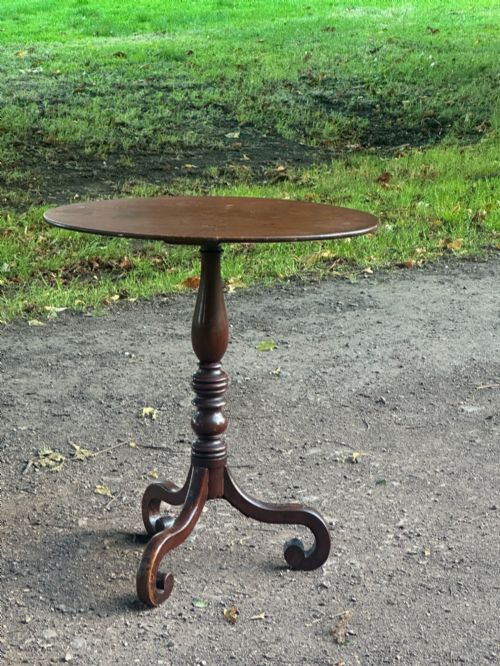
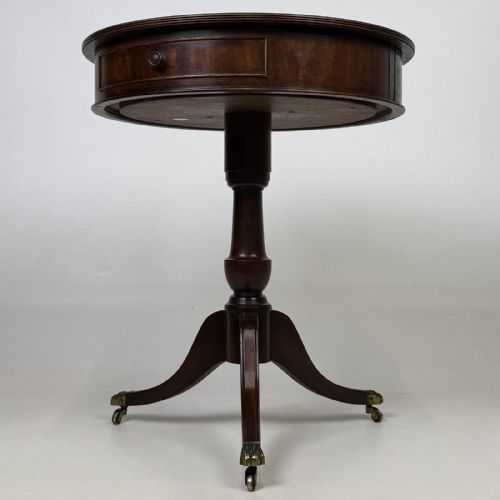
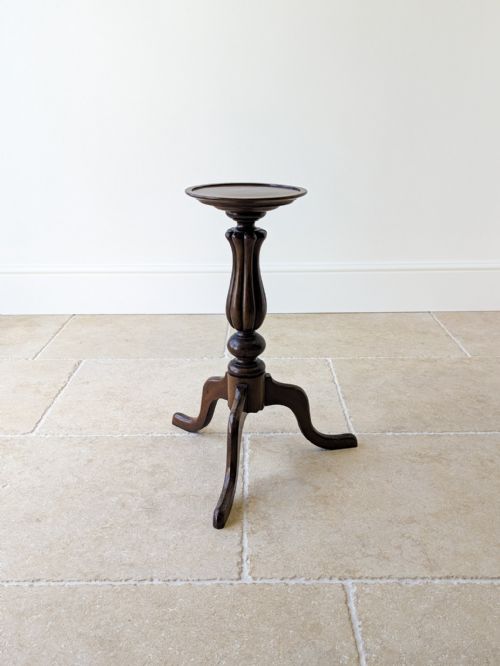
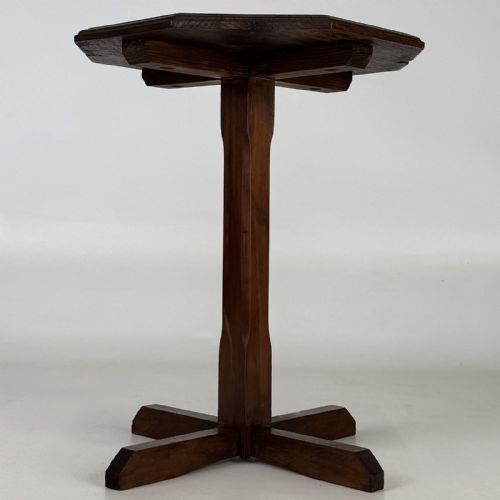
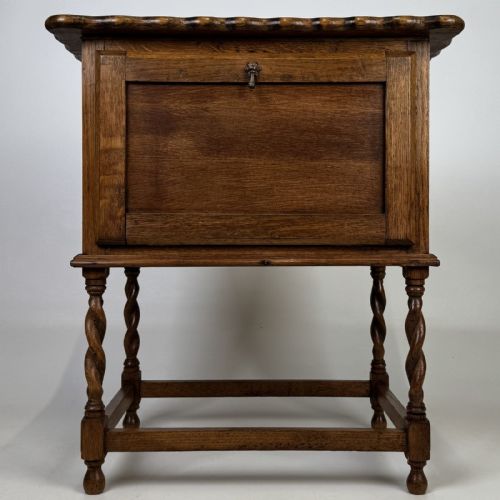
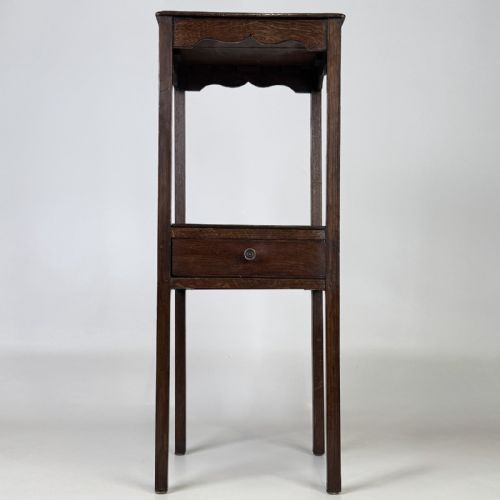
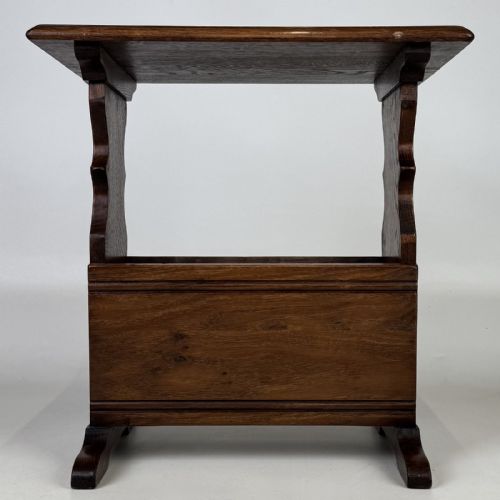
The pieces on this page lean heavily towards versatile formats like tripod wine tables, oak side tables with single drawers, and mahogany occasional tables. These utilitarian items were made to fit easily into modest spaces while providing a stable surface for lamps, books, or drinks.
Origins stretch from the sophisticated mahogany drop-leaf and pembroke designs of the eighteenth century down to the simpler oak and walnut specimens of the early twentieth century. Each period contributes distinct proportions and stylistic cues, from cabriole legs to barley twist supports.
How they were made
Cabinet makers relied primarily on solid hardwoods and choice veneers, selecting mahogany, oak, and walnut for their structural resilience and rich grain patterns. Secondary timbers such as elm frequently reinforced internal frames and drawer linings.
Construction techniques combined traditional joinery with decorative embellishments like wood inlay, brass hardware, and hand-carved details. Turned components including bobbin legs and tripod bases provided sturdy support without adding bulk to the smaller frames.
Some small tables concealed hidden compartments for secret notes or evening libations.
What varies in quality
Superior examples distinguish themselves through the selection of finely figured timbers and the crispness of their carved or turned ornamentation. A piece showing tight, deliberate joinery and balanced proportions immediately separates itself from more utilitarian workshop output.
Edwards and Roberts·Bulstrode Cambridge
The Antique Small Table Glossary
- Tripod base
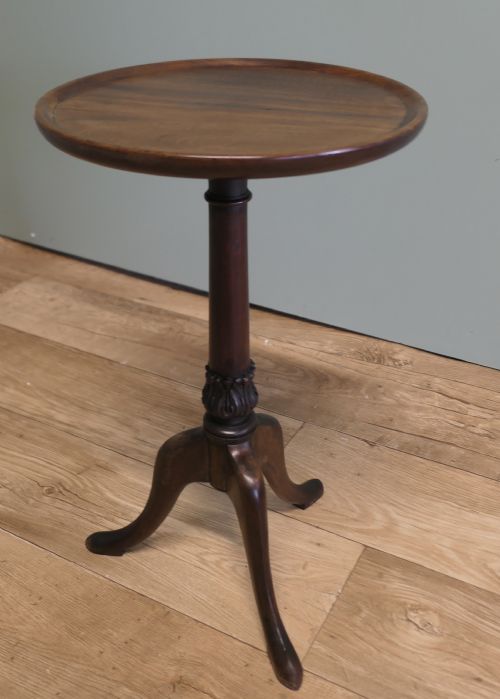
- A support structure comprising three legs radiating from a central pillar. This design ensures stability on uneven floors.
- Pembroke table
- A drop-leaf table with hinged flaps on either side and usually a single drawer. It was popular for breakfasting or writing.
- Parquetry
- Geometric wood mosaic work used for surface decoration. Small blocks of various timbers are arranged in patterned sequences.
- Dishtop
- A table top with a raised, concave rim carved directly from the solid wood. This prevented small objects from rolling off.
- Ormolu
- Gilt-bronze mounts applied to furniture for decorative effect. It gained prominence on fine nineteenth-century writing desks.
Antique Small Table: Frequently Asked Questions
Where should I place a wine table?
A wine table suits narrow spaces beside an armchair or tucked into an empty corner.
Its compact tripod base allows it to sit unobtrusively while keeping a small lamp or glass within arm reach.
How do I care for antique mahogany?
Keep mahogany furniture away from direct sunlight and steady sources of heat to prevent the wood from drying out.
Apply a traditional beeswax polish sparingly to maintain the natural lustre of the timber.
Are oak side tables sturdy?
Oak side tables possess dense hardwood construction that makes them exceptionally robust for daily use.
Their solid frames easily withstand the weight of books, magazines, and everyday domestic items.
How do I identify an Edwardian table?
Edwardian tables often feature lighter woods, satinwood inlay, and delicate tapering legs influenced by earlier neoclassical revivals.
They reflect a shift towards domestic comfort and versatile, smaller-scale furniture for middle-class homes.