
Antique Small Box
An antique small box offers compact storage with historical character, bringing tactile craftsmanship and period materials directly to a desk or table.
Antique Small Box
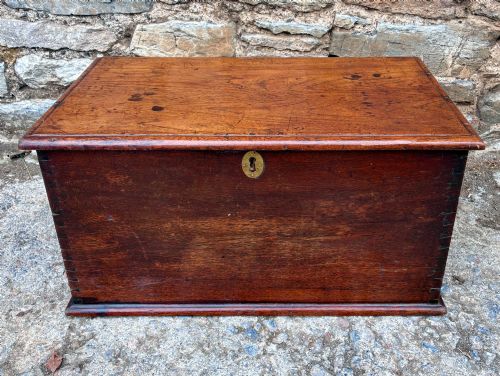
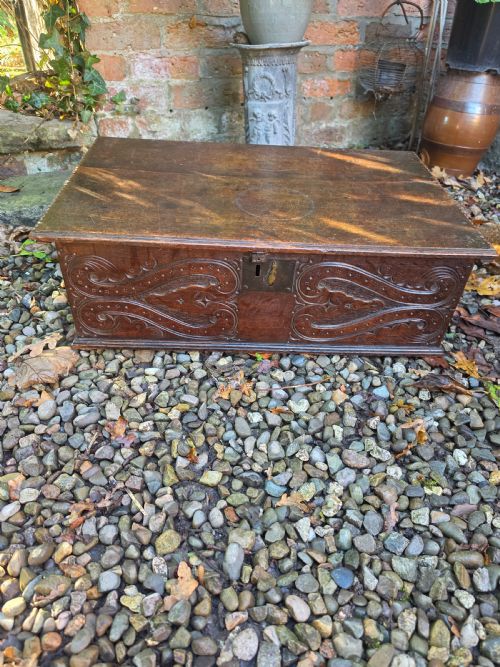
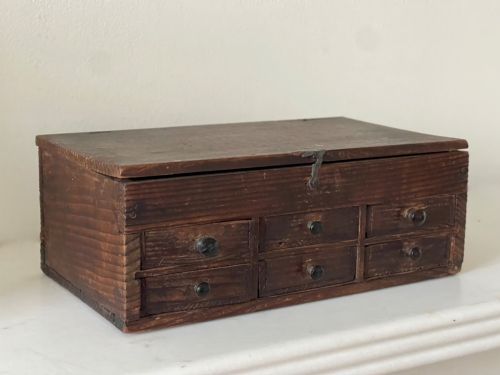
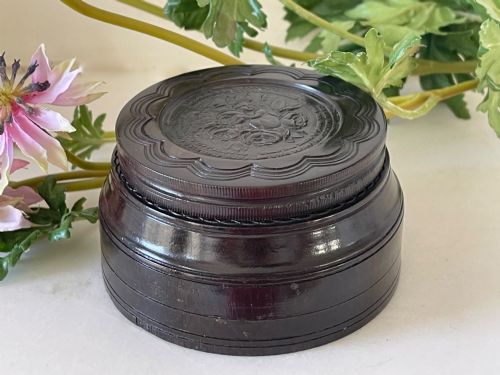
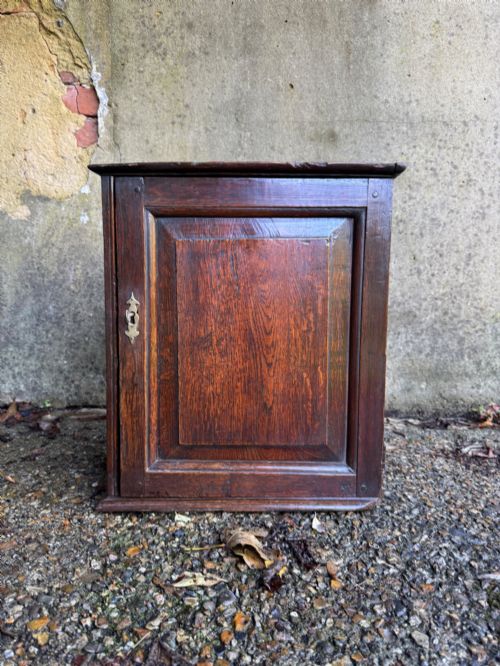
When searching for an antique small box, collectors encounter a diverse range of miniature chests, trinket receptacles, snuff holders, and spice cupboards spanning several centuries. These vessels served practical domestic roles, from holding daily medication and tobacco to securing precious documents and currency.
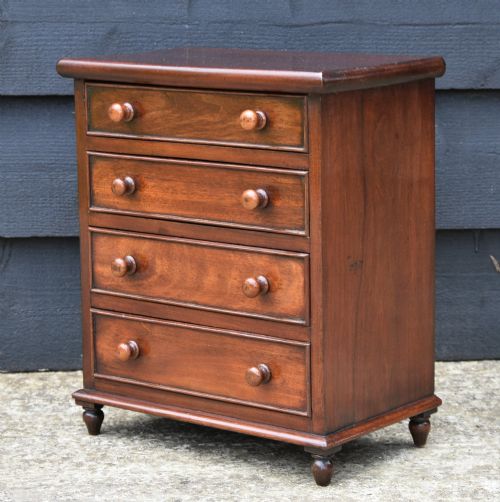
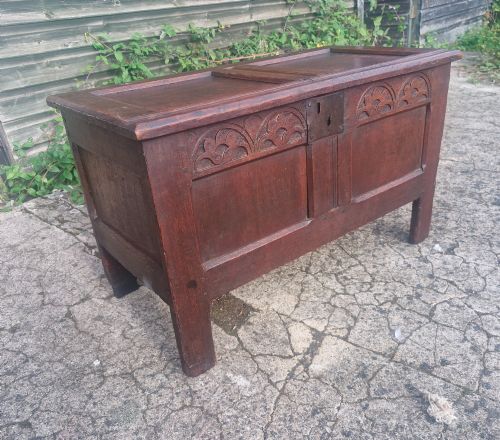
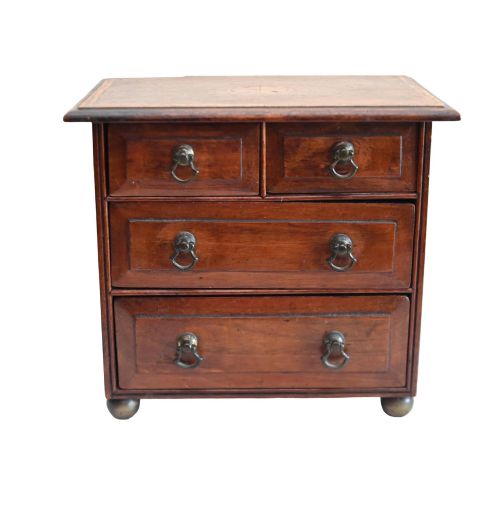
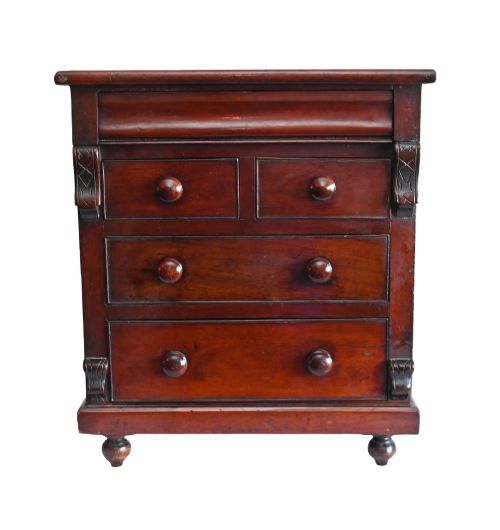
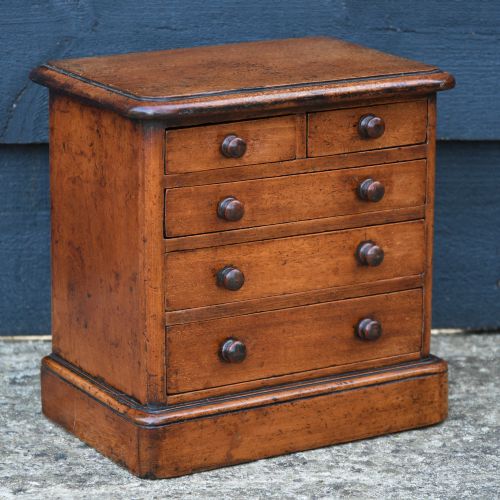
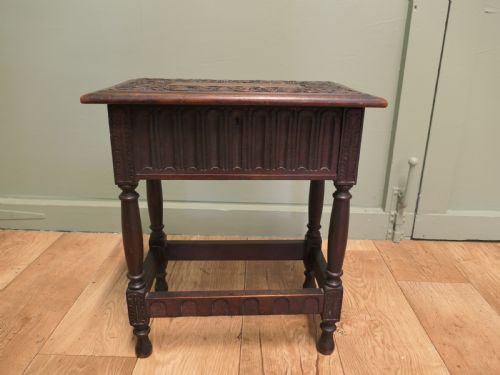
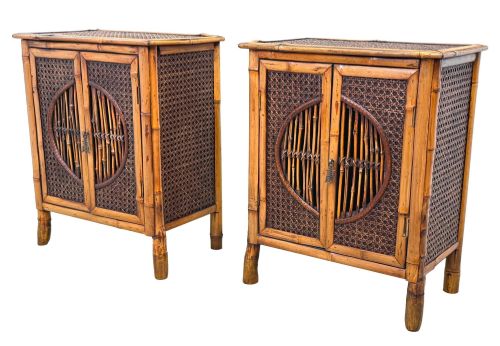
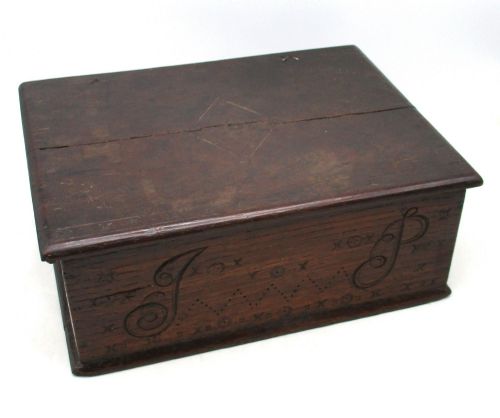
The selections on this page draw predominantly from 17th-century, 18th-century, and Victorian periods, alongside Edwardian and later pieces. Forms vary widely from sturdy oak bible boxes and panelled coffers to delicate silver pill boxes, miniature mahogany drawer chests, and bamboo table-top cabinets.
How They Were Made
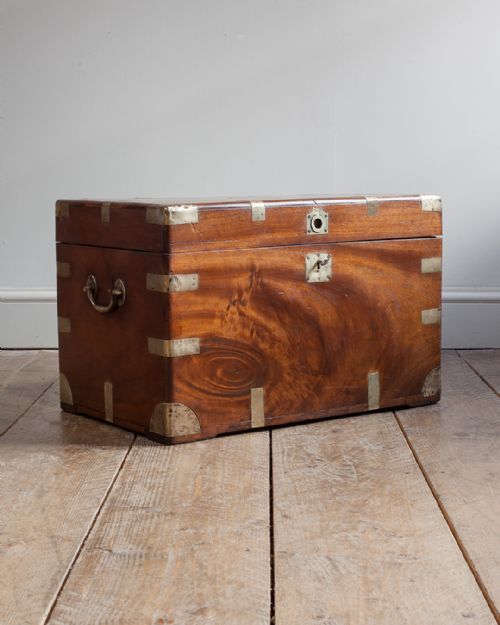
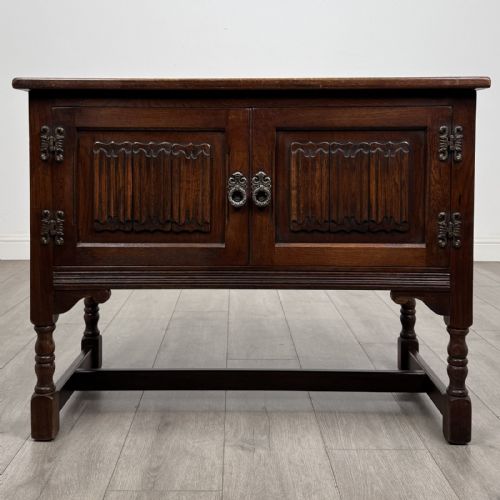
Construction relies heavily on traditional timber working, utilising solid oak, mahogany, walnut, and camphor wood shaped through panelling, dovetailing, and careful joinery. Many early examples feature hand-carved linenfold details or raised panels, reflecting the prevailing style of their respective centuries.
Metal components introduce contrasting elements, incorporating brass hinges, iron locks, and sterling silver or silver-gilt mountings. Specialised techniques such as engine turning, embossing, champlevé enamel, and gilt lacquer elevate smaller containers like snuff and pill boxes into intricate works of art.
What Varies in Quality
Distinctions in quality often rest upon the integrity of the materials and the precision of the joinery, distinguishing utilitarian containers from finely executed apprentice pieces or bespoke cabinets. Original hardware, intact hinges, and unaltered patination significantly elevate a piece.
The refinement of surface decoration, whether through crisp wood carving, detailed silver engraving, or careful engine turning, separates standard workshop production from exceptional examples designed for discerning patrons.
HENRY MATTHEWS·FA BARRETT
The Antique Small Box Glossary
- Apprentice piece
- A miniature furniture item created by a trainee to demonstrate mastery of skills to a guild. These often take the form of small chests of drawers or mule chests.
- Coffer bach
- A small Welsh oak chest featuring a drawer beneath the main compartment. This traditional form served domestic storage needs in rural households.
- Snuff box
- A small container designed to hold powdered tobacco for nasal ingestion. They frequently incorporate precious metals, enamel, or horn with hinged lids.
- Linenfold
- A style of wood carving that imitates folded linen cloth. This ornamental motif appears frequently on 17th-century oak panels and cupboards.
- Engine turned
- A geometric surface pattern mechanically engraved into metal using a lathe. This technique provides texture and grip on small silver boxes.
Antique Small Box: Frequently Asked Questions
What did people store in a small antique box?
These containers held personal valuables, letters, spices, or specialised items like snuff and medicinal pills. Their modest dimensions kept private belongings secure and close at hand.
Larger variants served as miniature furniture or tabletop storage for jewellery, while specialised boxes accommodated pocket watches or apothecary supplies.
How can I date an oak coffer box?
Dating relies on construction methods, timber choice, and surface carving styles. Early pieces from the 17th century often feature hand-split oak panels, pegged joints, and simpler iron hardware.
Later Victorian or Edwardian reproductions often utilise machine-sawn boards, standard modern fixings, and revived historical motifs rather than period joinery techniques.
Were apprentice pieces actually used?
Apprentice pieces functioned primarily as qualifying test projects for woodworkers demonstrating their technical competency. They were built with the same meticulous care as full-sized furniture.
Due to their practical size, owners frequently repurposed them as miniature jewellery chests or decorative tabletop drawers in domestic settings.