



Antique Silver Table Warmer
An antique silver table warmer brings Victorian dining ceremony to life, keeping gravy, butter and serving spoons hot at the table.
Antique Silver Table Warmer
When you search for an antique silver table warmer, you encounter an array of specialised dining vessels designed to keep food and implements heated during formal meals. These pieces span from Georgian dish crosses and Old Sheffield plate warming dishes to elaborate Victorian spoon warmers and Edwardian chafing dishes.
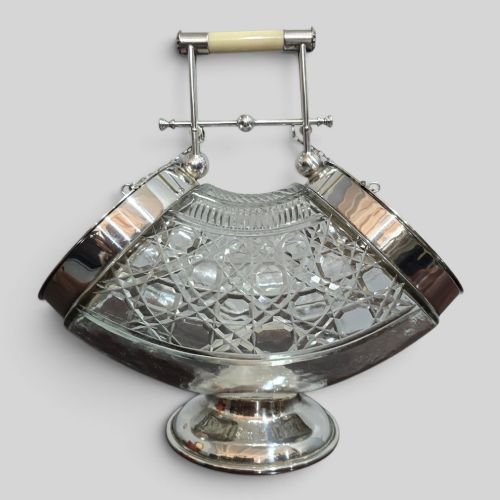
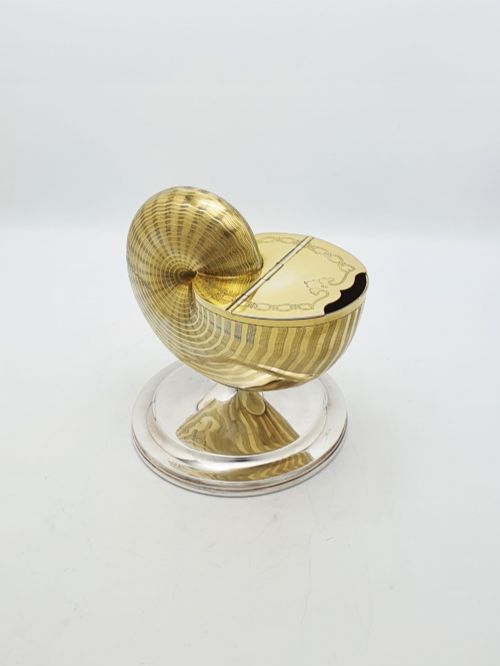
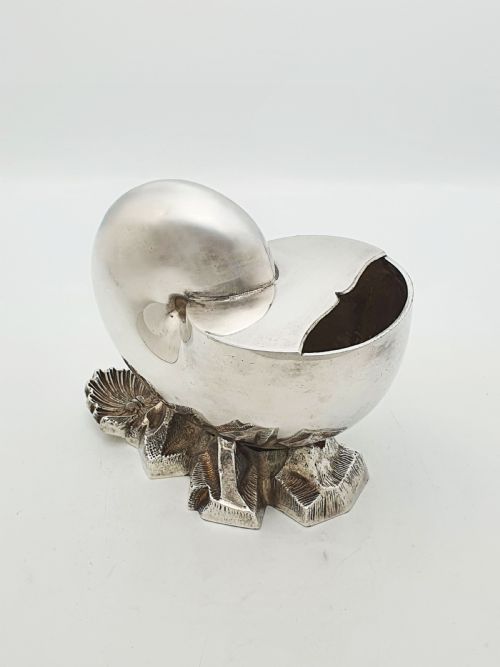
You are most likely to meet silver plated spoon warmers shaped like nautilus shells, ammonites, marine buoys, or novelty shoes, alongside folding biscuit boxes and gravy warmers. Dating predominantly from the nineteenth century into the Edwardian era, these vessels reflect the Victorians' appetite for ornamental utility at the dining table.
The assortment includes specialised forms such as Argyll gravy warmers, rotating dish rings with burners, and multi-compartment biscuit boxes. Each variation served a precise function in maintaining the temperature of sauces, biscuits, or silver spoons during lengthy multi-course banquets.
How they were made
Makers utilised solid sterling silver for elite commissions like eighteenth-century dish crosses, but heavily relied on Old Sheffield plate and later silver plate, including electroplated nickel silver and EPNS, for the vast majority of nineteenth-century warmers. These plated items combined a durable base metal core with a fine exterior layer of silver, achieving the lustre of solid silver at a fraction of the cost.
Craftsmen shaped these metals through hand-hammering, rolling, and casting, often incorporating detailed chasing and applied ornamentation to mimic natural forms like shells and marine buoys. Cut glass inserts frequently accompanied silver plated frames in biscuit boxes and barrels, demonstrating a combination of metalworking and glass-cutting skills.
Antique Silver Table Warmer Retail Price Guide 2026
Typical asking prices for silver table warmer among the pieces listed under this phrase on Sellingantiques today, from the lower quarter to the upper quarter. They describe what is for sale here now, not the wider market.
Object forms on this page include novelty shell spoon warmers, Argyll gravy warmers, folding biscuit boxes, and dish crosses.
What varies in quality
Quality in these warmers rests upon the crispness of the casting and the fidelity of the naturalistic or architectural detail, particularly in novelty pieces such as shell or shoe spoon warmers. Superior examples exhibit sharply defined textures and securely fitted hinged mechanisms that operate smoothly without slack.
The choice of materials also dictates the grade of the piece, with early Old Sheffield plate and solid sterling silver sitting at the upper end of the hierarchy, followed by substantial Victorian silver plate and later electroplated wares. Maker marks from established firms indicate higher standards of silversmithing and better preservation of the underlying silver layer.
Padley Parkin And Staniforth·Elkington·The Alexander Clark·Gioielleria Agliardi Cassino
The Antique Silver Table Warmer Glossary
- Old Sheffield Plate
- A fused composite material made by melting a sheet of sterling silver to a thicker base of copper. This technique was largely superseded by electroplating in the mid-nineteenth century.
- EPNS
- Electroplated Nickel Silver, a common base material introduced in the nineteenth century for silver plated wares. It provides a durable foundation for the applied silver coating.
- Argyle
- A specialised gravy or sauce warmer featuring an internal hot water jacket or core. This design kept sauces warm at the table without burning the contents.
- Dish Cross
- An adjustable or fixed cross-shaped metal stand placed over a spirit burner. Georgian examples supported serving dishes above a direct heat source.
- Spoon Warmer
- A Victorian vessel filled with hot water to keep serving spoons warm. They frequently took whimsical forms such as shells, marine buoys, and shoes.
Antique Silver Table Warmer: Frequently Asked Questions
How were spoon warmers used?
Victorian diners filled spoon warmers with hot water to warm serving spoons before they touched cold dishes or ice cream. This prevented the cutlery from chilling delicate foods at the table.
They sat upon the sideboard or dining table as both decorative conversation pieces and practical heating vessels. The spoons rested inside or against the container until needed for serving.
What is the difference between Old Sheffield plate and EPNS?
Old Sheffield plate involves fusing a sheet of silver to a copper core through heat and pressure before rolling them together. This laborious technique creates a distinct metal sandwich visible at cut edges.
EPNS, or electroplated nickel silver, relies on an electrical current to bond a silver coating onto a nickel alloy base. Introduced later in the nineteenth century, it allowed for cheaper and faster mass production of table warmers.
How do you date an antique table warmer?
Dating relies on maker marks, style markers, and manufacturing techniques recorded on the piece. Georgian pieces often feature sterling silver hallmarks and simpler dish cross designs, whereas Victorian items lean toward naturalistic silver plate novelty shapes.
Registration marks stamped into nineteenth-century metalwork provide precise registration years for specific designs. Additionally, the shift from Old Sheffield plate to electroplating helps narrow down the period of manufacture.