






Antique Serving Slice
An antique serving slice brings genuine elegance to the dining table, offering a functional piece of heritage tableware designed to lift and present food with absolute grace.
Antique Serving Slice
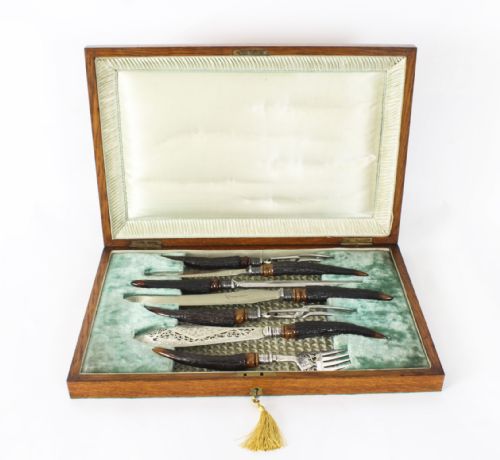
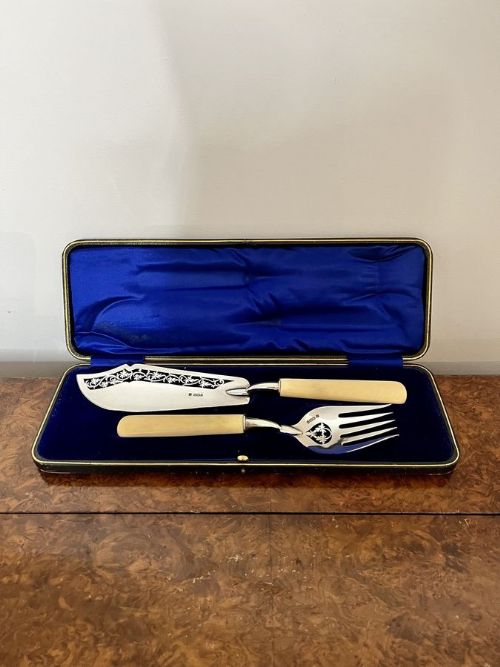
An antique serving slice is a specialist piece of cutlery designed for serving specific dishes at the table, most commonly taking the form of fish servers, cake servers, and ice cream servers. When you search for an antique serving slice, you encounter diverse forms ranging from solid silver pierced blades to matching sets accompanied by forks.
The pieces available originate across several distinct periods, including the Georgian, Victorian, Edwardian, and mid-century eras. You will frequently find sterling silver and silver-plated examples, often paired with handles made from bone, stag antler, or horn.
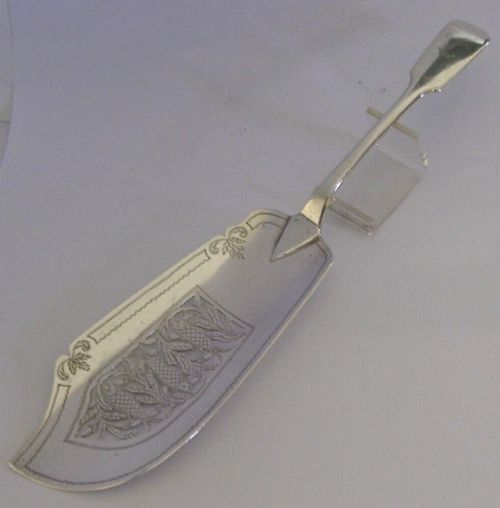
Designs span various historical styles such as George IV, William IV, Art Deco, and Mid-Century Modern. Certain specimens feature family crests, intricate engraving depicting hunting scenes or dogs, and delicate pierced work upon the blade.
How they were made
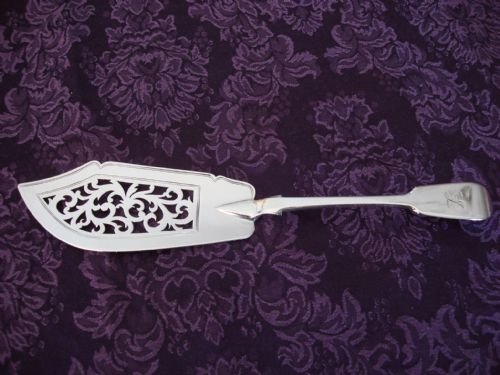
Makers utilised traditional silversmithing techniques to forge the blades from sterling silver or silver plate, frequently employing piercing saws to create intricate openwork patterns. This delicate fretwork reduced weight and allowed fluid drainage when lifting delicate foods.
Antique Serving Slice Retail Price Guide 2026
Typical asking prices for serving slice among the pieces listed under this phrase on Sellingantiques today, from the lower quarter to the upper quarter. They describe what is for sale here now, not the wider market.
Several Victorian fish servers feature charming hand-engraved hunting dogs on the blade, adding canine character to the dining table.
What varies in quality
The standard of craftsmanship shows in the depth and precision of the blade piercing, alongside the crispness of any hand engraving. Finer examples display balanced proportions between the handle and the functional head.
The choice of handle material and the quality of the metal hallmarks or silver plating dictate the standing of a piece within its period. Matched pairs and cased sets generally represent a higher tier of domestic dining luxury.
Georg Jensen·Thomas Daniell·George Adams·Charles Boyton
The Antique Serving Slice Glossary
- Sterling silver
- A silver alloy containing 92.5 percent pure silver and 7.5 percent other metals, usually copper, ensuring durability for tableware.
- Silver plate
- A base metal foundation coated with a thin layer of pure silver through electrochemical or mechanical processes.
- Pierced blade
- A flat metal serving surface cut through with decorative geometric or floral apertures to lighten the utensil.
- Fiddle pattern
- A traditional nineteenth-century cutlery handle shape featuring a narrow stem that broadens smoothly towards the terminal into a shoulder resembling a violin.
- Hallmark
- An official stamp applied to precious metals indicating the standard of purity, the assay office, and the date letter.
Antique Serving Slice: Frequently Asked Questions
What is a serving slice used for?
An antique serving slice is traditionally utilised at the dining table for portioning and lifting specific foods such as fish, cake, and ice cream. The broad, flat blade supports delicate items safely during transfer from a serving platter to an individual plate.
Many examples include a matching fork designed to steady the food while the slice bears the weight. This specialised cutlery ensures formal meals maintain proper etiquette and presentation.
How do I clean silver serving slices?
Silver serving slices require gentle hand washing with warm water and a mild, non-abrasive dish soap. Dry them thoroughly with a soft cloth immediately afterwards to prevent water spots and tarnishing.
Avoid using harsh chemical dips that can strip away desirable antique patina or damage organic handle materials like bone and antler. Periodic polishing with a dedicated silver cloth preserves the shine safely.
Can I use these for modern dining?
These serving pieces function admirably during contemporary dinner parties, adding historic character and tactile warmth to modern table settings. They handle cakes, tarts, and fish courses just as effectively today as they did in past centuries.
Careful handling ensures these enduring items remain functional heritage objects. Hand washing preserves the integrity of the silver and the historic handle materials for everyday enjoyment.
How do I date a silver slice?
Dating a silver serving slice involves reading the hallmarks stamped onto the metal, which typically include assay office marks, maker's marks, and date letters. Reference tables correlate these specific symbols to exact years of production.
Stylistic indicators such as the handle shape, blade engraving, and overall form provide secondary clues when hallmarks are rubbed or absent. Victorian and Georgian pieces display distinct design characteristics unique to their respective eras.