




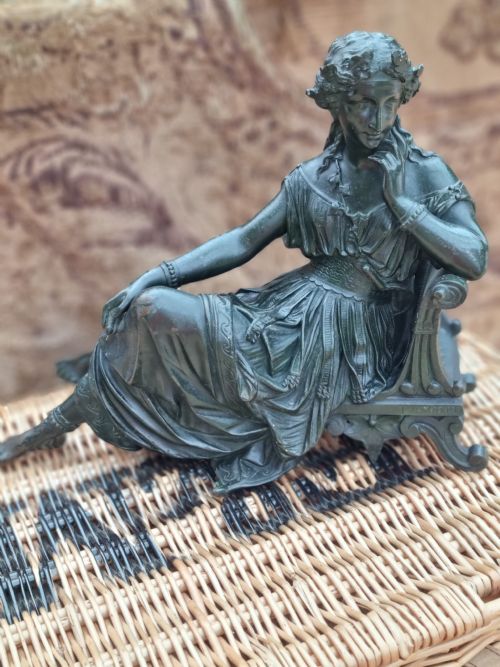


Antique Seated Lady
These antique seated lady pieces bring oil paintings, carved walnut chairs, and bronze figures together into one tangible collection.
Antique Seated Lady
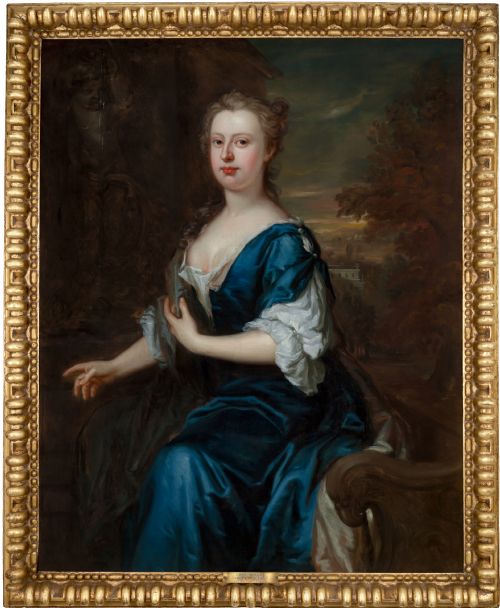
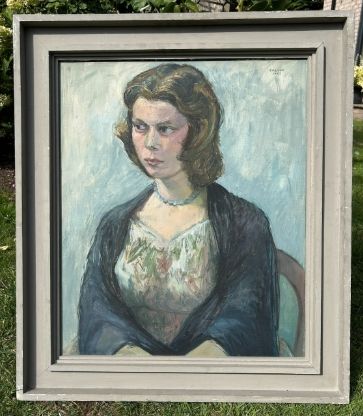
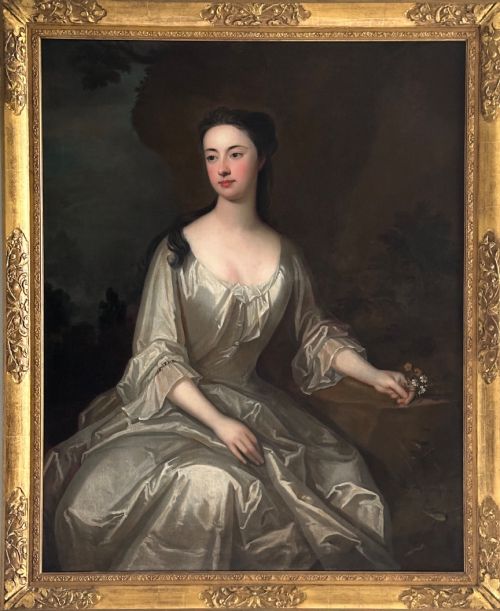
When you search for an antique seated lady, you encounter a diverse group of objects spanning centuries, from oil paintings on canvas to bronze sculptures and low-slung Victorian chairs. The items on this page lean heavily towards two distinct forms: framed portraits of women sitting in landscapes or interiors, and carved wooden ladies chairs designed for the drawing room.
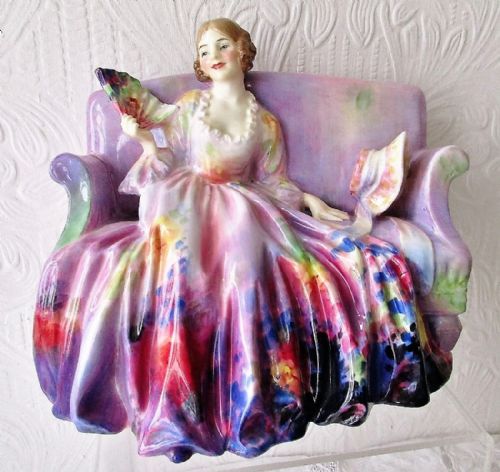
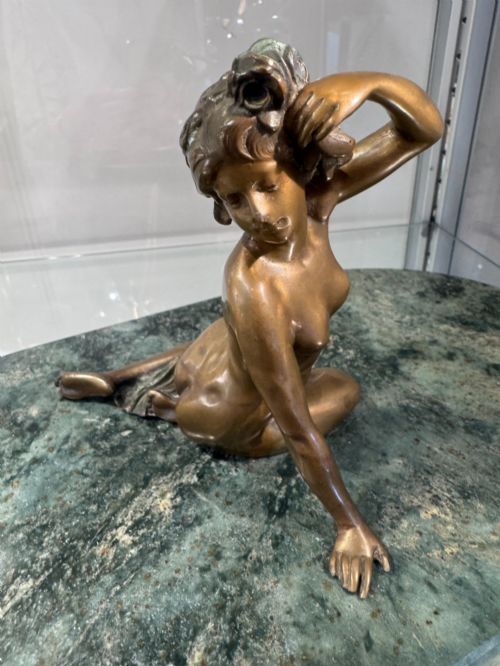
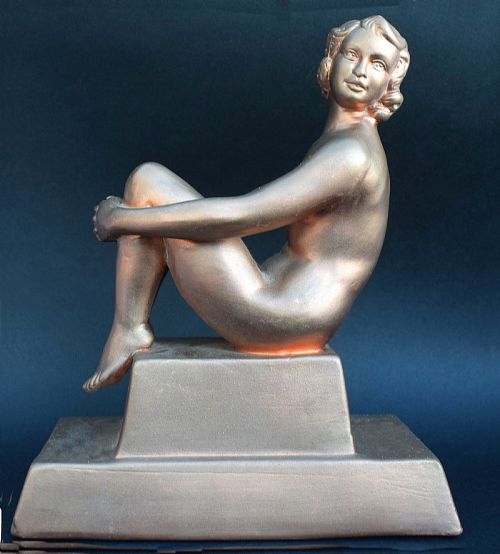
The portrait group includes oil paintings and miniatures dating from the eighteenth century through the Edwardian period, often capturing subjects in specific dress or contemplative settings. Alongside these flat works sit three-dimensional interpretations, such as Art Nouveau bronze figures and biscuit porcelain statues depicting women at rest.
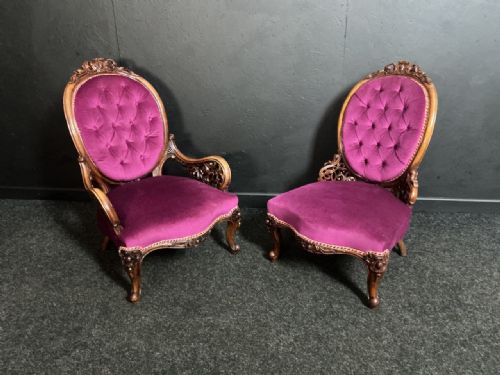
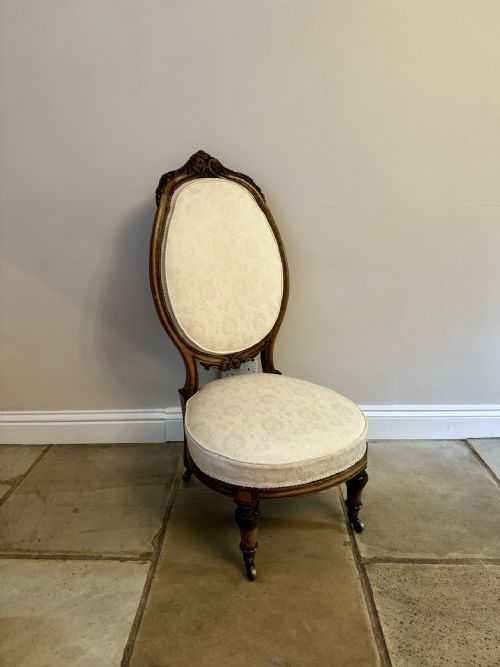
Seating forms a major portion of the selection, particularly nineteenth-century walnut and mahogany ladies chairs with low seats and upholstered backs. You will also find regional variations like Orkney chairs and campaign folding chairs, each built for comfort and social positioning in period interiors.
Materials and construction
The makers of these paintings utilised oil on canvas, pastel, and panel, applying pigment with brushwork that defines the fabric folds and facial expressions of the sitters. Frames often consist of gilded wood or simple moulding that complements the canvas within.
For the chairs, cabinetmakers turned to dense hardwoods including walnut, mahogany, rosewood, and oak, frequently shaping the frames with carved ornamentation. Upholstery techniques involved traditional stuffing secured with fabric, supporting the low profiles characteristic of ladies drawing room seating.
Antique Seated Lady Retail Price Guide 2026
Typical asking prices for seated lady among the pieces listed under this phrase on Sellingantiques today, from the lower quarter to the upper quarter. They describe what is for sale here now, not the wider market.
One Edwardian canvas captures a chirpy lady posing alongside her loyal dog.
Judging the range
Quality in the painted portraits rests upon the draftsmanship of the hands and face, alongside the preservation of the pigment and canvas. Finer canvases display confident brushwork and depth in the background landscape, whereas simpler works rely on rigid lines and flat tones.
In the seating and figures, superiority shows in the crispness of the wood carving, the weight of the bronze casting, and the structural integrity of the frame. Pieces that retain their original upholstery fabric or feature detailed turning demonstrate greater workshop ambition than plain utility versions.
W R Waters·Adriana Verelst·Honore Cavaroc·Smith of London·John Raphael Smith·Pierre Hebert·William Owen·J Cecil Bradshaw
The Antique Seated Lady Glossary
- Ladies chair
- A low-backed Victorian armchair designed specifically for women to sit comfortably in heavy skirts and crinolines. These seats often feature walnut or mahogany frames with open sides.
- Oil on canvas
- A painting medium where pigments are suspended in drying oils and applied to stretched canvas cloth. This combination allows for rich colour blending and durability over centuries.
- Biscuit porcelain
- Unglazed ceramic fired to a matte, porous finish that resembles fine marble. It was frequently utilised for nineteenth-century decorative figures and portrait statues.
- Orkney chair
- A traditional Scottish vernacular seat constructed from oat straw and driftwood. They feature high protective hoods and low seats built to shield occupants from drafts.
Antique Seated Lady: Frequently Asked Questions
What is a ladies chair?
A ladies chair is a low Victorian seating form built with an open side and a short back to accommodate the wide skirts of the period.
These pieces typically feature carved walnut or mahogany frames and were placed in drawing rooms for social seating.
How do you date portrait paintings?
Dating relies on the costume of the sitter, the style of the hair, and the framing materials used by the artist.
Signatures, inscriptions on the reverse, and the weave of the canvas also provide clues to the decade of creation.
Where were Orkney chairs made?
Orkney chairs originate from the remote Scottish islands where makers wove oat straw around wooden frames.
These vernacular pieces served practical functions in draughty northern homes.
What is biscuit porcelain?
Biscuit porcelain is unglazed ceramic fired once to create a smooth, matte surface similar to white marble.
Nineteenth-century makers utilised this material for small sculptural figures and portrait statues.