

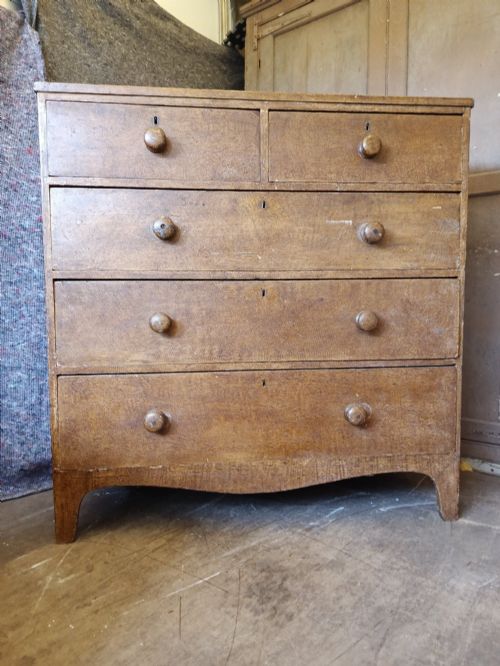


Antique Scumbled Chest
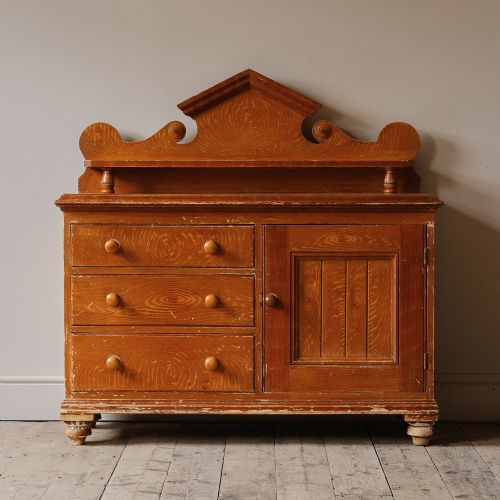
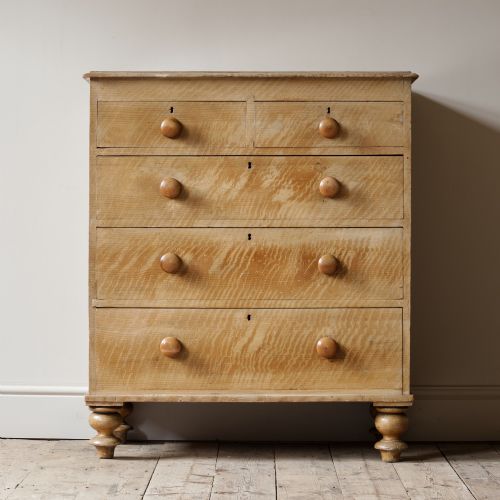
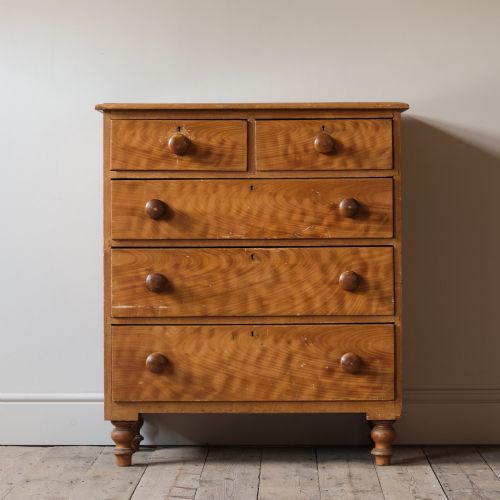
An antique scumbled chest brings genuine texture to a room, offering robust storage disguised by decorative painted graining.
Antique Scumbled Chest
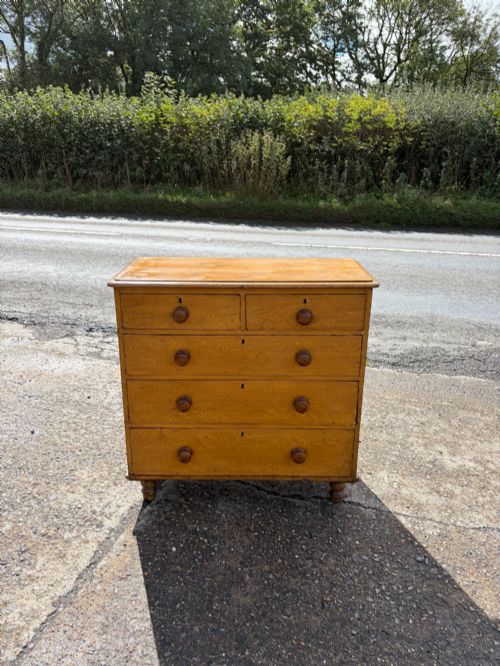
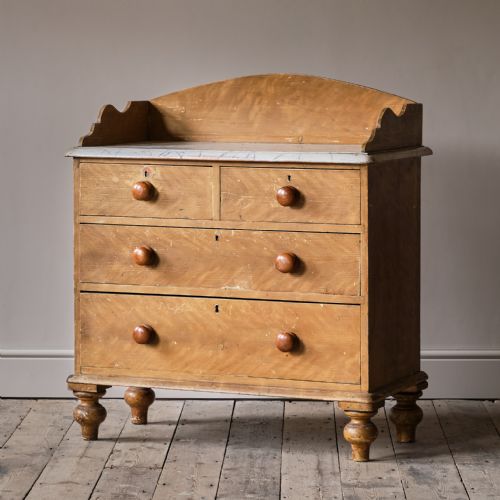
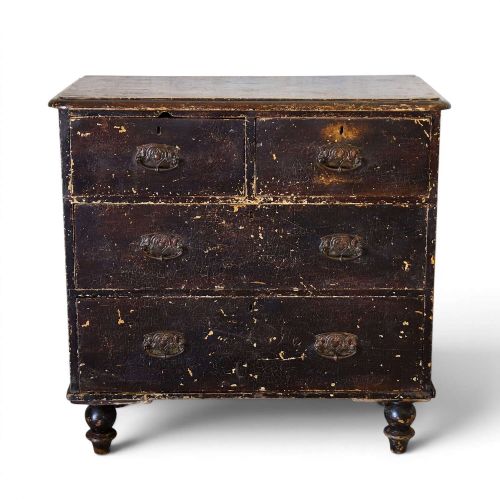
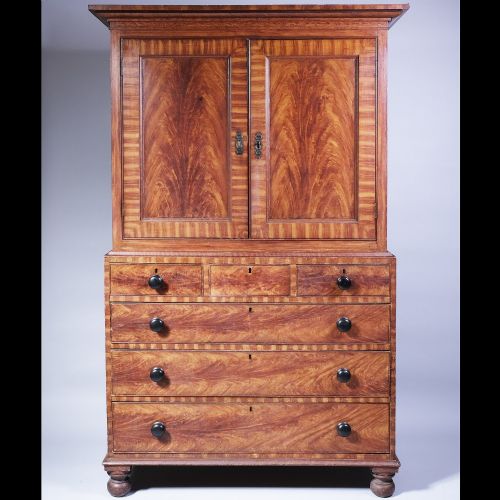
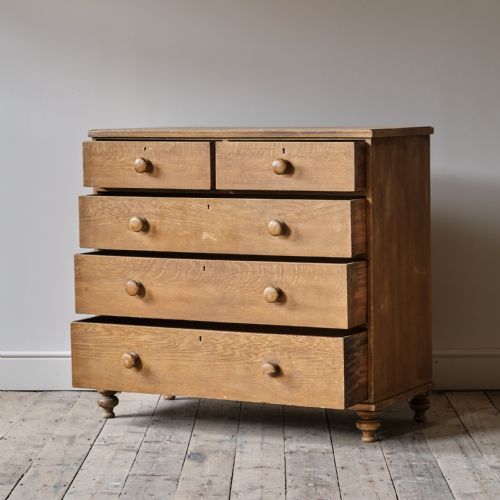
An antique scumbled chest is a practical storage piece finished with a translucent glaze manipulated over a lighter base colour to imitate the rich grain of expensive timber. You will most frequently meet chests of drawers and storage boxes made from pine during the nineteenth century and the Victorian period.
The selection ranges from simple country house blanket boxes and washstand chests to larger Scottish chests and housekeepers cupboards. These pieces reflect regional vernacular tastes spanning rustic farmhouse styles and folk art traditions.
How they were made
Carpenters constructed the carcase and drawers primarily from solid pine, utilising iron and brass for hinges, escutcheons, and drawer pulls. The defining characteristic involves applying layers of oil-based paint and glaze, then working the surface with combs, feathers, or rags while wet to simulate oak, mahogany, or walnut.
Surfaces often received a protective clear varnish once the patterned glaze dried, helping preserve the delicate painted illusions through decades of domestic use.
Antique Scumbled Chest Retail Price Guide 2026
Typical asking prices for scumbled chest among the pieces listed under this phrase on Sellingantiques today, from the lower quarter to the upper quarter. They describe what is for sale here now, not the wider market.
What varies in quality
Quality rests entirely in the skill of the original decorator and the preservation of the surface pattern. A master painter achieved depth and movement that fools the eye, whereas lesser examples appear flat or muddy.
The integrity of the underlying pine structure, smooth operation of the drawers, and survival of original hardware also determine the standing of each piece.
The Antique Scumbled Chest Glossary
- Scumble
- A translucent or semi-opaque layer of oil paint brushed over a lighter base coat to create decorative effects. Craftsmen manipulated this wet glaze to imitate fine wood grain.
- Graining
- The decorative art of painting surfaces to resemble the natural grain patterns of timber. It allowed simpler woods like pine to mimic costly hardwoods.
- Mule chest
- A traditional storage chest featuring one or two drawers at the bottom beneath a lift-top compartment. They bridge the gap between standard blanket boxes and chests of drawers.
- Washstand chest
- A lower chest of drawers designed to hold a washing basin and water jug on the top surface. They frequently appear in nineteenth-century domestic settings.
Antique Scumbled Chest: Frequently Asked Questions
What is a scumbled chest?
A scumbled chest is a wooden storage box or set of drawers decorated with a specialist painted glaze technique. This decorative finish mimics the appearance of expensive timber like oak or walnut.
Most surviving examples date from the nineteenth century and utilise sturdy pine beneath the decorative painted surface.
How do I clean a scumbled surface?
Clean these delicate painted surfaces using only a dry microfibre cloth or a very softly dampened duster. Avoid harsh chemical cleaners, detergents, or excessive moisture which can lift the historic glaze.
Wax polish is occasionally suitable if the original varnish remains intact, but test a hidden area first.
Are these chests made of solid wood?
The pieces on this page are constructed primarily from solid pine. Carpenters used this accessible softwood for the main body and drawers before applying the decorative paint finishes.
Metal fittings such as brass handles and iron hinges are typically original to the period.
How can I tell the period of a chest?
Dating relies on construction methods, drawer dovetails, and the specific style of the hardware used. Nineteenth-century pieces often show hand-cut joints and distinct regional proportions.
The colour palette and application style of the scumble glaze also offer strong clues to the Victorian era.