
Antique Sculpture Art
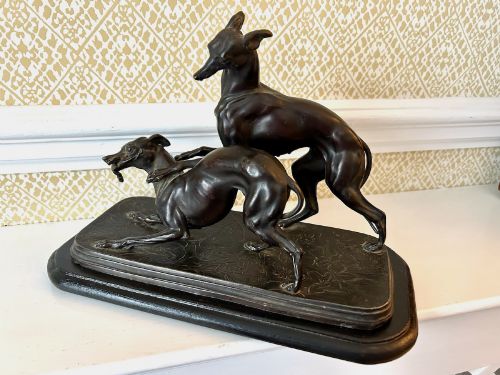
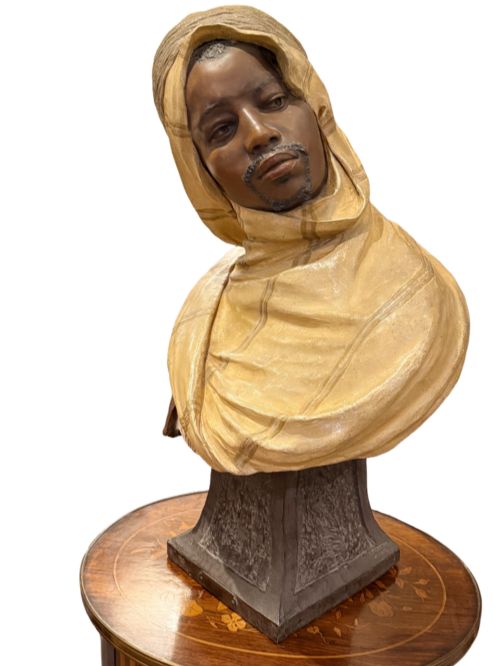
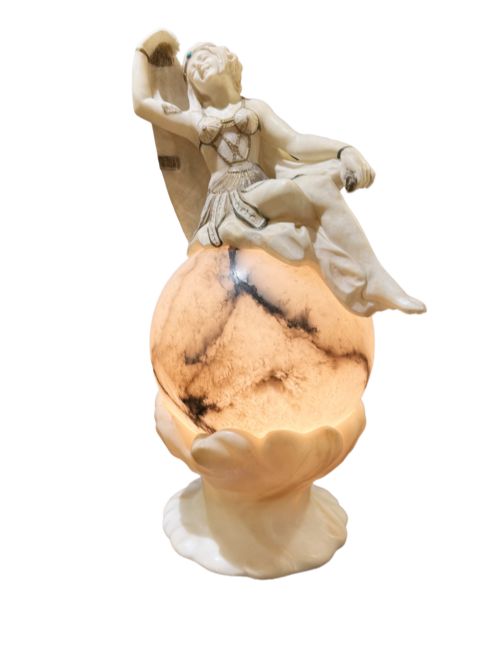
Antique sculpture art brings together centuries of carved figures, cast metals and moulded forms that collectors display for their presence and detail.
Antique Sculpture Art
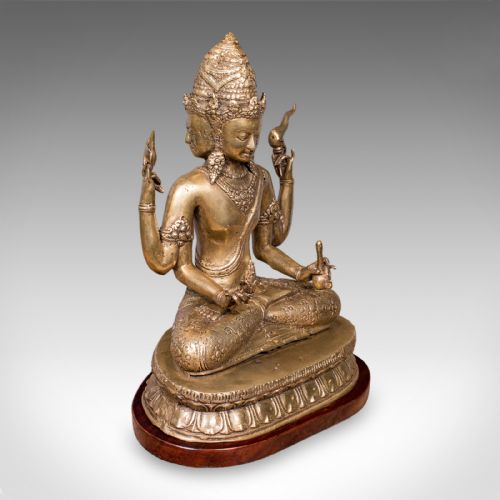
Antique sculpture art encompasses a diverse range of objects spanning multiple centuries, from devotional icons and religious statues to decorative figures and animal studies. When exploring antique sculpture art, buyers frequently encounter works shaped by distinct regional traditions, including European foundry casts and Asian carved figures.
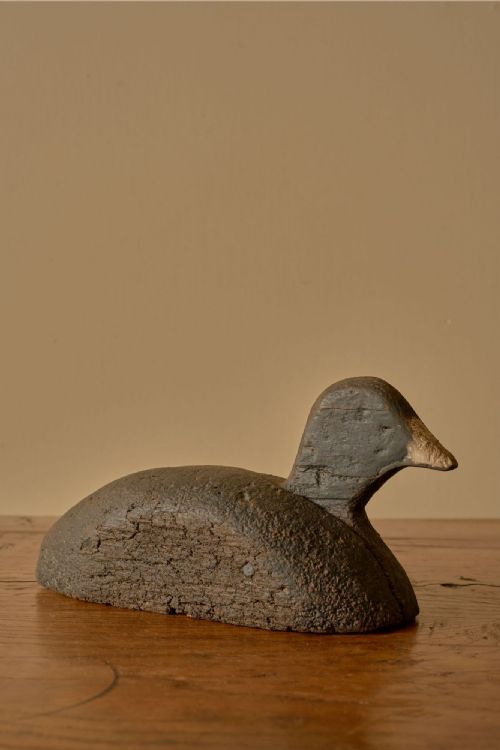
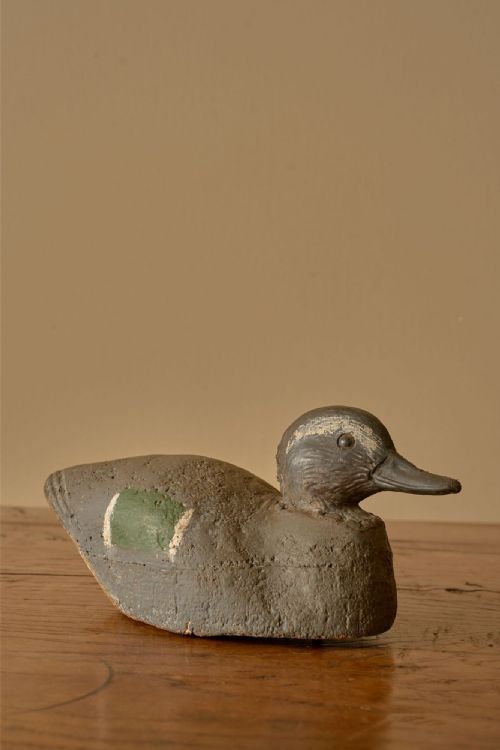
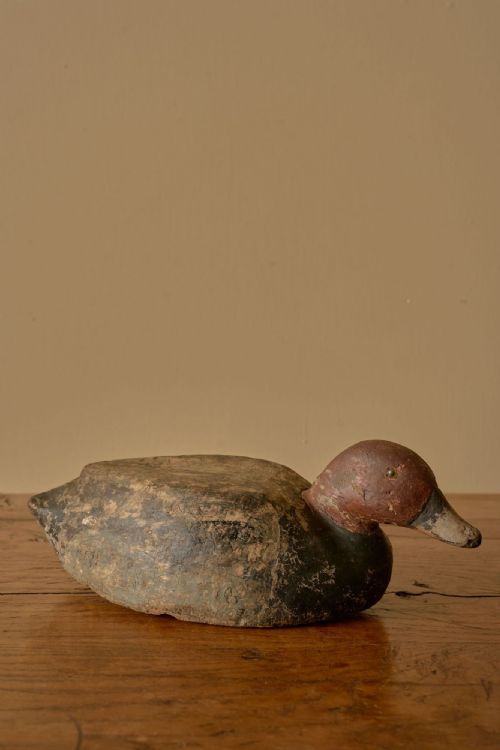
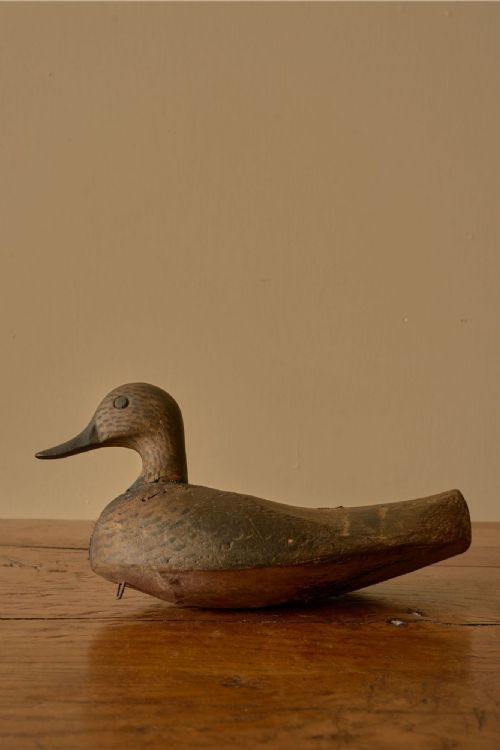
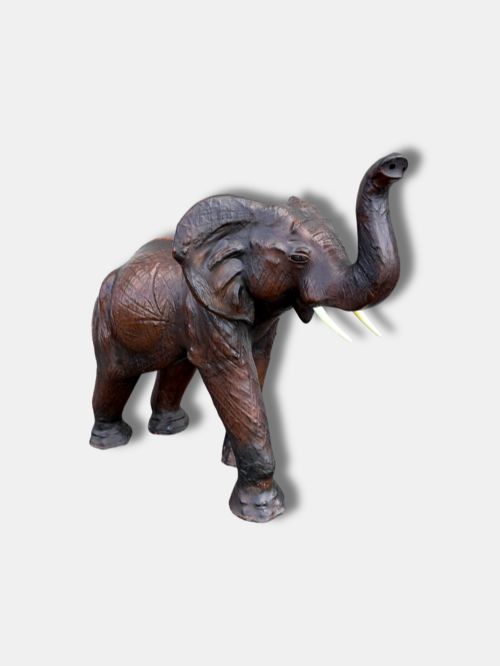
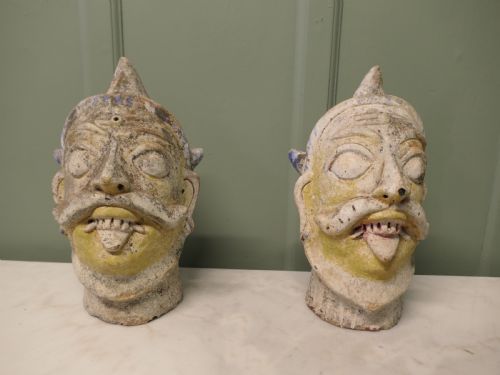
The selection here includes carved wooden decoy ducks from the early twentieth century alongside polished bronze figures, terracotta busts, and carved stone devotional pieces. These objects serve as both decorative focal points and historical artefacts reflecting the materials and styles of their respective periods.
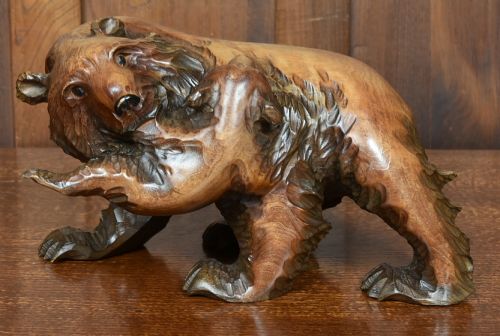
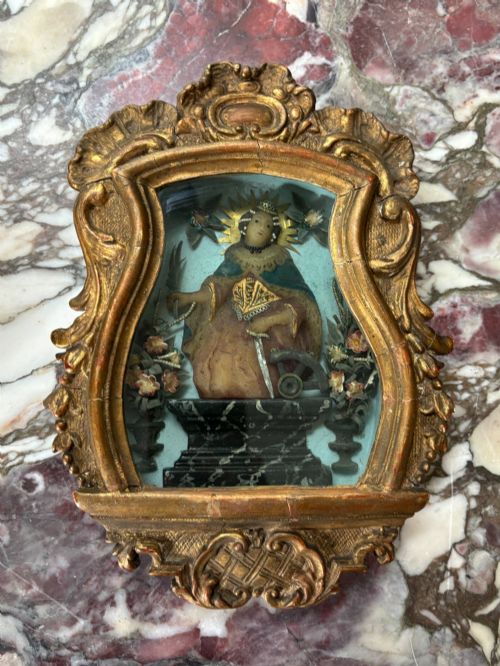
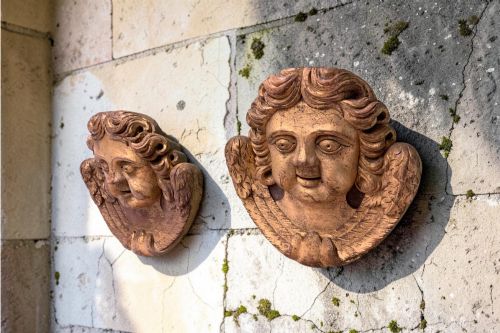
Originating from varied cultural contexts, these works range from Japanese folk art bear carvings and Balinese bronze figures to French church carvings and Art Deco athletic studies. Each piece demonstrates the specific sculptural methods and aesthetic priorities of the maker and era.
How they were made
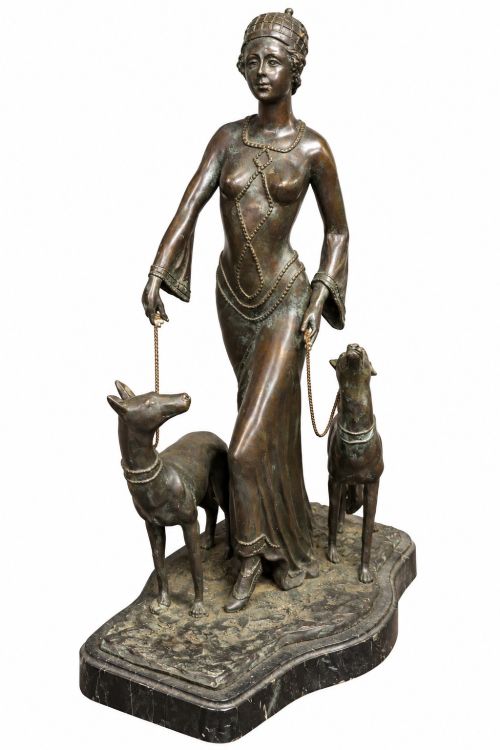
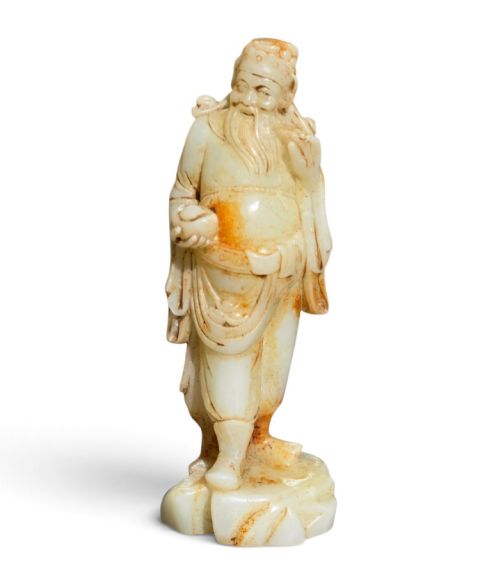
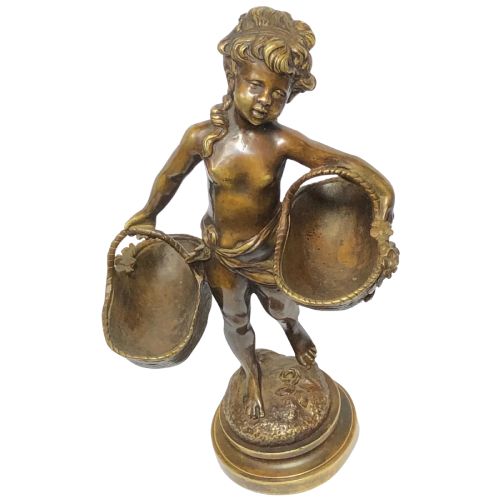
Casting metals such as bronze and spelter required skilled foundry work, often utilising the lost-wax method to capture fine details in figures and animals before applying patination or silvering. Sculptors working in wood, marble, alabaster and jade relied on hand-chiselling and carving techniques to shape hard materials into intricate forms.
The selection includes European foundry casts, Asian carved jade figures, and regional folk art animal studies.
What varies in quality
The standard of a piece rests upon the crispness of the carving or the precision of the metal casting, where sharper contours and defined musculature distinguish finer works from simpler commercial productions. Surface treatment also dictates quality, with carefully patinated bronzes and well-preserved polychrome pigments retaining more visual depth than worn or heavily retouched examples.
Proportion and stance govern the success of figurative and animal sculptures, particularly in dynamic Art Deco and modernist compositions where balance is essential. The choice of material, such as high-grade nephrite jade or dense linden wood, further elevates the status of an object.
Goldscheider·Auguste Moreau·Gustave Dussart·Lavroff·D. H. Chiparus·Jean de Roncourt·Hagenauer·Maurice Giraud-Rivière·Pierre Collinet·Bruno Zach
The Antique Sculpture Art Glossary
- Patina
- The surface sheen and coloration developed on metal, wood or stone through age, wear and chemical treatment. A natural patina is valued by collectors for evidencing authenticity.
- Spelter
- An alloy of zinc and lead or copper, frequently used as a cheaper alternative to bronze for cast figures during the nineteenth and twentieth centuries. It is softer and lighter than bronze.
- Okimono
- A Japanese decorative object or carving intended for display on a shelf or in a tokonoma alcove. These figures often depict animals, people or mythical subjects with high precision.
- Decoy
- A carved wooden or cork waterfowl used by hunters to attract birds, now collected as folk art. Early twentieth-century examples often display distinct regional carving traits.
Antique Sculpture Art: Frequently Asked Questions
What is antique sculpture art?
Antique sculpture art comprises three-dimensional creative works produced in materials such as bronze, wood, marble and terracotta across various historical periods.
These pieces range from devotional figures and religious icons to animal studies and decorative human forms created by makers around the world.
How do I identify Art Deco sculptures?
Art Deco sculptures typically date from the 1920s and 1930s, featuring stylized human figures, dancers, athletes and sleek animals in motion.
They frequently utilise materials such as bronze, spelter, ivory, onyx and marble, often reflecting the dynamic energy and modern aesthetics of the interwar period.
What are wooden decoy ducks?
Wooden decoy ducks are carved and painted floating figures historically used by hunters to lure wildfowl on lakes and rivers.
Today, collectors prize them as examples of folk art, noting the hand-carved tool marks and regional paint styles that distinguish individual carvers.
How should I display bronze figures?
Bronze figures require stable indoor placement away from direct heat sources and excessive moisture to protect their patinated surfaces.
Dusting them gently with a soft cloth preserves the finish without requiring aggressive cleaning or polishing.