




Antique Sculptural Pair
An antique sculptural pair brings matched symmetry and three-dimensional presence into a room, spanning useful lighting, seating and hearth furniture.
Antique Sculptural Pair
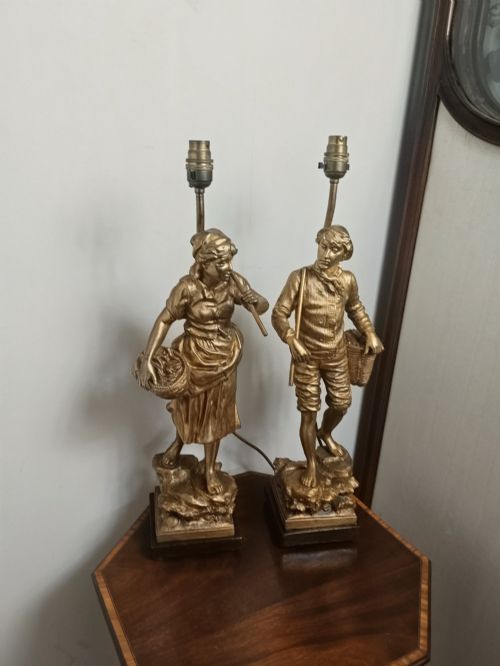
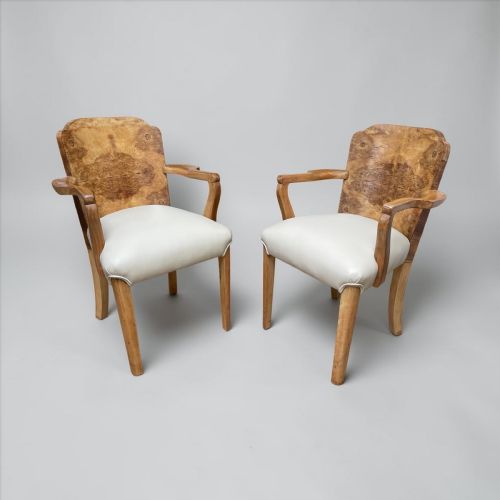
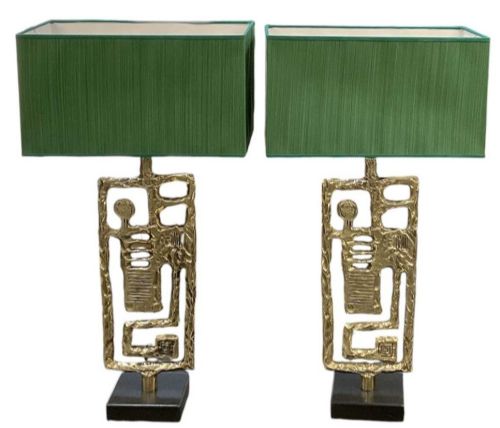
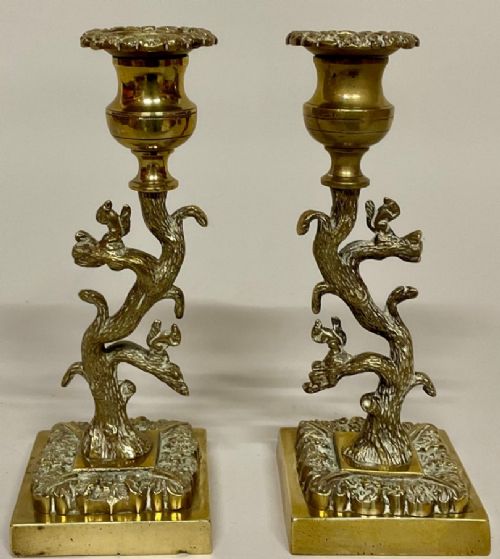
When you search for an antique sculptural pair, you encounter matched sets created across the eighteenth, nineteenth and early twentieth centuries in forms ranging from seating to illumination. These objects combine utility with prominent figural or ornamental carving and casting, designed to balance a mantelpiece, table or hallway.
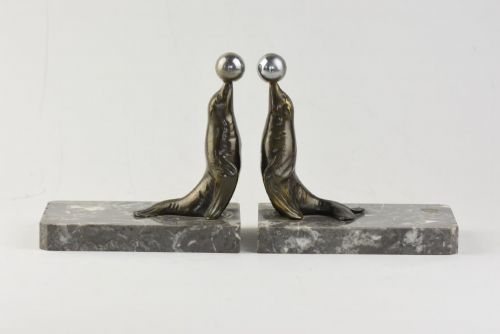
The most common examples on this page include candlesticks, table lamps, bookends, fire dogs, and armchairs. They draw on styles from Regency and George III periods through to Art Deco and Renaissance Revival, reflecting diverse domestic interiors.
Materials and construction
Metalwork forms a core category, utilising cast bronze, brass, gilt bronze and spelter shaped into figures, animals and architectural motifs. These metal pieces often combine chased details with applied gilding or patination.
Wooden items rely on carved oak, walnut and mahogany, frequently shaped into high-back chairs or sculptural armchairs. Some examples incorporate fabric upholstery or glazed porcelain elements to add colour and texture.
Antique Sculptural Pair Retail Price Guide 2026
Typical asking prices for sculptural pair among the pieces listed under this phrase on Sellingantiques today, from the lower quarter to the upper quarter. They describe what is for sale here now, not the wider market.
Listings feature items cast in bronze, brass, and gilt metal alongside carved oak, walnut, and mahogany across the nineteenth and early twentieth centuries.
Assessing quality
Quality in these pairs rests on the crispness of the casting or the depth of the hand carving. Finer examples show sharp definition in facial expressions, foliage and animal fur, whereas lesser pieces lose detail in softer metal or coarser wood.
Matching consistency between the two objects also dictates value. Pairs that retain uniform patination, identical dimensions and balanced details demonstrate superior workshop standards from their respective periods.
E Rousseau
The Antique Sculptural Pair Glossary
- Campana
- A bell-shaped vessel form commonly found on classical candlesticks and urns. It provides a flared socket to hold candles securely.
- Spelter
- A zinc alloy used as a less expensive substitute for bronze in nineteenth-century decorative figures. It is typically painted or electroplated to imitate heavier metal.
- Sgabello
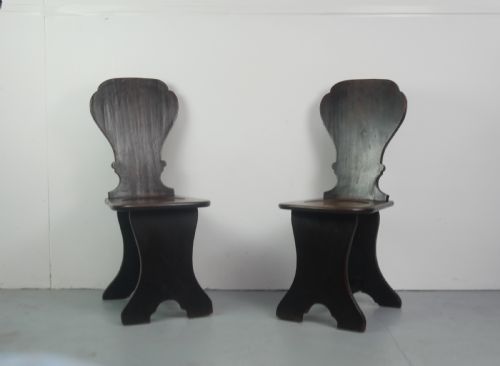
- A Renaissance chair type with a solid back and trestle supports instead of traditional legs. They were often placed in halls rather than used for daily lounging.
- Andirons
- Horizontal metal bars supported by legs, used to elevate firewood in an open fireplace. Their front standards are frequently cast in sculptural or figural designs.
- Gilt bronze
- Metal cast in bronze and treated with gold leaf or a gold amalgam wash. This technique produces a durable, rich metallic lustre.
Antique Sculptural Pair: Frequently Asked Questions
What rooms suit sculptural fire dogs?
Fire dogs and andirons sit within hearth settings to elevate logs for better airflow. They anchor the fireplace visually, serving as sculptural metalwork even when unlit.
Pairs from nineteenth-century Italian or revival workshops bring heavy bronze presence to traditional sitting rooms.
How do I identify Regency brass lions?
Regency brass figures typically display the heavier casting methods and formal classical restraint of the early nineteenth century. Their surfaces show the natural warm tone of unpainted brass rather than later gilding.
Look for solid construction and realistic musculature typical of animalier bronzes and brasses from that era.
Are sgabello chairs comfortable?
Sgabello chairs feature rigid wooden seats and upright solid backs designed for hallways rather than long sitting periods. Eighteenth-century style oak examples function well as decorative accent seating.
They offer strong sculptural silhouettes against a wall rather than cushioned lounging.
How were figural table lamps adapted?
Many figural lamps started life as nineteenth-century bronze or spelter candlesticks before receiving electrical wiring later. This conversion process sometimes involves drilling through the base or stem.
Checking the wiring while preserving the original metal body keeps the historical character intact.