



Antique Sailor Box
An antique sailor box brings the vast and perilous ocean into the domestic interior through intimate craftsmanship and maritime memory.
Antique Sailor Box
When you search for an antique sailor box, you encounter a diverse collection of maritime vessels, trunks, and small decorative containers associated with the sea. These items range from large camphorwood sea chests designed for long voyages to small trinket boxes and detailed dioramas created by sailors and shore-bound folk artists.
The objects span multiple eras, encompassing Georgian camphorwood chests alongside early twentieth-century shellwork boxes and shadow box dioramas. You are most likely to meet nineteenth-century maritime painted pine chests and intricate folk art shell dioramas on this page, reflecting both utilitarian seafaring equipment and decorative mementos.
Many of these pieces fall under the umbrella of English folk art and nautical folk art, capturing the personal creativity of individuals connected to the navy and merchant shipping. Their forms vary widely, including hat boxes, decorative boxes, and shadow box dioramas featuring sailing ships.
How they were made
Construction relies heavily on durable timbers such as camphorwood and pine, which were shaped into robust sea chests or smaller decorative boxes. Artisans utilised brass and iron hardware, including hinges and brackets, to reinforce chests intended for practical use at sea.
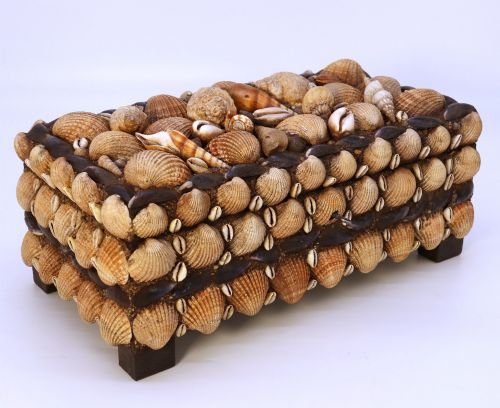
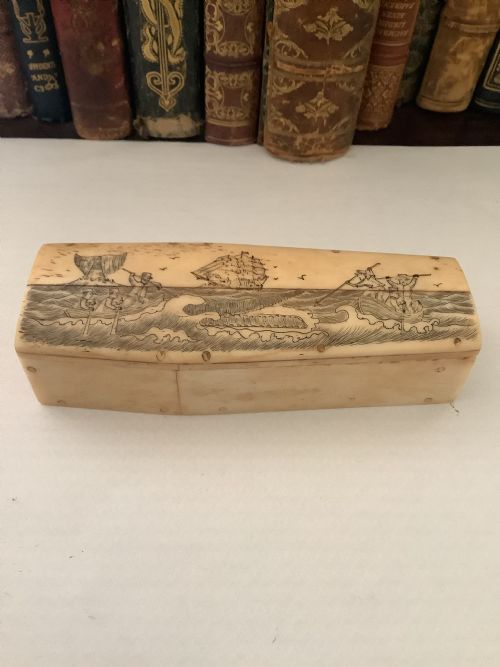
Decorative pieces often incorporate organic materials gathered from coastal environments, such as seashells and carved bone, fixed in place to create elaborate dioramas and shell grottoes. Paint and gesso were frequently applied to wooden surfaces to depict maritime scenes, while glass protected delicate shadow box interiors from dust and damage.
Antique Sailor Box Retail Price Guide 2026
Typical asking prices for sailor box among the pieces listed under this phrase on Sellingantiques today, from the lower quarter to the upper quarter. They describe what is for sale here now, not the wider market.
Materials documented across the current selection include brass, iron, gesso, glass, paint, and natural seashells.
What varies in quality
Quality in these maritime objects is defined by the complexity of the handiwork, particularly in carved bone elements, detailed ship dioramas, and symmetrical shellwork arrangements. The intricacy of the painted seascapes and the precision of the woodwork distinguish finely executed folk art from simpler utilitarian containers.
The choice and preservation of materials also dictate the standing of a piece, with sturdy timbers like camphorwood and well-maintained gesso holding greater presence than degraded surfaces. Pieces that retain their original glass covers, structural hardware, and undisturbed decorative elements demonstrate superior historical integrity.
The Antique Sailor Box Glossary
- Camphorwood
- A durable, aromatic timber commonly used for sea chests because its natural scent helped deter insects during long maritime voyages. It forms the sturdy body of many large nineteenth-century trunks.
- Diorama
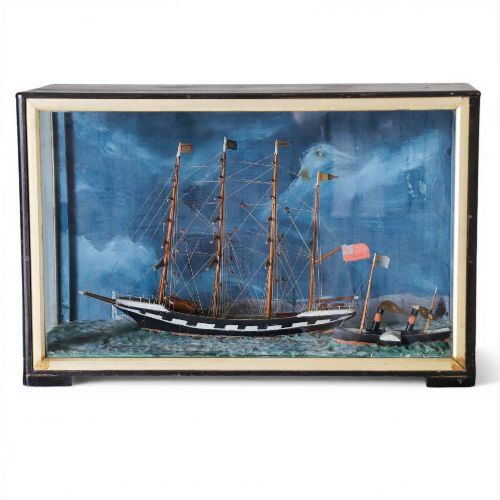
- A three-dimensional scene enclosed in a box, often featuring miniature sailing ships set against painted seascapes. These were constructed by sailors or folk artists to depict specific vessels and maritime encounters.
- Folk art
- Art produced by self-taught individuals using traditional methods, heavily represented here by shellwork boxes and sailor-made trinkets. This category highlights personal expression over formal academic training.
- Gesso
- A plaster-like mixture applied to wooden surfaces to create a smooth base for painting or gilding. It appears frequently in decorative box and shadow box construction.
- Shellwork
- The decorative arrangement of seashells glued onto surfaces to form patterns, pictures, or grottoes. It is a defining characteristic of many interwar and Victorian coastal souvenirs.
Antique Sailor Box: Frequently Asked Questions
What is an antique sailor box?
An antique sailor box is a container or decorative item made by or for those connected to the sea, encompassing everything from large camphorwood sea chests to small shell-encrusted trinket boxes.
These pieces often reflect maritime life through folk art, utilising materials gathered on voyages or available in coastal communities.
How were sea chests used?
Sea chests served as the primary luggage and storage trunks for sailors undertaking long voyages on naval and merchant vessels. They held personal belongings, clothing, and small valuables within the cramped quarters of a ship.
Because they had to withstand harsh sea conditions, they were constructed from sturdy woods like pine or camphorwood and reinforced with iron or brass.
What are maritime shadow boxes?
Maritime shadow boxes are deep frames enclosing three-dimensional scenes, typically featuring model sailing ships and painted waves. They allowed sailors and craftsmen to capture the likeness of specific vessels in a protected display format.
The inclusion of glass fronts helped preserve delicate elements like rigging and painted backdrops from moisture and dust.
How do I identify folk art boxes?
Folk art boxes are identified by their handmade qualities, individual decorative motifs, and the use of unconventional materials like seashells and carved bone. They lack factory standardisation and often display the personal resourcefulness of their maker.
Look for hand-carved details, vernacular painting styles, and traditional maritime themes that indicate amateur or specialised coastal craftsmanship.