
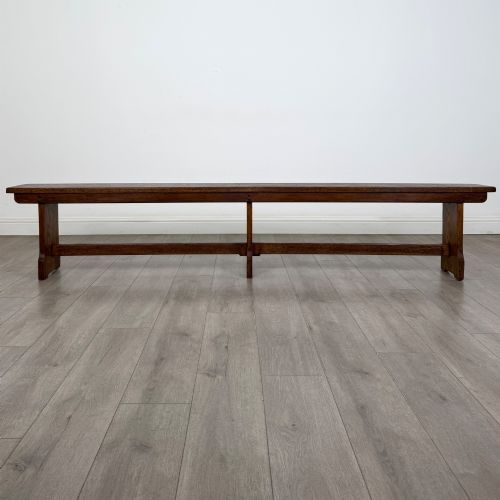
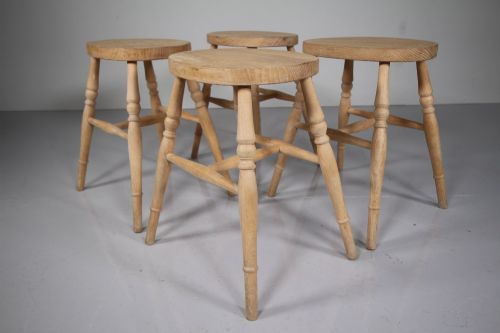
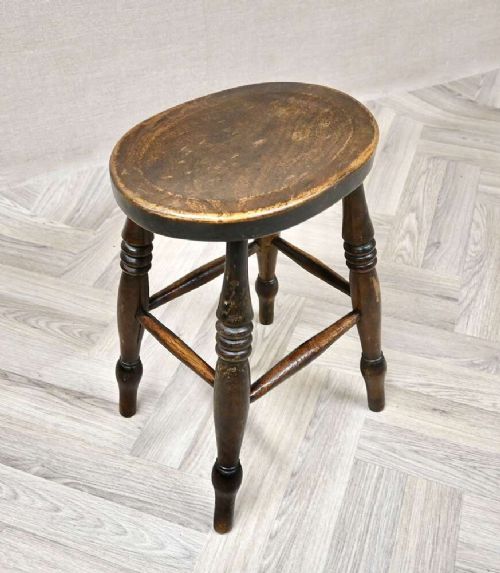
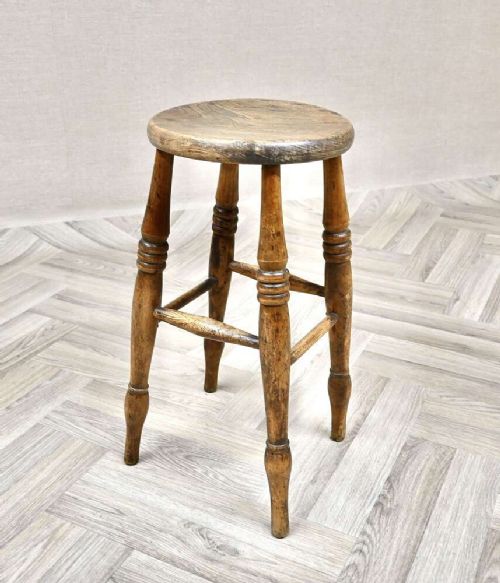
Antique Rustic Stool
An antique rustic stool is a solid, honest piece of vernacular seating shaped by utility and time.
Antique Rustic Stool
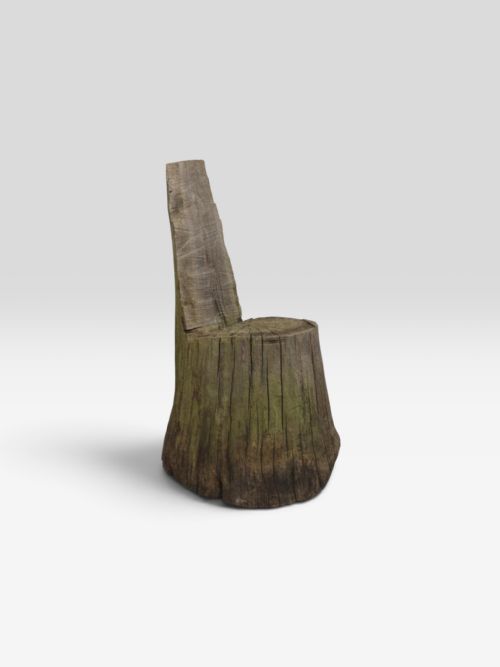
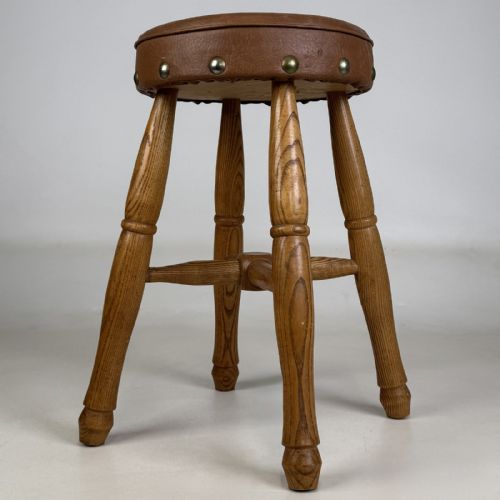
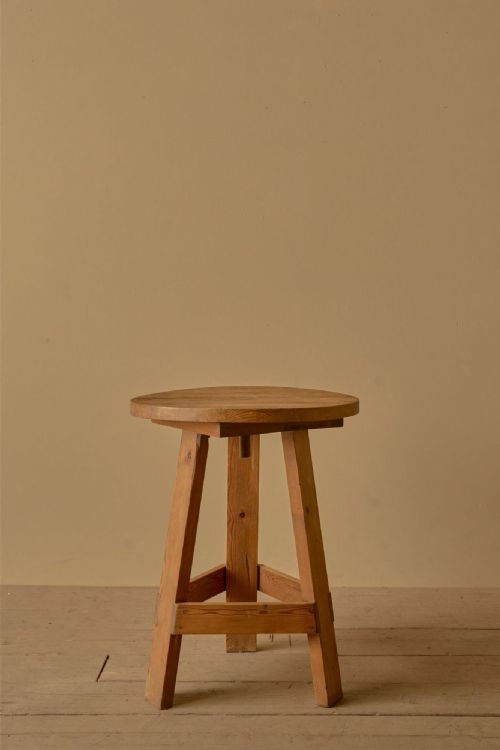
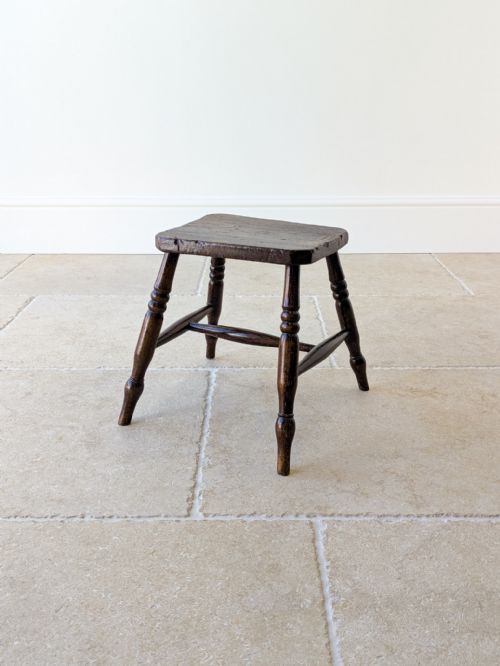
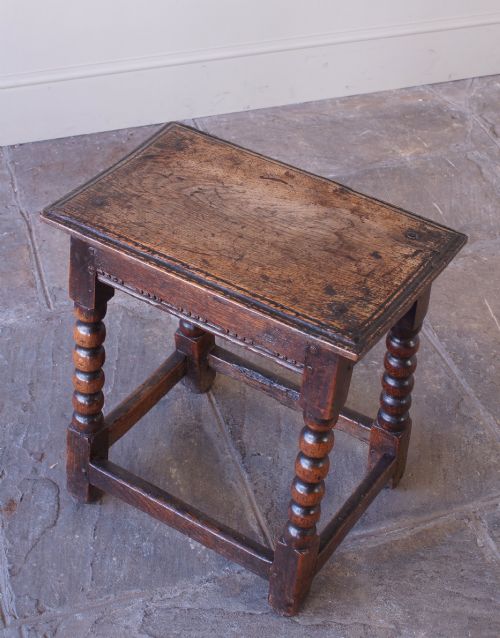
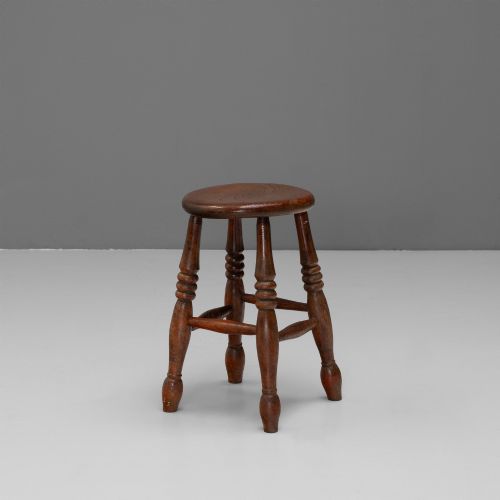
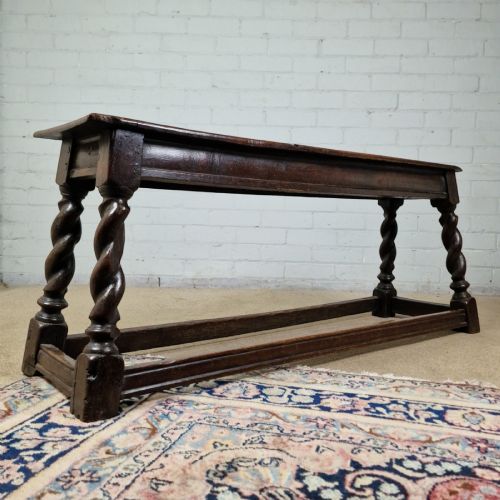
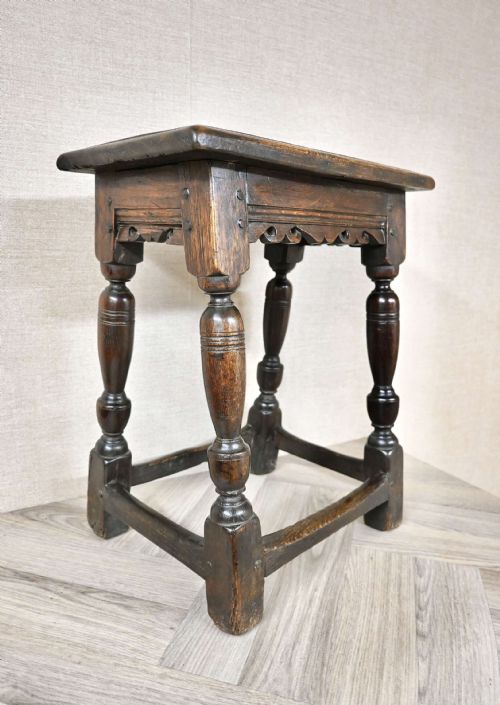
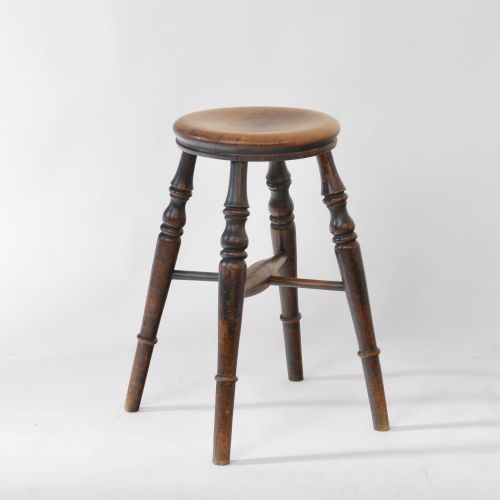
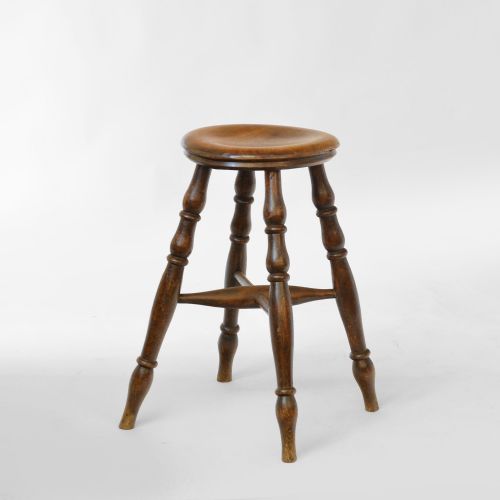
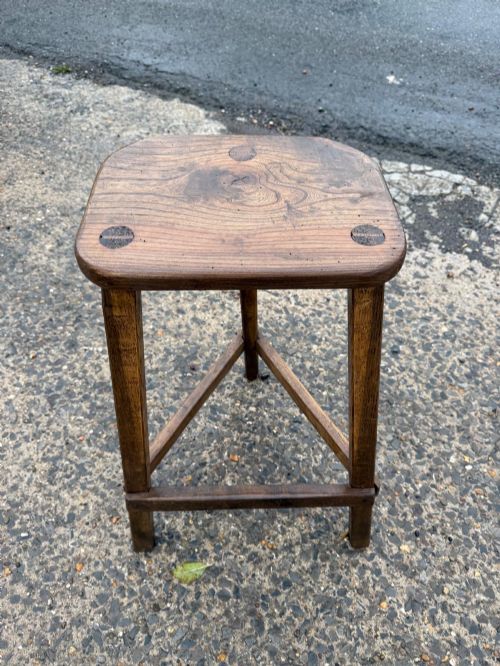
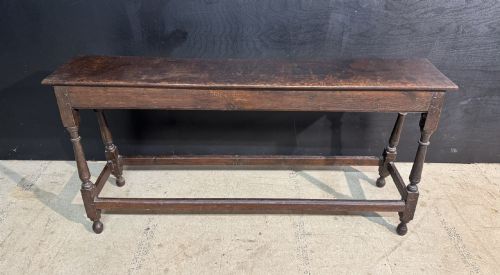
When you search for an antique rustic stool, you encounter low milking seats, high tavern perches, and sturdy joint stools intended for heavy domestic or trade use. These objects span several centuries, with nineteenth-century examples and Victorian country variants appearing most frequently alongside earlier seventeenth and eighteenth-century forms.
Makers constructed these pieces for specific domestic and trade roles, ranging from kitchen tasks and tavern seating to specialised work like jewelling or clerking. The forms include simple three-legged designs, Windsor oval seats, and jointed frames utilised across English, French, and Eastern European rural traditions.
Materials and Construction
Carpenters and rural makers relied on native hardwoods such as oak, elm, ash, beech, and sycamore, selecting timber for strength and local availability. Tops were often carved from single slabs of elm or sycamore, while legs were turned or splayed and joined using traditional pegging or wedging techniques.
Many examples retain original surface treatments including historic paint, ochre, yellow, or green finishes, alongside blacksmith repairs like metal braces or brackets. The combination of dense hardwood and straightforward joinery allowed these utilitarian seats to withstand decades of heavy workshop or farm usage.
Several nineteenth-century examples are specifically identified as silversmiths', jewellers', or clerk's perches designed for precise trade tasks.
Distinctions in Quality
Quality rests upon the integrity of the original construction and the preservation of the surface, whether that is an untouched aged timber patina or historic painted finish. Examples retaining their original gnarled legs, splayed structural alignment, and early blacksmith repairs hold greater character than heavily restored pieces.
The choice of timber and the complexity of the form also divide the simple utility seat from the finer jointed stool or specialised trade chair. Heavy elm tops and sound structural joints without excessive modern intervention represent the upper standard of surviving rural seating.
The Antique Rustic Stool Glossary
- Joint Stool
- A sturdy wooden seat constructed with mortise and tenon joints secured by wooden pegs rather than simple nails. These typically date from the seventeenth and eighteenth centuries.
- Windsor Stool
- A seat featuring turned legs socketed directly into a thick, shaped wooden top, often dished for comfort. This construction mirrors the traditional Windsor chair vernacular.
- Milking Stool
- A low, stable three-legged seat designed for use in a dairy or farmyard. The tripod base provides stability on uneven ground.
- Vernacular
- Objects built by local craftsmen to fulfill a practical function rather than following strict academic design rules. These pieces reflect regional materials and traditional methods.
- Dished Top
- A seat surface hollowed out into a shallow concave depression. This shaping provides ergonomic comfort for the sitter.
Antique Rustic Stool: Frequently Asked Questions
What is a joint stool?
A joint stool is an early form of wooden seating constructed with pegged mortise and tenon joinery rather than glued or nailed parts. Carpenters built these strong, rectangular frames to serve as general seating or side tables in historic domestic interiors.
Because of their rigid frame and heavy oak construction, they survived centuries of heavy household use. They often appear alongside dining tables or by hearths in seventeenth and eighteenth-century settings.
How were milking stools used?
Milking stools were low, portable seats utilised by dairy workers during daily milking routines. The traditional three-legged tripod design ensured the stool remained steady even when placed on uneven barn floors or muddy ground.
Today, these compact seats function easily as small bedside tables, plant stands, or low decorative perches in domestic rooms. Their diminutive scale makes them versatile accents for corners or small spaces.
How do I date a rustic stool?
Dating relies on observing the tool marks, timber species, joinery methods, and wear patterns across the seat and legs. Earlier pieces from the seventeenth and eighteenth centuries display hand-riven oak, pegged joints, and heavy blacksmith-made repairs, whereas nineteenth-century examples often feature turned ash or beech components.
Surface finishes also offer chronological clues, with historic milk paint, ochre, or green pigments pointing to specific regional traditions from the late nineteenth century. Comparing the structural proportions to documented vernacular forms helps confirm the period of origin.
Are tall bar stools antique?
While many bar stools date from twentieth-century commercial settings, tall tavern perches, clerk's stools, and workshop seating date back to the nineteenth century. These tall variants were built for specific trades, public houses, and counting houses where workers stood or perched at elevated desks.
They combine high turned legs with footrests, providing a stable platform for commercial or domestic bar spaces. Their sturdy hardwood construction allows them to handle modern seating demands while retaining historic character.