
Antique Rustic Chair
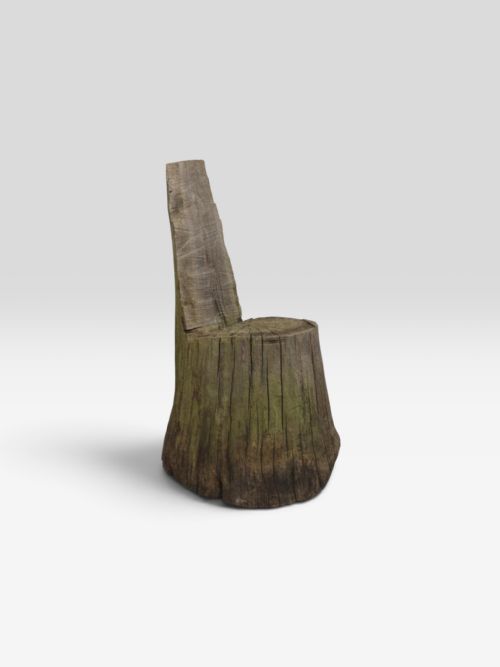
An antique rustic chair brings honest domestic history into a room, offering robust construction and straightforward vernacular charm.
Antique Rustic Chair
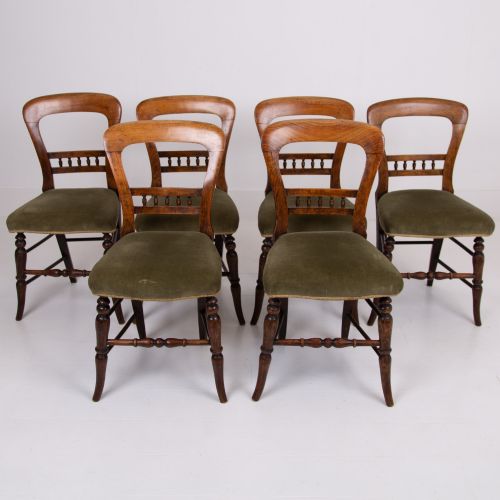
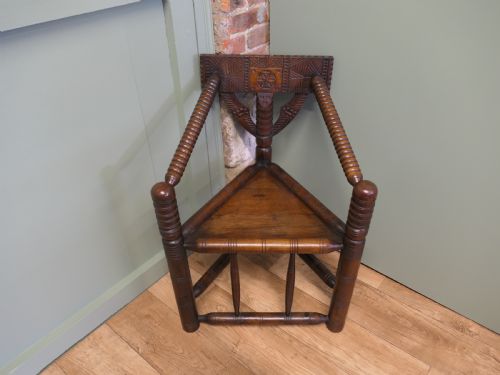
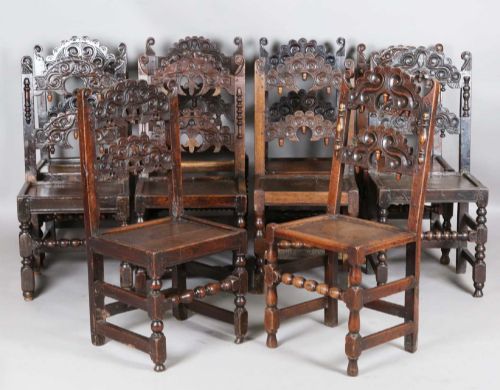
An antique rustic chair encompasses unpretentious domestic seating shaped by regional traditions and local workshops. These pieces span centuries of rural craftsmanship, including vernacular forms made for everyday use in farmhouses, cottages, and kitchens.
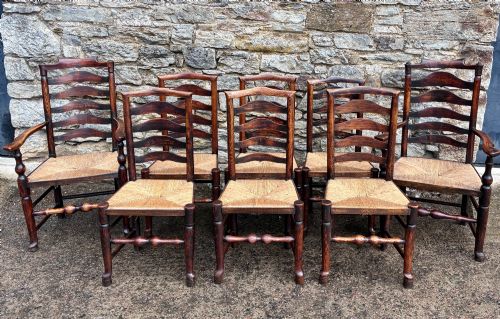
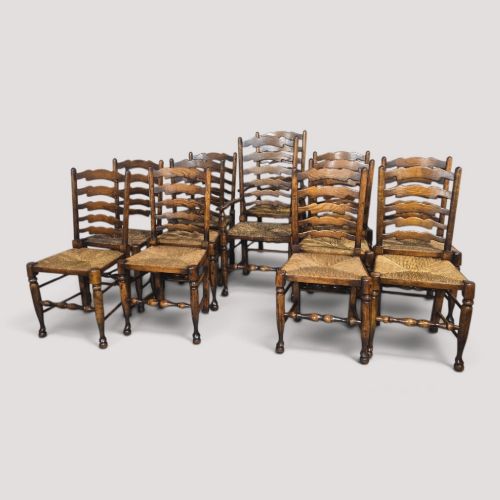
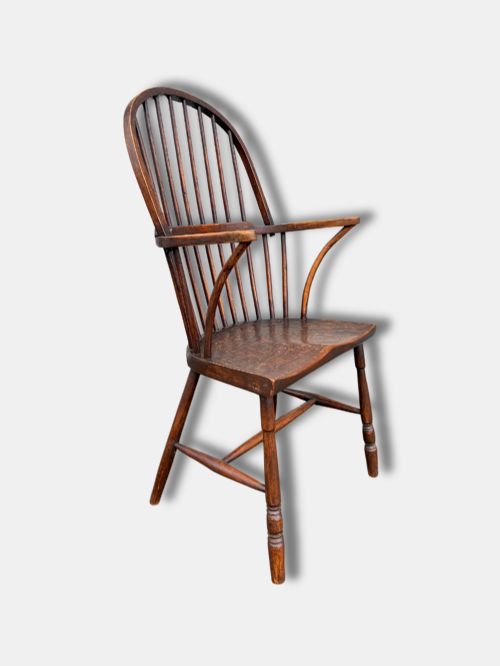
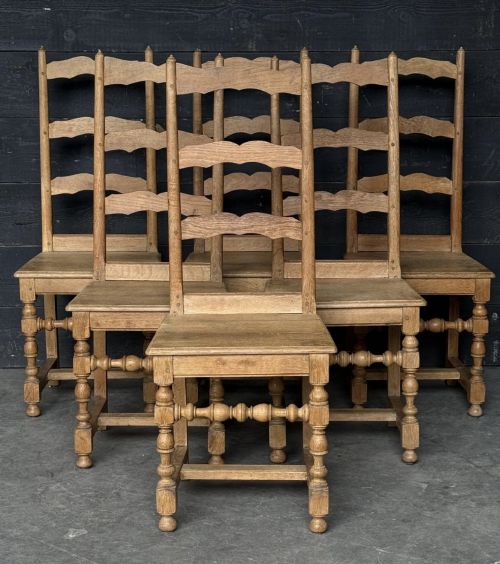
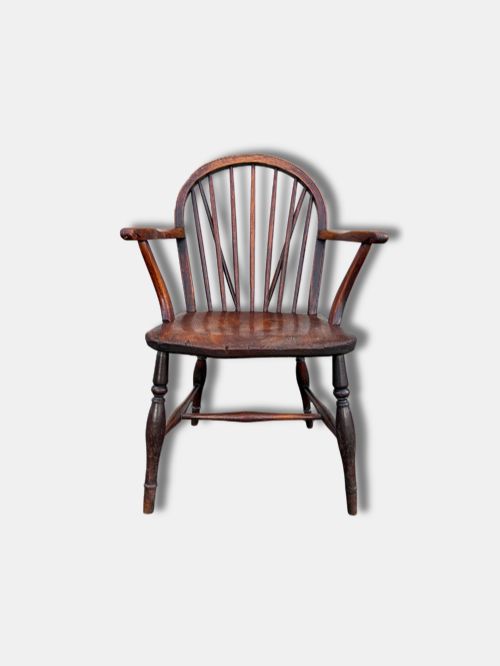
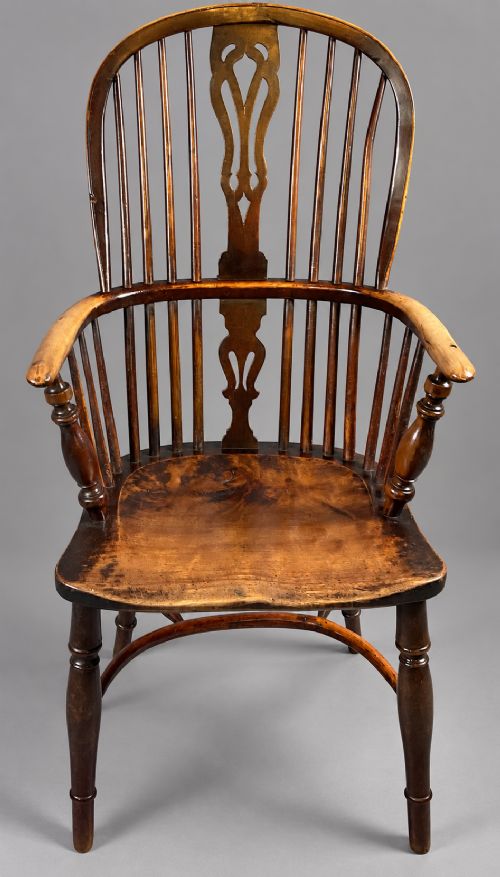
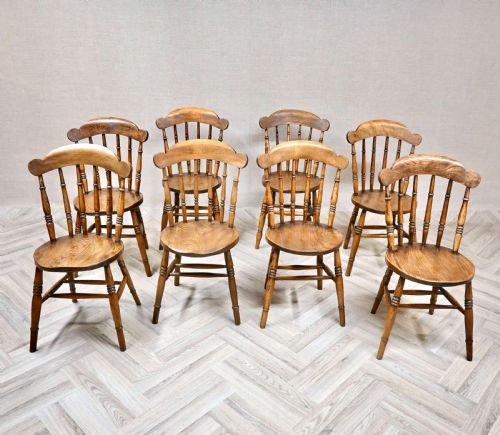
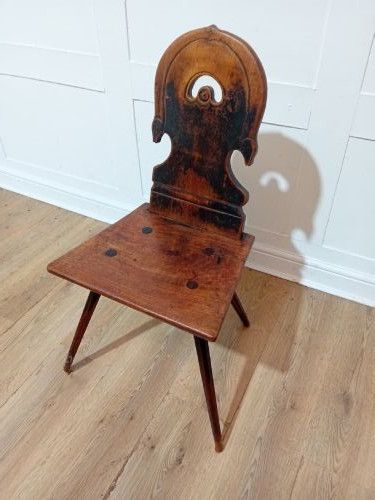
The version a buyer meets most frequently on this page is the Windsor chair, typically combining elm seats with ash and beech spindles. Dining sets, armchairs, and single kitchen chairs dominate the selection, alongside rarer provincial variants from France, Germany, and Britain.
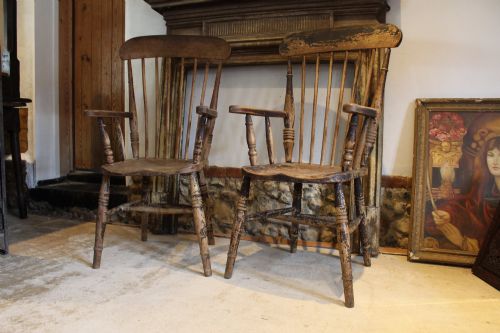
Makers drew on native timbers to build utilitarian seating that prioritised comfort and durability over courtly fashion. Simple lines, visible joinery, and patinated wooden surfaces define the character of these traditional domestic objects.
How they were made
Makers built these chairs using native hardwoods such as oak, elm, beech, and ash, often combining two or three timbers within a single frame. Seats were frequently carved from a solid slab of elm, while spindles, legs, and bow backs utilised ash or beech for their bending strength and resilience.
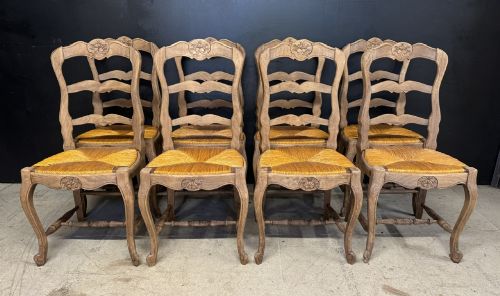
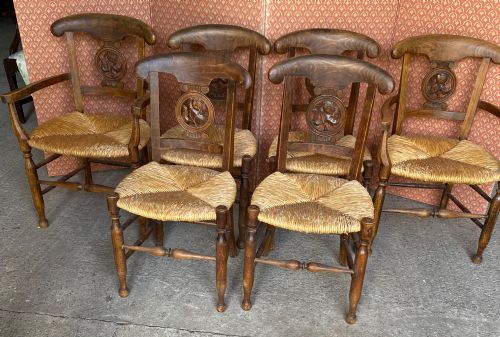
Construction relied on traditional joinery methods including wedged tenons and turned components shaped on pole lathes. Rush seating also appears where weavers utilised locally harvested marsh plants to form durable pads within oak or hardwood frames.
Penny seats earned their name because the scooped depressions resembled the size of large old coins.
What varies in quality
The distinction between ordinary and exceptional pieces rests upon the integrity of the timber and the harmony of the proportions. Superior examples retain matching sets of original turnings, unweakened joints, and deep surface patination accumulated through generations of use.
Philip Clissett
The Antique Rustic Chair Glossary
- Windsor
- A traditional chair construction where legs and back spindles are wedged directly into a solid wooden seat. This method creates a sturdy, lightweight frame without a heavy undercarriage.
- Vernacular
- Objects designed by local tradesmen for practical everyday use rather than following metropolitan artistic trends. These pieces reflect regional materials and local habits.
- Patina
- The deep surface sheen and rich colour developed by wood over decades of handling and polishing. It marks genuine age and exposure to light.
- Spindle
- A slender turned wooden rod used to form the vertical elements of a chair back. Makers shaped them on lathes to balance structural support with visual lightness.
- Rush
- Dried marsh grass twisted into cords and woven to form flexible seating panels. It offers a resilient, natural surface for dining and parlour chairs.
Antique Rustic Chair: Frequently Asked Questions
How do I date an old Windsor chair?
Dating relies on observing the construction methods, tool marks, and timber combinations visible in the undercarriage and seat. Earlier examples often feature thicker plank seats and more substantial unrefined turnings.
Changes in back design and spindle thickness also point toward specific decades. Comparing the style to regional records helps narrow down the period of manufacture.
Are these chairs suitable for daily dining use?
Most of these wooden seats were built for robust domestic service and handle everyday seating well. Checking the stability of the leg joints ensures they remain safe for regular family meals.
Applying proper furniture wax helps protect the surface from spills and wear. Regular checks of the wedged joints keep the frames secure over time.
What is a harlequin dining set?
A harlequin set is a collection of chairs that share similar proportions, periods, or styles without being an identical manufactured batch. These groupings were often assembled over time from individual pieces found in rural homes.
Such sets offer a varied appearance while maintaining visual harmony around a dining table. They suit buyers who appreciate organic collections rather than uniform factory output.
How should I clean a patinated wooden surface?
Cleaning requires a soft dry cloth to remove dust without disturbing the historic surface sheen. Avoid harsh modern detergents or silicon sprays that can strip away the aged finish.
Applying microcrystalline wax periodically preserves the timber against drying out. This maintenance keeps the natural grain and colour intact.