

Antique Rural Watercolour
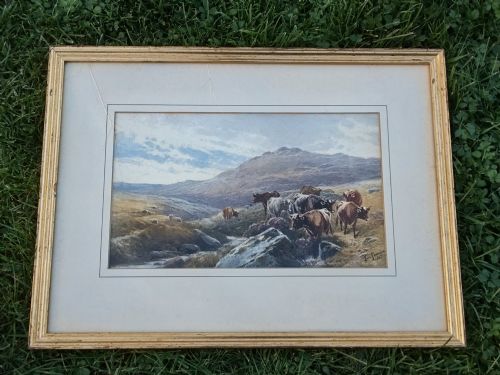
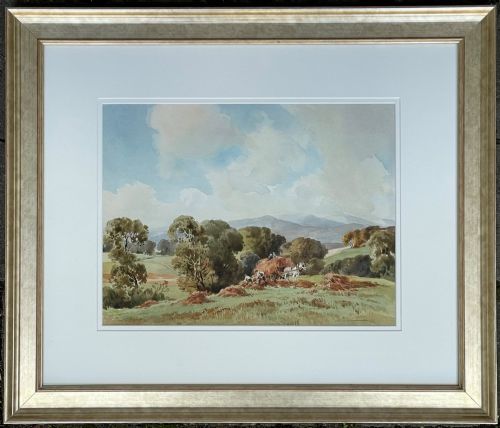
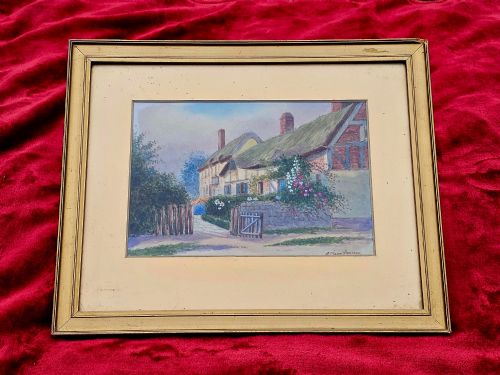
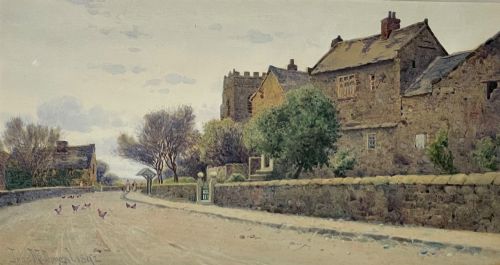
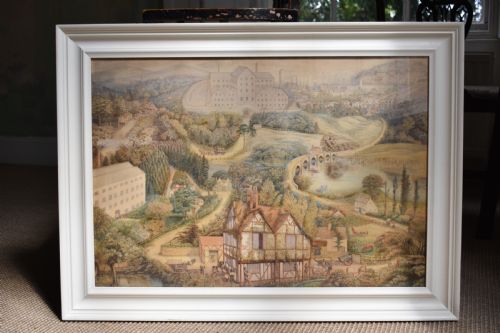
When you search for antique rural watercolour, you enter a quiet British countryside of hayfields, farmyards, and thatched cottages preserved on paper.
Antique Rural Watercolour
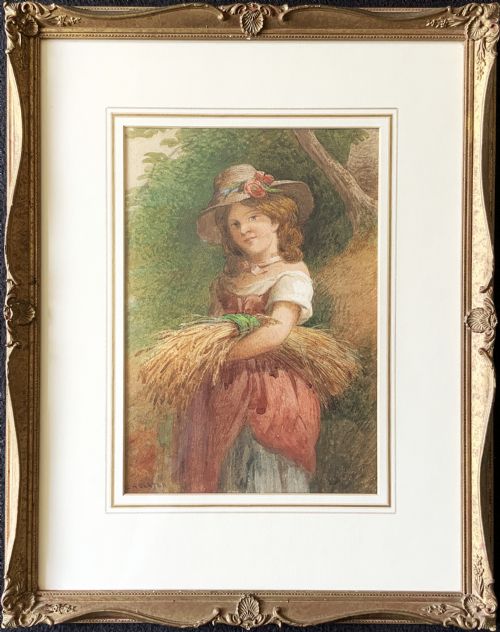
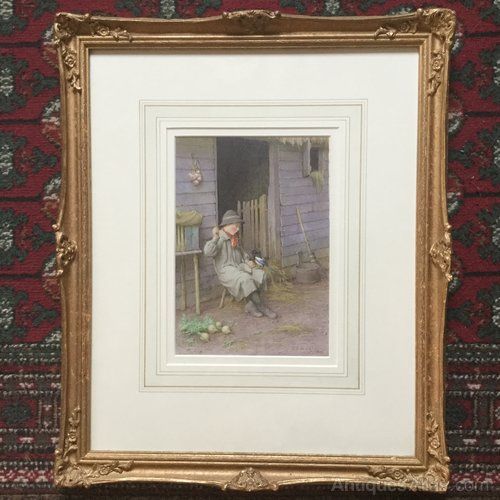
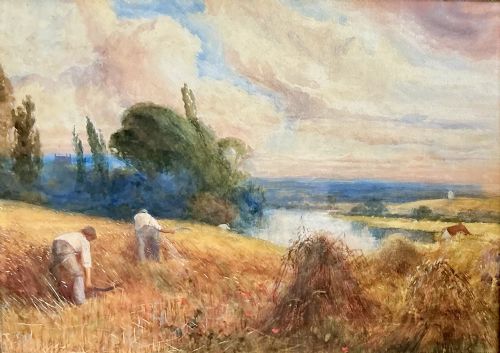
An antique rural watercolour captures the agricultural life, villages, and open landscapes of Britain across the Victorian, Edwardian, and early twentieth-century periods.
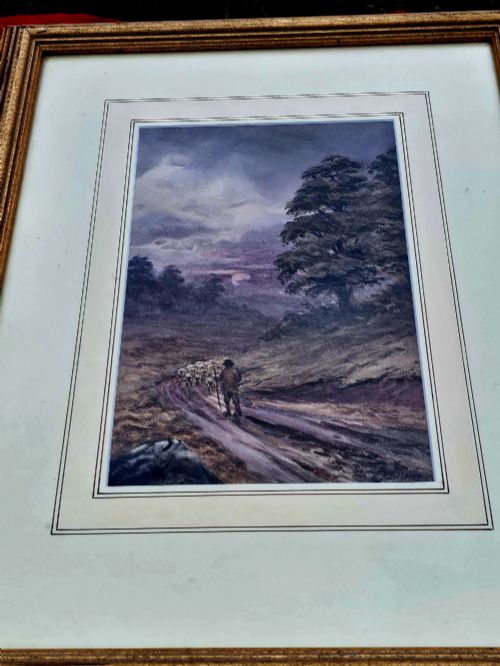
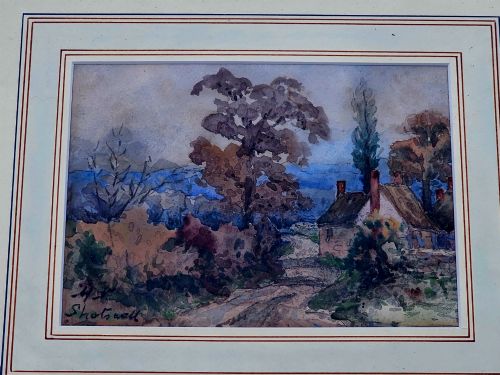
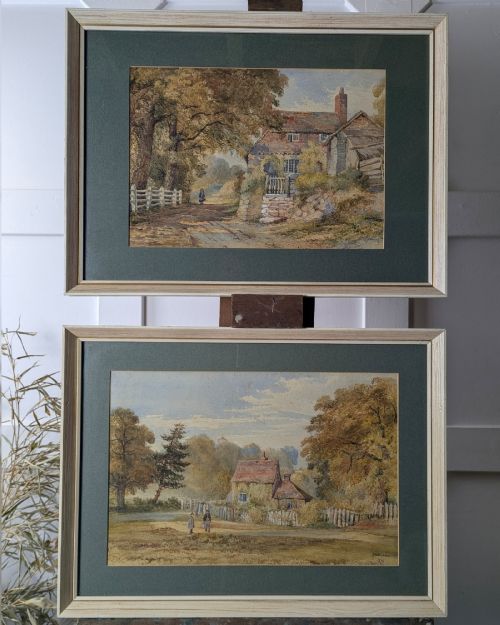
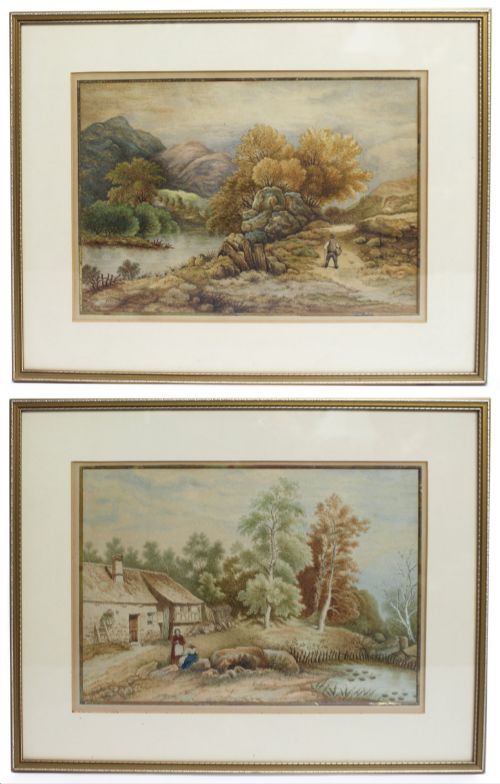
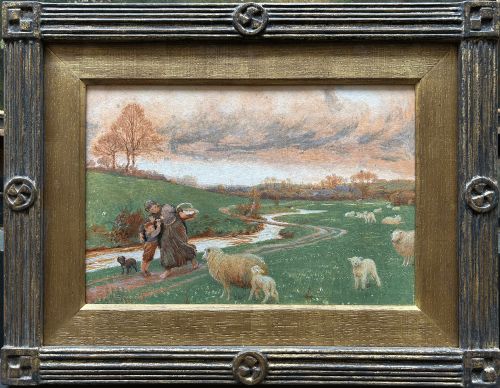
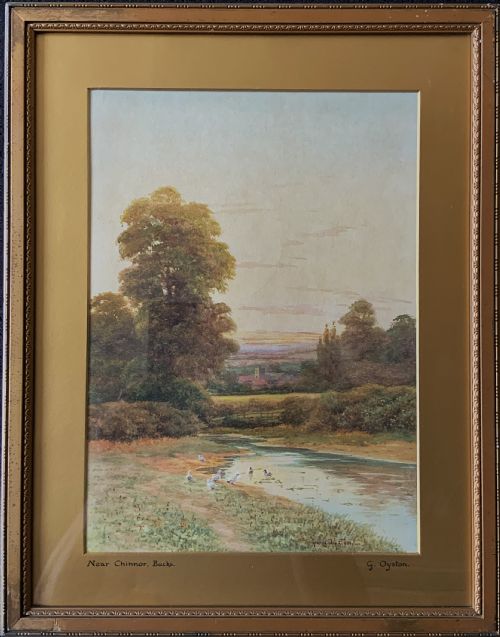
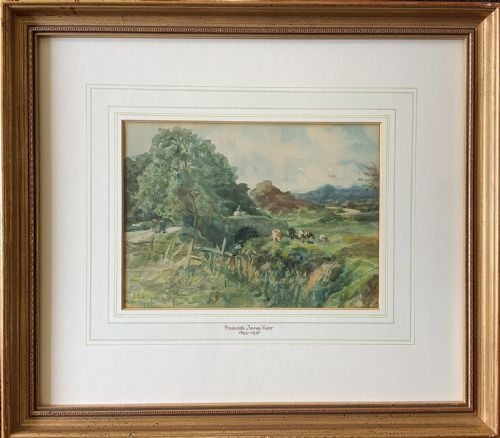
These works typically depict pastoral scenes, farm workers, livestock, and country rivers executed on paper within framed formats.
Most examples originate from the late nineteenth century through to the interwar decades, reflecting traditional British realism and impressionist styles.
How They Were Made
Artists applied water-soluble pigments onto paper surfaces, often building transparent washes to capture changing light across fields and skies.
Finished works were protected behind glass and housed in wooden frames, frequently incorporating gold leaf or gilt wood moulding.
A young foal steals fruit from a wicker basket in one rural Victorian vignette.
What Varies in Quality
Quality rests upon the artist's handling of pigment and light, where confident brushwork brings vitality to foliage, water, and livestock.
Compositional balance and the accurate rendering of atmospheric depth distinguish ambitious gallery pieces from simpler topographical sketches.
Percy Lancaster·A. Marie Parsons·John McDougal·EJ Letheren·Robert A. Nottingham·Th.Thibault·George Oyston·Frederick James Kerr·Charles Henry Slater·Herman S Melville·Charles Edward Wilson·Frederick Hines·Edgar Woollatt·Oswald Garside·Henry Charles Fox·Fred Lawson·James William Booth·William Hoggatt·Ernest Pile Bucknall·James Orrock·James Hardy Junior·John Atkinson·Colin H Greenwood·Henry Bailey·Helena Maguire
The Antique Rural Watercolour Glossary
- Watercolour
- A painting method where finely ground pigments are mixed with water-soluble binders and applied to paper. This medium allows for luminous washes and delicate colour blending.
- Pastoral
- A style or subject matter that romanticises rural life and agricultural scenes. These works typically feature shepherds, farm hands, and quiet country cottages.
- Gilt Wood
- Wood that has been decorated with a thin layer of gold leaf or metallic gilt finish. It is commonly found on traditional picture frames from the Victorian and Edwardian eras.
- British Impressionism
- An artistic approach adopted by British painters influenced by the French movement, focusing on spontaneous brushstrokes and natural light. It appears frequently in landscape works from the early twentieth century.
Antique Rural Watercolour: Frequently Asked Questions
How do I date an old watercolour?
Dating relies on costume details in figures, framing materials, and artist signatures documented in historical records. Many works bear inscriptions or dates penned directly by the artist.
Stylistic shifts also provide clues, moving from detailed Victorian realism towards looser Edwardian impressionism as the twentieth century approached.
Are these paintings original?
The selections comprise original hand-painted watercolours created directly by artists rather than modern mass-produced reproductions. Each piece shows unique brushstrokes and pigment variations.
Occasional lithographs appear, though these are clearly identified as prints after original compositions.
How should I frame and hang them?
Watercolours require conservation framing with acid-free mounts to prevent paper degradation and discolouration over time. Glazing protects the delicate pigments from dust and handling.
Display the artworks away from direct sunlight to preserve the original washes and prevent fading of the paper.
What subjects are most common?
Farming scenes dominate the selection, including haymaking, cattle ploughing, sheep herding, and horse-drawn carts at work. Village lanes, river banks, and thatched cottages also recur frequently.
These motifs reflect a widespread artistic interest in recording traditional rural trades before industrialisation transformed the countryside.