

Antique Round Pedestal
An antique round pedestal brings a strong central column and a circular top to a room, offering both balance and practicality.
Antique Round Pedestal
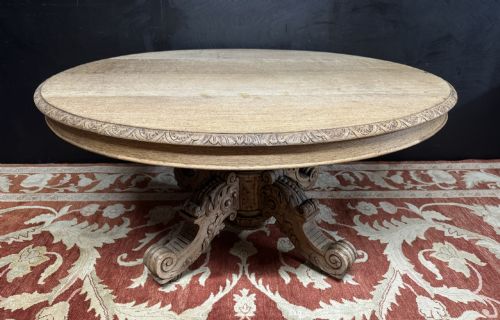
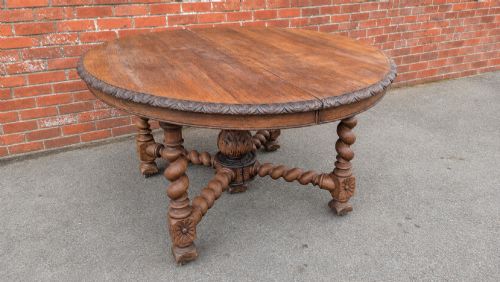
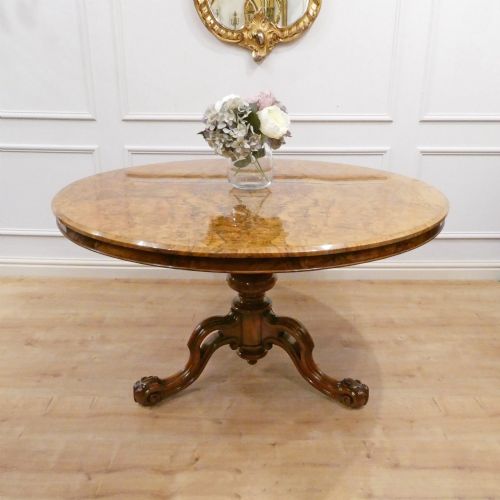
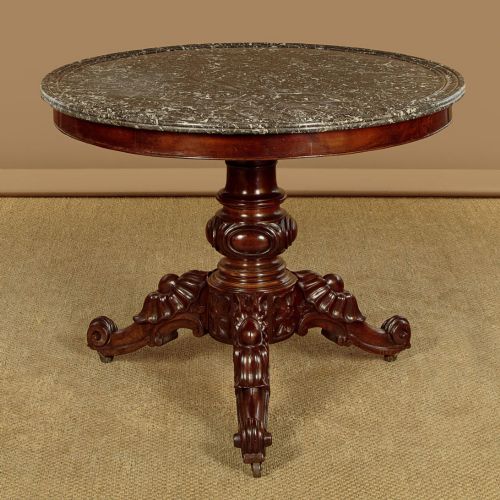
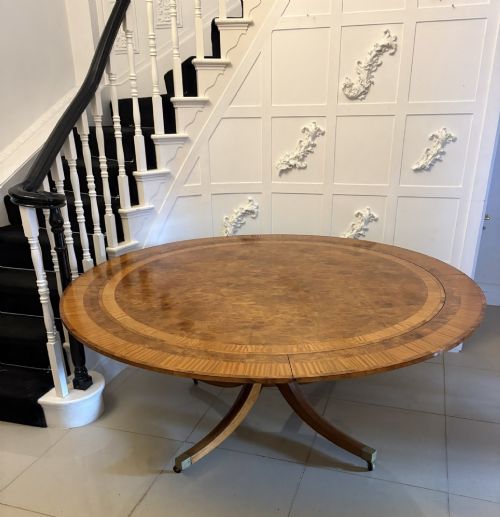
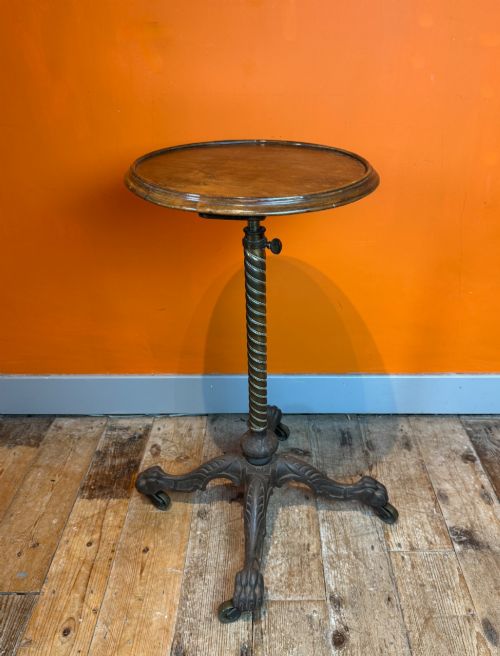
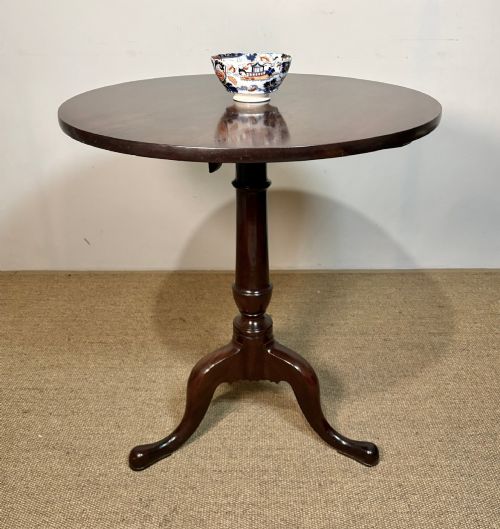
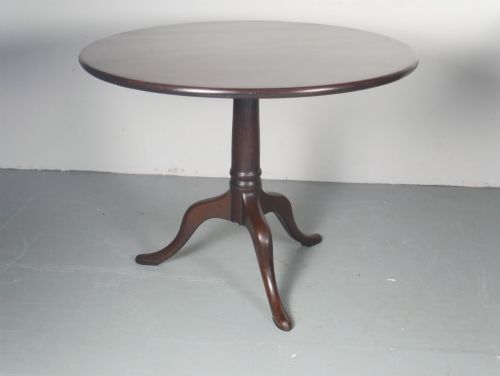
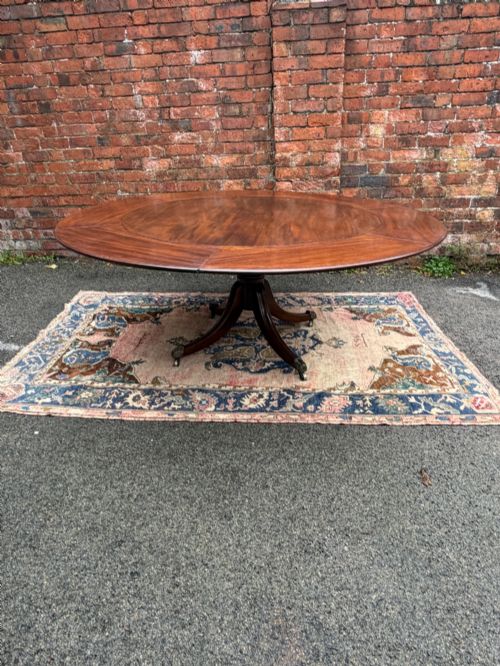
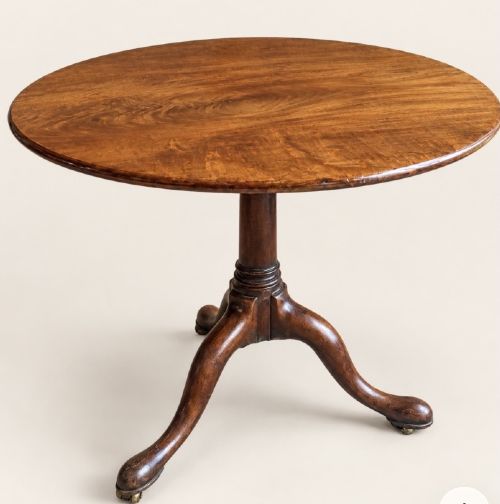
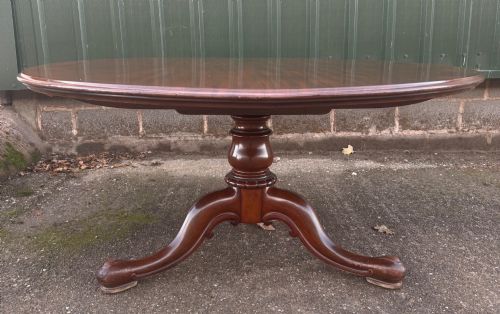
An antique round pedestal generally stands on a central pillar supported by a tripod or circular base, taking the form of occasional tables, wine tables, centre tables, and larger dining formats. These tables emerge from Georgian, Victorian, and Edwardian periods, carrying the proportions and timber choices characteristic of those eras.
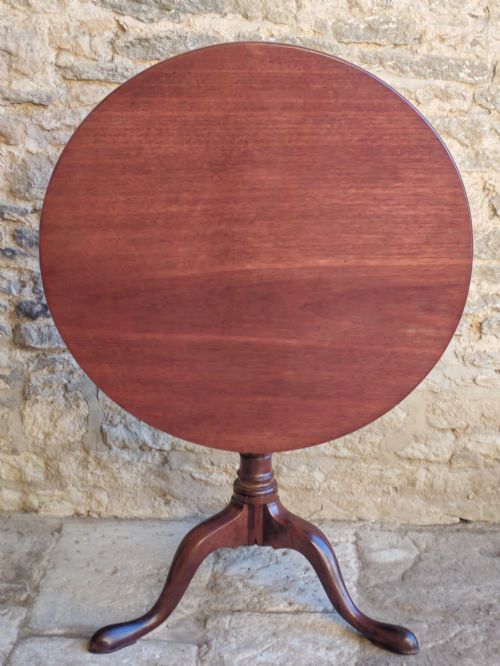
The materials span mahogany, oak, rosewood, walnut, and satin birch, often paired with brass details or marble tops. Buyers encounter tilt-top mechanisms designed to save space when not in use, alongside fixed drum tables and tripod lamp tables.
Materials and Construction Methods
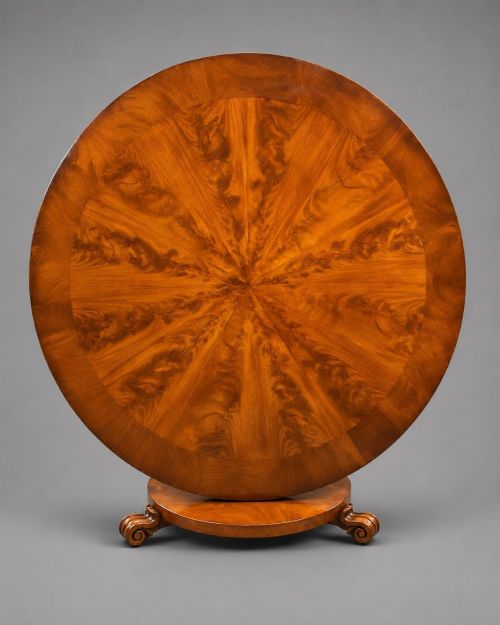
Cabinet makers utilised solid timbers like mahogany, oak, and walnut for structural stability, frequently applying finely figured veneers such as burr birch or rosewood to the circular tops. Inlay work in boxwood and ebony adds linear contrast, while brass mechanisms support tilt-top designs.
The central pillar often connects to a tripod base or a heavy platform base, secured with internal blocking and traditional joinery to withstand the weight of stone or timber tops.
Antique Round Pedestal Retail Price Guide 2026
Typical asking prices for round pedestal among the pieces listed under this phrase on Sellingantiques today, from the lower quarter to the upper quarter. They describe what is for sale here now, not the wider market.
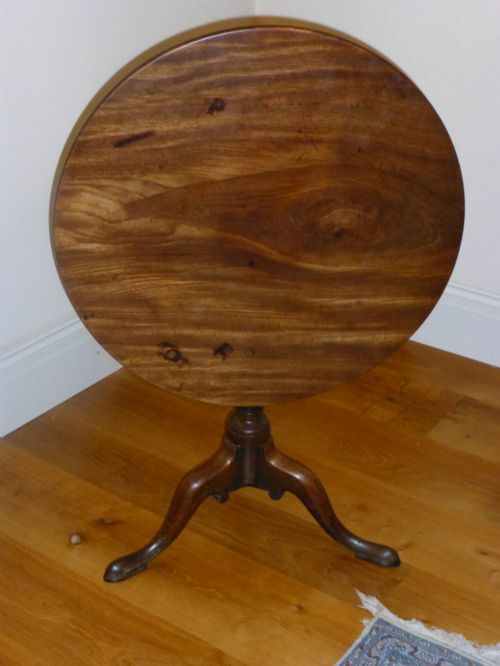
Several tables include tilt-top mechanisms, once used to hide the furniture flat against drawing room walls like giant wooden paintings.
Distinctions in Quality and Execution
Quality rests in the selection of the timber grain, such as heavily figured satin birch or burr walnut, and the crispness of hand-carved details on the pedestal column. Superior examples display seamless veneer matching across the circular surface and tight, stable joints in the tripod base.
The integrity of the tilt mechanism and the weight distribution of the central pillar dictate how solidly the table stands during daily use.
Bulstrode Cambridge·Gillows
The Antique Round Pedestal Glossary
- Pedestal table
- A table supported by a central column rather than four corner legs. This construction allows greater legroom around the perimeter.
- Tilt-top
- A hinged table top that can be turned vertical when not in use. This mechanism allowed tables to be stored against walls in period rooms.
- Tripod base
- A three-legged support structure attached to the bottom of a pedestal column. It provides steady contact on uneven floors.
- Drum table
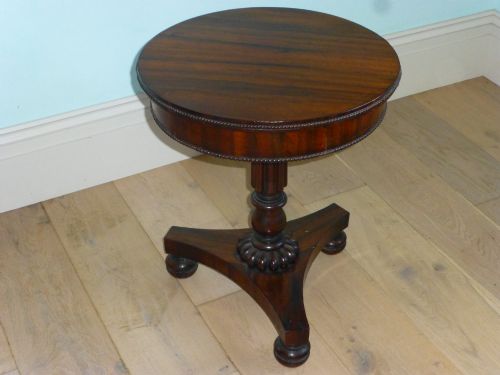
- A circular library or writing table with a deep frieze containing drawers, resembling the shape of a drum. They often rotate on a pillar and claw base.
- Gueridon
- A small French occasional table supported by a central column or figures. The term originated in the seventeenth century for torch stands.
Antique Round Pedestal: Frequently Asked Questions
How do I identify a Georgian pedestal table?
Georgian pedestal tables, dating from the eighteenth and early nineteenth centuries, typically exhibit rich mahogany or oak timbers with understated proportions. Look for slender tripod legs terminating in pad feet or spade feet.
The joinery and turning on the central column tend to show hand-finished detail without the heavier ornamentation seen in later Victorian pieces.
Where can I use a wine table?
A wine table is a small occasional piece designed to sit beside a chair or sofa for holding a glass or lamp. Their compact circular tops and stable tripod bases fit easily into corners or tight spaces.
They function well as movable accent pieces in sitting rooms and studies.
What is the difference between a centre table and a dining table?
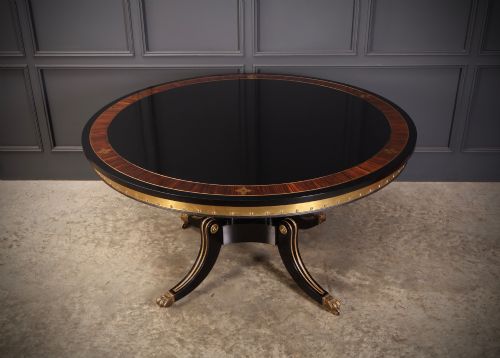
Centre tables are traditionally finished on all sides to stand freely in the middle of a room, often featuring decorative marquetry, marble tops, or brass inlay. Dining tables are scaled for seating multiple people around a central column.
Centre tables frequently serve decorative or occasional writing purposes rather than heavy daily meals.