

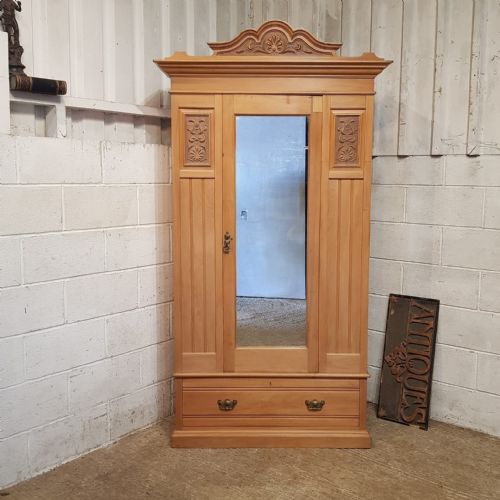


Antique Pine Mirror
An antique pine mirror brings warmth and functional depth to a room through centuries of timber craftsmanship.
Antique Pine Mirror
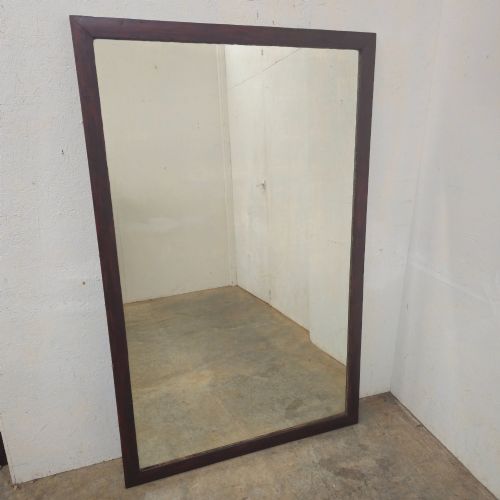
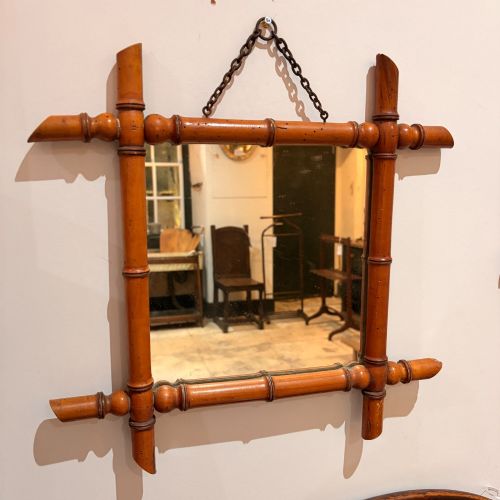
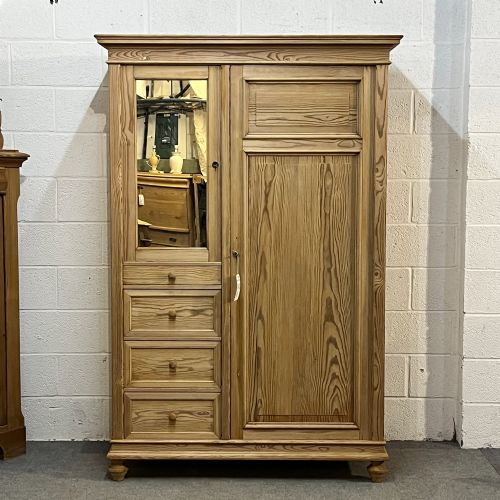
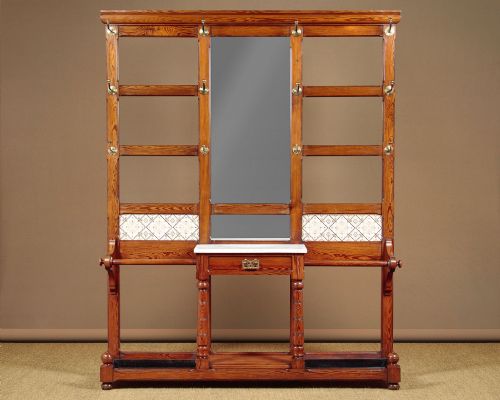
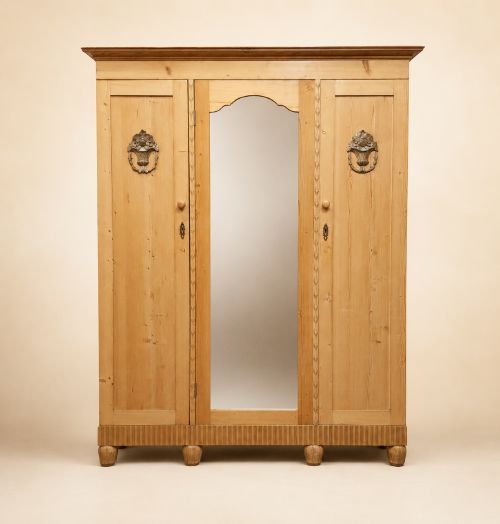
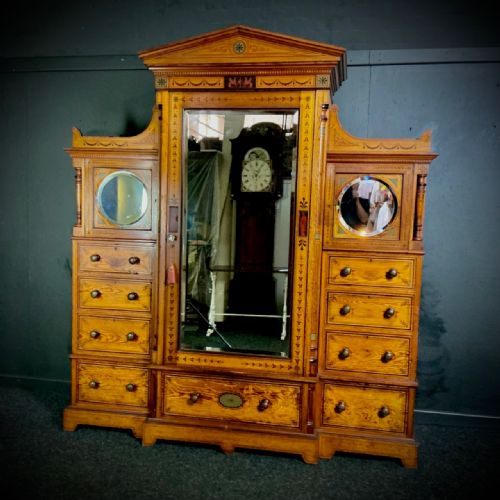
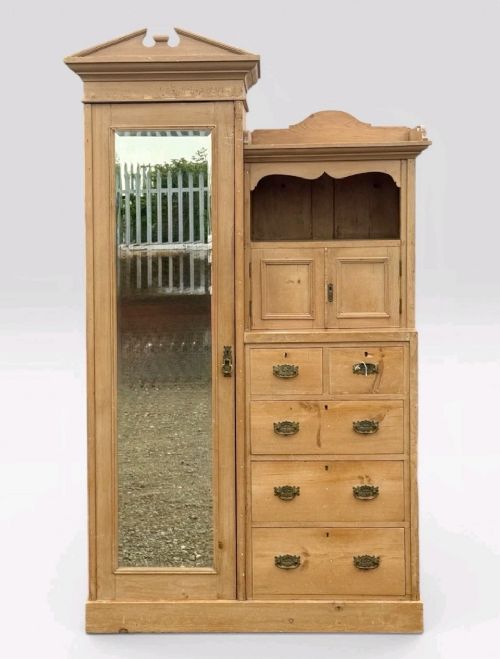
An antique pine mirror encompasses everything from small wall-hung frames to substantial cheval floor-standing swing mirrors and integrated glass panels set into larger wardrobes and dressing tables.
The most common examples you will encounter on this page date from the Victorian and Edwardian eras, spanning simple country workshop pieces to more elaborate Georgian and late 19th-century carved designs.
Makers utilised both standard white pine and denser pitch pine, often finishing the timber with traditional wax, paint, or scumble glaze to suit domestic interiors.
Materials and construction methods
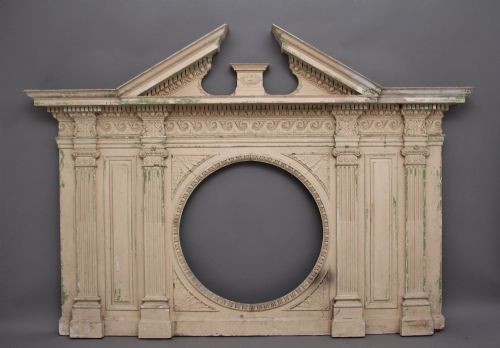
Carpenters constructed these frames primarily from native pine and pitch pine, sometimes augmenting the soft timber with applied gesso or carved details for decorative depth.
Surfaces frequently show historical paint layers, stencilled decoration, or clear wax finishes applied over hand-planed boards and pegged joints.
The glazing typically consists of heavy mirror glass secured within the rebate by wooden slips, occasionally retaining original mercury silvering or early bevelled edges.
Listings feature items spanning the 18th, 19th, and early 20th centuries, constructed from pine, pitch pine, brass, and glass.
Distinguishing quality in timber and glass
Quality rests in the integrity of the timber grain, the depth of the carving, and whether the mirror retains its original backboards and glass plate.
Finishes also separate standard utility pieces from better examples, particularly where original stencilled decoration, gilt highlights, or scumble glazing remain intact without modern overpainting.
Maple & Co.
The Antique Pine Mirror Glossary
- Pitch pine
- A dense, resinous variety of pine with a pronounced grain pattern, frequently utilised in heavier Victorian furniture.
- Gesso
- A plaster-like mixture applied to timber frames as a smooth base for subsequent gilding or painting.
- Scumble glaze
- A translucent decorative paint technique dragged across a pale ground to simulate the appearance of more expensive figured woods.
- Cheval mirror
- A full-length swing mirror supported by a vertical floor-standing frame.
- Overmantel
- A large mirror designed specifically to be hung on the wall directly above a fireplace mantelpiece.
Antique Pine Mirror: Frequently Asked Questions
How do I date an antique pine mirror?
Dating relies on examining the construction marks, screw types, timber density, and the characteristics of the mirror glass itself. Hand-bevelled edges and original backboards often point towards the Victorian or Edwardian periods.
Earlier Georgian and 18th-century pieces generally display deeper hand-carved mouldings and heavier gesso work, whilst later 19th-century items incorporate machine-sawn timber elements and simpler pine framing.
What is pitch pine?
Pitch pine is a durable, heavy softwood known for its high resin content and striking, highly figured grain patterns. It was particularly favoured by Victorian cabinet makers for pieces requiring extra structural strength.
Because of its density, pitch pine often takes on a richer, deeper amber tone when waxed over decades of exposure to light.
Are pine mirrors heavy to hang?
The weight depends entirely on the scale of the frame and whether it incorporates dense pitch pine or heavy glass plates. Large overmantels and floor-standing cheval mirrors require substantial wall fixings or floor support.
Smaller wall-hung variations from the Victorian period can be secured safely using standard picture wire attached to sturdy brass screw-eyes fixed directly into the side stiles.
Should I repaint a painted pine mirror?
Preserving original paint, stenciling, or scumble glazing is generally advised because these historic finishes contribute significantly to the character and authenticity of the piece. Stripping historical surfaces removes the patina accumulated over generations.
If a piece has already been stripped to bare wood, applying traditional beeswax will help nourish the dry pine and develop a warm, protective sheen over time.