

Antique Pin
An antique pin brings together centuries of goldsmithing, diamond-setting, and enamel work in wearable forms from brooches to decorative fastenings.
Antique Pin
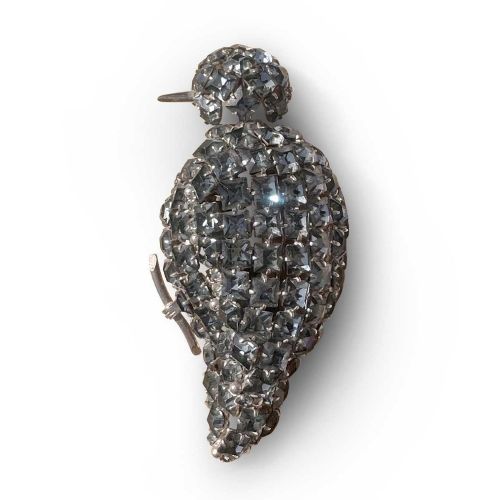
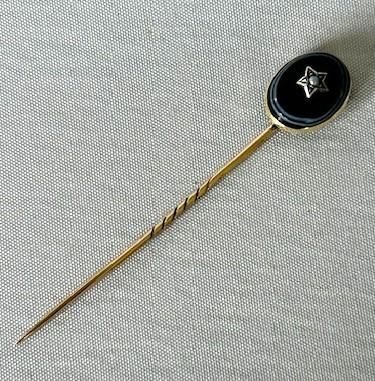
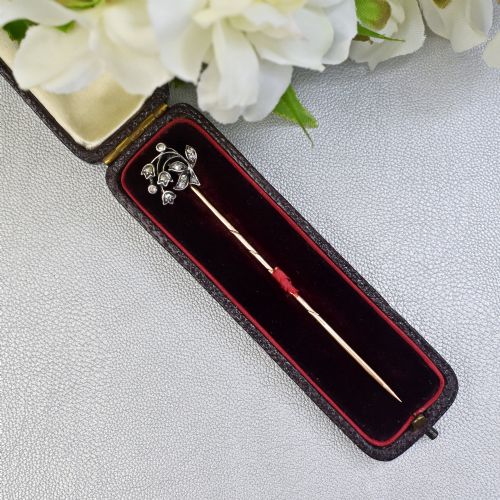
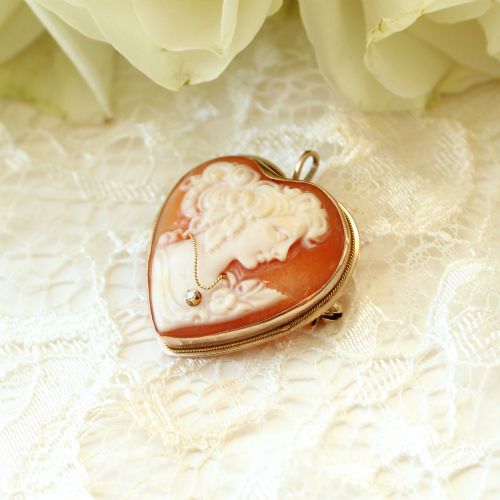
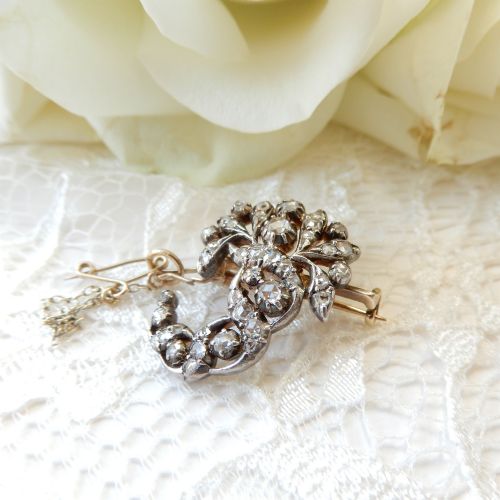
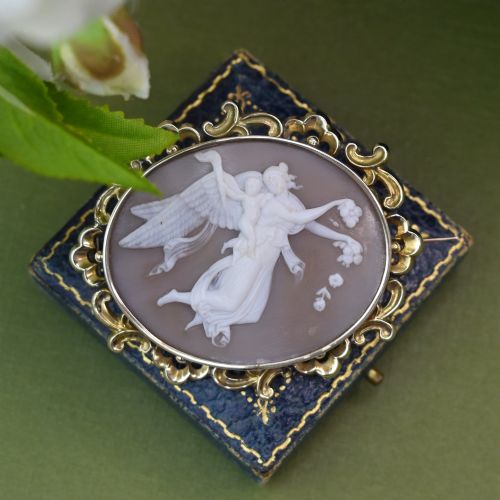
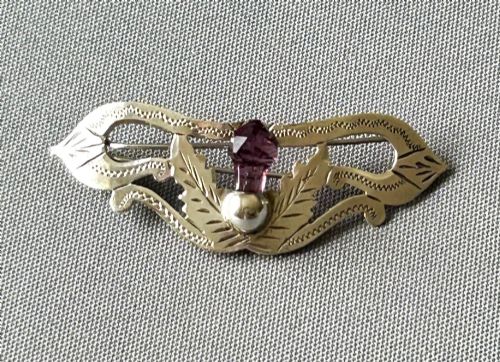
When searching for an antique pin, collectors encounter a diverse array of items ranging from diamond-set floral sprays to small silver pin cushions and desk accessories.
The selection on this page centres predominantly on brooches spanning the Victorian, Edwardian, and Art Deco periods, alongside related silver and bronze desk items.
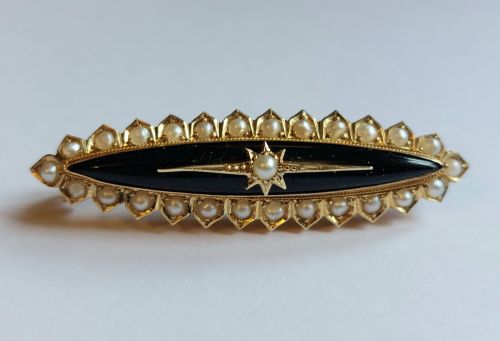
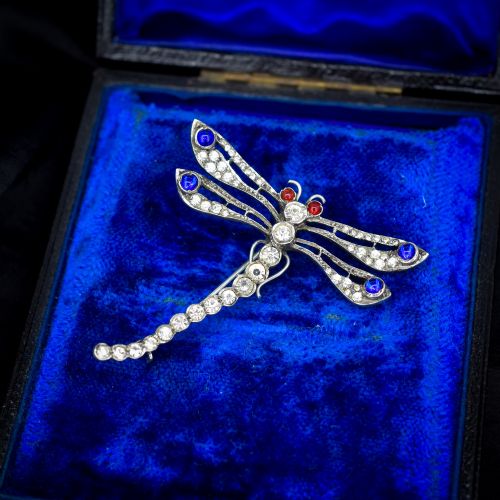
Pieces frequently feature precious metals like platinum and yellow gold combined with rubies, sapphires, pearls, and diamonds in distinct period styles.
Materials and construction
Goldsmiths and silversmiths utilised sterling silver, platinum, and various carats of yellow and white gold as structural foundations for gem-set designs.
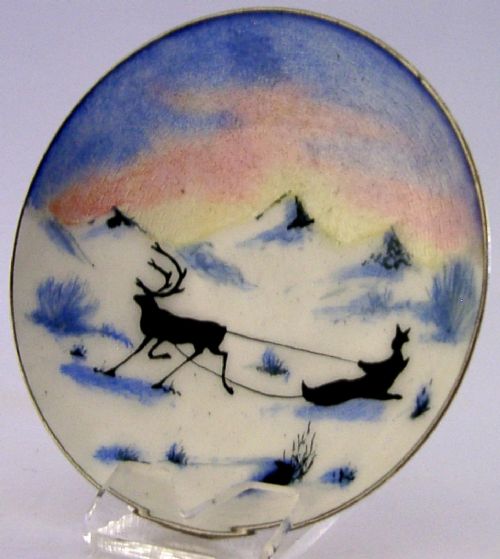
Techniques such as cold painting on bronze, guilloché enamel work, and intricate claw or bezel settings secured diamonds, emeralds, and sapphires into complex motifs.
Japanese metalwork items in the listings demonstrate specialised methods like patination, appliqué, and Takazōgan work on bronze and antimony.
Antique Pin Retail Price Guide 2026
Typical asking prices for pin among the pieces listed under this phrase on Sellingantiques today, from the lower quarter to the upper quarter. They describe what is for sale here now, not the wider market.
A cold-painted bronze Scottie dog ready to hold paperclips on a desk.
Assessing quality
The standard of an antique pin rests upon the precision of its stone-setting, the depth of hand-carved details, and the integrity of the original fastenings.
Superior examples display balanced gemstone weights, harmonious colour pairings in enamels or stones, and maker marks from notable workshops.
Condition plays a role, particularly regarding the preservation of delicate enamel surfaces, hand-painted cold bronze, and securely mounted pearls.
Georg Jensen·Deakin & Francis·William Aitken·Thomas Bradbury & Sons·Cartier·Garrard & Co·David Andersen
The Antique Pin Glossary
- Guilloché
- A decorative technique where a precise, intricate pattern is mechanically engraved into a metal surface beneath translucent enamel.
- Platinum
- A dense, ductile precious metal used extensively in Art Deco jewellery to securely hold diamonds without detracting from their brilliance.
- Pin cushion
- A decorative novelty object, often fashioned from sterling silver in whimsical shapes, used for holding sewing pins.
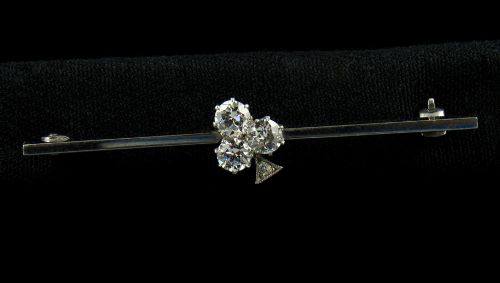
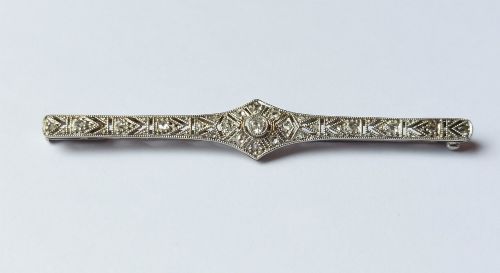
- Bar brooch
- A slender horizontal metal rod featuring gemstones or decorative motifs centred along the bar.
- Takazōgan
- A Japanese metalworking technique involving the application of raised pictorial designs onto a base metal ground.
Antique Pin: Frequently Asked Questions
What periods do these pins come from?
The listings encompass items created across multiple eras, including Victorian, Edwardian, Art Nouveau, and Art Deco periods spanning the late nineteenth and mid-twentieth centuries.
Each period imparts distinct stylistic hallmarks, from the romantic naturalism of the Victorian era to the geometric abstraction of Art Deco design.
How were antique brooches worn?
Victorian and Edwardian brooches were traditionally pinned to lapels, collars, bodices, or used to secure cravats and heavy scarves in daily attire.
Later styles from the Art Deco era frequently fastened geometric dresses, evening shawls, and tailored coats.
Are all these items meant for wearing?
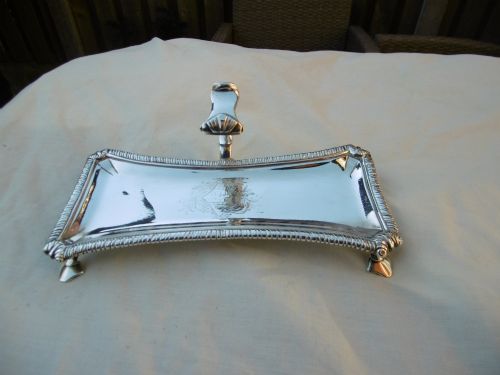
While the majority of pieces function as wearable brooches or pendants, the selection also includes miniature silver pin cushions, desk tidies, and ashtrays.
These smaller decorative objects served functional roles on nineteenth and twentieth-century desks and dressing tables.
How do I identify the materials used?
Makers utilised hallmarks stamped into gold and silver to indicate metal purity, alongside certification of platinum components in later pieces.
Gemstones such as diamonds, rubies, sapphires, and opals are combined with natural pearls, enamel, and agate as recorded in the individual descriptions.