
Antique Pedestals
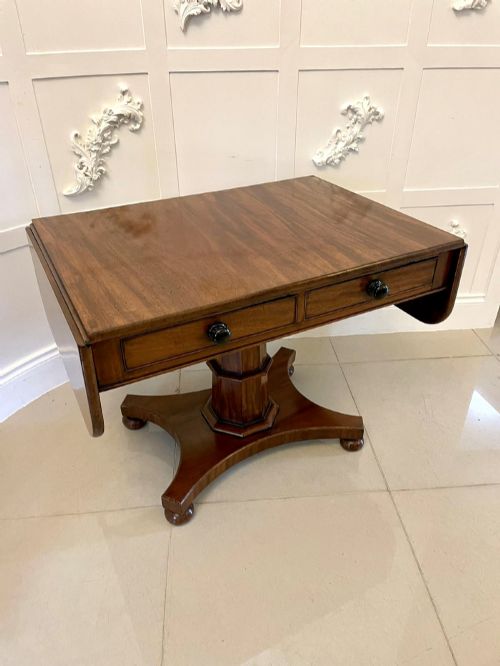
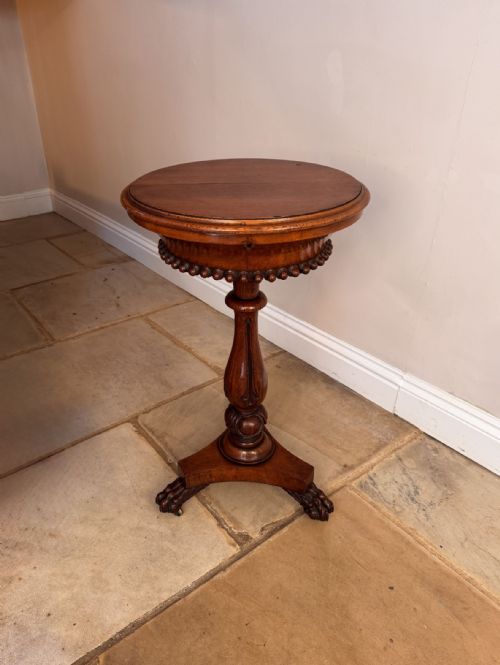
Antique pedestals span dining tables, plant stands and desks in mahogany, oak and rosewood from the Georgian, Victorian and Edwardian eras, offering sturdy elevation for lamps, plants and dining.
Antique Pedestals
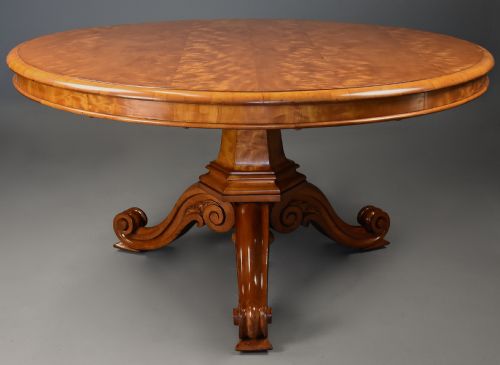
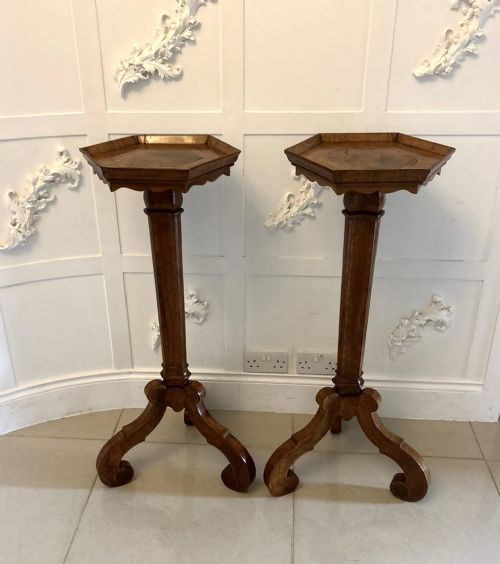
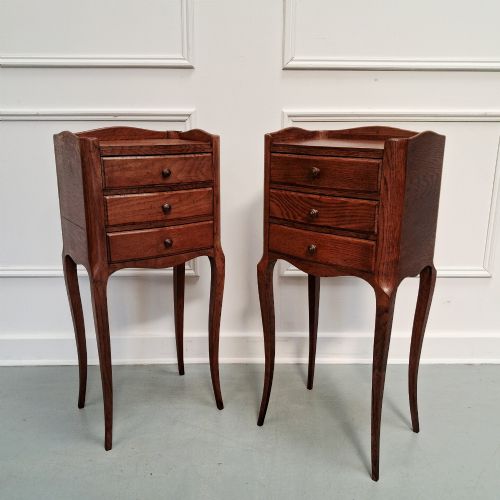
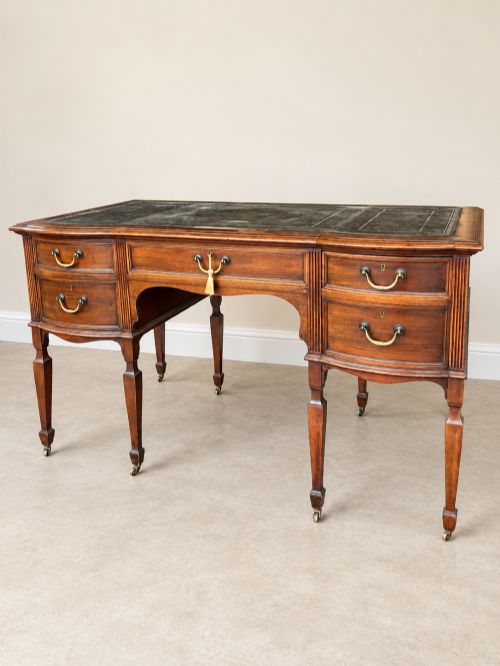
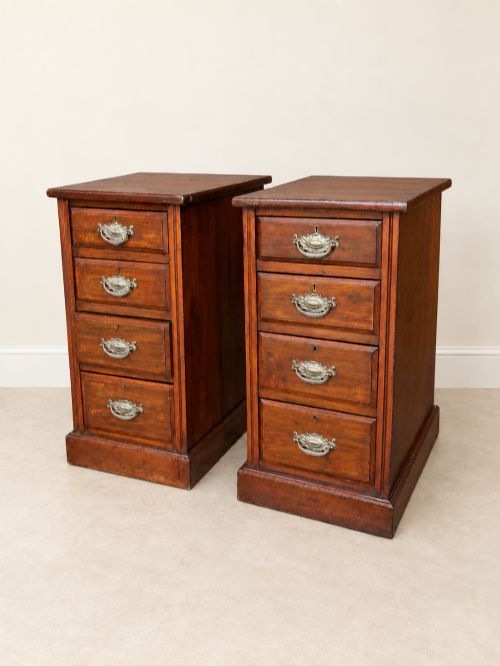
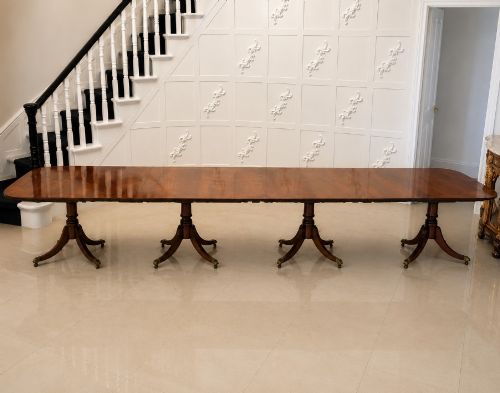
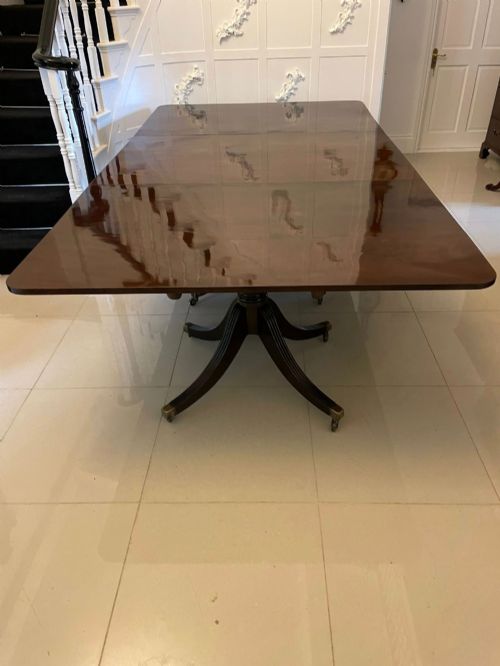
Antique pedestals appear across multiple forms on this page, most notably in dining tables with multiple pillar supports, plant stands and partner desks.
The material selection ranges from traditional mahogany and oak to rosewood, yew wood and walnut, originating across 18th century, Victorian and Edwardian periods.
Buyers encountering these pieces will find both utilitarian plant stands and grand multi-pillar dining tables suited to formal entertaining.
Materials and Technique
Cabinetmakers utilised dense timbers such as mahogany, oak, rosewood and walnut, often combining figured veneers with solid structural elements.
Joinery techniques include tripod bases, tilt-top mechanisms and pedestal supports fitted with brass casters for mobility.
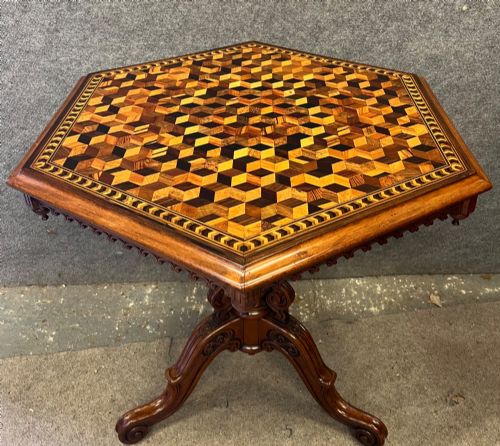
Decorative touches involve marquetry inlay, ebonising and carved details executed across the 18th, 19th and early 20th centuries.
A revolving lazy susan dumb waiter stands ready to pass the port without interrupting the table talk.
Assessing Quality
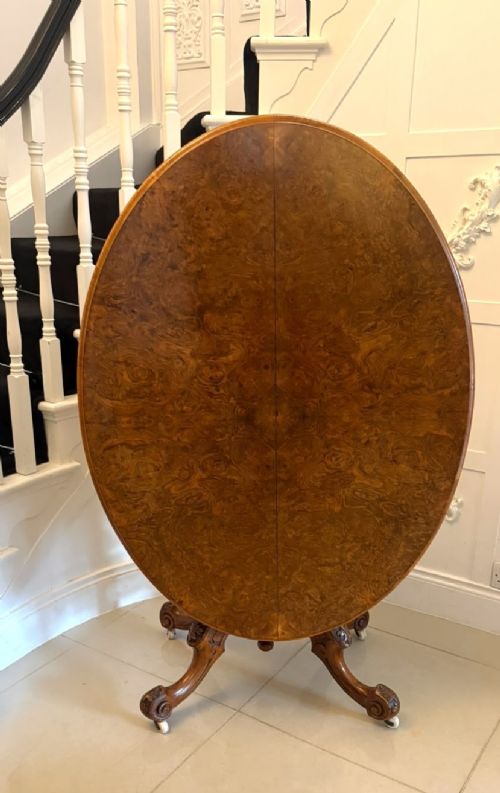
Quality rests upon the choice of timber figure, such as burr pollard oak or figured mahogany, and the crispness of carved details.
Construction integrity defines the upper tier, seen in stable multi-pillar dining tables and firmly joined tripod bases that bear weight evenly.
Liberty & Co·Eugen Bormel
The Antique Pedestals Glossary
- Tripod base
- A three-legged support structure commonly found beneath wine tables, candle stands and lamp tables.
- Tilt top
- A tabletop mechanism allowing the surface to pivot upright when not in use for convenient storage.
- Twin pedestal
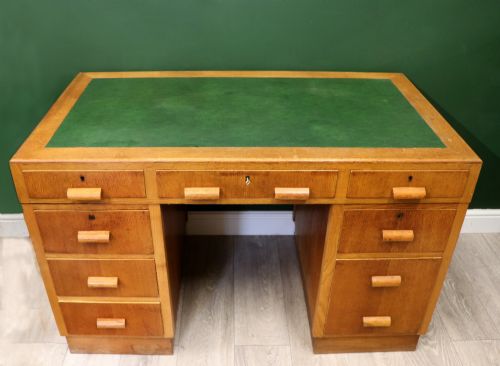
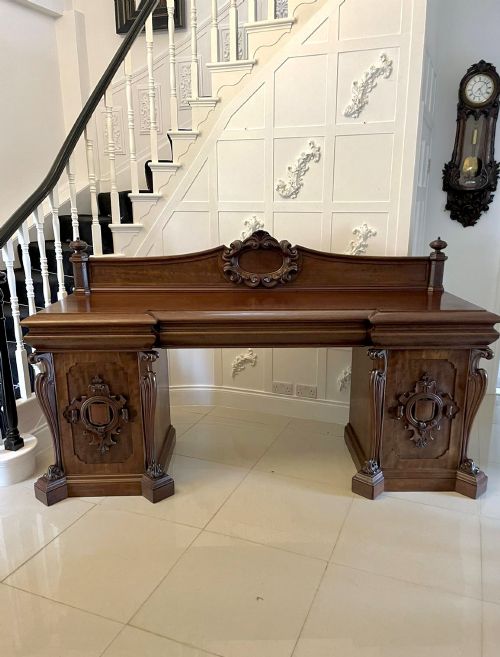
- A desk or table configuration supported by two distinct column pillars or cabinets rather than four corner legs.
- Marquetry
- Decorative veneer work arranged in geometric or pictorial patterns using various coloured woods.
Antique Pedestals: Frequently Asked Questions
What is an antique pedestal table used for?
These tables serve multiple functions depending on their form, ranging from intimate wine service to supporting lamps or plants in a corner.
Larger multi-pillar versions extend to accommodate guests for formal dining.
How do I identify a Victorian pedestal?
Victorian examples frequently utilise figured mahogany, walnut or ebonised wood, often featuring turned tripod bases or heavy pedestal columns.
They reflect the diverse revival styles and industrial confidence of the 19th century.
Are pedestal desks practical for daily work?
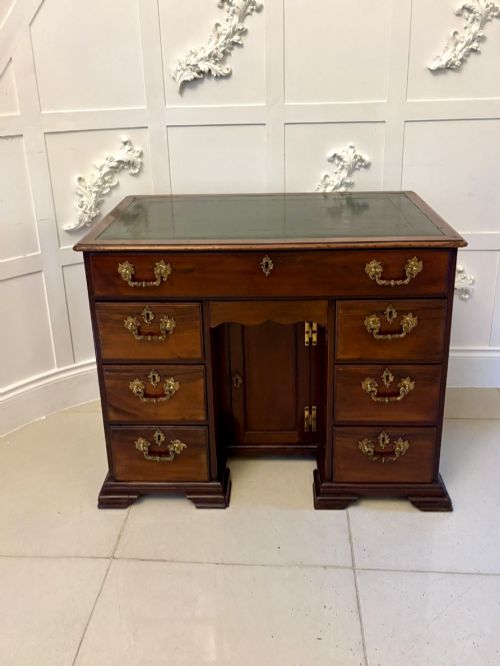
Twin pedestal desks provide substantial surface area and integrated drawer storage, making them well suited for a study.
Many incorporate leather writing surfaces that offer a durable platform for modern writing.
How do I care for antique wood surfaces?
Maintain timber pedestals by keeping them away from direct heat sources and sudden humidity changes to prevent warping.
Apply traditional wax polish occasionally to nourish the grain and preserve the finish.