



Antique Pastel Sketch
An antique pastel sketch brings soft pigment and immediate hand onto paper, offering intimate character studies and spirited street scenes that reward close inspection.
Antique Pastel Sketch
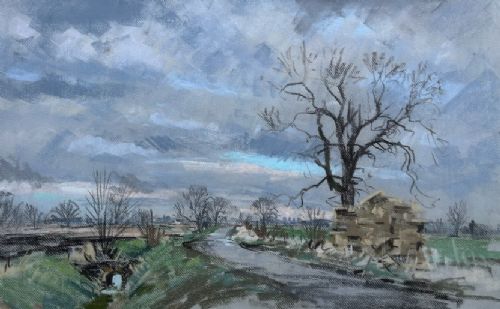
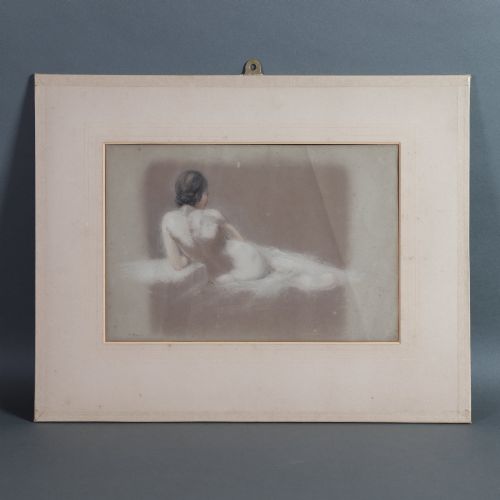
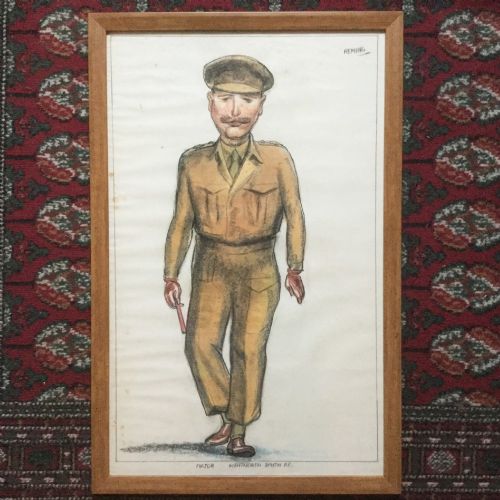
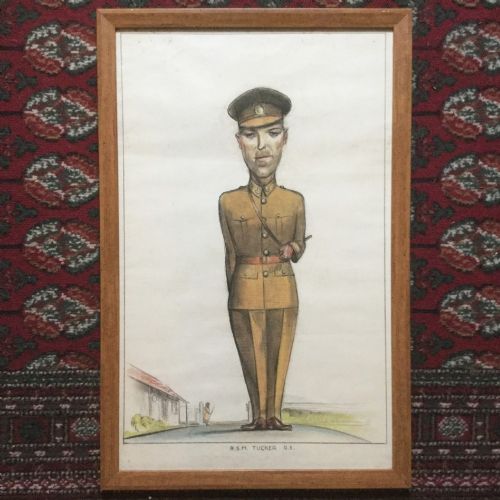
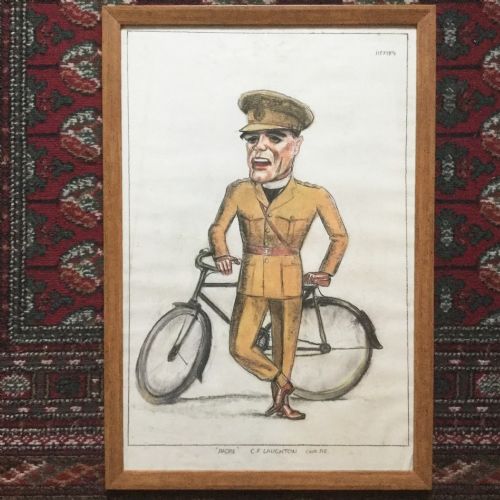
An antique pastel sketch captures transient moments and expressive likenesses through delicate dry media applied directly to a paper support. These works range from informal studies of nudes and animals to finished portraits of army officers and urban cityscapes.
The examples gathered here span from the nineteenth century through the Edwardian era and into the mid-century decades. Portraiture dominates the selection, alongside architectural street views and charming studies of animals.
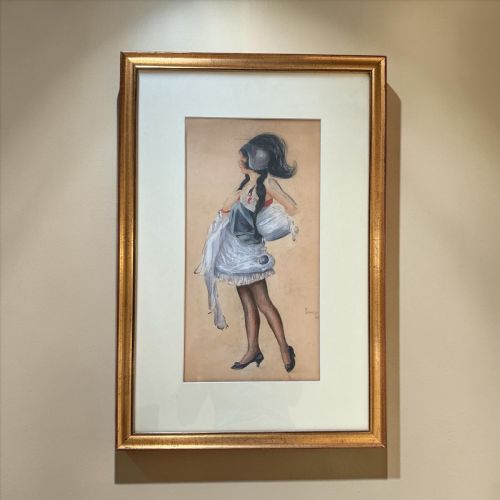
Framing varies considerably, with works presented behind protective glass in wooden or gilt wood frames that preserve the fragile pigment. Collectors encounter both rapid preparatory studies and fully realised compositions signed by period artists.
Materials and technique
Pastel pigment relies on pure powdered colour bound with a minimal gum solution, allowing artists to apply rich velvety strokes directly onto paper. Draughtsmen frequently combined pastel with chalk, charcoal or gouache to define contours and add highlights.
Paper serves as the primary support, often secured within wood or gilt wood frames beneath glass to prevent the loose pigment from smudging. This delicate composition requires careful handling, as the friable nature of pastel demands protection from direct touch and moisture.
Antique Pastel Sketch Retail Price Guide 2026
Typical asking prices for pastel sketch among the pieces listed under this phrase on Sellingantiques today, from the lower quarter to the upper quarter. They describe what is for sale here now, not the wider market.
Current listings feature pastel works combined with chalk, charcoal and gouache on paper supports.
Distinguishing finer examples
Quality rests upon the sureness of the draughtsmanship and the preservation of the pigment beneath the glass. Stronger pieces display confident handling of chalk and pastel that gives volume and life to a portrait or animal study.
The integrity of the paper support and the absence of heavy foxing or moisture staining elevate a piece. Original period framing that complements the work without damaging the fragile surface also adds distinction.
William Etty·Cecil Charles Windsor Aldin·Denis William Reed·John Macallan Swan·George Richmond
The Antique Pastel Sketch Glossary
- Pastel
- A dry painting medium consisting of powdered pigment and a binder, rolled into sticks for direct application to paper. It yields luminous velvety tones that require glass protection.
- Gouache
- An opaque water-based paint often used alongside pastel in these sketches to build solid highlights and dense background details.
- Support
- The physical foundation, predominantly paper in these works, upon which the artist lays down the pastel and charcoal marks.
- Foxing
- Brown spots caused by chemical reactions in older paper stocks, frequently visible in nineteenth-century sheets.
- Framed drawing
- A work on paper enclosed behind glass within a protective border of wood or gilt moulding for display.
Antique Pastel Sketch: Frequently Asked Questions
Can I hang pastel sketches in bright rooms?
Bright direct sunlight damages delicate pastel pigments and causes the paper support to yellow over time. Position these works away from south-facing windows and intense artificial spotlights.
Uv-filtered framing glass offers additional protection against fading while preserving the subtle tonal gradations of the original sketch.
Why do some sketches combine pastel with charcoal?
Artists use charcoal or chalk beneath or alongside pastel to establish firm structural outlines and deep shadows quickly. This mixed medium approach adds structural clarity to rapid portrait and animal studies.
The darker lines anchor the soft pastel pigments, creating a balanced composition with both sharp definition and velvety colour.
How do I date an Edwardian pastel drawing?
Edwardian works often reveal their period through the sitters' attire, uniform details, or the specific style of the wooden and gilt frames. Handwritten inscriptions or dates on the reverse of the paper provide definitive evidence.
Stylistic comparisons with documented works by artists active between nineteen-hundred and nineteen-fourteen help narrow down the execution date.