


Antique Parlor Lamps
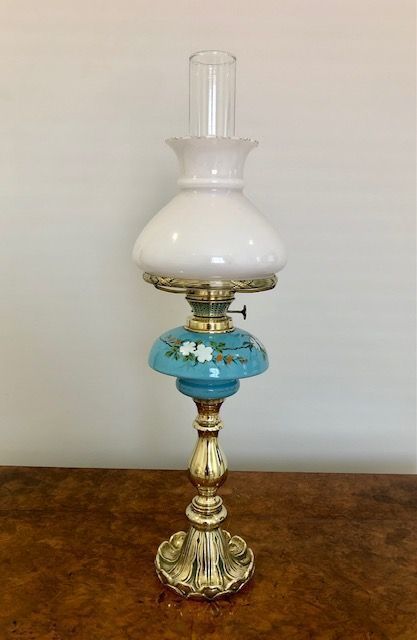
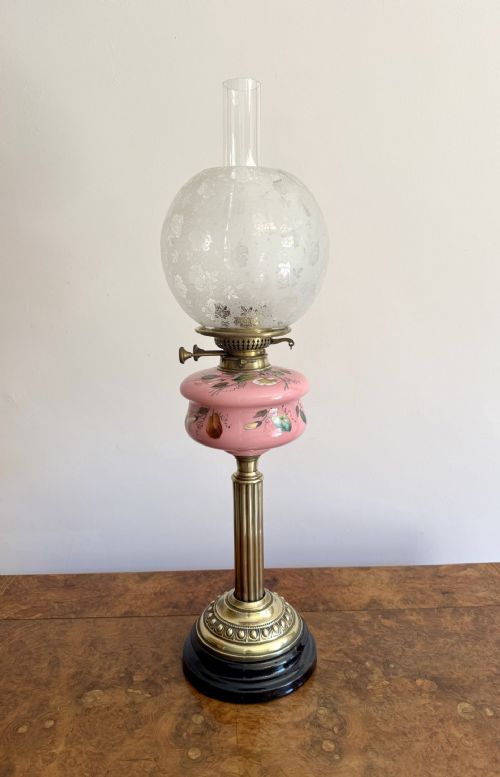
These antique parlor lamps bring brass and Victorian warmth into a room, offering the steady glow of oil-burning days.
Antique Parlor Lamps
When someone searches for antique parlor lamps, they seek the heavy metal domestic lighting of the late nineteenth century. These pieces provided interior illumination before electricity reached every room. The examples found here date primarily from the Victorian era.
The standard form consists of a heavy metal base supporting a fuel reservoir and burner. They stand ready to place on side surfaces or larger tables. Their presence brings a distinct period character to a domestic interior.
How they were made
Makers utilised cast and spun brass to form the structural bodies of these lamps. Metalworking techniques allowed for ornate detailing on the stems and bases. This construction provided the necessary weight to support burners and glass components safely.
Production combined metal casting with functional mechanical parts for wick adjustment. Components were assembled securely to hold fuel without leaking. The resulting objects combined utility with decorative metal finishing.
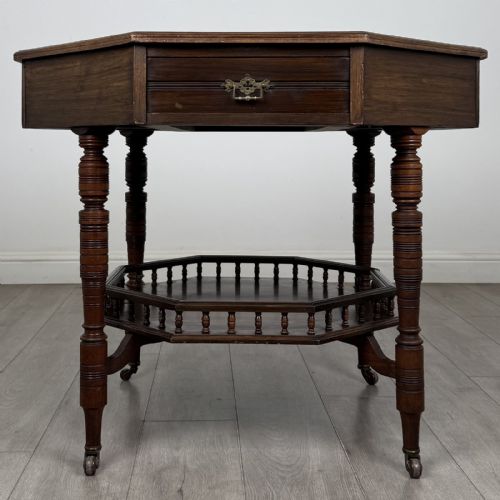
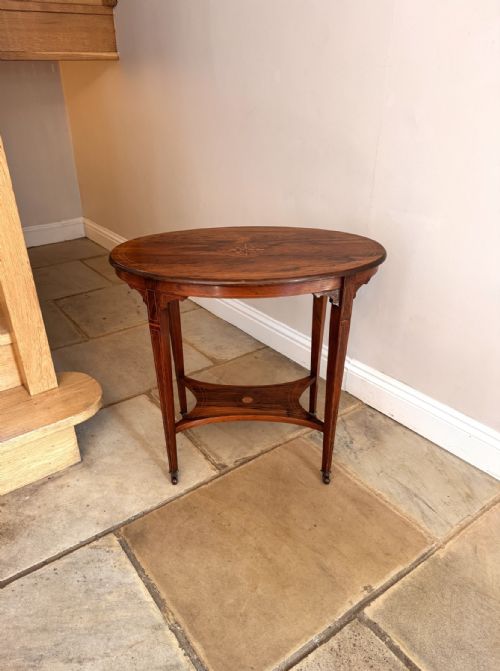
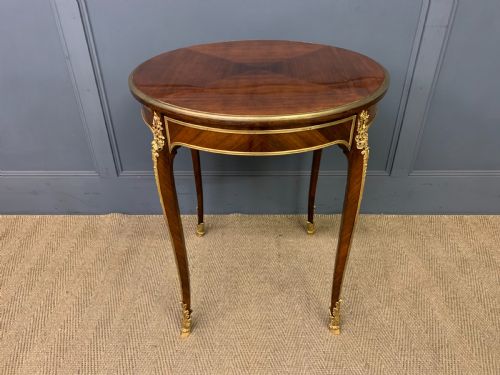
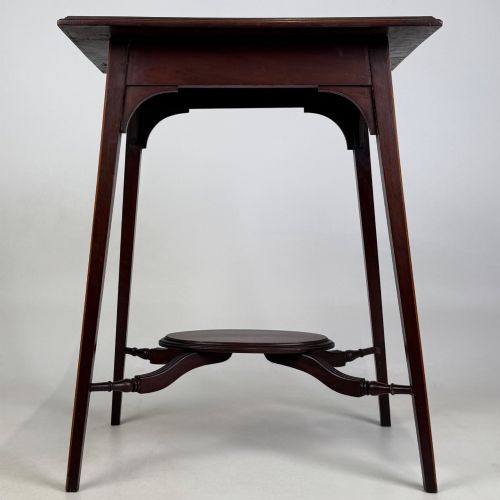
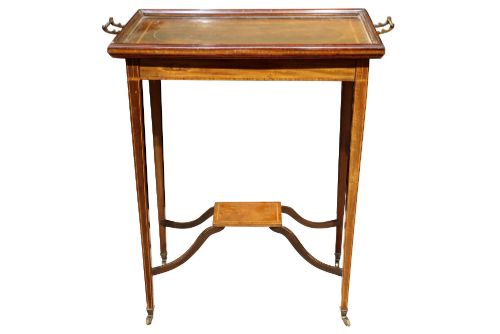
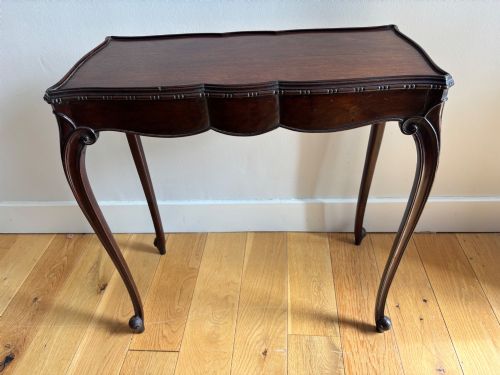
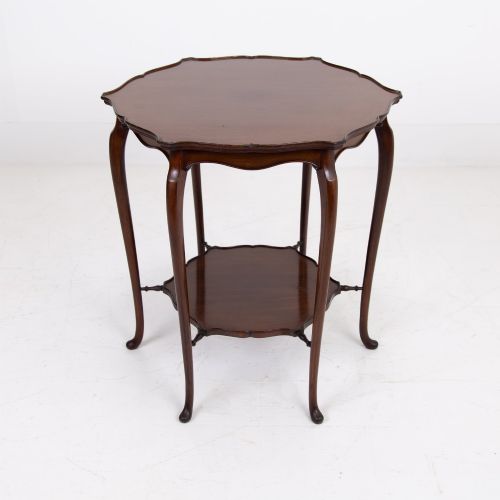
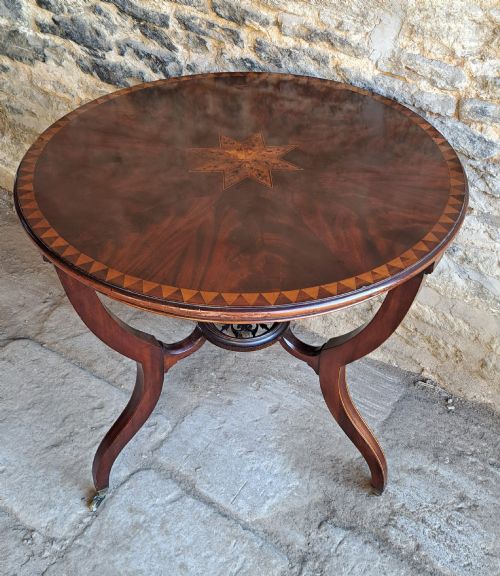
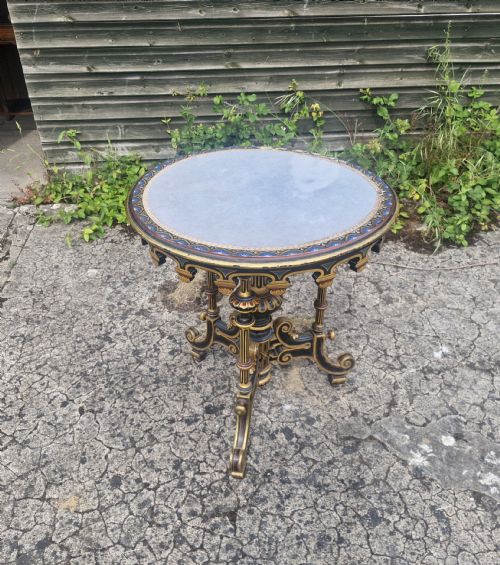
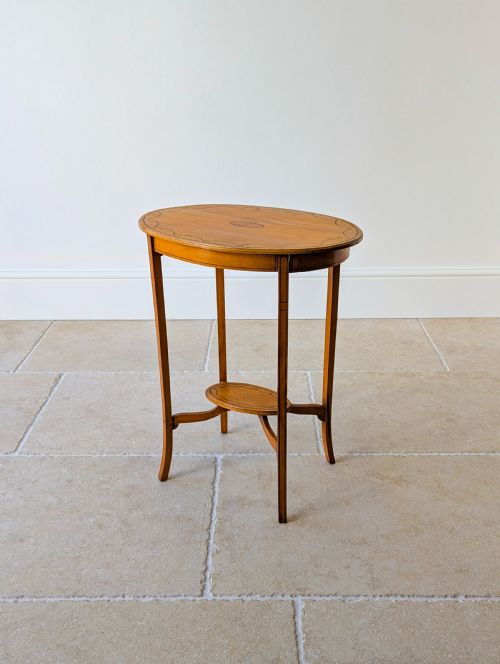
The listings here focus on Victorian brass oil lamps alongside various nineteenth century occasional and centre tables.
What varies in quality
Quality rests in the crispness of the brass casting and the weight of the metal. Finer examples display sharp definition in the cast patterns and solid proportions. Poorer specimens show softer details and lighter construction.
The integrity of the original components also determines the standing of a piece. Lamps retaining their original burners and mounts hold more character than those with replaced parts.
Francois Linke
The Antique Parlor Lamps Glossary
- Brass
- A copper and zinc alloy used extensively for the bodies and mounts of these lamps. It takes a bright polish and casts into intricate shapes.
- Victorian
- The period spanning the reign of Queen Victoria, covering the later decades of the nineteenth century when these lamps were widely used. It encompasses various revival styles in domestic objects.
- Burner
- The metal mechanism fitted to the top of the fuel reservoir to control the flame and wick. Original examples often bear maker stamps.
- Reservoir
- The container that holds the lamp oil before it reaches the burner. It sits atop the main brass column.
Antique Parlor Lamps: Frequently Asked Questions
Where should I place an antique parlor lamp?
These lamps sit well on sturdy side surfaces, chests of drawers, or larger tables where their height and metal finish can be appreciated.
Keep them away from busy traffic areas to protect the original brass and any associated glass elements from accidental knocks.
Can I still burn oil in these lamps?
While the mechanical components exist for burning fuel, most owners treat them as decorative objects for interior display rather than functional light sources.
Using them as lighting requires careful checking of the old burners and seals to ensure safe operation.
How do I clean the brass safely?
Dust gently with a soft cloth to maintain the surface without removing the aged tone that builds up over decades.
Avoid harsh chemical polishes that strip away the natural character accumulated since the Victorian period.
How do I date an antique parlor lamp?
Look to the style of the cast brass base and the complexity of the ornamentation to suggest whether the piece originates from the Victorian era or later.
Maker marks stamped onto the metal burners also help narrow down the period of production.