

Antique Painting Decor
Antique painting decor brings centuries of framed canvases, panels, and decorative objects into a room to build character through historic imagery.
Antique Painting Decor
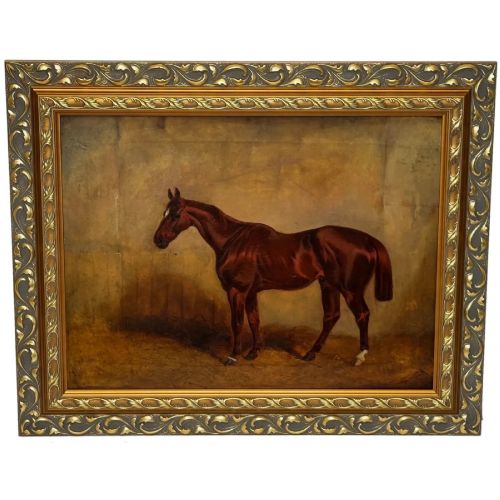
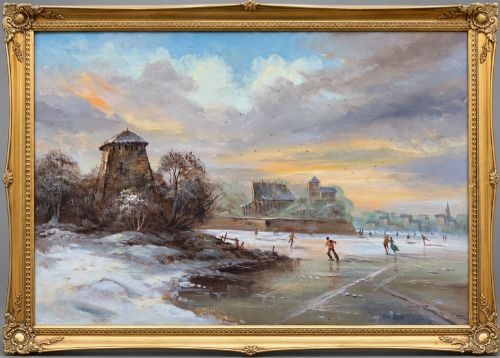
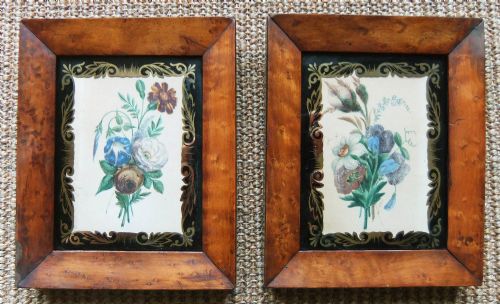
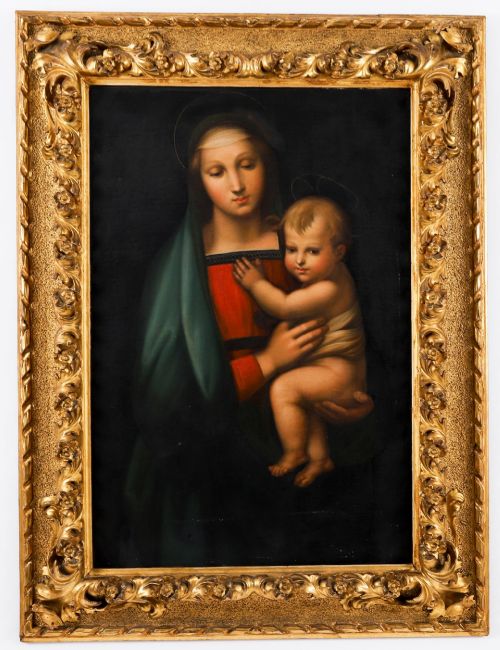
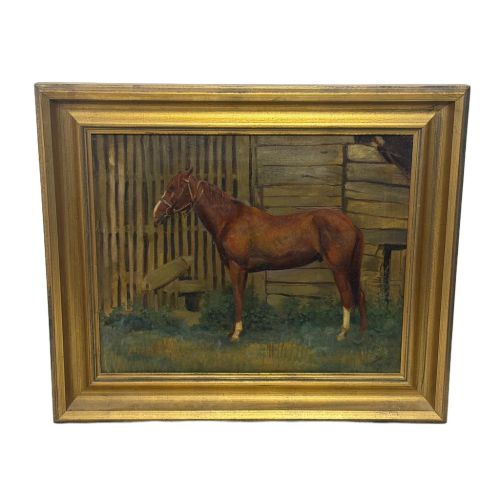
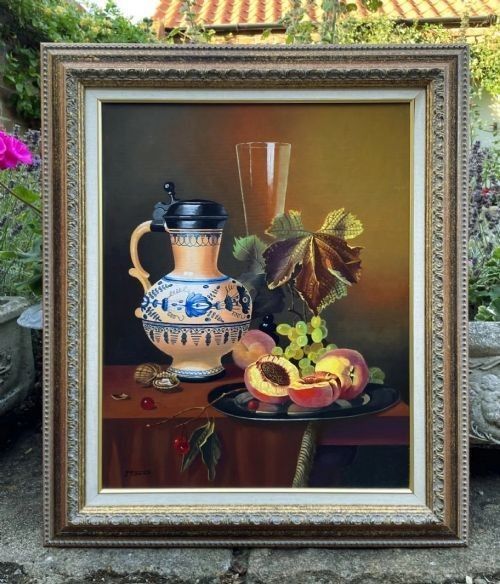
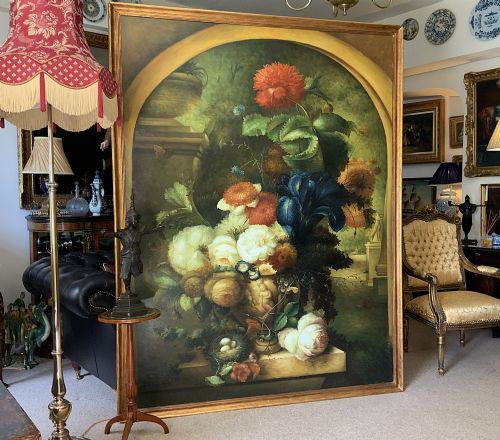
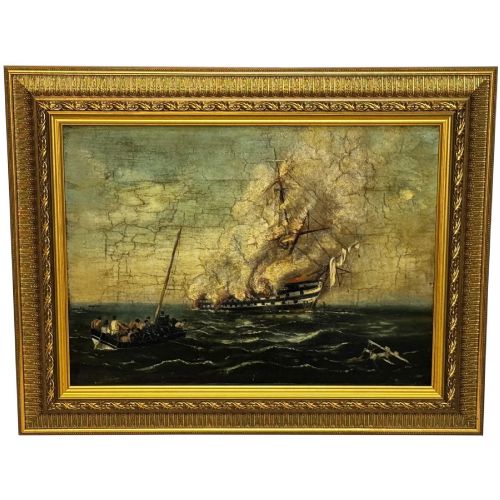
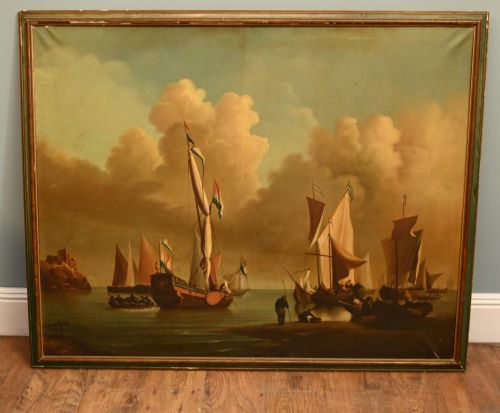
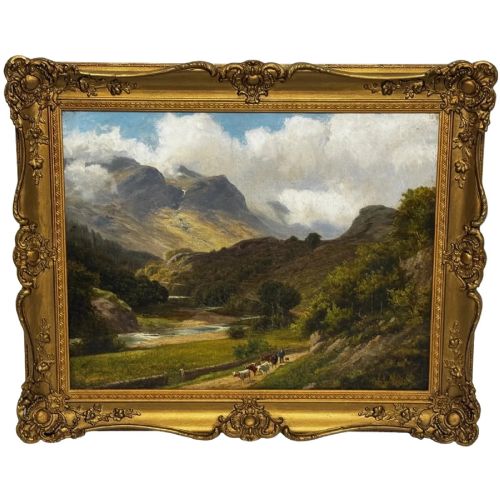
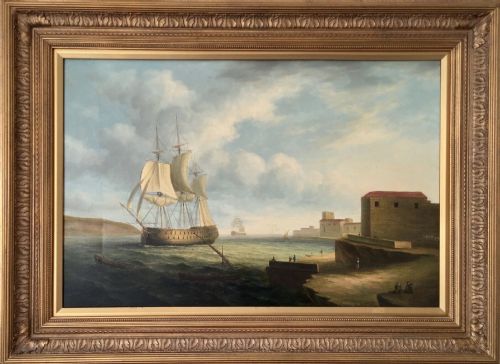
When searching for antique painting decor, buyers encounter a diverse selection of framed artworks, painted panels, and decorative artefacts designed to enrich interior spaces. The inventory spans centuries of artistic expression, ranging from formal portraits and maritime scenes to delicate watercolours and still life compositions.
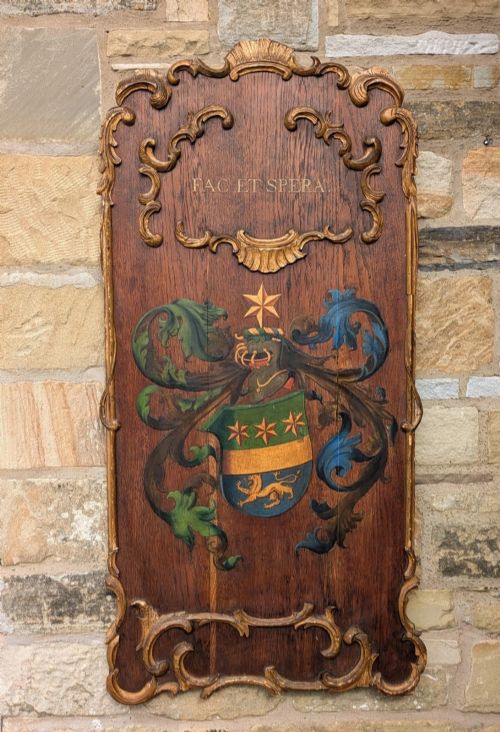
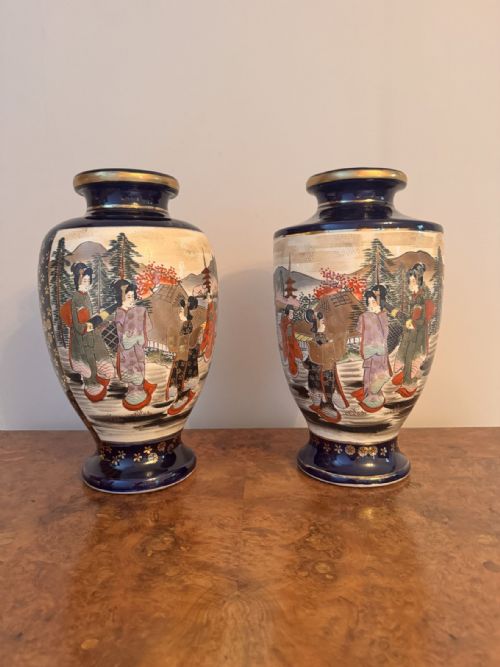
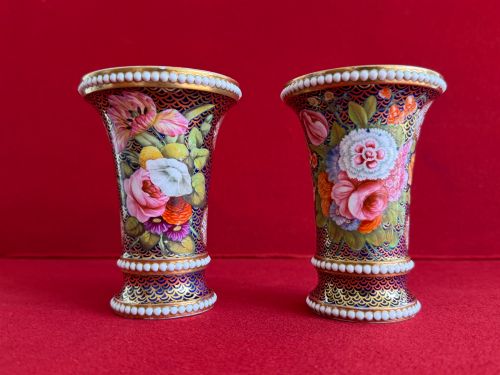
The most common pieces on this page are oil paintings executed on canvas or wood panels, alongside works on paper and reverse-painted glass. Alongside traditional wall art, the category encompasses painted decorative objects, ceramic vases, and trade signs that integrate pictorial elements into functional forms.
Origins stretch across British, European, and Asian workshops, reflecting stylistic shifts from Georgian restraint to Victorian narrative depth and later mid-century abstraction. Buyers select these works to anchor a room with genuine historical presence and visual depth.
How they were made
Makers relied primarily on oil paint applied to prepared canvas or wooden panels, often building rich textures and deep tones through layered glazes. Works on paper utilise watercolour or ink, while alternative techniques include reverse glass painting and hand-painted polychrome decoration on plaster and ceramics.
Frames and structural supports incorporate seasoned wood, frequently finished with giltwood or carved detailing to complement the artwork. The materials reflect the period of origin, employing traditional grounds, natural pigments, and hand-beaten hardware.
Listings feature oil paintings, watercolours, and reverse-painted glass spanning the eighteenth, nineteenth, and twentieth centuries.
What varies in quality
Superior examples demonstrate confident brushwork, accurate anatomical or spatial perspective, and a harmonious balance of colour and light within the composition. Masterful handling of paint creates depth and luminosity that distinguishes professional studio output from simpler vernacular production.
The integrity of the original surface, including the stability of the canvas and the preservation of early pigments, influences the standing of a piece. Finer works retain their original frames and mounting, maintaining the complete aesthetic intended by the maker.
Charles Bilger Spalding·Lionel Ellis·Sir William Beechey·James Hardy·John Hayls·Lemuel Francis Abbott·Alfred Young Nutt
The Antique Painting Decor Glossary
- Oil on canvas
- Pigment suspended in a drying oil medium applied to a woven fabric support. This technique allows for rich blending and textured impasto.
- Reverse glass painting
- An artwork created by applying paint to the back of a piece of glass and viewing the final image from the front. The smooth glass imparts a glossy sheen to the finished surface.
- Giltwood
- Wood carved and coated with a thin layer of gold leaf or metallic powder. It provides a reflective, ornate border for formal portraits and mirrors.
- Still life
- A painting or drawing depicting inanimate subject matter, such as fruit, flowers, or household objects. These compositions often explore light, shadow, and texture.
- Diorama
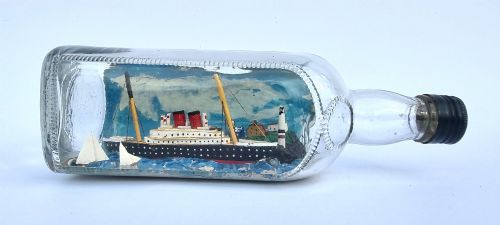
- A three-dimensional full-size or miniature model set inside a shallow case. Folk art examples frequently feature model ships encased in glass bottles.
Antique Painting Decor: Frequently Asked Questions
How do I hang a heavy oil painting safely?
Heavy canvases and framed oils require robust picture wire and appropriate wall anchors fixed directly into structural studs. Ensure the hanging hardware matches the weight of the piece to prevent accidental shifting.
Position the centre of the painting at eye level, roughly one hundred and fifty centimetres from the floor, to achieve optimal visual balance in the room.
Can I place antique paintings in direct sunlight?
Direct sunlight accelerates the fading of organic pigments, watercolours, and delicate paper supports over time. Ultraviolet rays can also cause varnishes on oil paintings to yellow or crack prematurely.
Protect your investment by hanging artworks on interior walls away from unshaded windows, or by installing UV-filtering window films in bright rooms.
What is the difference between an oil painting and an oleograph?
An oil painting is an original work created by an artist applying wet paint directly to a canvas or panel by hand. Brushstrokes carry tactile dimension and unique artistic variations.
An oleograph is a mechanical chromolithographic reproduction designed to simulate the texture and appearance of an oil painting on canvas, often featuring a stamped surface grain.