
Antique Ormolu Lights
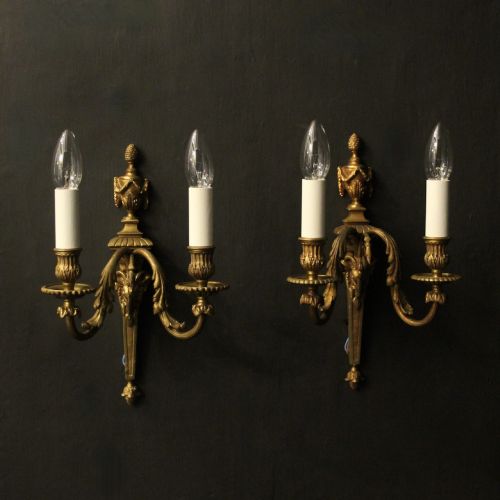
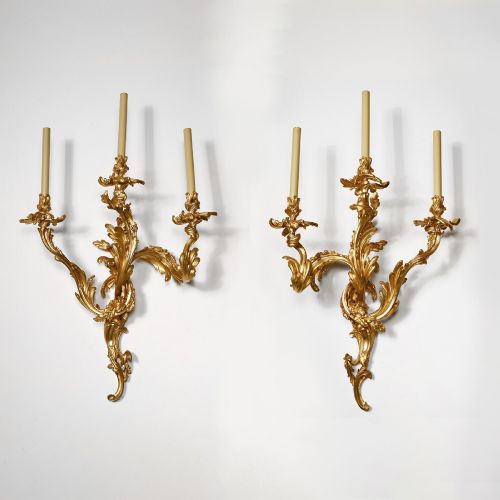
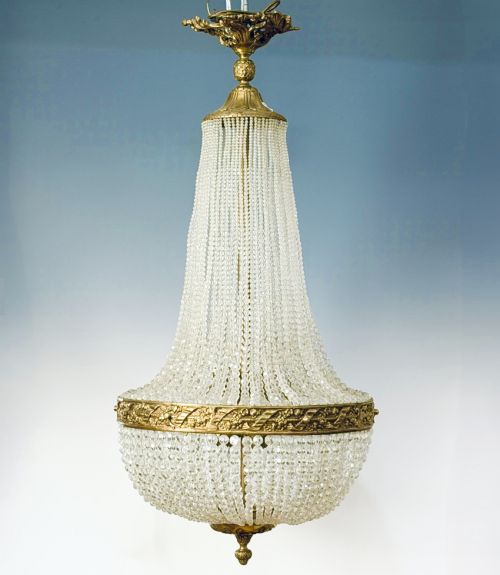
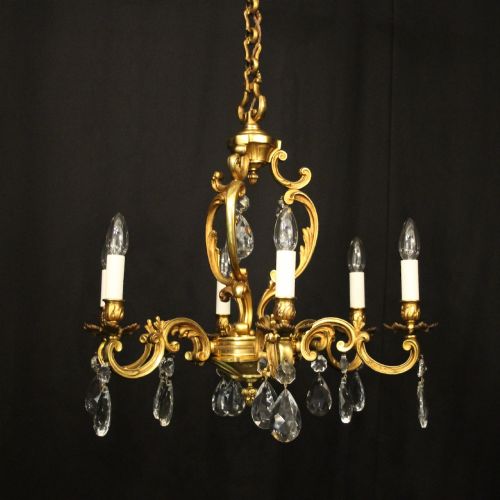
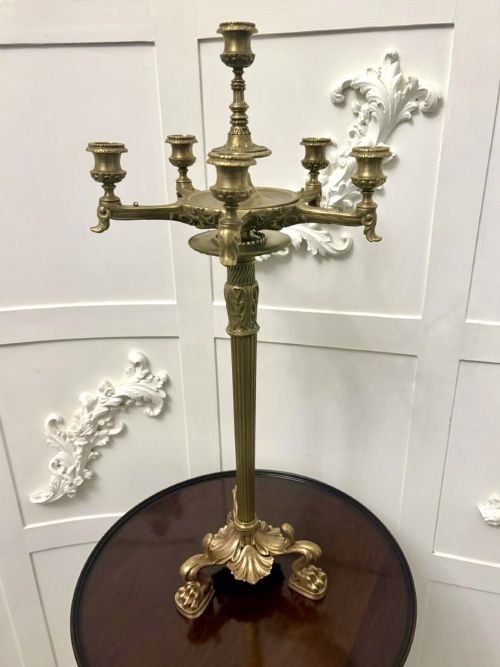
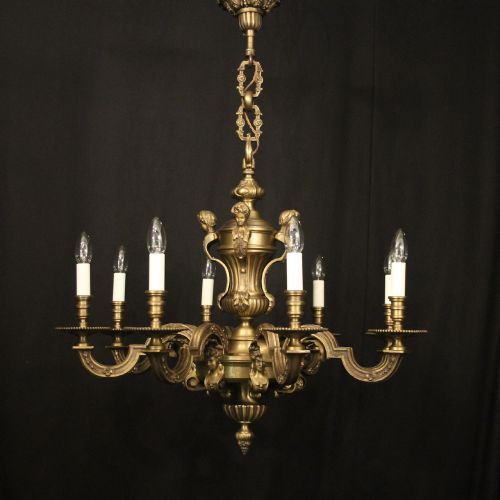
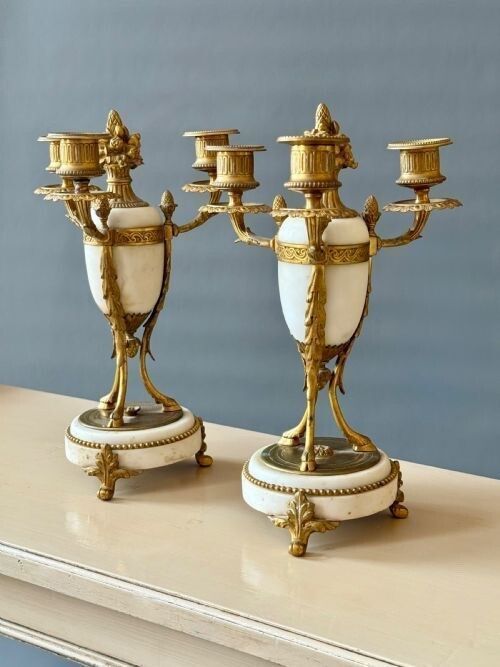
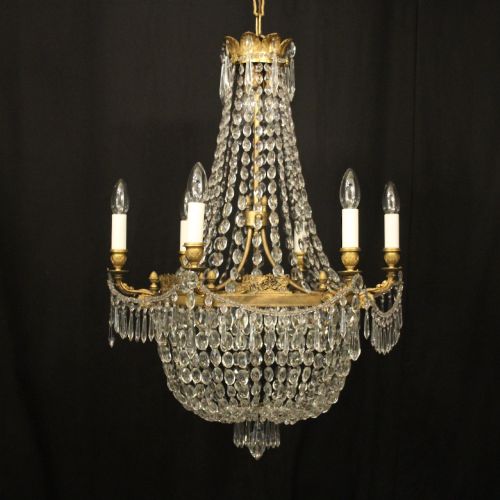
These antique ormolu lights bring heavy gilt bronze and brass glow into a room through chandeliers, wall sconces and candelabra.
Antique Ormolu Lights
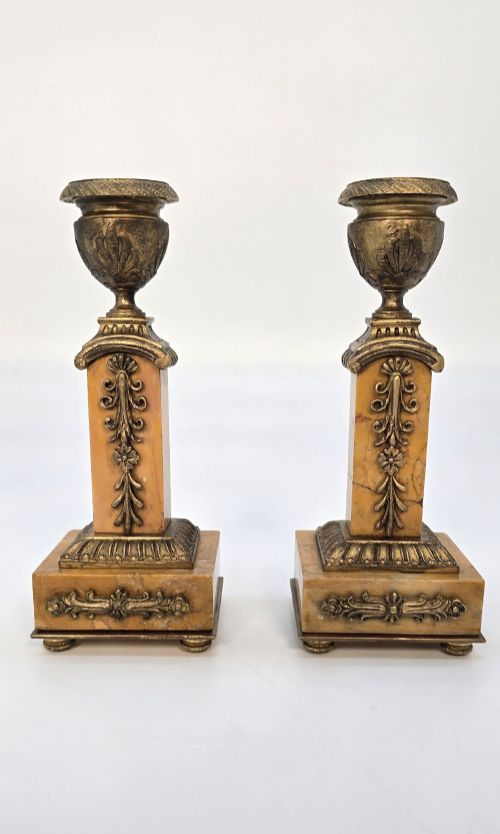
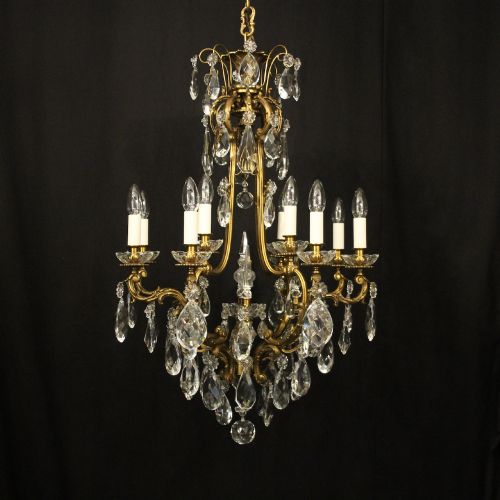
When you search for antique ormolu lights, you encounter heavy metal work designed to hold candles or electricity across multiple branches. These fixtures span from eighteenth century creations to early twentieth century productions rooted in French design traditions.
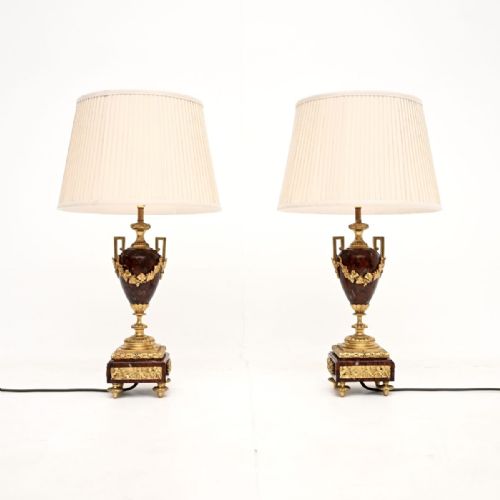
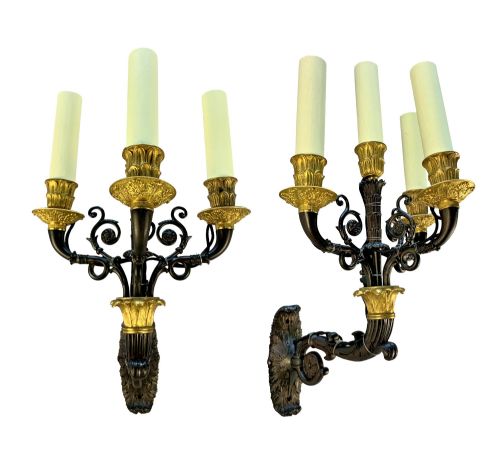
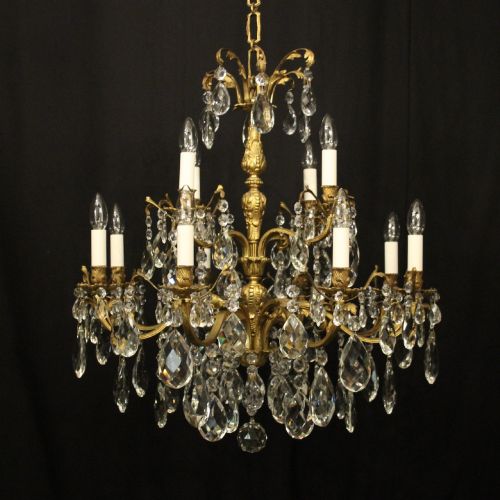
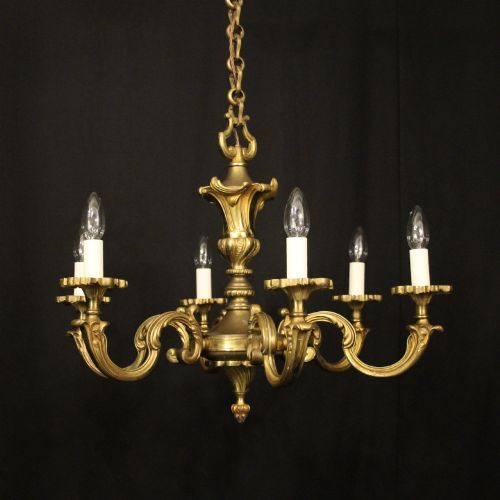
The selections here focus heavily on French gilt bronze and brass forms, particularly multi-branch wall lights, candelabra and chandeliers decorated with crystal drops. English and Spanish interpretations also appear alongside pieces featuring white marble, onyx and alabaster.
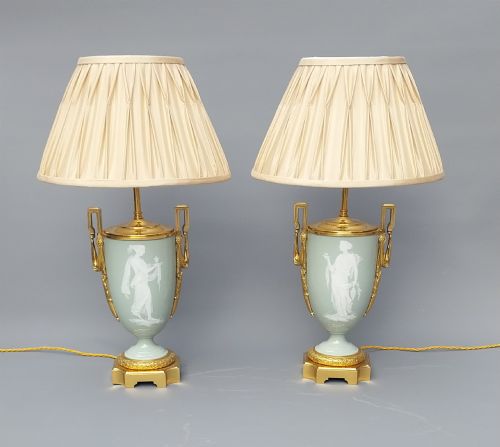
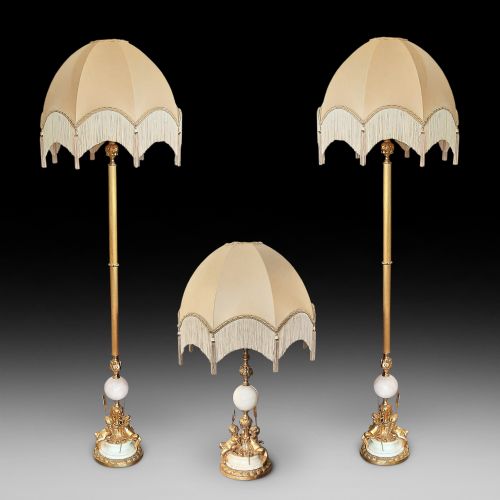
Wall lights, floor lamps, table lamps and hall lanterns dominate the current range, showing styles from Rococo and Empire to Neoclassical and Louis XVI revivals. Buyers find matching pairs of sconces and large multi-light chandeliers ready for installation.
How they were made
Craftsmen cast figures and scrolling arms in bronze or brass before applying mercury gilding or surface treatments to achieve the distinct ormolu finish. Cut crystal pendants, drops and bead chains were wired by hand onto frames to catch and multiply the candle or bulb light.
Secondary materials such as rouge marble, white marble, onyx and alabaster form bases and columns, turned and polished to support the heavy metalwork. Patinated bronze surfaces frequently contrast with bright gilt highlights on figural candelabra and wall appliques.
Listings span periods from the eighteenth century through the nineteenth century and into Edwardian and 1930s productions.
What varies in quality
The integrity and uniformity of the gilding across hidden and exposed areas mark superior manufacture, while inferior examples show uneven wear or flat plating. Integration of cut crystal elements and quality marble bases also separates standard production from exceptional pieces.
Barbedienne
The Antique Ormolu Lights Glossary
- Ormolu
- Gilded bronze produced by applying a mercury and gold amalgam to a bronze base and heating it. This technique creates a durable, rich golden surface typical of French decorative arts.
- Candelabra
- A branched candlestick holder designed to support multiple candles simultaneously. These pieces often feature removable upper sections or central figural columns.
- Appliqué
- A wall-mounted light fixture, synonymous with a wall sconce. These items fix directly to wall panels to provide directional illumination.
- Champlevé
- An enamelling technique where troughs are dug into a metal surface and filled with vitreous enamel before firing. It appears on decorative bases and lamp bodies.
- Chandelier
- A branched, suspended lighting fixture holding multiple light points. Antique versions frequently incorporate glass prisms or crystal waterfalls.
Antique Ormolu Lights: Frequently Asked Questions
How do I wire antique ormolu lights?
Professional electricians thread modern heat-resistant flex through the internal channels of the bronze arms without damaging the original metal structure. Certified components keep the antique wiring safe for daily domestic use.
Most fixtures accept standard candle-tubes fitted over small lamp holders to mimic the original appearance of wax candles. Earth connections are run securely to the metal frames during conversion.
Can I hang heavy crystal chandeliers safely?
Large multi-arm chandeliers require direct structural support from ceiling joists rather than relying on standard plasterboard fixings. Steel hanging hooks screwed into timber beams bear the total weight safely.
Professional installation ensures that the suspension chain, ceiling rose and internal wiring handle the load without placing stress on antique brass loops.
How do I tell Empire style from Louis XVI?
Louis XVI style ormolu lights feature neoclassical symmetry, delicate ribbon ties, urns, acanthus leaves and straight tapered legs. The influence draws directly from ancient Roman and Greek decorative motifs interpreted with lighter proportions.
Empire style pieces present heavier, militaristic and symbolic motifs inspired by Napoleonic victories, including sphinxes, laurel wreaths, swans and bold geometric symmetry. The bronze casting on Empire pieces tends to feel more monumental and austere.