

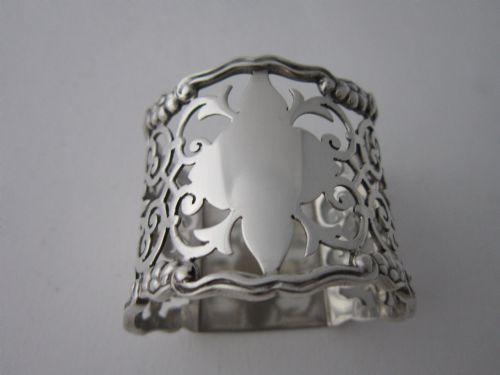

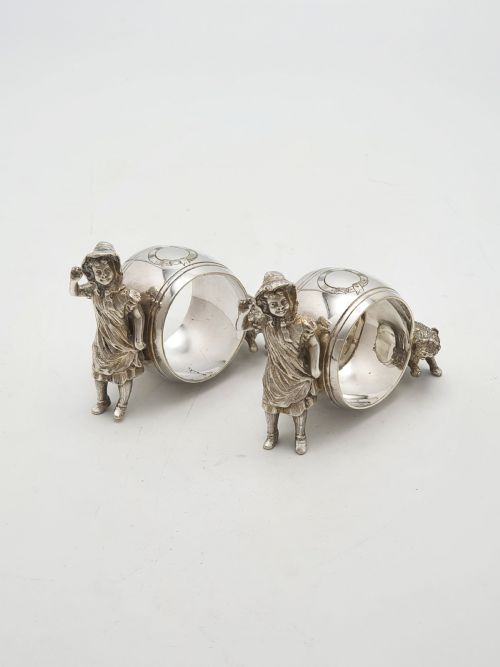


Antique Napkin Band
An antique napkin band, often found in fitted cases, brings dining history to the table through solid silver and plated designs.
Antique Napkin Band
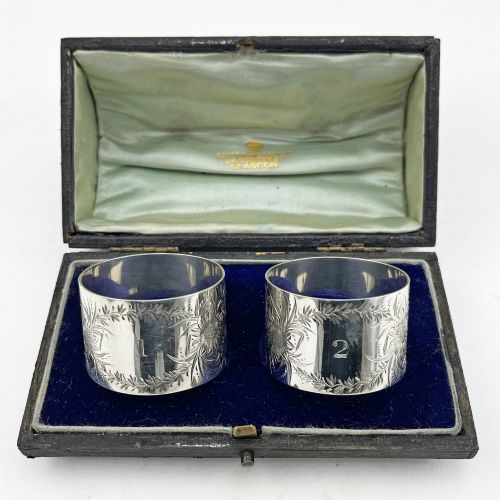
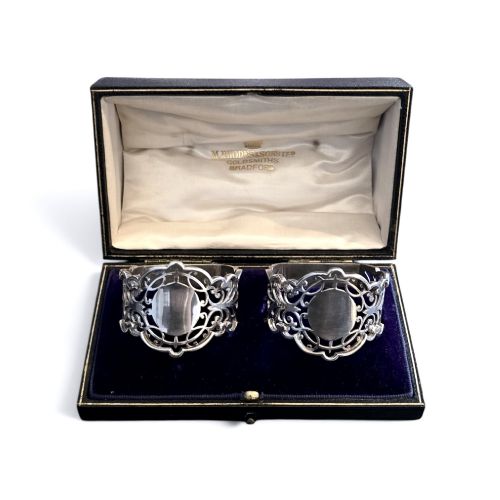
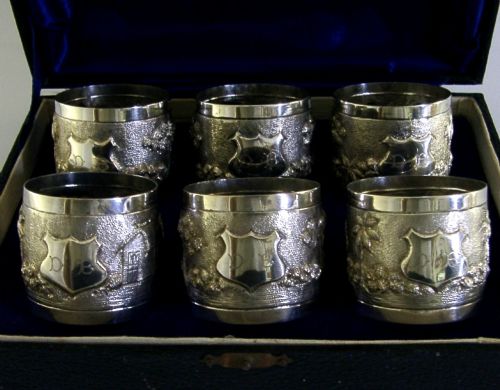
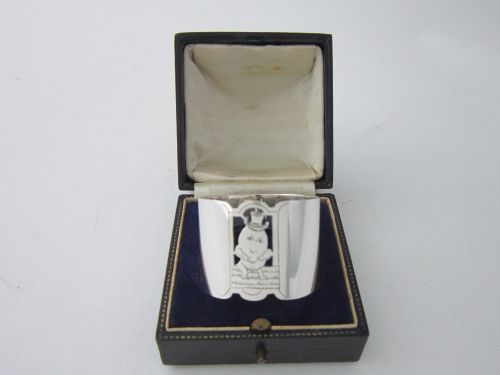
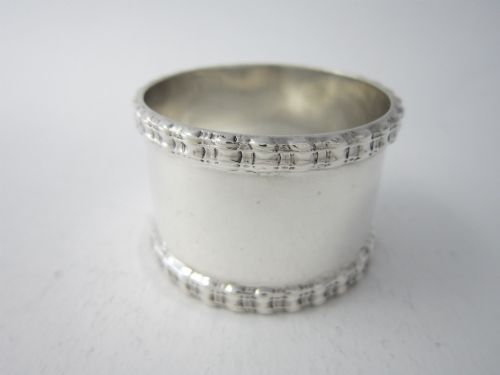
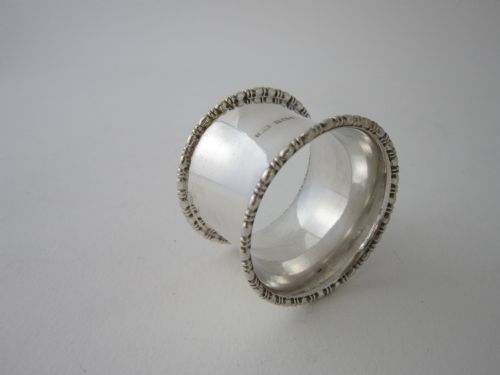
When searching for an antique napkin band, collectors encounter practical table markers made predominantly in sterling silver and silver plate, frequently appearing in matched pairs or boxed sets of six. These small domestic objects served to identify family members' linens during extended use between washes at the dining table.
The pieces on this page span from the late Victorian and Edwardian eras through the George V period and into the 1930s, reflecting shifts in dining formality. Single rings and coordinated sets alike emerge from this timeframe, often preserving their original presentation cases lined with silk, velvet, or leatherette.
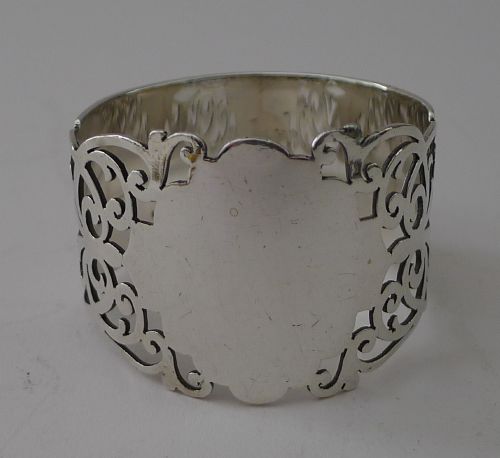
Edwardian and Victorian examples dominate the available selection, displaying styles that range from plain polished bands to geometric Art Deco creations. Buyers frequently meet Anglo-Indian interpretations and specialised forms incorporating belts or figural motifs alongside standard circular hoops.
Materials and construction methods
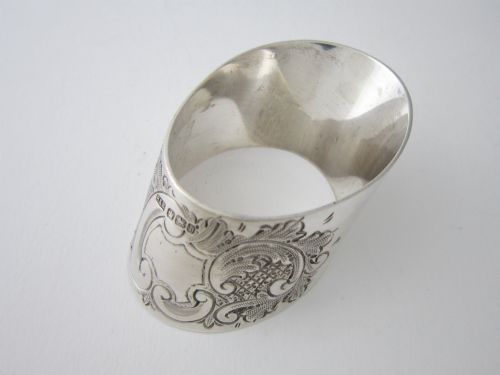
Silversmiths constructed these napkin bands primarily from sterling silver and silver plate, utilising techniques such as hammering to create textured surfaces. Workshops applied decorative treatments including brightly coloured enamel work, guilloche patterns, and inset stones like citrine to elevate the plain metal forms.
Craftsmen working within the Arts and Crafts tradition employed hand-beating and simpler structural lines, contrasting with the precise geometric machinery of the later Art Deco period. Many items bear assay office hallmarks that record the specific year and location of manufacture across British hubs.
Antique Napkin Band Retail Price Guide 2026
Typical asking prices for napkin band among the pieces listed under this phrase on Sellingantiques today, from the lower quarter to the upper quarter. They describe what is for sale here now, not the wider market.
Distinguishing quality in silver bands
Quality rests heavily on the weight of the metal, the crispness of any hand-hammered or engraved decoration, and the survival of the original fitted case. Substantial gauge silver provides a reassuring heft in the hand, whereas lighter plated versions depend entirely on the intactness of their protective coating.
The presence of distinguished makers or specialised decorative techniques, such as applied enamel or set gemstones, separates standard domestic examples from exceptional collector pieces. Original velvet or silk interiors within fitted boxes add significant context and preserve the item's historical integrity.
Martin Hall & Co·Albert Edward Jones·Liberty & Co·Cartier·David Andersen
The Antique Napkin Band Glossary
- Sterling silver
- A silver alloy containing 92.5 percent pure silver by mass, forming the primary metal used for the majority of these antique table pieces.
- Silver plate
- A base metal coated with a thin layer of silver, offering the appearance of solid metal at a different production level.
- Guilloche enamel
- A decorative technique where transparent enamel is layered over precisely engraved engine-turned metalwork, creating repeating geometric patterns.
- Assay office
- An official body that tests the purity of precious metals and stamps items with hallmarks indicating origin and year.
- Fitted case
- A specialised storage box lined with materials like silk, velvet, or leatherette, designed precisely to hold a single ring or a set.
Antique Napkin Band: Frequently Asked Questions
What is an antique napkin band used for?
These bands held individual family members' cloth napkins between laundering sessions at the Victorian and Edwardian dinner table.
They functioned as personal table markers to ensure household linens remained properly assigned throughout the week.
How do I know the age of my silver ring?
British pieces typically feature hallmarked stamps that reveal the assay office, standard of metal, and a specific date letter.
Matching these marks against official records provides the exact year of manufacture for sterling silver examples.
Why do some sets come in boxes?
Original fitted cases lined with silk, velvet, or leatherette protected delicate silver and plated sets when not in use on the dining table.
Gift-giving traditions during the Edwardian and Victorian eras also meant high-end tablewares were retailed directly in custom presentation boxes.
How do I clean antique silver bands?
Gentle washing with warm soapy water and a soft cloth removes everyday dust without damaging delicate engraved details or applied enamel.
Harsh abrasive dips should be avoided to preserve the natural patination built up over a century of handling.