




Antique Mirror with Coat Hooks
An antique mirror with coat hooks solves the hallway clutter problem with genuine period character, combining practical hanging space and a looking glass in one fixture.
Antique Mirror with Coat Hooks
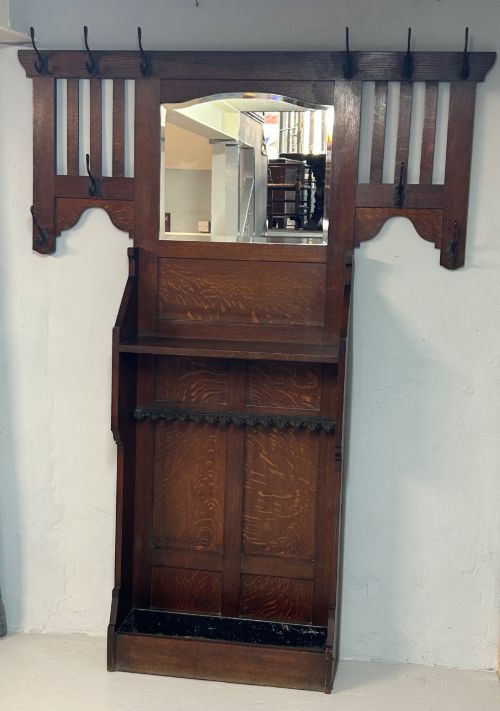
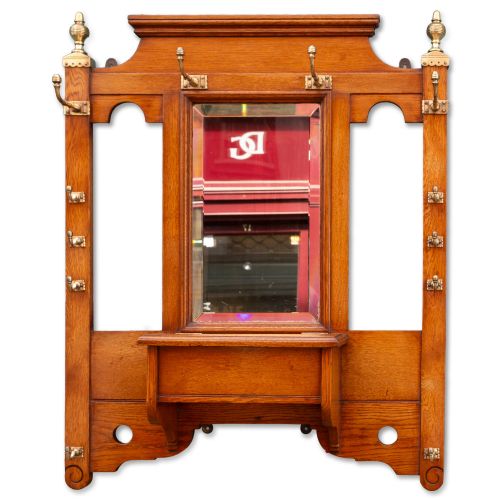
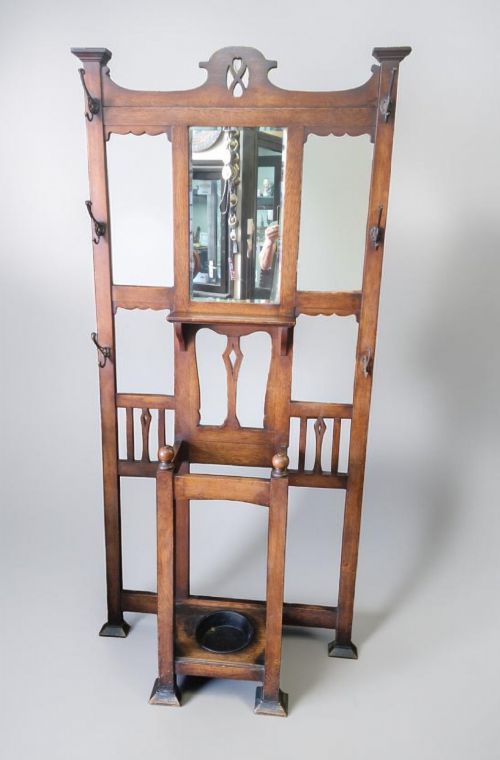
An antique mirror with coat hooks combines a functional glass plate with hanging hardware, appearing in forms ranging from compact wall-mounted racks to substantial hall stands.
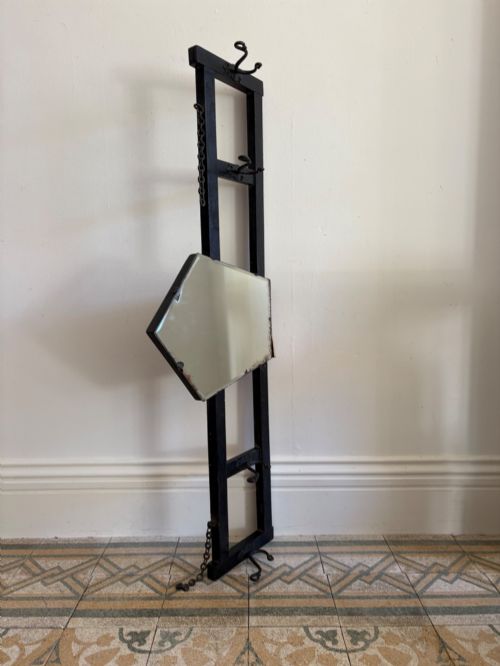
Most examples on this page date from the Victorian and Edwardian periods, utilising sturdy timbers like oak and mahogany alongside specialised French bistro or art deco designs.
Buyers encounter wall-mounted hat and coat racks alongside large freestanding hall furniture incorporating umbrella stands, shelves, and original mirror plates.
How they were made
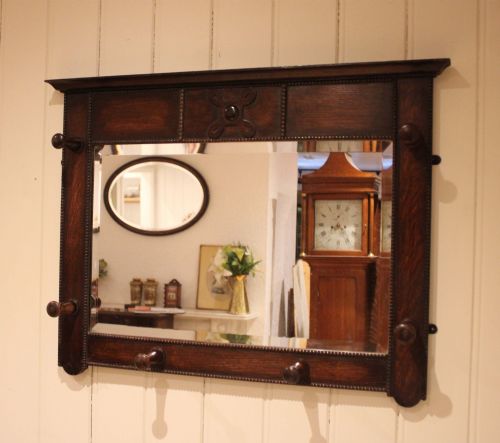
Cabinetmakers constructed these pieces primarily from solid oak and mahogany, often incorporating bevelled mirror glass and robust brass or cast iron hooks.
Specialised variations feature ceramic tile inserts, such as Minton tiles, or decorative metalwork reflecting Gothic Revival and Art Nouveau aesthetics.
Antique Mirror with Coat Hooks Retail Price Guide 2026
Typical asking prices for mirror with coat hooks among the pieces listed under this phrase on Sellingantiques today, from the lower quarter to the upper quarter. They describe what is for sale here now, not the wider market.
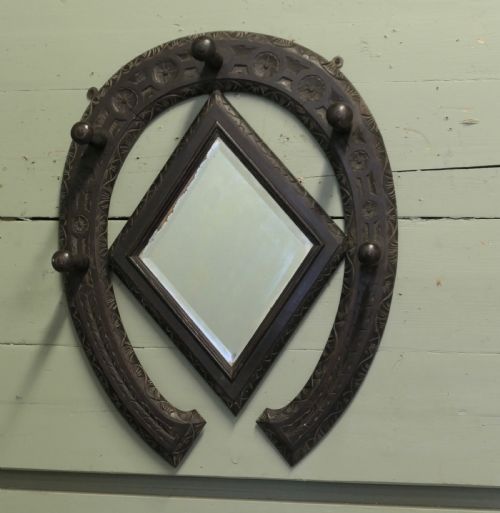
Several pieces incorporate lucky horseshoes into their ironwork, ensuring guests wipe their boots and bring fortune into the hallway.
What varies in quality
The distinction between standard and superior pieces rests on the weight of the timber, the depth of the bevel on the mirror plate, and the cast quality of the metal hooks.
Makers who integrated artistic ceramics, intricate carving, or original portmanteau styling produced works that stand apart from utility hallway fittings.
Ellen E. Houghton·Minton
The Antique Mirror with Coat Hooks Glossary
- Portmanteau
- A combination piece of hallway furniture integrating a mirror, coat hooks, glove box, and umbrella stands. These large items served as the central storage hub in a Victorian or Edwardian entrance hall.
- Bevelled plate
- A mirror glass whose outer edges are cut at an angle to create a framed or refractive effect. This treatment indicates finer glass production and adds visual depth to the hall mirror.
- Hall stand
- A freestanding item of furniture designed for entranceways, holding hats, coats, and walking sticks. They frequently incorporate a central mirror and small compartments for keys or stamps.
- Gothic Revival
- An architectural and decorative style drawing on medieval forms, characterised by pointed arches and heavy ironwork. Pieces from this movement often utilise horseshoe motifs and dark timbers.
Antique Mirror with Coat Hooks: Frequently Asked Questions
How do I hang a wall-mounted coat rack?
Wall-mounted racks require secure fixings into wall studs or solid masonry to support the weight of heavy winter coats and the timber frame.
Because these pieces combine dense hardwoods and glass, proper weight distribution across multiple fixing points is essential for safe installation.
What is the difference between a hall stand and a coat rack?
A hall stand is typically a large freestanding piece of furniture that rests on the floor, often including umbrella wells and storage compartments.
In contrast, a coat rack is a lighter, wall-mounted fixture designed primarily for hats and coats alongside a smaller mirror.
Can these pieces be used in a modern hallway?
These functional antiques suit contemporary spaces by providing immediate utility for daily coats and bags while adding warm timber tones to an entrance.
The combination of a mirror and hooks offers a practical spot for a final check before leaving the house.
How do I identify Victorian pieces?
Victorian examples often feature dark oak or mahogany, deep bevelling on the mirror glass, and robust brass or cast iron hardware.
Stylistic markers from this era include heavy proportions, carving, and occasional decorative tile work.