
Antique Metalwork
Antique metalwork brings together centuries of human skill across bronze, copper, brass, and pewter, offering vessels, figures, and lamps shaped by fire and hand.
Antique Metalwork
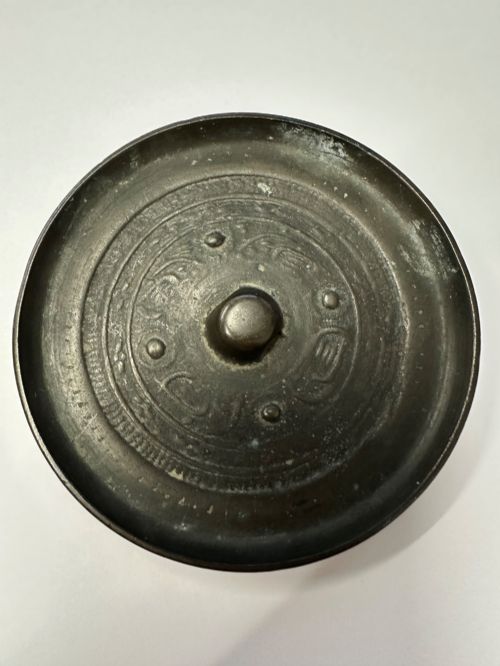
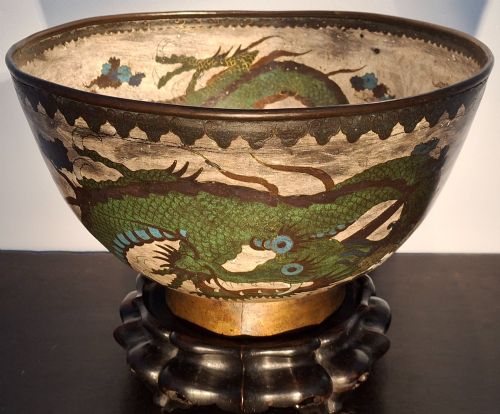
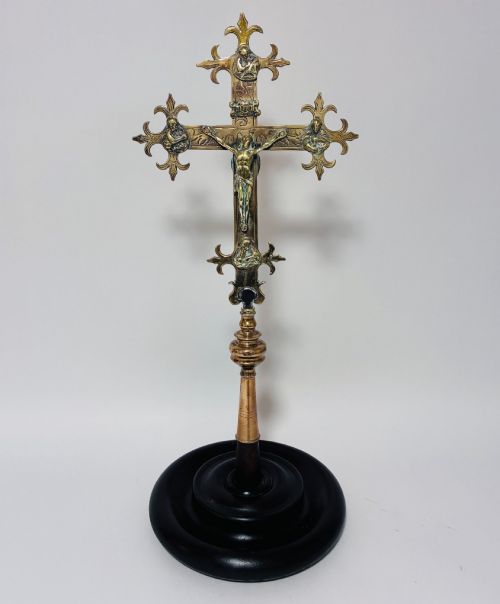
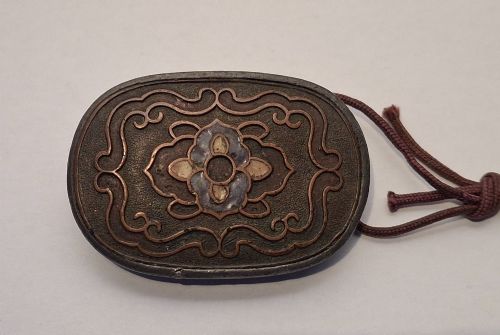
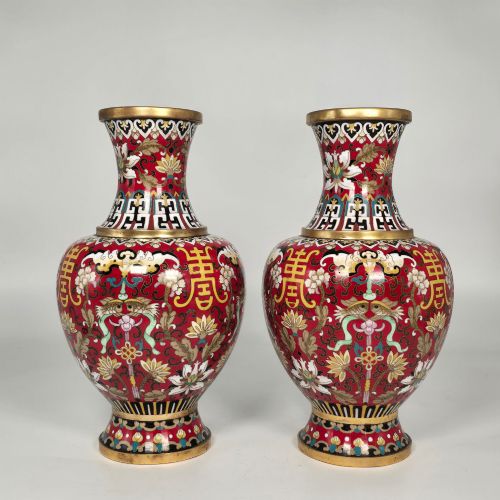
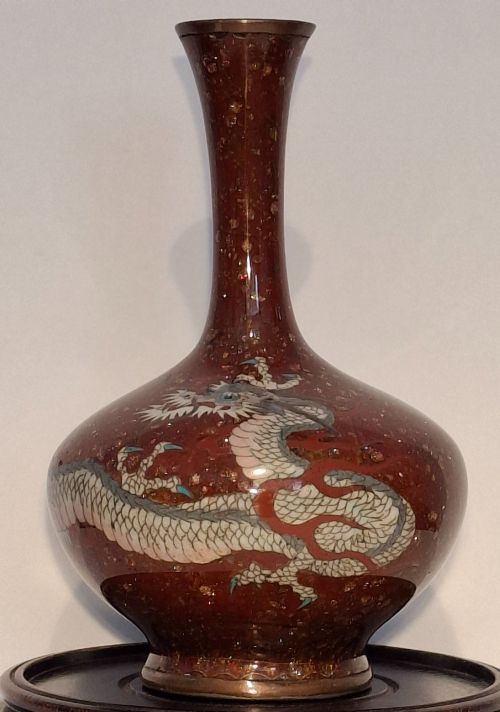
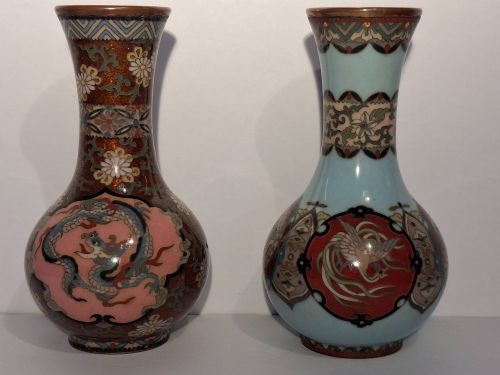
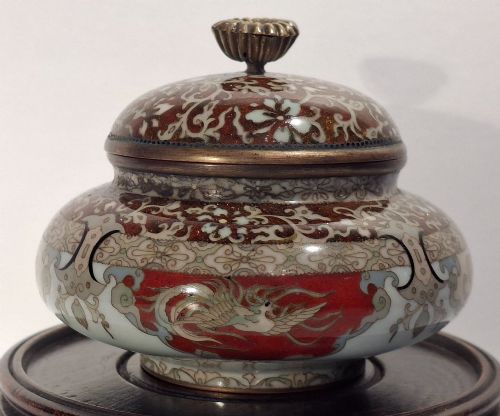
When people search for antique metalwork, they encounter a broad category spanning domestic utensils, temple offerings, and decorative sculptures from Europe and Asia. The pieces available include bronze censers, cloisonne enamel vases, brass gongs, and pewter candlesticks originating from periods such as the Victorian era, the Meiji period, and the Qing dynasty.
Materials and technique
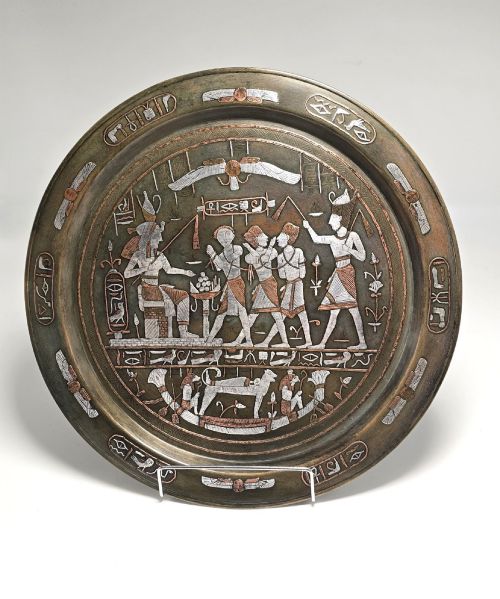
Makers utilised casting, hammering, and engraving techniques to shape base metals like bronze, brass, copper, and pewter into durable forms. Molten bronze was poured into moulds to create heavy tripod vessels and statues, while copper sheets received detailed surface patterns through repousse work and hand engraving.
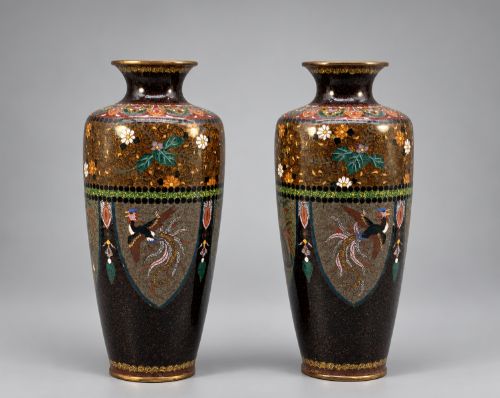
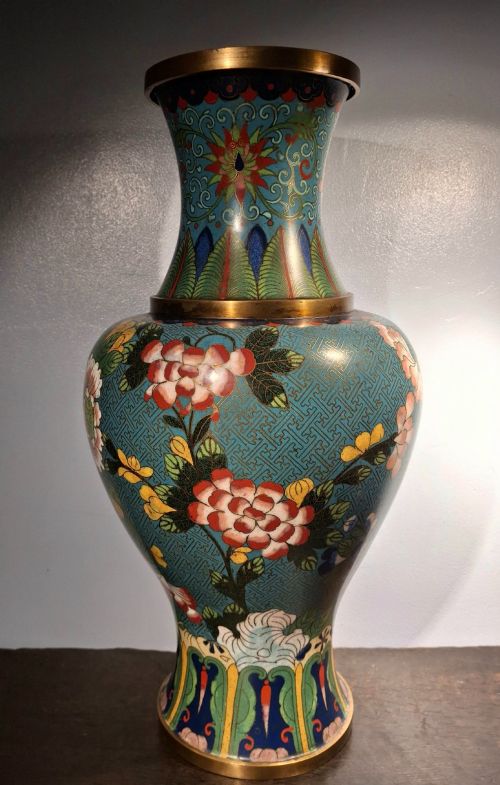
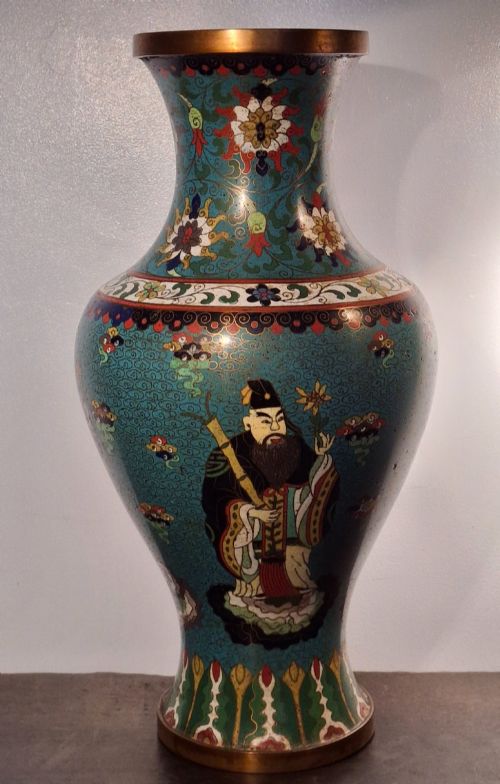
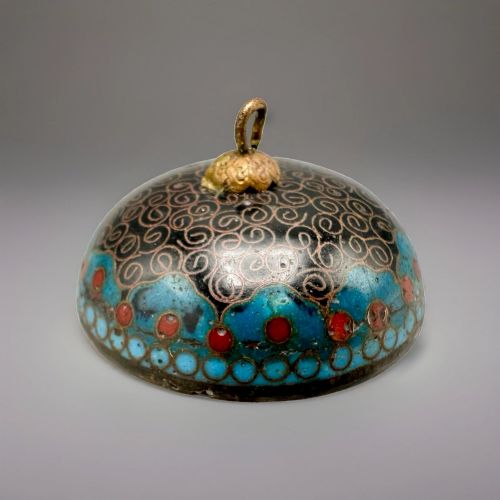
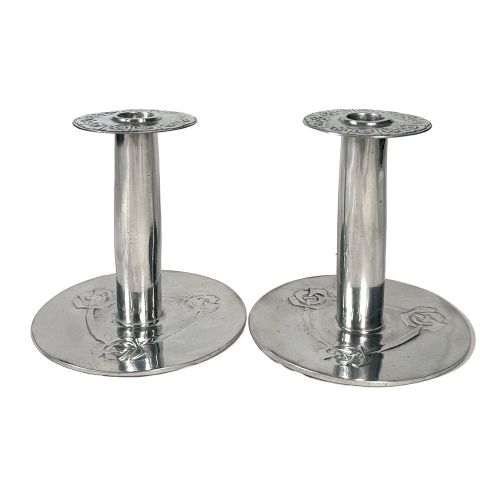
Enamelling techniques added colour to metal surfaces, notably through cloisonne and champleve methods where vitreous enamel paste fills wire compartments or carved channels before firing. Pewter work often involved casting alloys of tin with lead or copper, resulting in the distinctive soft grey finish seen in Arts and Crafts designs.
Materials represented across the catalogue include bronze, copper, brass, pewter, and cloisonne enamel.
Variations in quality
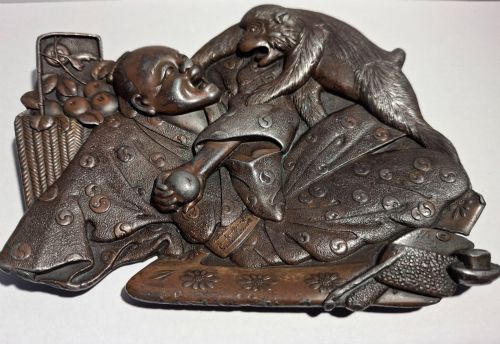
Quality in antique metalwork rests upon the precision of the casting, the clarity of the chasing, and the stability of applied decoration. Superior bronzes display sharp definition in intricate details like feathers, scales, and facial expressions without blurring from worn moulds.
In enamelled pieces, the uniformity of the wirework and the smoothness of the polished surface indicate higher craftsmanship. Older items that retain their original patination and show deliberate weight distribution command greater interest from collectors.
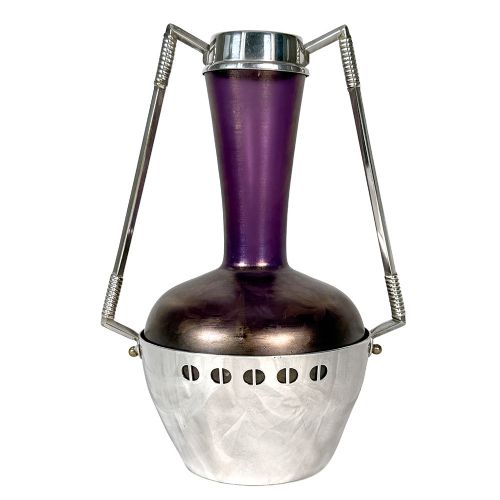
Tsukamoto Hikokichi·Archibald Knox for Liberty and Co
The Antique Metalwork Glossary
- Cloisonne
- A decorative metalwork technique where flat metal wires are soldered to a base to form compartments filled with enamel paste. These cells are then fired and polished flat.
- Censer
- A vessel designed for burning incense during religious or domestic rituals. They often feature tripod feet and pierced lids for smoke to escape.
- Patina
- The surface sheen and colour acquired by metal through age, handling, and oxidation. This natural layer develops slowly over decades.
- Repousse
- A metalworking method where a design is hammered into relief from the reverse side of a sheet of metal. It creates raised patterns on copper, silver, or brass chargers and vessels.
- Okimono
- A Japanese freestanding decorative sculpture designed for display on a shelf or in a tokonoma alcove. They are frequently cast in patinated bronze depicting animals or figures.
Antique Metalwork: Frequently Asked Questions
What is a Chinese tripod censer?
A tripod censer is a three-legged bowl traditionally used for burning incense in temples or scholar's rooms. Many examples date from the Qing dynasty and feature handles shaped like animal masks.
The three legs provide stability on uneven surfaces while elevating the vessel to protect the table beneath. Pierced lids allow fragrance to drift out steadily.
How can I date Japanese cloisonne?
Japanese cloisonne from the Meiji period often exhibits exceptionally fine wirework and deep, translucent enamel colours. Later Taisho pieces, such as ginbari work, incorporated textured foil beneath transparent enamels.
Examine the base and rim for mounting materials and manufacturing marks. Stylistic shifts from dense floral panels to minimalist designs help narrow down the production era.
Where should I display heavy bronze?
Heavy bronze sculptures and vessels require sturdy furniture capable of supporting considerable weight safely. Position them away from direct sunlight or damp areas that might encourage corrosion.
Allow enough surrounding space for the form to be appreciated from multiple angles. Stability is key when placing large metal objects in active rooms.