


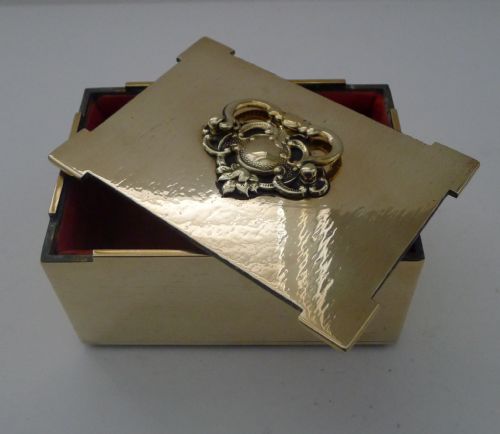


Antique Metal Vanity Box
An antique metal vanity box offers a tactile glimpse into personal grooming habits of past centuries, prized for decorative metalwork and portable luxury.
Antique Metal Vanity Box
An antique metal vanity box spans a variety of intimate containers designed for grooming items, trinkets, and cosmetics. The selection on this page includes trinket boxes, powder compacts, jewellery boxes, and cigarette cases originating from different eras.
Buyers encounter items ranging from Victorian cast brass caskets to Art Deco ladies' compacts and French Belle Epoque gilded copper pieces. These objects served functional roles on dressing tables or travelled inside handbags during the nineteenth and twentieth centuries.
Origins stretch across European workshops and international makers, encompassing styles such as Art Nouveau, French Rococo Revival, and Anglo-Indian design. Each piece reflects the personal accessories utilised by past owners for daily refinement.
How they were made
Construction relies heavily on metals such as brass, silver, and gilt metal, often combined with cut glass, enamel, and velvet linings. Artisans shaped these materials using casting, electro-forming, and detailed surface ornamentation.
Decorative techniques incorporate intricate chasing, gilding, and inset enamel panels to enhance the visual appeal of each container. Structural integrity is maintained through hinged lids, fitted interior compartments, and secure clasps suited for daily handling.
Antique Metal Vanity Box Retail Price Guide 2026
Typical asking prices for metal vanity box among the pieces listed under this phrase on Sellingantiques today, from the lower quarter to the upper quarter. They describe what is for sale here now, not the wider market.
The listings span from the late nineteenth century through the mid-twentieth century, featuring materials like silver, brass, enamel, and velvet.
What varies in quality
Quality differentiates through the precision of the metalwork, the depth of relief in cast ornamentation, and the preservation of original interior linings like velvet or silk. Superior examples display crisp detailing in motifs and smooth mechanical action in hinges and clasps.
The choice of materials also influences distinction, where solid silver, fine enamel work, or integrated cut glass elevate an object above standard brass production. Maker attribution and stylistic purity further define the standing of individual pieces.
W.M.F.·Cartier·Richard Hudnut·JH Browne
The Antique Metal Vanity Box Glossary
- Electro-form
- A manufacturing method where metal is deposited onto a mould using an electrical bath, producing detailed hollow vessels. This technique gained popularity in the late nineteenth century for lightweight decorative caskets.
- Gilt metal
- Base metal treated with a thin layer of gold applied by fire gilding or chemical processes. It provides the visual warmth of solid gold at a different weight and cost.
- Powder compact
- A small handheld case equipped with a mirror and a compartment for face powder. These accessories became prominent during the Art Deco period with decorative metal and enamel covers.
- Trinket box
- A small receptacle intended for storing rings, brooches, and other small personal items. They appear in various materials including brass, silver, and wood with metal mounts.
- Chasing
- A metalsmithing technique where designs are hammered into the front surface of metal rather than cut away. This raises the pattern in low relief to create decorative panels.
Antique Metal Vanity Box: Frequently Asked Questions
What fits inside an antique metal vanity box?
These containers traditionally held loose cosmetics, hairpins, jewellery, and small grooming accessories. Their interiors often feature dedicated spaces for specific personal items.
Today, owners utilise them on dressing tables for modern jewellery or small keepsakes while preserving their historical character.
How do I identify the period of a metal vanity box?
Dating relies on stylistic clues such as geometric Art Deco lines, ornate Victorian cast brass motifs, or French Rococo Revival curves. Materials and construction methods like electro-forming also point to specific decades.
Maker marks or stamps provide further evidence to narrow down the decade of production.
Were these boxes meant for travel?
Certain forms like powder compacts, cigarette cases, and vanity cases were engineered for daily portability in pockets or evening bags. Heavier caskets and desk sets remained stationary on dressing tables.
The inclusion of secure clasps and fitted lids indicates which items accompanied the owner away from home.
How should I care for antique metal boxes?
Preservation involves keeping the metal clean with appropriate dry cloths and avoiding harsh chemical polishes that strip original patination or gilding. Velvet and glass interiors require gentle dusting to prevent fabric degradation.
Displaying them away from direct sunlight protects sensitive enamel and fabric linings from fading.