



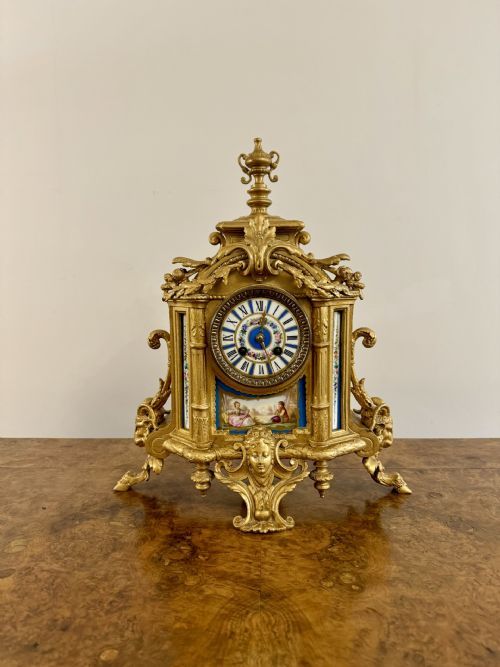


Antique Metal Shelf
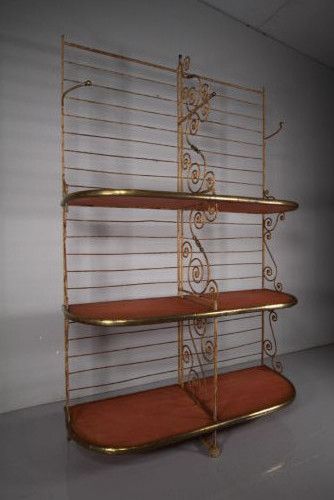
When you search for an antique metal shelf, you find robust iron bakers racks, brass luggage racks, and cast iron brackets that bring sturdy utility to modern rooms.
Antique Metal Shelf
An antique metal shelf typically takes the form of a bakers rack, a wall-mounted hat and coat rack with an integrated shelf, or heavy structural brackets paired with slate or wood. These pieces span the nineteenth century through the art deco period of the 1930s.
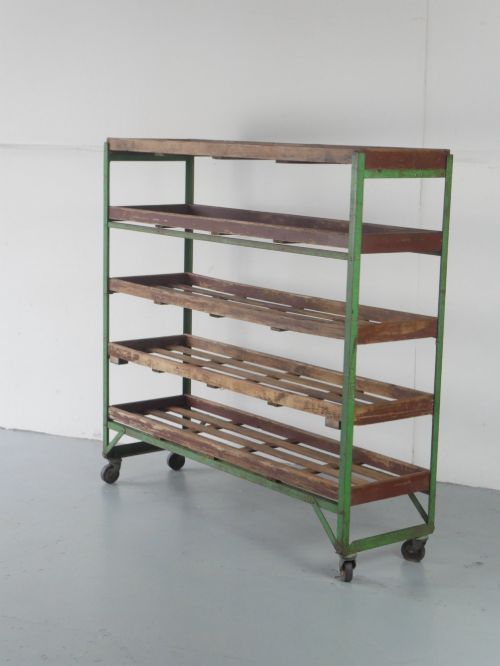
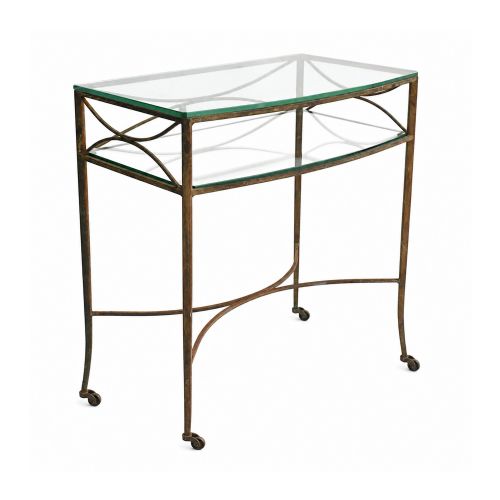
Industrial forms sit alongside ornate French boulangerie racks and Edwardian brass luggage units originally built for railway carriages. The selection also includes corner plant stands and console tables constructed from iron or gilt metal.
Victorian wrought iron examples display scroll-work and painted finishes, while later twentieth-century pieces adopt cleaner lines in chromium and cast iron. Buyers encounter both utilitarian shop fittings and decorative domestic furnishings.
Materials and Construction
Wrought iron forms the framework for heavy bakers racks and shelf brackets, shaped by hand with rivets and scroll-work. Cast iron provides rigidity for console tables, plant stands, and structural brackets.
Brass and gilt metal appear in luggage racks and decorative fittings, sometimes combined with marble, slate, or glass surfaces. Enamel and painted finishes protect the ironwork on utilitarian pieces intended for daily commercial use.
Antique Metal Shelf Retail Price Guide 2026
Typical asking prices for metal shelf among the pieces listed under this phrase on Sellingantiques today, from the lower quarter to the upper quarter. They describe what is for sale here now, not the wider market.
Listings feature 19th-century French bakers racks alongside 1920s Art Deco iron hat and coat racks with integrated mirrors.
Factors of Quality
Weight and structural integrity distinguish heavier architectural pieces from lighter decorative items. Solid riveting and thick gauge iron indicate a commercial origin built for heavy daily use.
The finesse of the metalwork, whether hand-forged scroll-work or clean art deco chromium plating, dictates the refinement of the piece. Original patination and intact painted finishes hold more appeal than stripped or heavily restored surfaces.
Japy Fils·C Omin·Sega
The Antique Metal Shelf Glossary
- Bakers rack
- A tall metal shelving unit traditionally used in French bakeries for cooling bread. These units feature open slatted iron shelves and sturdy scroll-work frames.
- Luggage rack
- A wall-mounted rack combining horizontal bars for luggage with a top shelf and integrated coat hooks. Railway carriages and hotels originally utilised these brass or iron fixtures.
- Wrought iron
- Iron that is heated and hammered into shape by hand, resulting in a fibrous structure with high resistance to fatigue. Scroll-work and brackets often utilise this material.
- Ormolu
- Gilt bronze or gilt metal applied to decorative mounts and frames. This finish provides a bright golden appearance on nineteenth-century pieces.
- Spelter
- An alloy of zinc used as a less expensive alternative to bronze for decorative figures and bookends. Manufacturers patinated the metal to resemble bronze.
Antique Metal Shelf: Frequently Asked Questions
How do I mount an iron shelf?
Heavy cast iron brackets require secure fixing into solid masonry or direct wall studs to support the weight of stone or slate shelving.
Pre-drilled screw holes on antique brackets indicate their original structural load requirements.
Were bakers racks used outdoors?
Bakers racks originated inside commercial French bakeries for cooling freshly baked loaves of bread. Their open iron construction later made them popular for conservatories and plant displays.
Enamel and painted surfaces help protect the metal from moisture if placed outside.
How do I clean antique brass shelves?
Dust brass and gilt metal surfaces gently with a soft dry cloth to preserve the aged patina. Avoid harsh chemical polishes that strip the historic surface character.
Wax can protect iron frames from further oxidation in damp environments.
What is the difference between iron and brass racks?
Wrought iron and cast iron provide heavy structural support for utility items like bakers racks and wall brackets. Brass and gilt metal offer a lighter, more decorative finish suited for luggage racks and display units.
Victorian and Edwardian makers selected materials based on the intended commercial or domestic setting.