





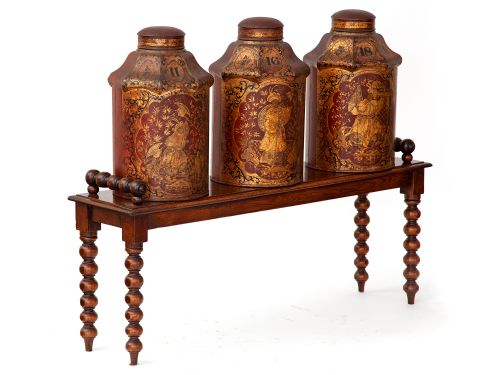
Antique Metal Canister
An antique metal canister brings functional utility and industrial charm into a modern interior.
Antique Metal Canister
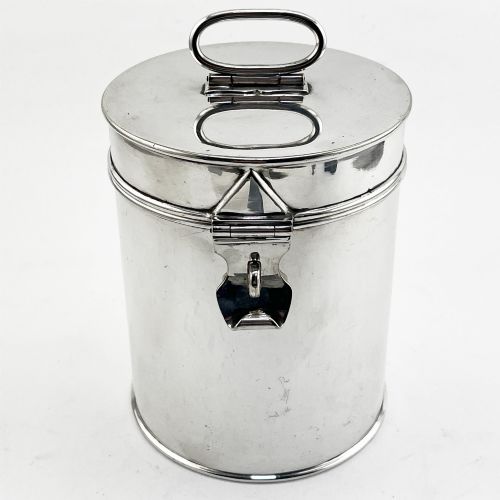
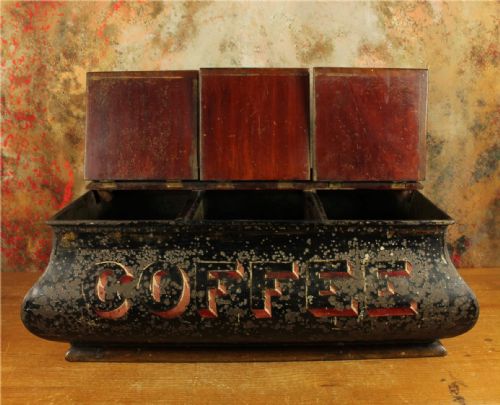
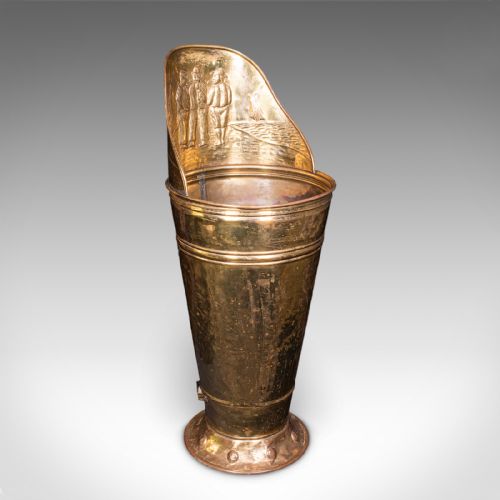
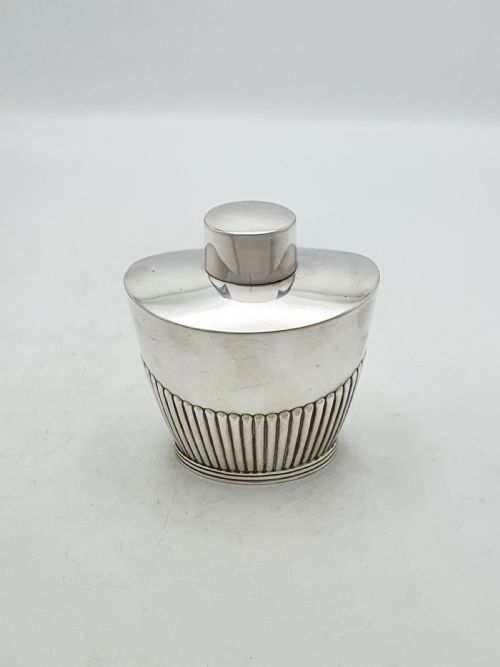
When you search for an antique metal canister, you encounter a diverse array of domestic and commercial vessels originating from the Georgian period through to the Edwardian era. These functional objects range from small desktop tea caddies and multi-compartment shop tins to large floor-standing stick stands and flour bins.
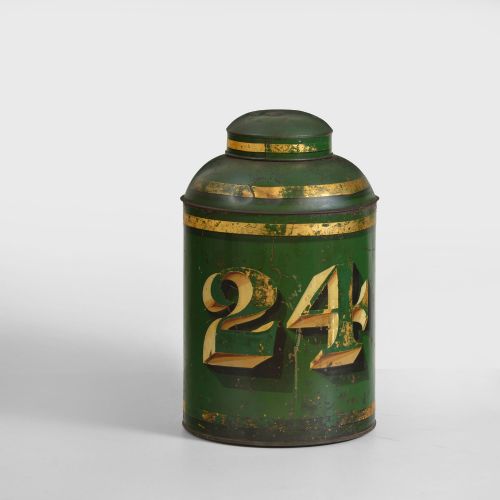
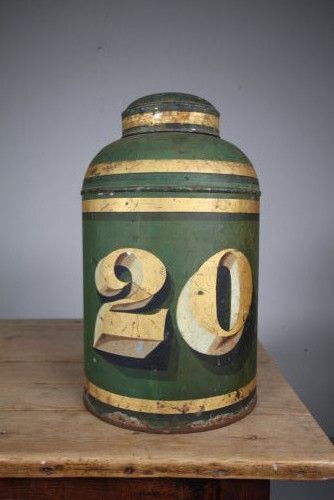
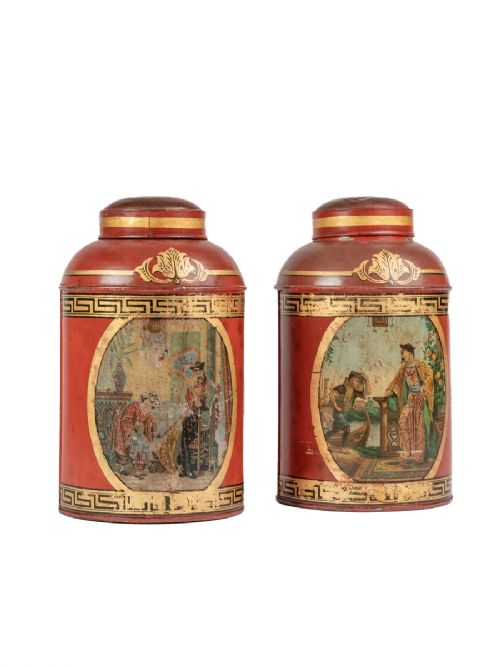
The version you are most likely to meet on this page is the painted toleware tea canister or tin from the nineteenth century, often decorated with period motifs or Chinese-inspired designs. Such pieces reflect the historical storage needs of domestic kitchens and specialist grocers, surviving today as decorative storage or converted table lamps.
Materials and construction methods
Makers utilised durable base metals including tinplate, iron, brass, and copper, shaping them into cylindrical and rectangular forms suited to dry goods, liquids, or umbrellas. Surfaces were frequently painted, lacquered, or finished with toleware techniques, while higher-end items employed silver plating or Old Sheffield Plate over the base metal.
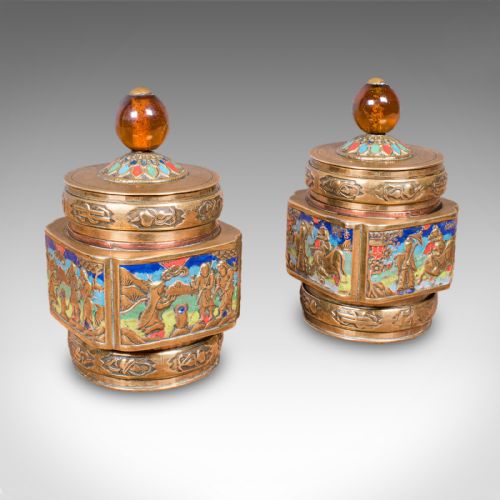
Construction details vary from folded and soldered tin seams to heavy iron banding on large storage containers and stick stands. Decorative treatments encompass hand-painted floral scenes, Chinoiserie motifs, and enamel finishes applied to French and English utility wares.
Antique Metal Canister Retail Price Guide 2026
Typical asking prices for metal canister among the pieces listed under this phrase on Sellingantiques today, from the lower quarter to the upper quarter. They describe what is for sale here now, not the wider market.
Listings feature items spanning the Georgian, Regency, Victorian, and Edwardian periods, constructed from brass, copper, iron, toleware, and silver plate.
Assessing quality and craftsmanship
The distinction between standard utility vessels and finer pieces lies in the sophistication of surface decoration, such as hand-painted details or Chinoiserie ornamentation rather than simple plain paint. Makers working with silver plate or heavy copper demonstrate superior metalworking skill in their hinges, lids, and structural framing.
Completeness and originality dictate the standing of a piece within its category, particularly when original matching sets or intact lids survive intact. The integration of maker signatures, retailer stamps, or documented provincial origins further elevates the standing of individual containers.
Mappin & Webb·Thomas Bradbury·Huntley & Palmers·Harrods
The Antique Metal Canister Glossary
- Tea Caddy
- A small box, jar, or canister designed specifically for storing dry tea leaves. During the eighteenth and nineteenth centuries, these vessels often included internal locking lids to protect expensive tea.
- Old Sheffield Plate
- An early fused composite material made by heating a thin sheet of silver to a thicker copper base. This technique predated modern electroplating and leaves a distinctive edge.
- Stick Stand
- A tall floor-standing vessel or frame used for holding umbrellas and walking sticks. Examples in this category utilise heavy brass, copper, or iron-bound timber construction.
- Chinoiserie
- European artistic style reflecting Chinese motifs and decorative techniques. It appears frequently on nineteenth-century painted tea canisters and storage boxes.
Antique Metal Canister: Frequently Asked Questions
What were antique metal canisters used for?
These metal vessels served practical storage roles in domestic kitchens, specialist grocers, and tobacconist shops. They kept dry goods like tea, coffee, and tobacco fresh, or functioned as heavy umbrella stands in hallways.
Over time, many of these durable containers transitioned from utilitarian storage to decorative display pieces in country houses and town interiors.
How do I distinguish 19th-century pieces from later ones?
Nineteenth-century examples often display hand-painted decoration, soldered seams, and heavy base metals like copper and iron. Georgian and Victorian pieces carry distinct material weights and construction methods that differ from twentieth-century mass production.
Examining the type of hinges, interior linings, and wear patterns provides further clues regarding the actual period of manufacture.
Can I use these canisters for food storage today?
While historic metal canisters were designed for dry goods like tea and flour, original painted or soldered interiors may not meet modern food safety standards. Many collectors prefer to utilise them for dry decorative arrangements or general desk organisation.
Gentle cleaning with appropriate dry methods helps preserve surviving historical finishes without damaging the underlying metal or paint.
How do I care for painted toleware?
Painted toleware requires careful maintenance to protect delicate surface decorations and historical lacquer layers. Dusting with a dry, soft cloth prevents the accumulation of dirt without risking moisture damage to the paint.
Keep these pieces away from direct sunlight and high humidity environments to prevent paint flaking and metal oxidation.