


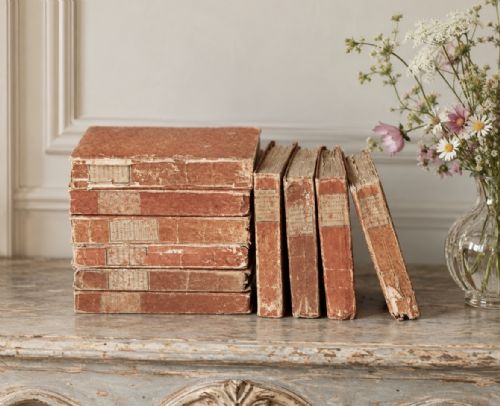
Antique Literature
These examples of antique literature offer tangible connections to past centuries, bringing historical texts and decorative bindings directly into your home.
Antique Literature
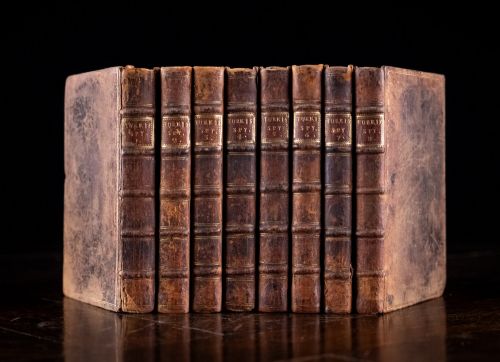
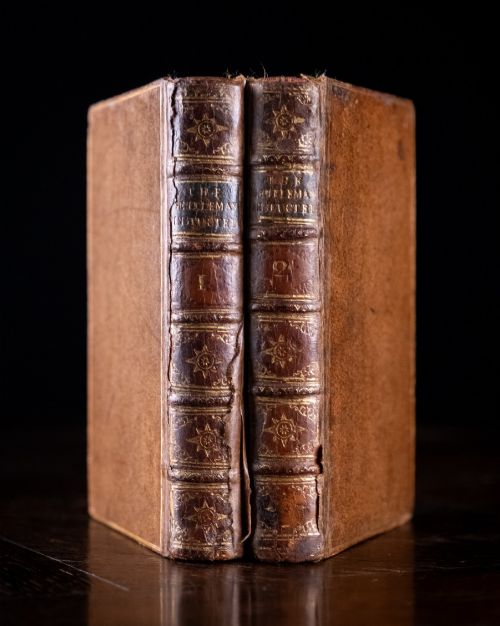
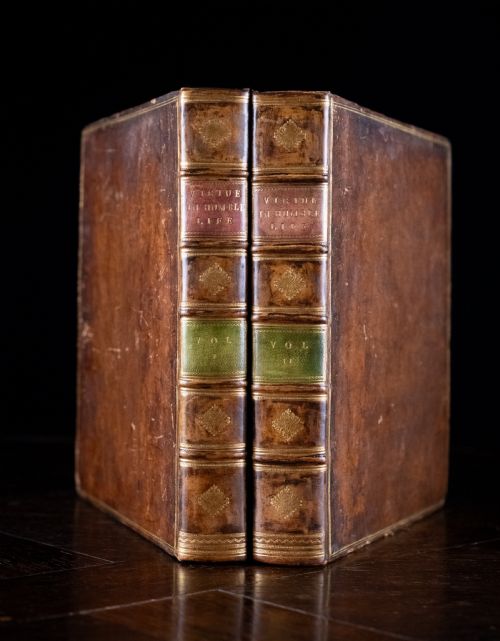
When you search for antique literature, you encounter physical volumes ranging from single historical works to multi-volume sets spanning the seventeenth, eighteenth, nineteenth, and early twentieth centuries. These pieces cover philosophy, plays, novels, and historical texts, often produced in England or France.
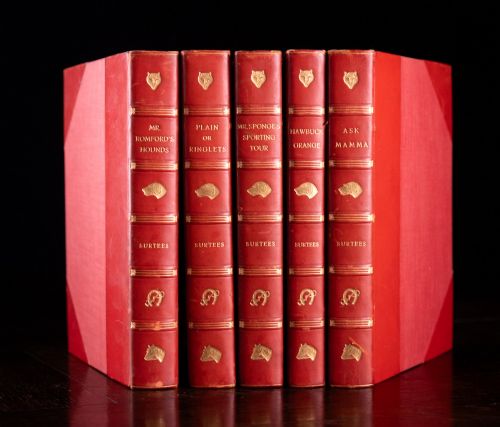
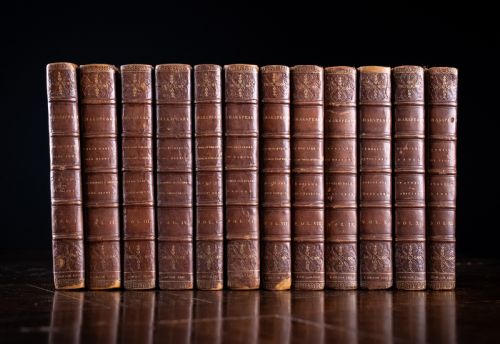
The selections frequently appear as matched sets of novels or poetry, alongside occasional decorative tins, ceramic figures, and clock garnitures that reference literary themes. Multi-volume editions by authors such as Sir Walter Scott or William Shakespeare form a substantial portion of what is available.
Origins vary from domestic Victorian and Georgian publications to continental European editions in French and German. Buyers find everything from single rebound volumes to extensive runs of furnishing books chosen for shelf display.
Materials and construction
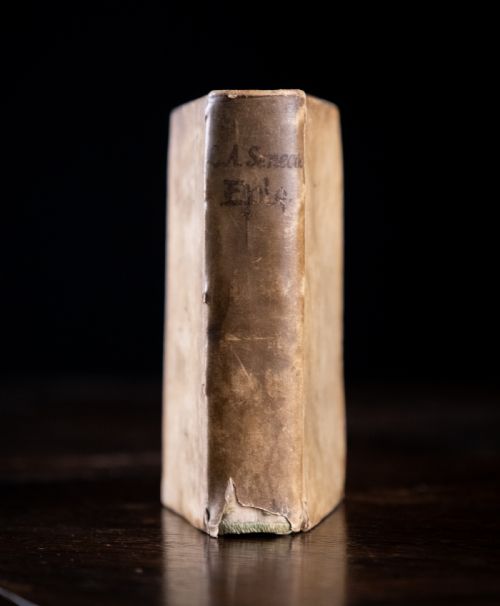
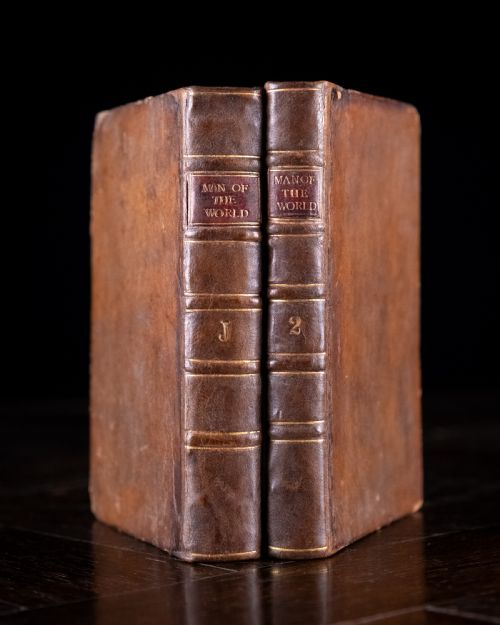
Binders utilised traditional materials such as calfskin leather, vellum, and cloth over sturdy boards to protect the text blocks inside. Gold leaf tooling frequently highlights the spines and covers, adding distinct decorative detail to the exterior surfaces.
Paper pages consist of early rag or wood-pulp stock, while some volumes incorporate engraved illustrations printed alongside the text. Decorative tins and clock garnitures employ metal and marble to create sculptural objects tied to literary subjects.
Biscuit manufacturing met literature when Huntley and Palmers produced a tin shaped precisely like a stack of books.
Assessing quality in bindings and sets
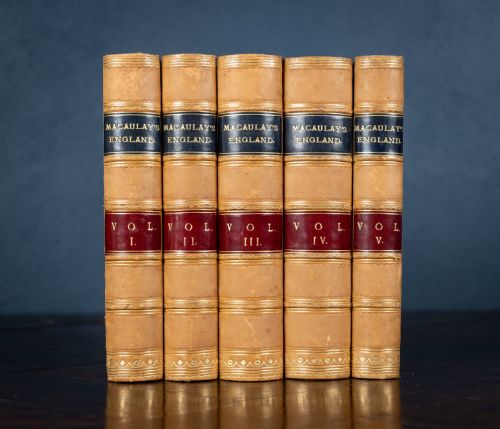
Quality separates standard reading copies from superior examples based on the uniformity and integrity of the binding. Uniformly bound sets with intact leather or vellum display greater visual harmony on a shelf than mixed or mismatched editions.
The craftsmanship of the tooling and the condition of the paper block dictate the grade of a volume. Finely preserved gold leaf, solid joints, and clean, legible pages distinguish the better productions from heavily worn items.
Huntley And Palmers
The Antique Literature Glossary
- Vellum
- A fine parchment made from calfskin, frequently utilised for durable and prestigious book bindings.
- Calfskin leather
- A soft, supple leather derived from the skin of a calf, commonly used for binding historical books.
- Gold leaf
- Gold beaten into an extremely thin sheet, applied to spines and covers for decorative lettering and ornamentation.
- Clock garniture
- A set comprising a mantel clock flanked by matching decorative objects, sometimes themed around literature.
- Marbled paper
- Paper decorated with a colourful patterned swirl resembling marble, often used for endpapers inside books.
Antique Literature: Frequently Asked Questions
What periods do these books cover?
The listings encompass works originating from the seventeenth century through to the mid-twentieth century.
Victorian, Georgian, and Edwardian eras are well represented alongside continental European publications.
How should I care for leather bindings?
Leather-bound volumes require stable humidity and protection from direct sunlight to prevent the material from drying out.
Handling them with clean hands helps preserve the natural oils and the delicate gold leaf tooling on the spines.
Are multi-volume sets complete?
Many listings comprise matched multi-volume sets, such as runs of novels or collected plays by notable authors.
Descriptions detail the exact number of volumes included in each specific set for buyer verification.
What languages do the foreign books feature?
Continental European editions primarily feature French and German text across various literary genres.
These foreign works range from nineteenth-century novels to classical plays bound in vellum or leather.