



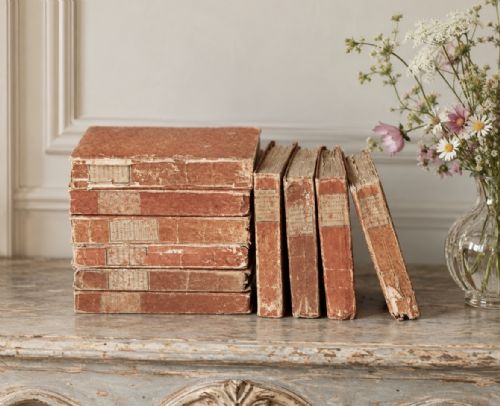

Antique Literature Book
An antique literature book brings centuries of binding craft and historical prose directly into your library.
Antique Literature Book
An antique literature book encompasses volumes spanning from the seventeenth century through to the Edwardian era, taking the form of single volumes, multi-volume sets, and complete collected works. When searching for an antique literature book, buyers encounter everything from seventeenth-century philosophy and eighteenth-century epistolary works to Victorian novels and nineteenth-century French texts.
The volumes on offer range from individual historical texts to expansive multi-volume sets of Waverley novels, Shakespeare plays, and poetry. Many examples arrive as decorative book sets, matching furnishing books, or specific editions bound in leather and vellum.
Origin points span domestic British publications as well as continental European printings, particularly nineteenth-century French and German editions. Buyers regularly meet works by notable authors such as Shakespeare, Sir Walter Scott, and Cervantes, alongside lesser-known instructional guides and religious tracts.
How they were made
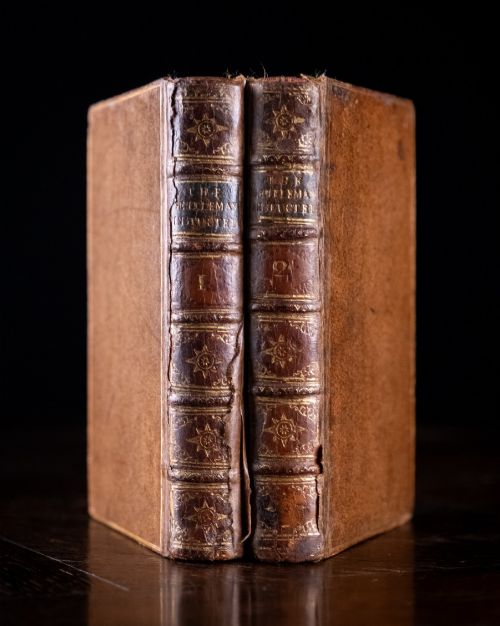
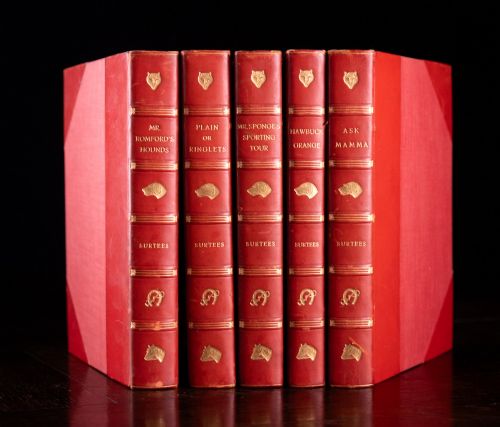
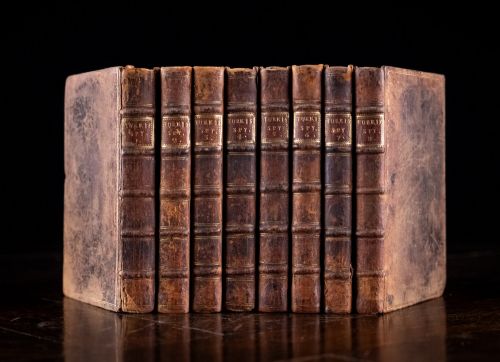
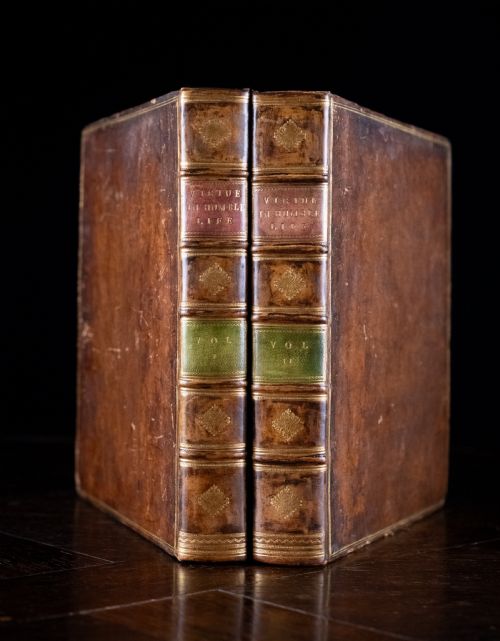
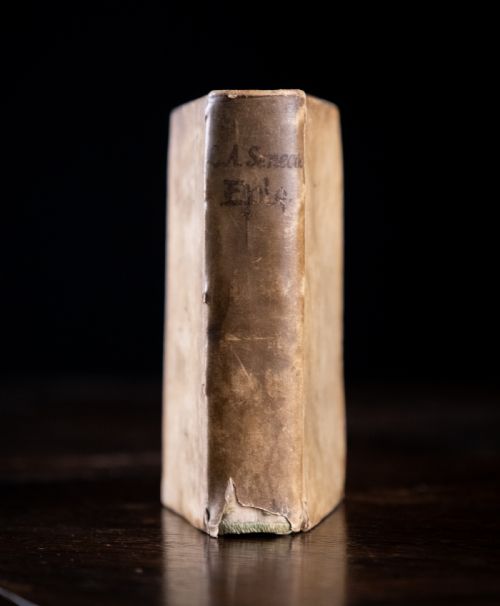
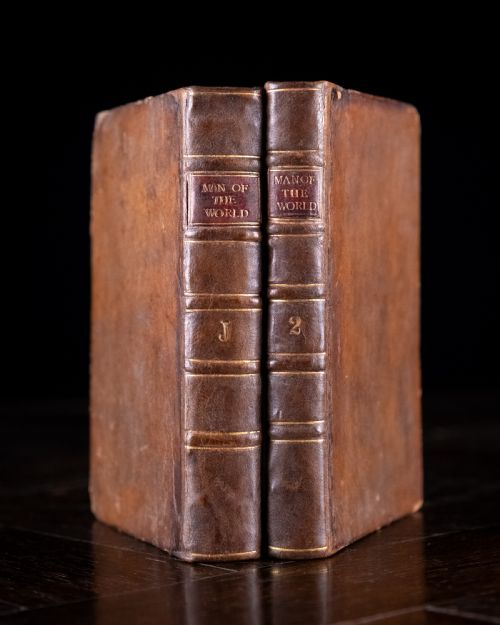
Binders utilised robust materials including calfskin leather, vellum, and cloth over sturdy paper board cores to construct these volumes. Many bindings incorporated gold leaf tooling along the spines and covers to highlight lettering and decorative motifs.
Text blocks were printed on heavy rag paper and sewn together by hand before being secured into their protective covers. Marbled paper often lined the interior boards and endpapers, adding an extra layer of visual texture to the interior.
Some editions underwent later rebinding while retaining their historic character, particularly large illustrated volumes featuring plates printed from engraved or woodcut illustrations.
Listings feature periods spanning from the seventeenth century through to the Edwardian era, alongside materials such as vellum, calfskin, and gold leaf.
What varies in quality
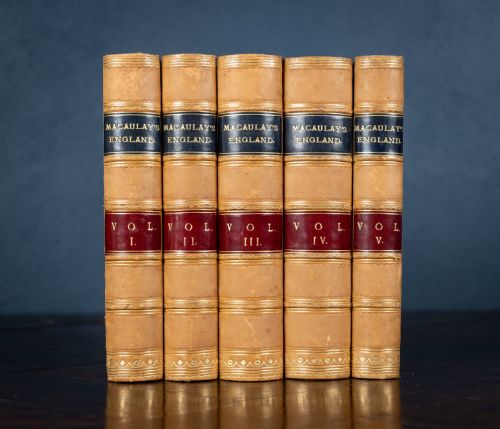
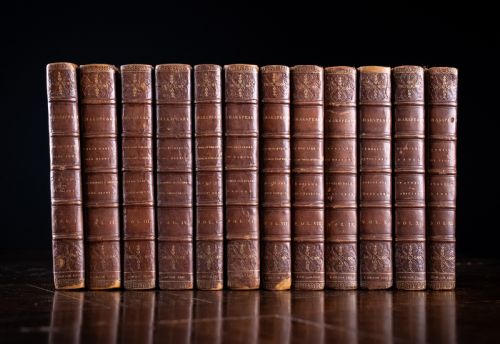
The standard of materials significantly dictates the hierarchy of these volumes, distinguishing modest cloth bindings from luxurious full calfskin or gilt-tooled vellum covers. Superior sets exhibit uniform bindings across every volume, maintaining matching colour palettes and tooling details.
The integrity of the internal text block and the crispness of the printing plate impressions separate ordinary reading copies from higher grade examples. Complete multi-volume sets that retain all original pages and plates without missing instalments command greater interest from collectors.
Huntley And Palmers
The Antique Literature Book Glossary
- Calfskin
- A soft, smooth leather derived from the hide of a calf, commonly utilised for fine book bindings during the eighteenth and nineteenth centuries.
- Vellum
- A fine parchment prepared from the skin of a calf or other animal, prized for its durability and smooth, pale surface.
- Gilt
- A thin application of gold leaf used to decorate the edges of pages, covers, or spine lettering.
- Marbled paper
- Paper decorated with a colourful pattern resembling marble, traditionally used for endpapers inside the covers.
- Text block
- The assembled and bound pages of a book before the outer cover is attached.
Antique Literature Book: Frequently Asked Questions
What is an antique literature book?
An antique literature book is a historical publication typically dating from the seventeenth to the early twentieth century, encompassing poetry, novels, plays, and philosophy.
These volumes showcase traditional bookbinding crafts such as leather work, vellum wrapping, and gold leaf spine tooling.
How should I care for leather bound books?
Leather bound books require stable environmental conditions away from direct sunlight and excessive humidity to prevent the skin from drying out or developing mould.
Keeping volumes upright on shelves with adequate air circulation helps maintain the structural integrity of the paper and bindings.
How do I identify the publication period?
Publication dates are frequently found on the title page within the front matter, though seventeenth and eighteenth-century books often rely on roman numerals or printer colophons.
Binding styles, paper types, and typography also offer strong clues to a volume's actual era of production.
Are multi-volume sets complete?
Verifying completeness involves checking the stated number of volumes on the title pages or frontispieces against the physical set present.
Collected works often list the full contents inside the initial volume to help owners confirm that no individual books are missing.