





Antique Limestone Carving
An antique limestone carving brings ancient architectural weight and tactile geological presence directly into modern interiors and gardens.
Antique Limestone Carving
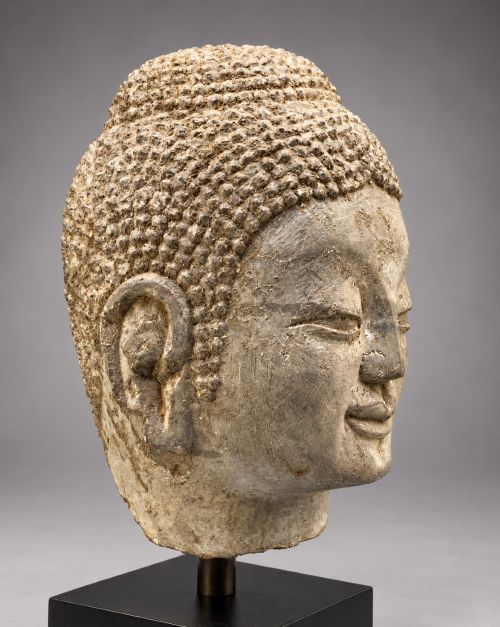
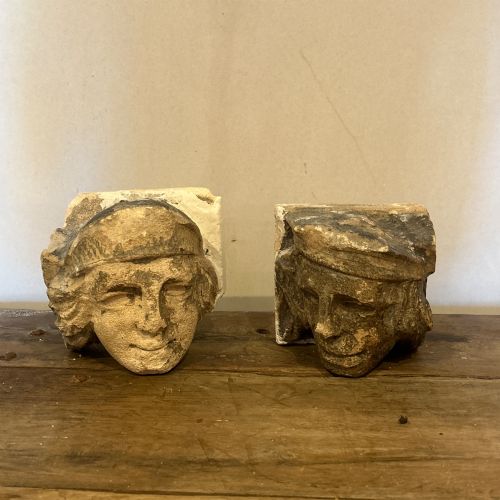
When you search for an antique limestone carving, you encounter a remarkably diverse array of architectural salvage, garden ornaments, and ecclesiastical fragments shaped by centuries of use and weathering. The selections span from pre-sixteenth century medieval corbels and Chinese Buddhist sculptures to Georgian garden urns and nineteenth-century Corinthian capitals.
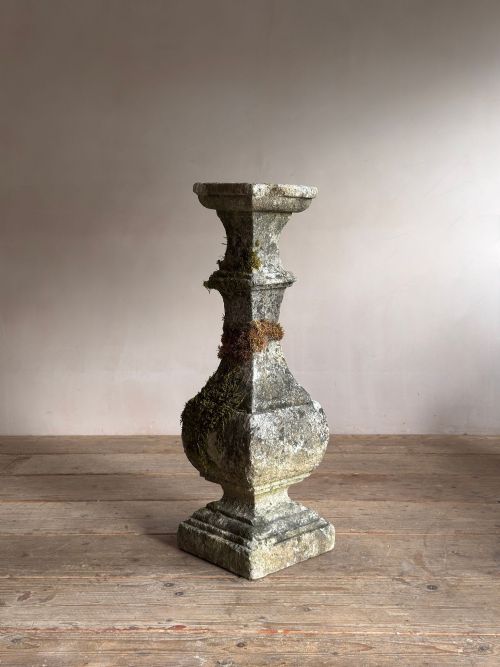
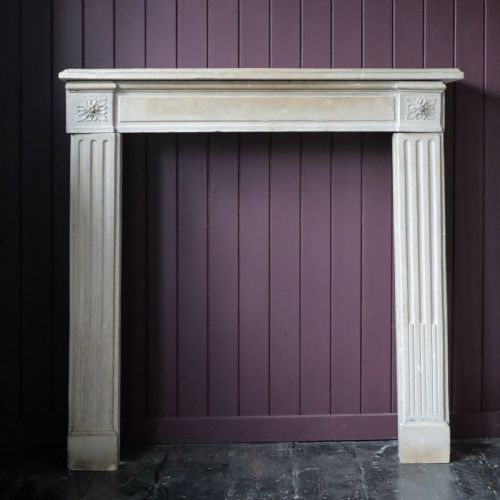
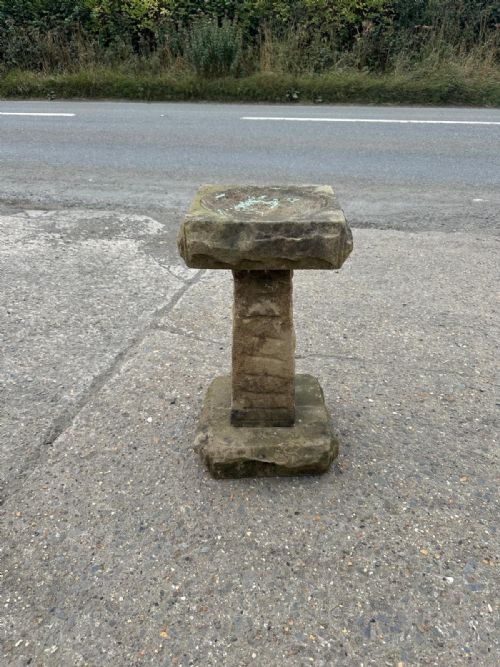
The versions you are most likely to meet on this page include eighteenth-century stone fire surrounds, garden pedestals, bird baths fashioned from Purbeck stone, and architectural pinnacles. These objects cross multiple stylistic boundaries, incorporating Gothic revival, Chinese Ming and Tang dynasties, and classical Georgian forms.
Many of these pieces originate from significant structures, ranging from English minsters to domestic gardens and historical estates. Their forms vary from functional items like mortars and mill stone bases to purely decorative sculptures, baskets, and tazzas.
What varies in quality
The distinction between ordinary masonry and superior artistic merit rests upon the depth of the relief carving, the anatomical or structural proportion, and the integrity of the surviving stone surface. Pieces originating from notable architectural contexts, such as ecclesiastical buildings or documented excavations, display a higher level of sculptural ambition and historical resonance.
Weathering and surface patina also play a critical role in distinguishing the visual appeal of an antique limestone carving, where organic accumulation like moss enhances the form rather than obscuring structural damage. The purity of the geological material and the sophistication of the original design separate standard architectural fragments from exceptional works of sculpture.
Antique Limestone Carving Retail Price Guide 2026
Typical asking prices for limestone carving among the pieces listed under this phrase on Sellingantiques today, from the lower quarter to the upper quarter. They describe what is for sale here now, not the wider market.
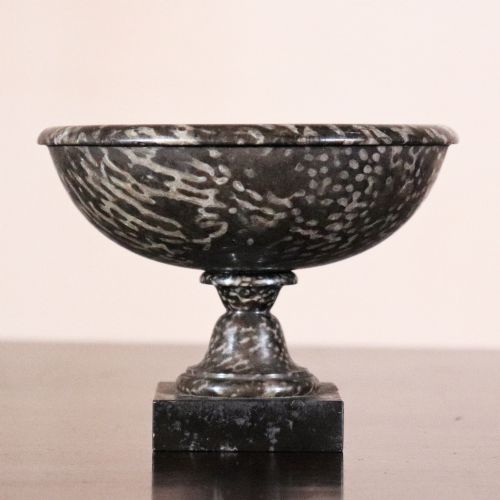
Current listings feature limestone alongside sandstone, wood, Ashford coral marble, moss, and polychrome surfaces across multiple centuries.
The Antique Limestone Carving Glossary
- Corbel
- A structural piece of stone projecting from a wall to support a weight within architecture. Medieval examples often feature carved figurative or grotesque faces.
- Capital
- The uppermost member of a column, serving as a decorative transition between the vertical shaft and the load-bearing horizontal element above. Classical orders like Corinthian incorporate stylized acanthus leaves.
- Ashford Coral Marble
- A fossiliferous limestone composed largely of coral fragments, polished to reveal intricate organic patterns. It originates from Derbyshire and appears in decorative table vessels.
- Pinnacle
- An architectural ornament generally of Gothic construction, tapering to a point on top of a buttress or parapet. Yorkshire limestone versions display sharp vertical geometry.
- Sundial
- A device that tells the time of day by the apparent position of the Sun in the sky, frequently mounted on carved stone pedestals during the eighteenth century.
Antique Limestone Carving: Frequently Asked Questions
Where should I place a stone carving?
Many of these pieces function naturally in outdoor garden settings, serving as bird baths, urns, or architectural pedestals that weather further over time. Interior placement suits fireplace surrounds, smaller tazzas, and sculptural fragments mounted securely against interior walls.
Exposing softer limestone to severe frost requires caution, though most historical stone tolerates outdoor placement well when elevated slightly from damp ground.
How do I clean an antique limestone carving?
Preserving the historical surface requires avoiding harsh chemical detergents and abrasive wire brushes that strip away centuries of accumulated patina and organic growth. Gentle washing with clean water and a soft-bristle brush removes harmful atmospheric dust without damaging the stone.
Allowing organic elements like moss to remain is often desirable because they emphasise the age and material character of the sculpture.
Can I date a piece of carved stone?
Dating relies primarily on stylistic clues, tool marks left by the stonemason, and the architectural typology of the object, such as Gothic pointed arches or Georgian classical proportions. Comparing the weathering patterns and the specific geological composition, such as Purbeck stone or Ashford coral marble, further narrows the chronological origin.
Historical provenance records, when available, offer the most definitive timeline for ecclesiastical and architectural salvage.
What is the difference between limestone and sandstone?
Limestone is a sedimentary rock composed chiefly of calcium carbonate, often containing fossils, which allows for fine, crisp sculptural detail. Sandstone consists of quartz grains cemented together, yielding a more granular texture and a different pattern of granular erosion.
Both materials respond uniquely to historical carving techniques and environmental exposure over centuries.