






Antique Leather Bound Set
An antique leather bound set delivers uniform rows of history, literature and philosophy that ground a room with period texture.
Antique Leather Bound Set
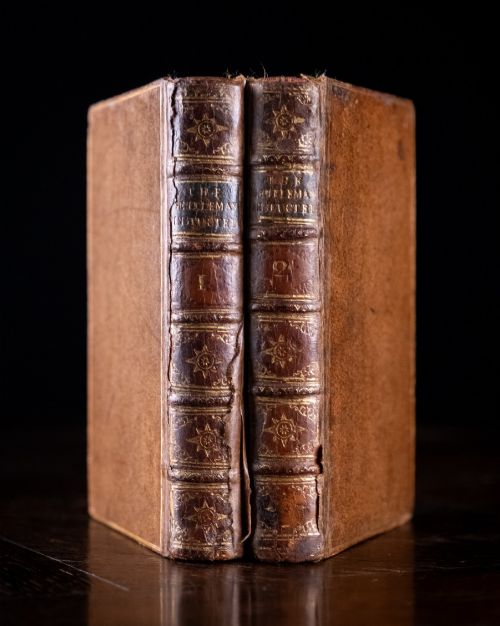
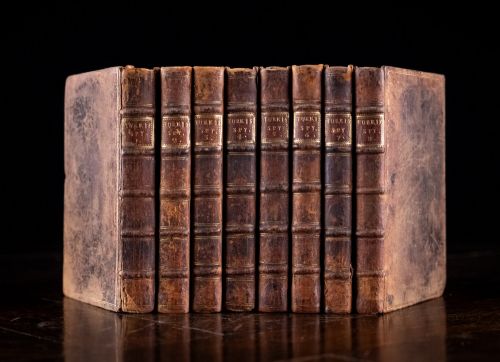
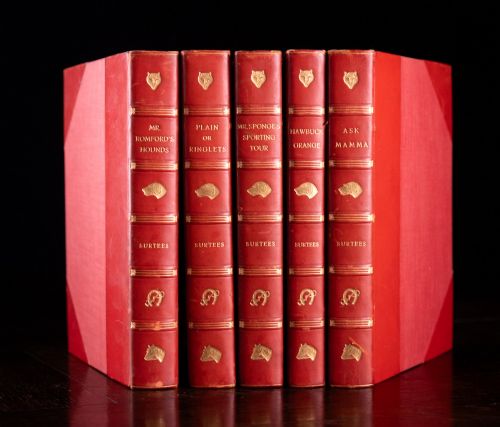
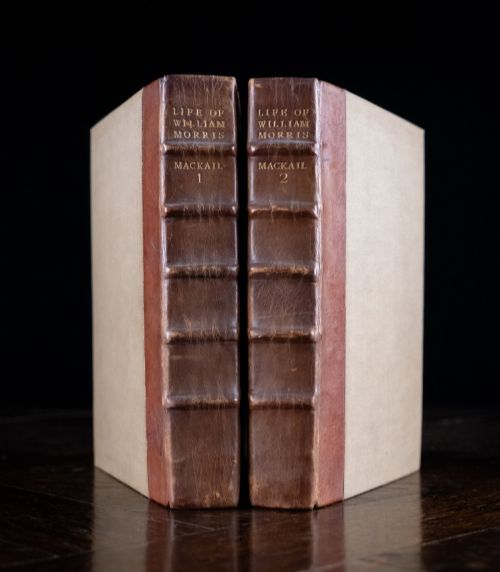
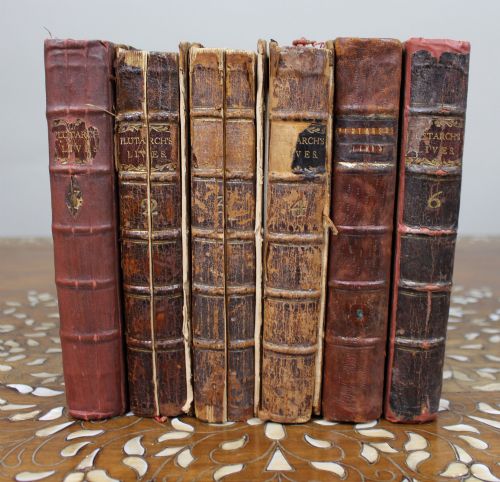
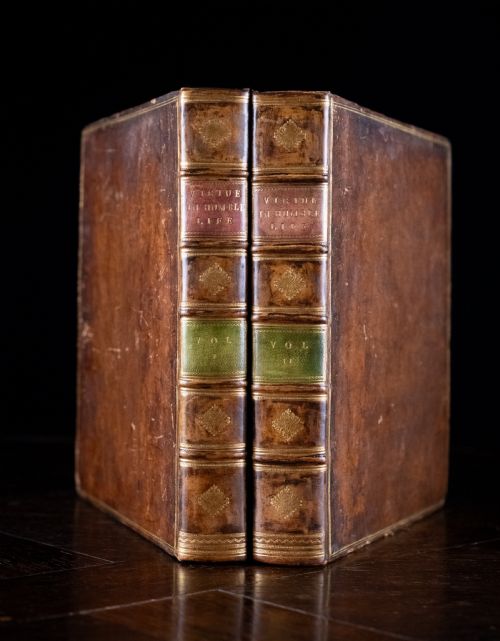
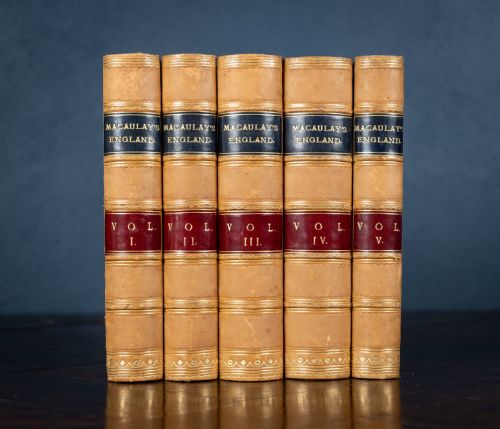
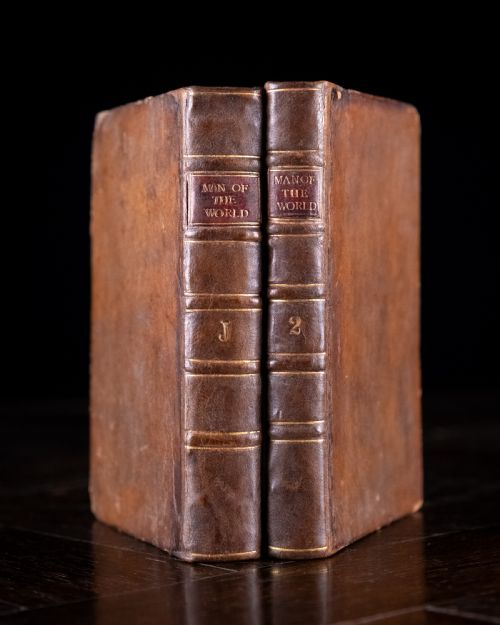
An antique leather bound set comprises multi-volume collections of literature, history, poetry or reference material housed in durable animal skin covers. When searching for an antique leather bound set, collectors encounter multi-volume works spanning centuries of publishing, from eighteenth-century philosophy and drama to nineteenth-century novels and sporting editions.
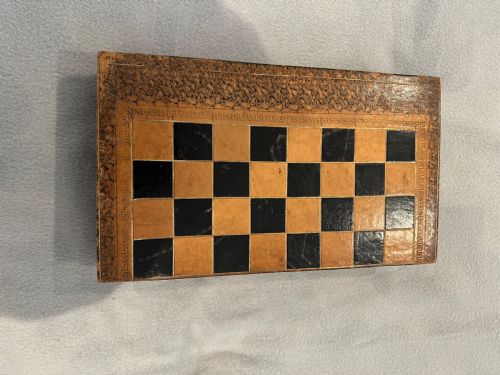
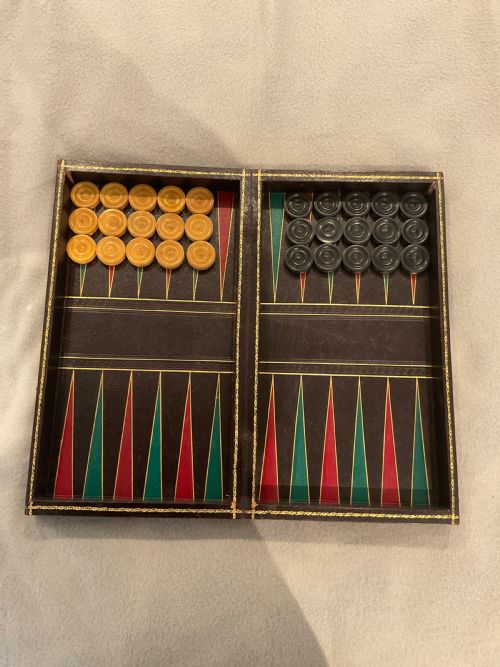
The materials span calfskin, vellum and standard leather bindings, frequently complemented by gold leaf tooling along the spines and boards. Beyond traditional multi-volume literary works, variations include leather-bound faux book games boards and fitted spirit decanter sets disguised as book volumes.
Origins trace principally to English, French and European presses, reflecting the grand libraries of the Georgian, Regency and Victorian eras. These sets range from modest two-volume biographical works to extensive multi-volume novel collections running to dozens of uniform volumes.
Materials and construction
Binders constructed these volumes using sturdy paper blocks sewn together onto cords or tapes before attaching them to heavy board covers. The outer covering relied upon calfskin, sheepskin or smooth vellum, stretched over the boards and turned in at the edges.
Spines featured raised bands created by the underlying cords, with hand-tooled gold leaf lettering and decorative motifs pressed into the leather between them. Marbled paper linings and endpapers frequently completed the interior presentation of the book blocks.
Antique Leather Bound Set Retail Price Guide 2026
Typical asking prices for leather bound set among the pieces listed under this phrase on Sellingantiques today, from the lower quarter to the upper quarter. They describe what is for sale here now, not the wider market.
Some volumes contain no stories at all, serving instead as clever leather disguises for hidden games boards and spirit decanters.
Quality variations
The distinction between standard reading sets and high-tier examples rests upon the uniformity of the binding and the prestige of the bindery. Volumes bound uniformly by known historic workshops display meticulous matching in grain, colour and spine tooling across every book in the series.
The presence of crisp gilt tooling, original marbled endpapers and well-preserved genuine calfskin or vellum elevates an edition above ordinary rebound utility copies. Completeness of multi-volume runs and the inclusion of original illustrations or first-edition texts further define the upper tier of these collections.
J and R Tonson·Henry Young and Son·J Weble London
The Antique Leather Bound Set Glossary
- Vellum
- A fine parchment material prepared from the skin of a calf or other animal, used smooth and untreated for durable book covers.
- Calfskin
- A soft yet durable leather derived from the hide of a calf, prized for its smooth texture in high-end bookbinding.
- Gilt
- A thin application of gold leaf applied to book spines and page edges for decorative lettering and ornamentation.
- Raised bands
- The prominent ridges across a book spine formed by the underlying cords used in traditional sewing and binding.
- Endpaper
- The folded sheet of paper pasted inside the front and back boards, often featuring marbled or patterned designs.
Antique Leather Bound Set: Frequently Asked Questions
How are multi-volume sets assembled?
Binders stitched individual paper sections together and secured them to internal cords before encasing the block in leather or vellum boards. Spines were reinforced and decorated with raised bands and gold leaf tooling to identify the author and volume number.
Many sets were bound to order for private libraries, resulting in uniform styling across numerous volumes. Others were published in series over several years, requiring careful matching of materials by the binder.
What subjects do these book sets cover?
The selections span classical literature, poetry, drama, history, natural science and sporting pursuits. Notable categories include complete Shakespearean plays, historic novels by authors like Sir Walter Scott, and comprehensive reference works.
Faux book formats also appear, concealing games boards or spirit decanters within leather-bound wooden blocks designed to resemble standard library volumes.
How should leather-bound books be displayed?
Display these volumes upright in stable environments away from direct sunlight and extreme humidity fluctuations to protect the organic materials. Leather requires consistent ambient conditions to prevent the skin from drying out or cracking over time.
Avoid overcrowding shelves so that individual volumes can be removed easily without pulling on the fragile leather headcaps at the top of the spine.
How do I identify the publication period?
Examine the title pages, introductory notices and publisher imprints contained within the opening sections of the primary volume. Typography, paper texture and binding styles also offer strong indicators of whether a set originates from the eighteenth or nineteenth century.
Some sets bear explicit publication dates within the print or feature contemporary binder stamps that help establish the exact era of production.