




Antique Kitchen Block
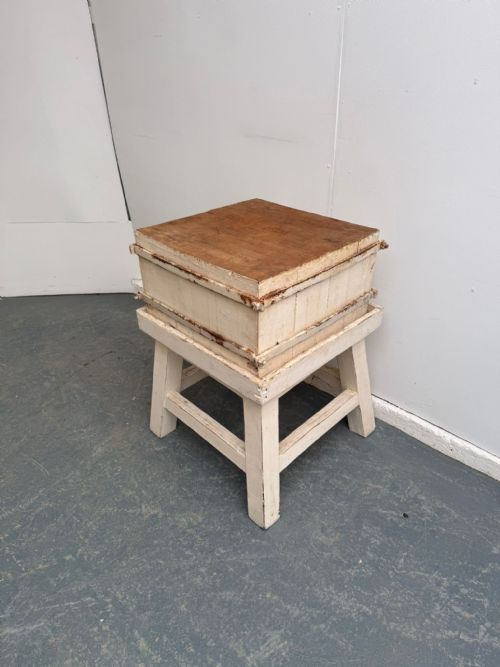
An antique kitchen block is a heavy-duty working surface designed for preparation, built from dense timbers like beech, oak, and elm to withstand daily chopping and butchery.
Antique Kitchen Block
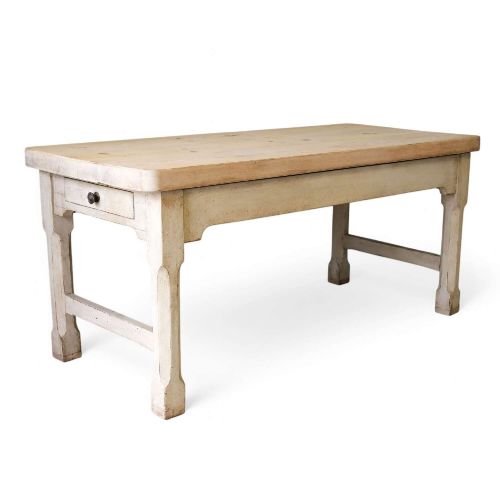
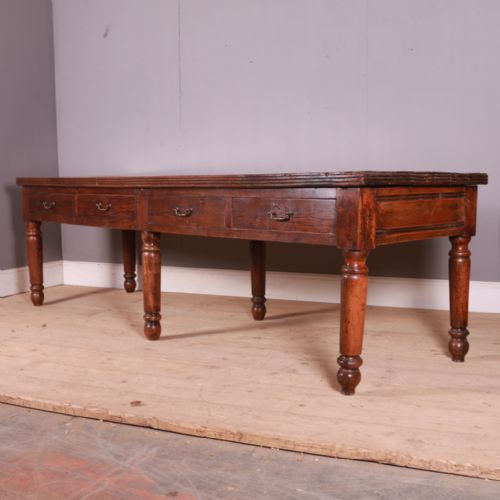
When you search for an antique kitchen block, you find robust prep tables, chopping blocks, and kitchen islands originating from the nineteenth and early twentieth centuries. These pieces encompass diverse regional styles, including French provincial designs, Victorian industrial pieces, and rustic country farmhouse forms.
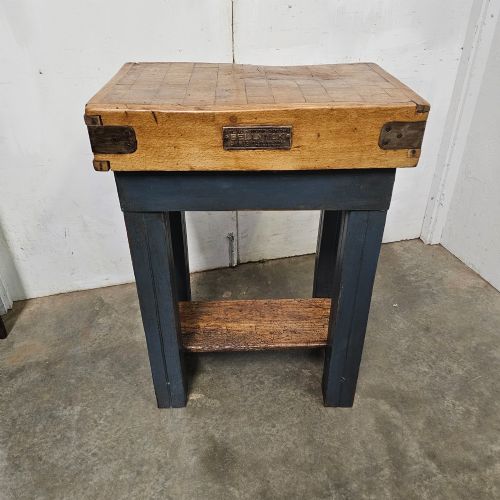
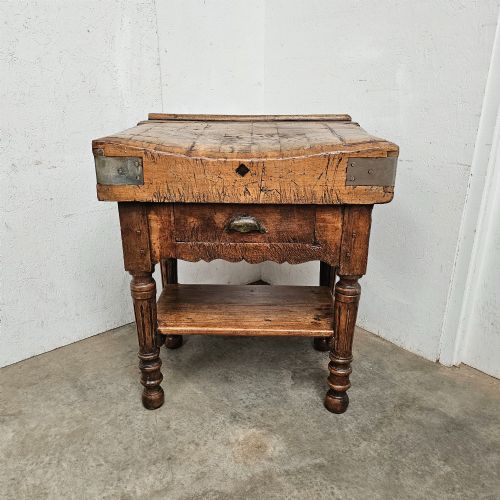
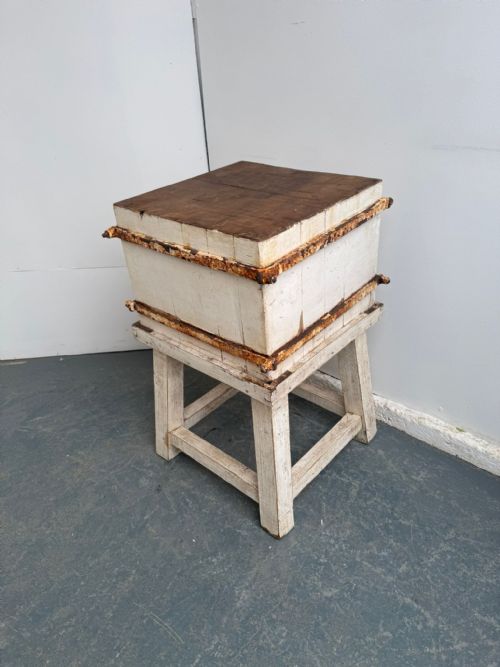
The version most commonly met on this page is the freestanding butchers block or preparation table, often constructed with thick end-grain wooden tops supported by sturdy timber stands or decorative metal bases. They serve both as functional kitchen workhorses and as focal points for rustic interiors.
How they were made
Construction relies heavily on dense hardwoods such as beech, oak, elm, and ash selected for their resistance to splitting under heavy impact. Tops are frequently formed from thick blocks of timber joined tightly together to create a solid pounding and chopping surface.
Supporting structures combine pegged or joined timber frames with iron, metal, or bronzed mounts for added stability. Some pieces incorporate later painted finishes, enamel surfaces, or integrated drawers for storage.
Antique Kitchen Block Retail Price Guide 2026
Typical asking prices for kitchen block among the pieces listed under this phrase on Sellingantiques today, from the lower quarter to the upper quarter. They describe what is for sale here now, not the wider market.
Listings feature pieces spanning from the 1800s through the Edwardian era and into the 1930s, constructed in oak, beech, elm, and pine.
What varies in quality
The primary distinction across these pieces lies in the thickness and original density of the timber top, alongside the integrity of the base construction. Blocks retaining their substantial original working depth sit at the higher end of the scale.
Craftsmanship is also measured in the complexity of the base, whether a decorative French stand, a tripod mount, or a heavy-duty industrial iron frame. The proportion between the working surface and its support dictates the visual balance.
Trussant & Cie·Hennes France
The Antique Kitchen Block Glossary
- End-grain
- The grain pattern visible when timber is cut across the growth rings, providing a self-healing surface ideal for chopping blocks.
- Prep table
- A utilitarian wooden table utilised for food preparation before dedicated fitted kitchens became standard.
- Tripod mount
- A three-legged support structure occasionally found beneath circular chopping blocks to ensure stability on uneven floors.
- Provincial
- A regional style originating from outside the capital, often characterised by honest construction and local timber selection.
Antique Kitchen Block: Frequently Asked Questions
What is an antique kitchen block used for?
These blocks were originally built for heavy kitchen tasks like butchery, pastry preparation, and general food chopping.
Today, they function as practical kitchen islands, preparation surfaces, or statement furniture pieces in rustic and traditional homes.
How do I clean an antique chopping block?
Maintenance requires gentle scraping and wiping with a damp cloth rather than soaking in water, which can split the old timber.
Periodic application of food-safe mineral oil helps nourish the dry nineteenth-century hardwood without damaging the original patina.
Are these blocks suitable for modern kitchens?
Their substantial weight and robust timber construction make them highly functional additions to contemporary cooking spaces.
Buyers often place them centrally to provide extra counter space and durable prep surfaces that match modern utility needs.